
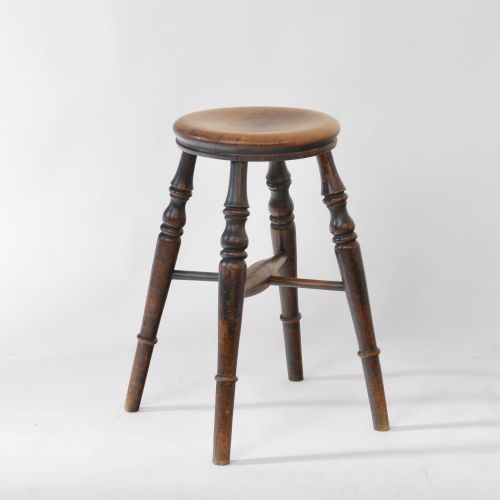
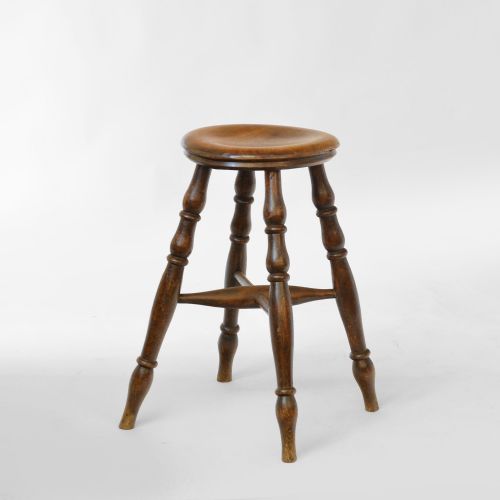
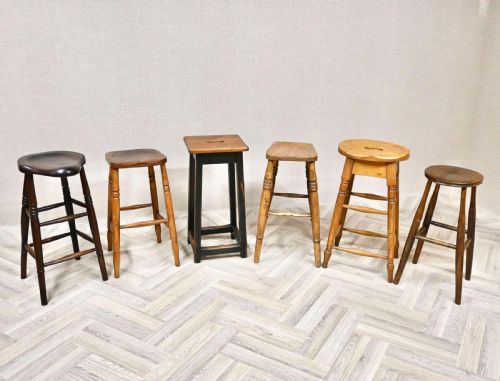
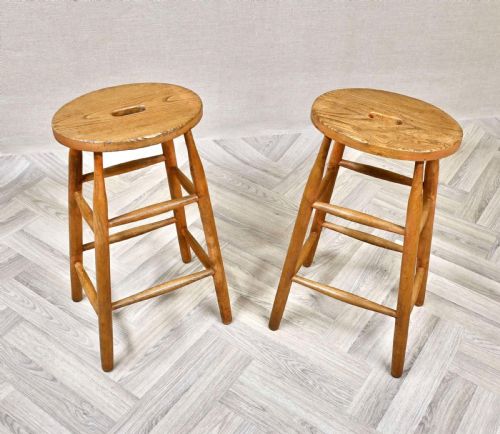



Vintage Counter Stool
These vintage counter stool examples offer genuine character for elevated seating, spanning utilitarian pub designs to industrial workshop survivors.
Vintage Counter Stool
A vintage counter stool serves elevated kitchen islands and breakfast bars with historical character, bringing genuine utility from past centuries into modern rooms. When you examine a vintage counter stool on this page, you encounter forms originally built for taverns, laboratories, counting houses, and farmhouses.
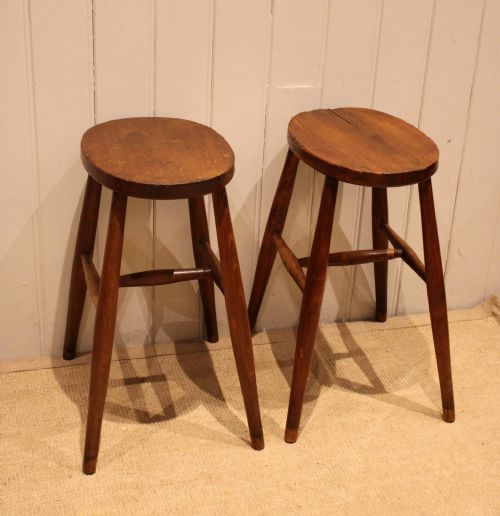
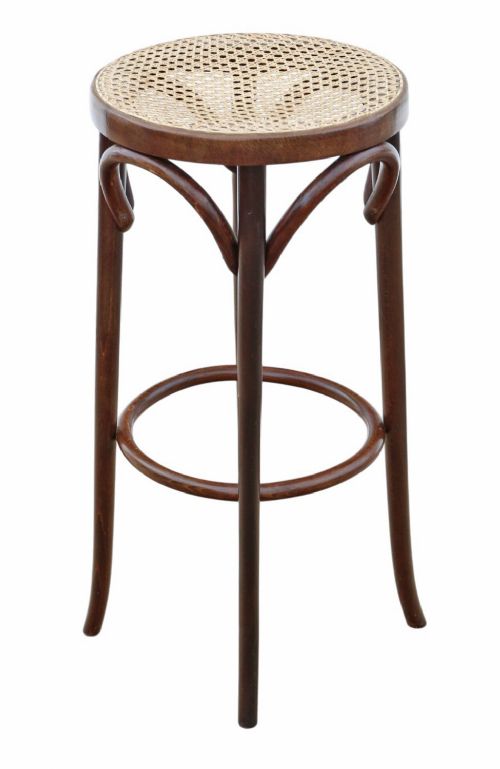
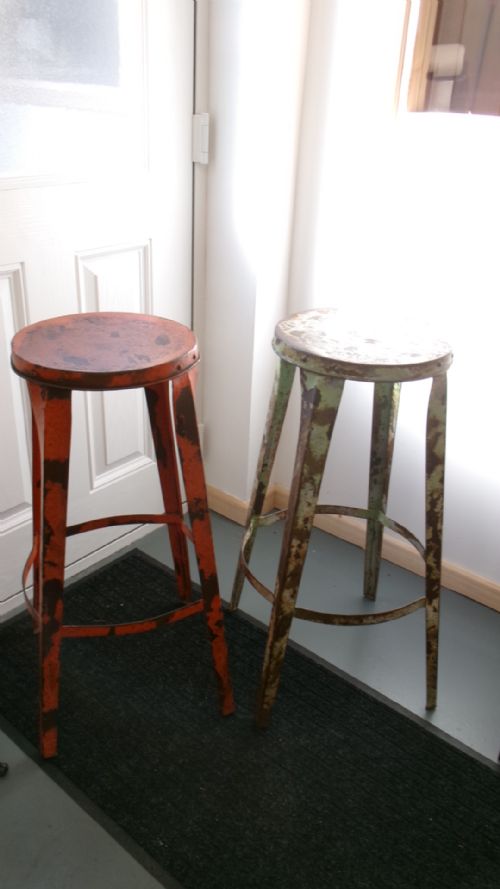
The selection ranges widely across eras and styles, including nineteenth-century wooden tavern pieces, early twentieth-century bentwood designs, and industrial metal-riveted workshop seats. Most frequently, you meet sturdy wooden iterations featuring elm, beech, or oak tops raised on tall legs.
How they were made
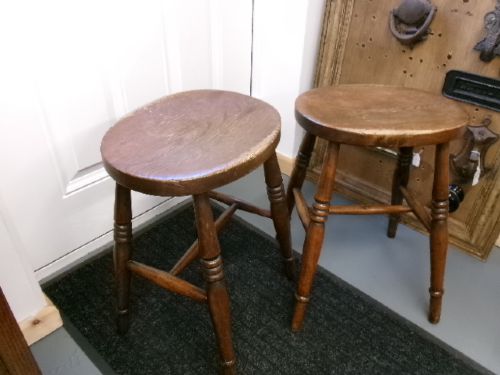
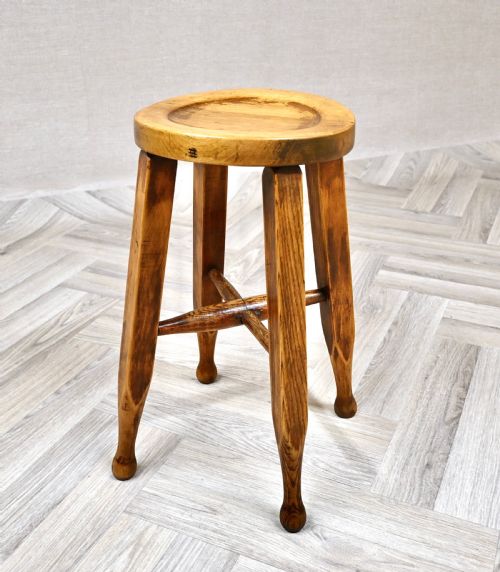
Traditional makers built these high seats using solid hardwoods like beech, elm, oak, and mahogany, often pairing turned wooden legs with carved or dished timber tops. Carpenters shaped seats from single thick planks of wild elm or sycamore, scooping oval dishes for comfort during long hours at a counter or desk.
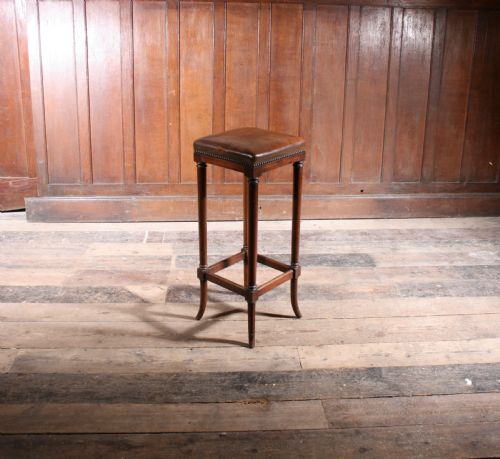
Industrial examples incorporate riveted metal frameworks alongside timber components, while bentwood methods utilise steamed beech to form curved supports. Upholstered variants introduce leather coverings over firm padding, secured with traditional tacks.
The listings here feature traditional timbers including beech, oak, elm, sycamore, and birchwood across various nineteenth and twentieth-century periods.
What varies in quality
Quality in these high seats rests upon the integrity of the original construction, particularly the tightness of the joints where tall legs meet the seat underside. Superior pieces retain their original timber surfaces, showing honest patination from decades of daily use without excessive structural replacement.
The refinement of the turning on the legs and the depth of the dished wooden top distinguish finer workshop or tavern examples from plain utility seating. Metal variants demonstrate quality through the durability of their riveted joints and the smooth operation of any adjustable mechanisms.
The Vintage Counter Stool Glossary
- Bentwood
- A method of steaming timber until pliable, allowing makers to bend it into smooth curves for chair and stool frames. This technique gained widespread popularity in the nineteenth century for producing lightweight yet robust seating.
- Dished top
- A wooden seat surface hollowed out into a shallow bowl shape to enhance sitting comfort. This feature appears frequently on traditional tavern and pub examples.
- Clerk's stool
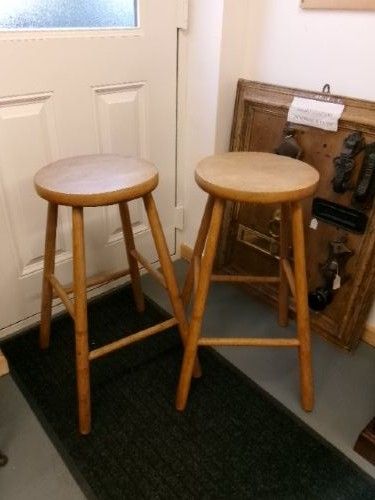
- A tall wooden seat traditionally used by writers and bookkeepers at high sloping desks. These often feature simple turned legs and foot rails.
- Rush seat
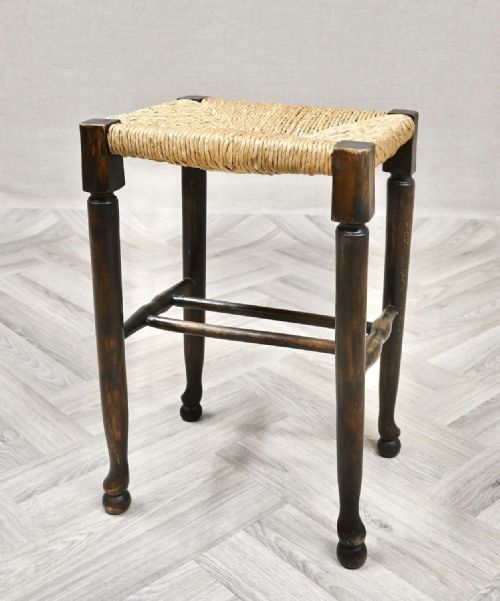
- A seating surface woven from dried marsh grasses or rushes, creating a textured pattern across the frame. This traditional craft method appears on country farmhouse seating.
- Riveted metal
- A method of joining structural plates together using heated metal pins that expand and lock into place. This industrial construction technique provides exceptional strength for workshop seating.
Vintage Counter Stool: Frequently Asked Questions
How do I style a vintage counter stool in a modern kitchen?
Mix these tall wooden or industrial seats against a clean contemporary island to introduce warmth and historical contrast.
Their varied heights and patinated timber finishes break up uniform cabinetry lines while providing practical everyday seating.
Are these tall stools sturdy enough for daily kitchen use?
Original tavern, farm, and workshop stools were engineered for rigorous daily employment in demanding commercial environments.
Their solid hardwood construction and braced legs ensure they remain robust and reliable for modern household routines.
How can I tell a nineteenth century stool from a later piece?
Nineteenth-century examples typically display hand-turned components, pegged joints, and deep patination accumulated through generations of use.
Later twentieth-century versions often incorporate machine-cut elements, industrial metal framework, or simpler stained beech surfaces.
What is the difference between a bar stool and a counter stool?
Counter stools are generally designed to match standard kitchen work surfaces and breakfast bars, sitting lower than traditional tavern bar seats.
Many antique high stools served dual purposes in pubs, workshops, and counting houses before finding places at modern kitchen counters.