


Vintage Corner Cabinet Wood
A vintage corner cabinet wood piece makes use of overlooked domestic angles, offering fitted storage or display space across Georgian, Victorian and Edwardian forms.
Vintage Corner Cabinet Wood
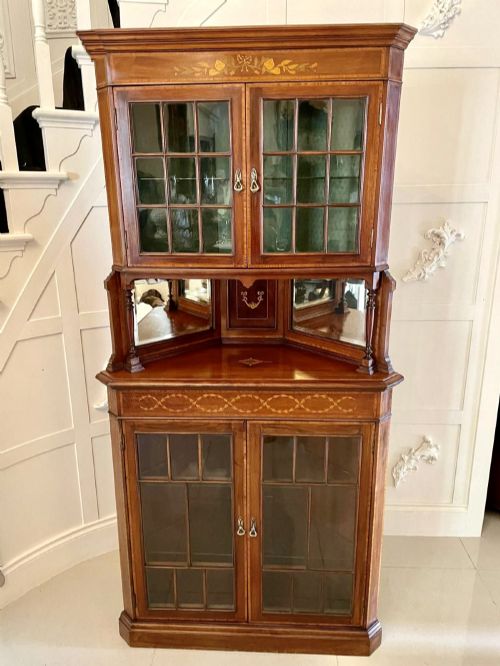
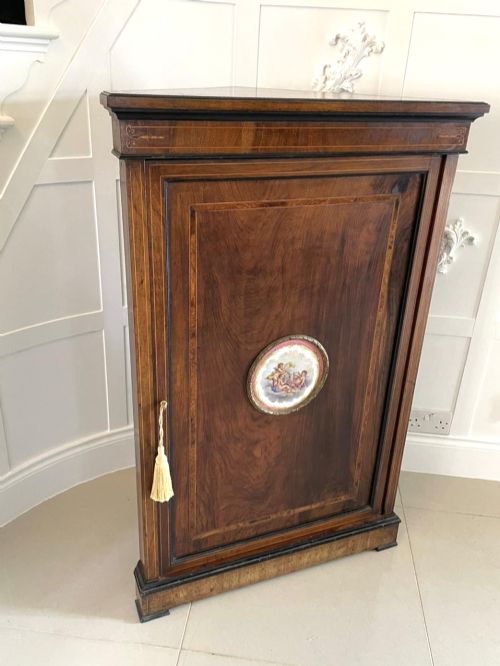
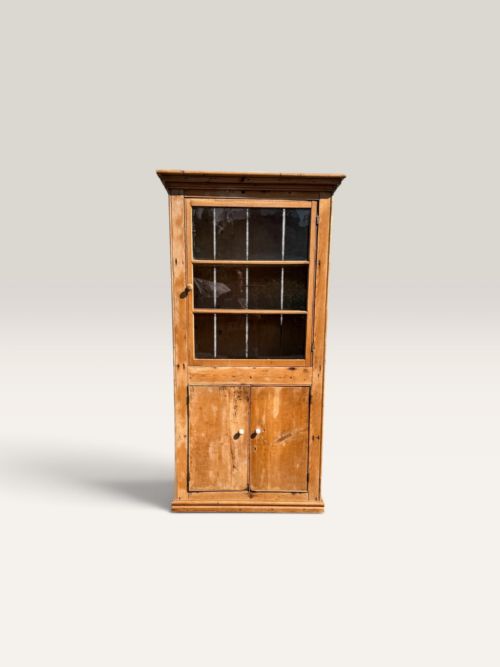
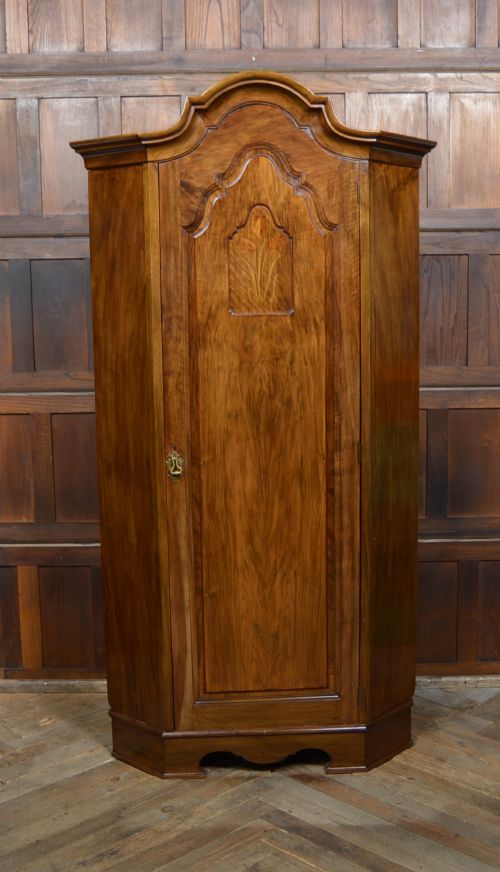
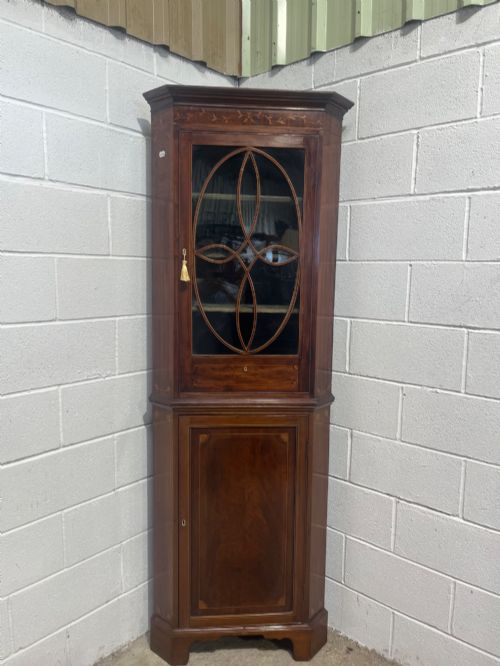
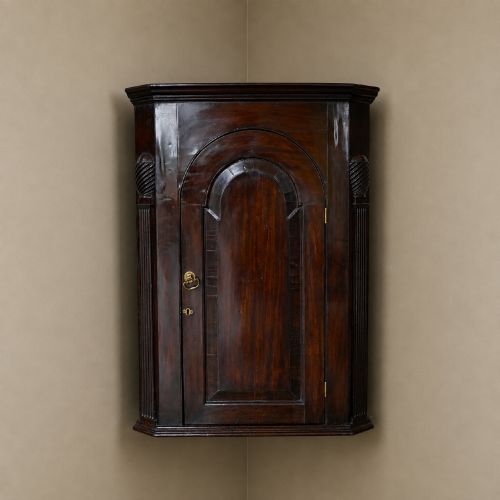
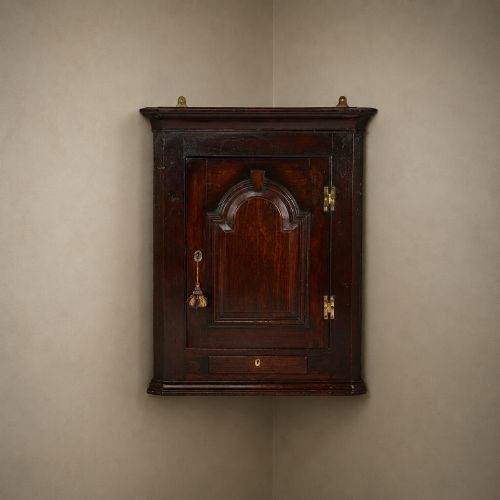
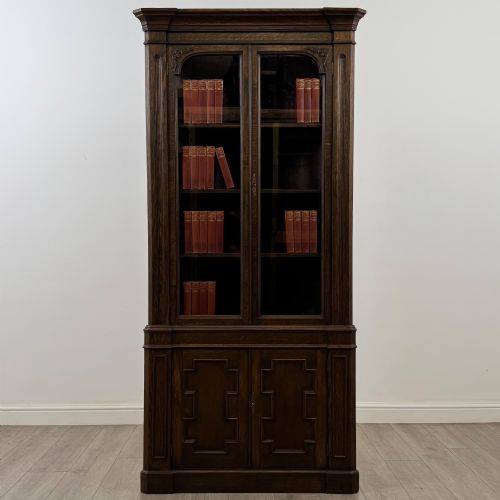
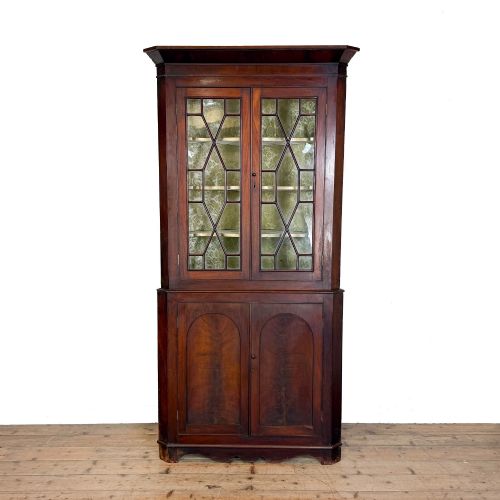
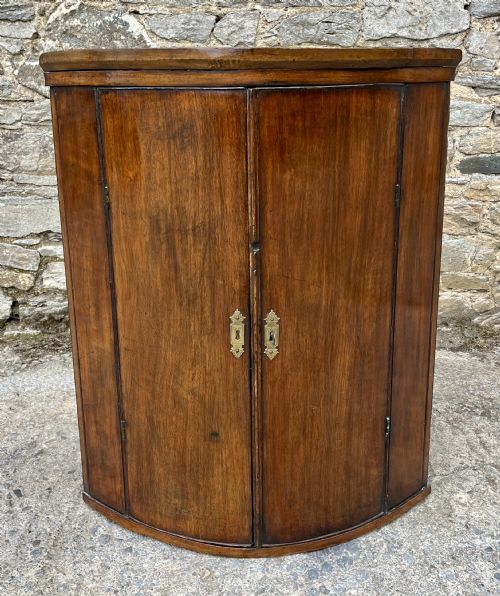
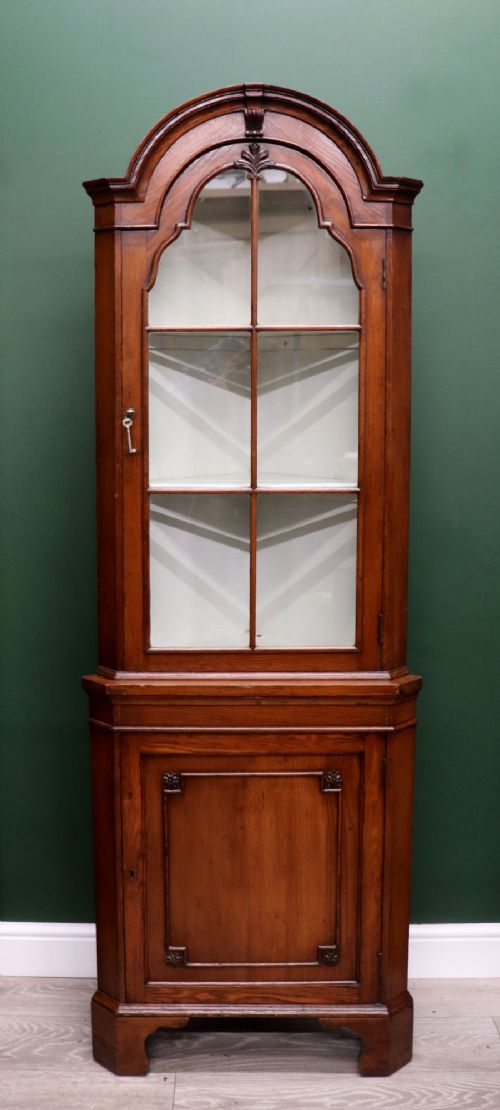
When you search for a vintage corner cabinet wood piece, you encounter furniture designed to fit neatly into the ninety-degree junction of a room. These items range from wall-hanging cupboards to tall floor-standing display units and elaborate vitrines.
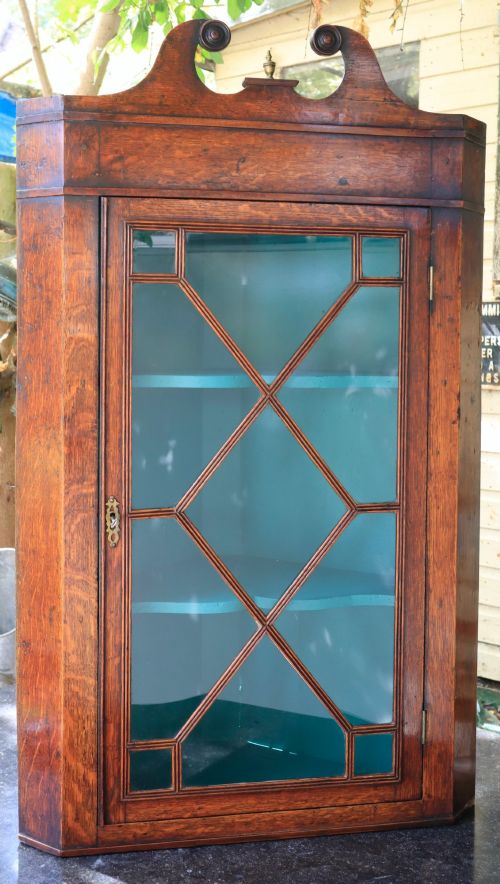
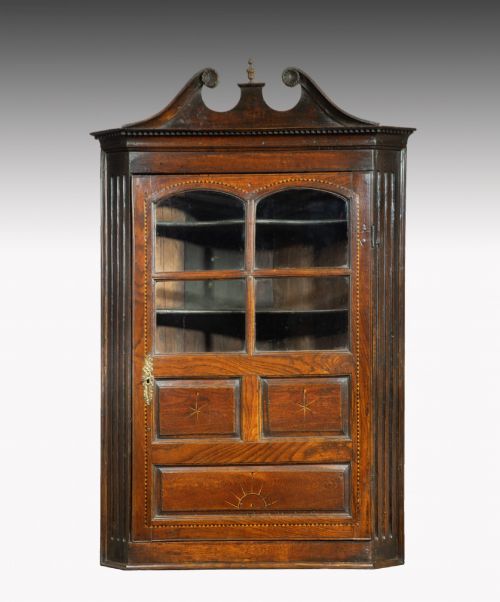
The selections span distinct periods, heavily featuring eighteenth-century Georgian designs alongside nineteenth-century Victorian pieces and early twentieth-century Edwardian revivals. Hanging cupboards with panelled or glazed doors appear frequently alongside tall freestanding cabinets.
Makers adapted these forms to suit shifting domestic interiors, utilising both compact proportions for smaller rooms and double-height architectural formats. Oak and mahogany serve as the primary foundational timbers across the majority of these iterations.
Distinguishing quality across examples
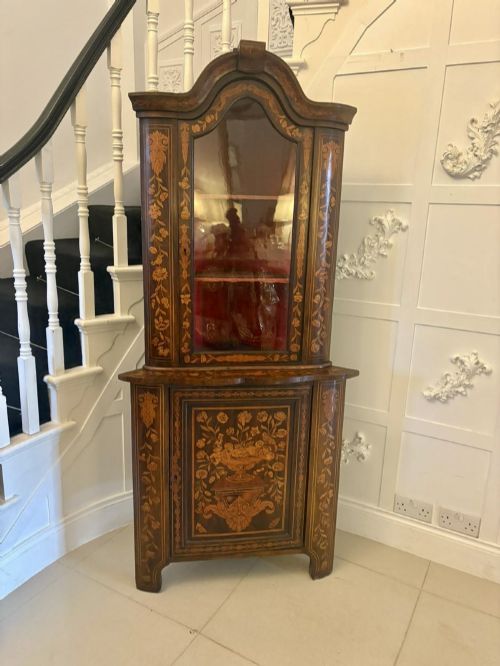
Quality rests upon the crispness of the timber joinery and the sophistication of the decorative embellishments. Pieces featuring intricate marquetry, finely cut stringing or superior wood veneers command greater attention than plain utility models.
The integrity of the original hardware, glass panels and interior shelving scheme alters the overall merit of an item. Thoughtful proportions and balanced architectural cornices separate standard vernacular carpentry from finer workshop output.
Several pieces preserve their original painted interiors in striking contrast to dark exterior woods.
The Vintage Corner Cabinet Wood Glossary
- Marquetry
- Decorative patterns formed by fitting together thin veneers of different woods or materials onto a structural surface. This technique creates complex pictorial or geometric designs on cabinet doors.
- Fretwork
- Ornamental woodwork pierced with patterns using a fine saw. It appears on friezes or corner brackets to lighten the visual weight of heavy timber.
- Vitrine
- A glass-fronted cabinet designed for displaying porcelain or curiosities. These pieces often feature glazed side panels to maximise light entry.
- Stringing
- Thin inlaid lines of contrasting timber used to outline panels and drawers. It defines the geometric borders on Georgian and Edwardian cabinet fronts.
- Cornice
- The moulded horizontal timber crown that caps the top of a tall cabinet. It provides an architectural finish to floor-standing furniture.
Vintage Corner Cabinet Wood: Frequently Asked Questions
How do I hang a wall cabinet?
Wall-hanging corner cupboards require secure fixing to solid masonry or internal wall studs using heavy-duty brackets suited to the weight of hardwood.
Because these pieces project diagonally into the room, stable anchorage prevents structural strain on the historical hinges and top timber joints.
Were these made for dining rooms?
These cabinets served primarily to store porcelain, glassware and dining provisions within domestic parlours and dining rooms. Tall floor-standing versions often functioned as corner wardrobes or general display storage.
Smaller hanging iterations kept valuable tableware visible yet secure away from bustling floor space.
How do I spot a Georgian piece?
Eighteenth-century examples typically employ dense mahogany or oak, featuring brass H-hinges, fielded panel doors and modest architectural mouldings without excessive revival ornamentation.
Construction details on the interior secondary timbers, such as hand-planed pine backing boards, help confirm the eighteenth-century date.
What is a corner whatnot?
A corner whatnot is an open-tiered shelving unit designed to fit into a room angle for displaying decorative objects rather than storing items behind closed doors.
Victorian iterations frequently incorporate turned supports and delicate fretwork galleries along each shelf edge.