

Vintage Cookware
These vintage cookware pieces range from heavy preserve pans to delicate jelly moulds, offering both practical culinary utility and rich historical character.
Vintage Cookware
Vintage cookware encompasses domestic and kitchen utensils forged primarily during the Georgian, Victorian, and nineteenth-century periods. These items reflect traditional methods of food preparation in both English and French country kitchens.
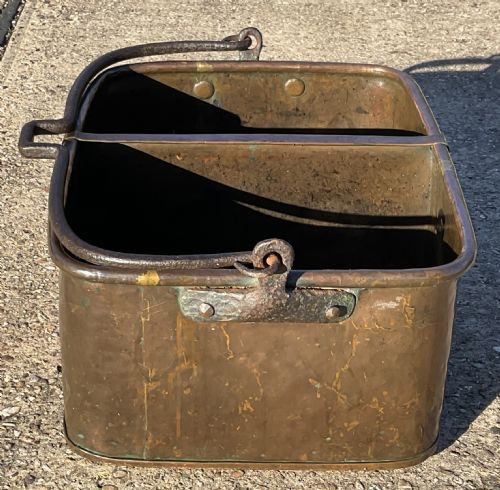
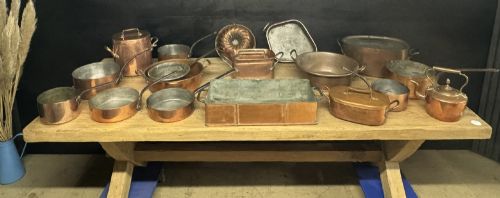
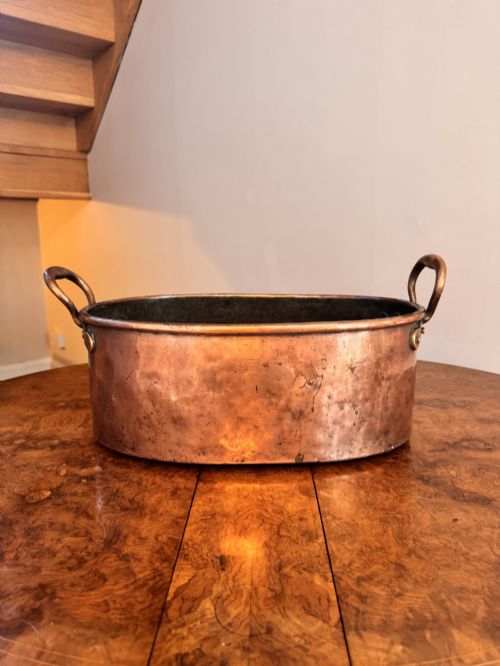
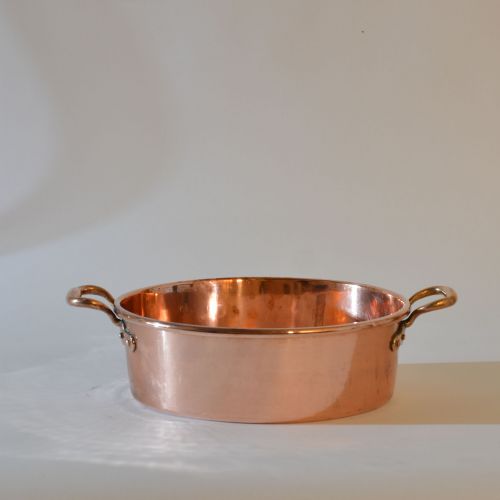
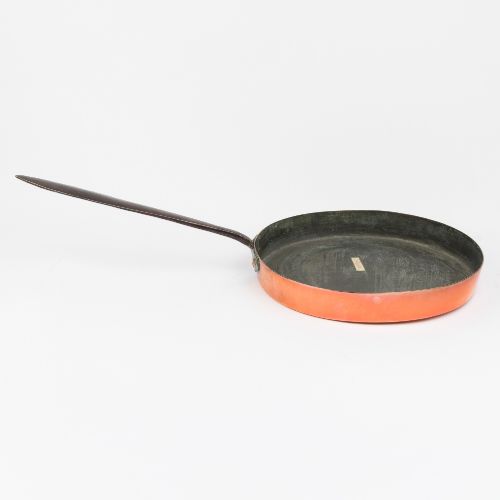
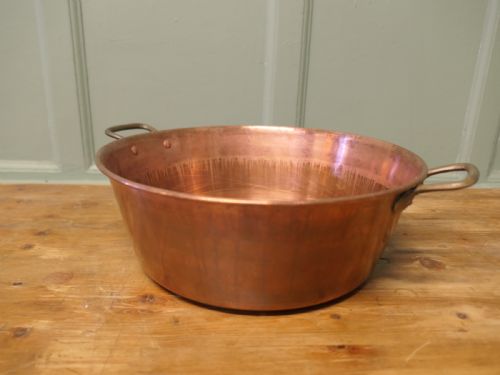
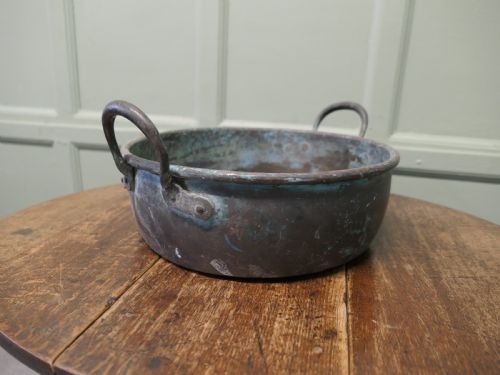
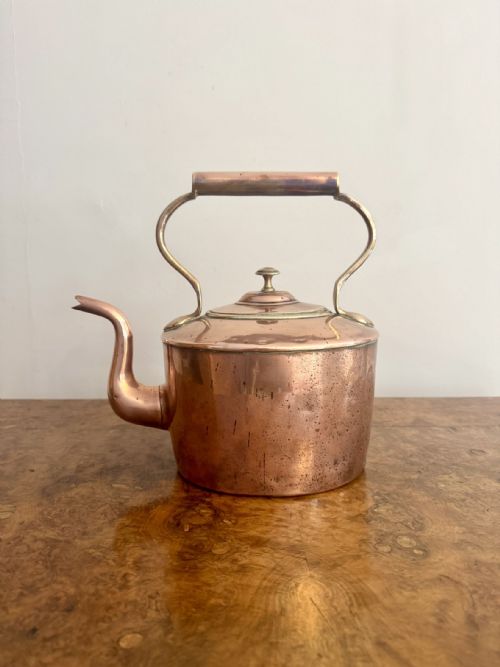
The most common examples on this page are copper saucepans, preserving pans, and kettles, alongside iron pot stands and brass jelly moulds. Buyers encounter individual vessels as well as matching sets of multiple pans.
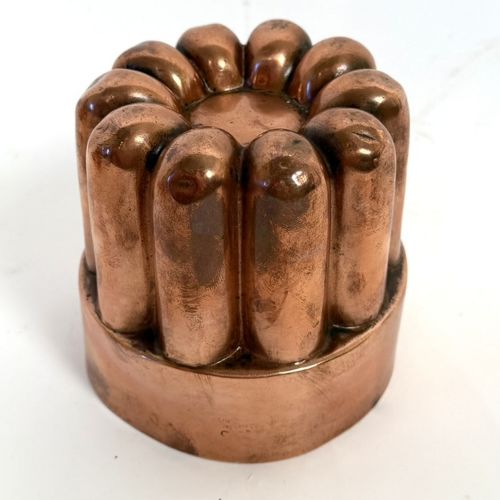
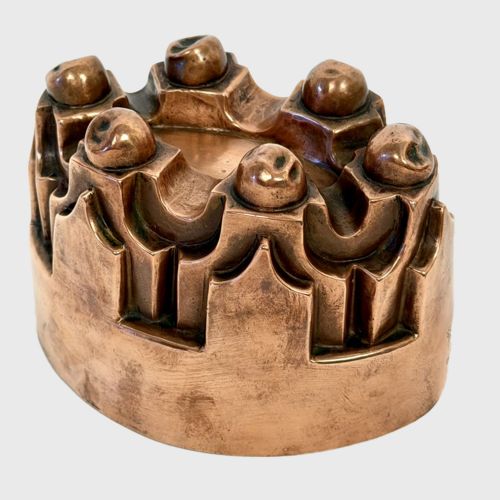
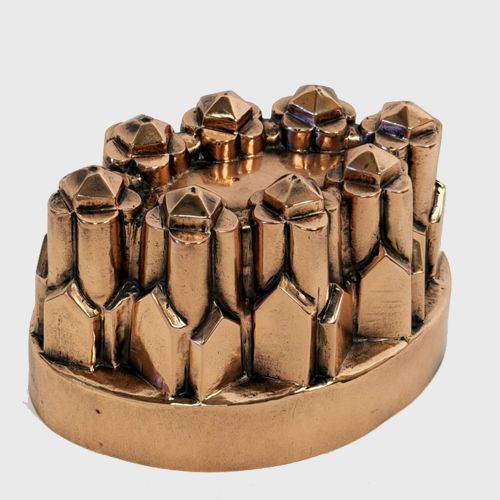
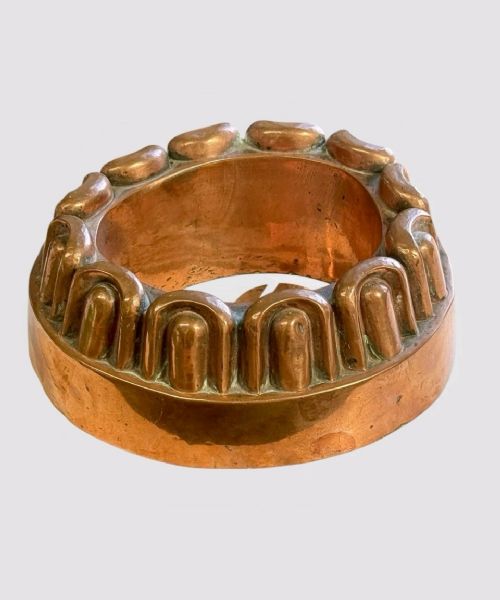
Forms vary from utilitarian coffee pots and fish kettles to decorative ice cream moulds featuring castle tops. Each piece provides a direct link to historical domestic routines.
Materials and Construction
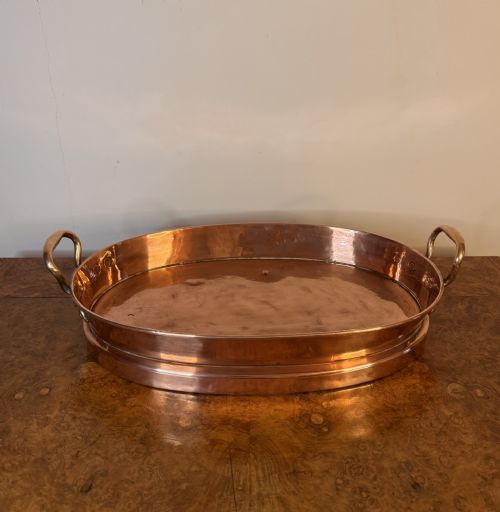
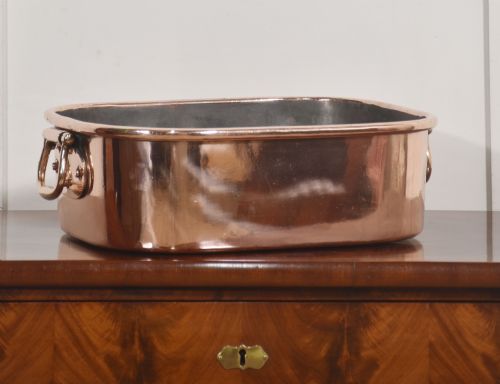
Copper forms the core material for the majority of these pieces, often paired with brass handles and lined with tin for safe food contact. Heavy gauge metals and hand-beaten finishes indicate durable manual construction by period artisans.
Vintage Cookware Retail Price Guide 2026
Typical asking prices for vintage cookware among the pieces listed under this phrase on Sellingantiques today, from the lower quarter to the upper quarter. They describe what is for sale here now, not the wider market.
Some Victorian jelly moulds hid miniature fortresses inside your dessert, turning after-dinner blancmange into a fortification.
Assessing Quality and Build
Quality rests heavily on the thickness of the metal gauge and the weight of the individual pan or kettle. Heavier copper vessels demonstrate superior thermal distribution and robust construction intended for intensive kitchen use.
The refinement of the hand-beaten surface and the integrity of the original tin lining separate everyday utilitarian utensils from finer display pieces. Matching sets and complex forms like castle top jelly moulds also command greater attention.
William Soutter & Sons·Hodges & Sons·Harrods
The Vintage Cookware Glossary
- Preserve pan
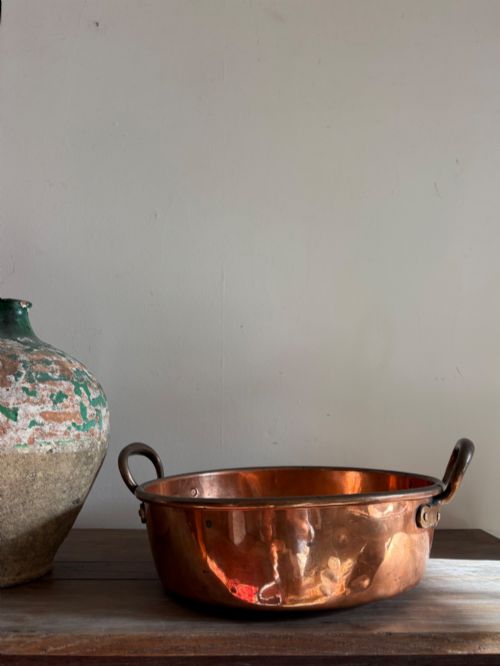
- A wide, open vessel designed for boiling fruit and sugar, typically featuring large looped handles for heavy lifting.
- Daubiere
- A specialised cooking pot used for braising meats slowly, often originating from French kitchens.
- Jelly mould
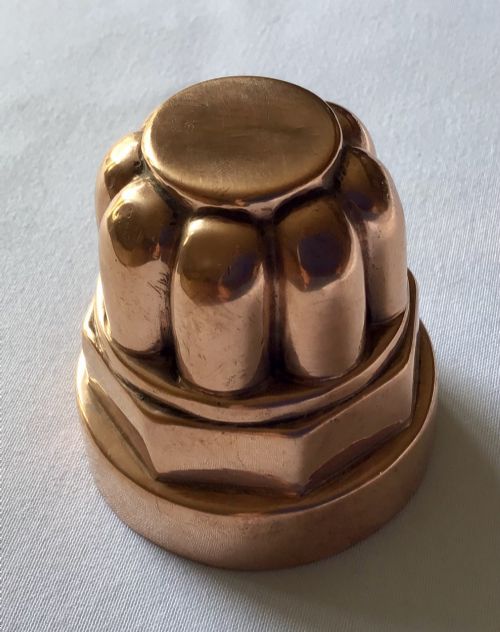
- A shaped metal container, frequently tinned inside, used to set aspics and sweets into decorative geometric or architectural patterns.
- Fish kettle
- An elongated vessel equipped with a lid and internal drainer, built specifically for poaching whole fish.
- Kitchenalia
- Domestic utensils and equipment collected for their historical interest and aesthetic appeal in traditional interiors.
Vintage Cookware: Frequently Asked Questions
Can I still cook with vintage copper pans?
Many copper pans remain structurally robust enough for regular use on modern kitchen stoves, provided the metal gauge is sufficiently heavy.
Buyers should ensure the interior tin lining remains intact and healthy before preparing food in antique vessels.
How do I clean tarnished copper cookware?
Traditional cleaning methods utilising mild acidic solutions and soft cloths help remove oxidation without scratching the hand-beaten surface of the metal.
Avoid harsh abrasives to preserve the historical patina and exterior finish of the piece.
What period do most jelly moulds date from?
The majority of decorative jelly moulds and baking collectables encountered originate from the Victorian era.
These pieces showcase intricate designs, ranging from simple fluted shapes to elaborate architectural castle tops.
How were multi-tier pan stands utilized?
Large wrought iron pot stands and racks provided organised vertical storage for heavy copper and brass saucepans in busy nineteenth-century kitchens.
They allowed cooks to keep a complete set of graduating pans close to the hearth.