
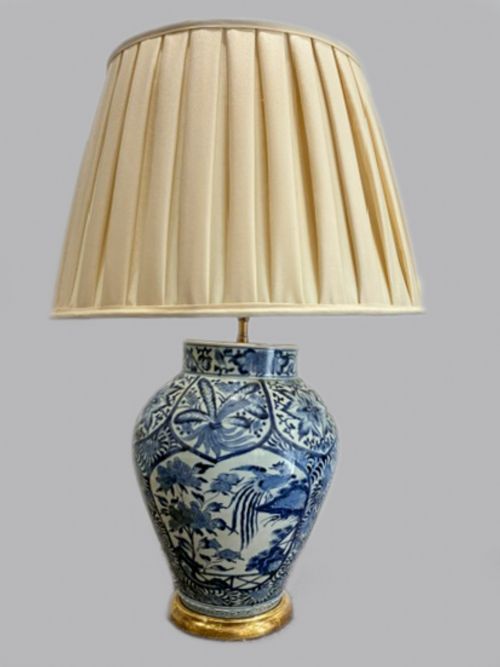
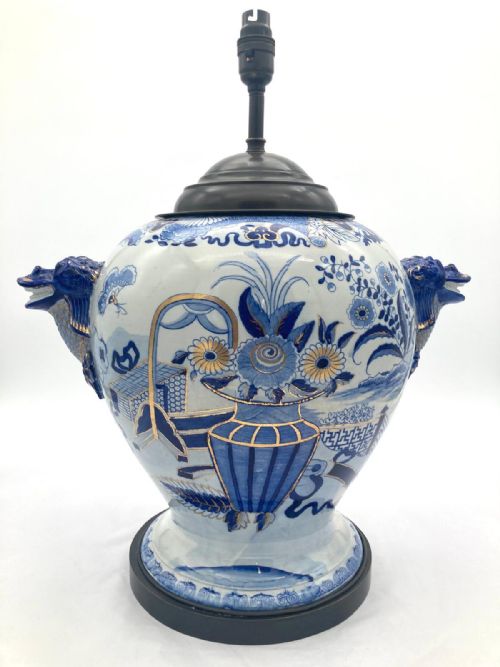
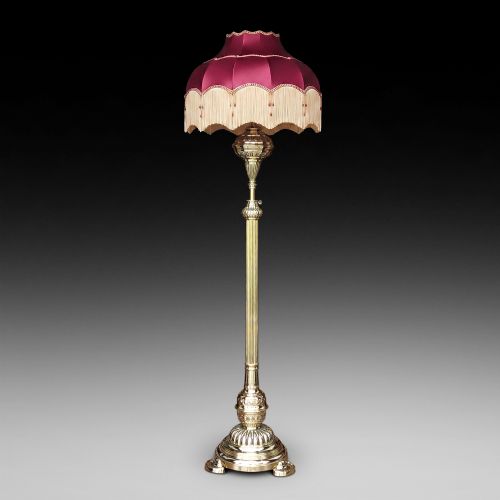
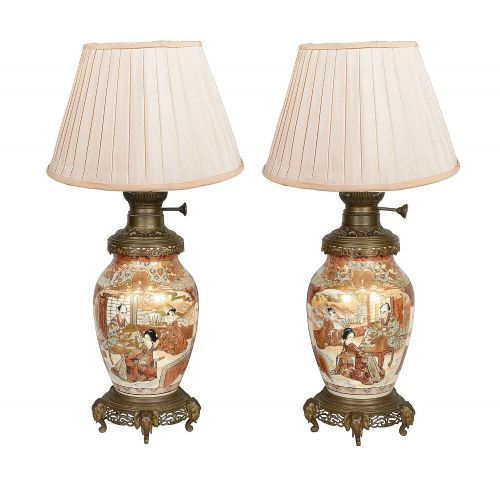
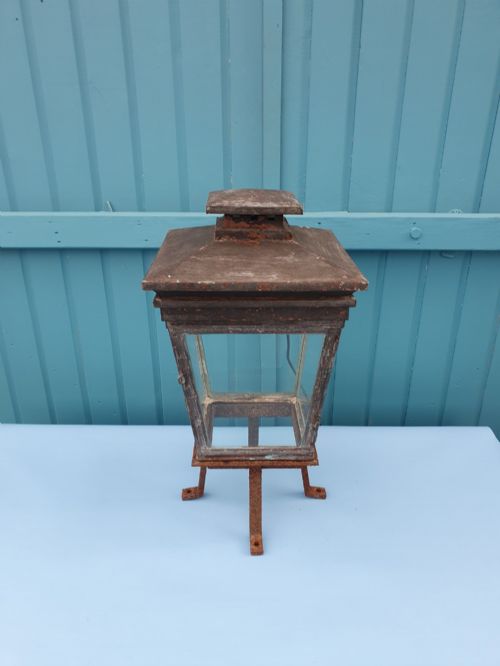


Vintage Converted Lamp
These vintage converted lamps turn earlier lighting vessels, candlesticks and domestic objects into functional electric fittings.
Vintage Converted Lamp
A vintage converted lamp brings together older lighting apparatus and decorative objects adapted for modern electrical use. Buyers looking at this selection encounter pieces originating from the 17th century through to the early 20th century, spanning periods such as the Victorian era and the Regency period.
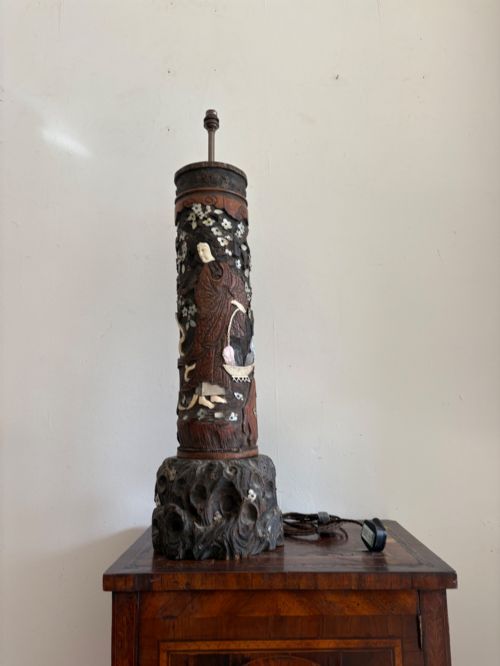
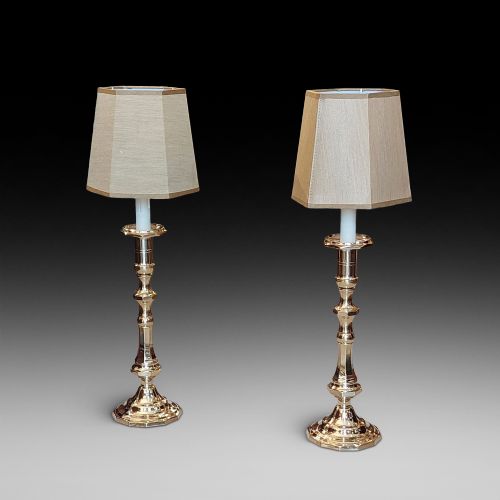
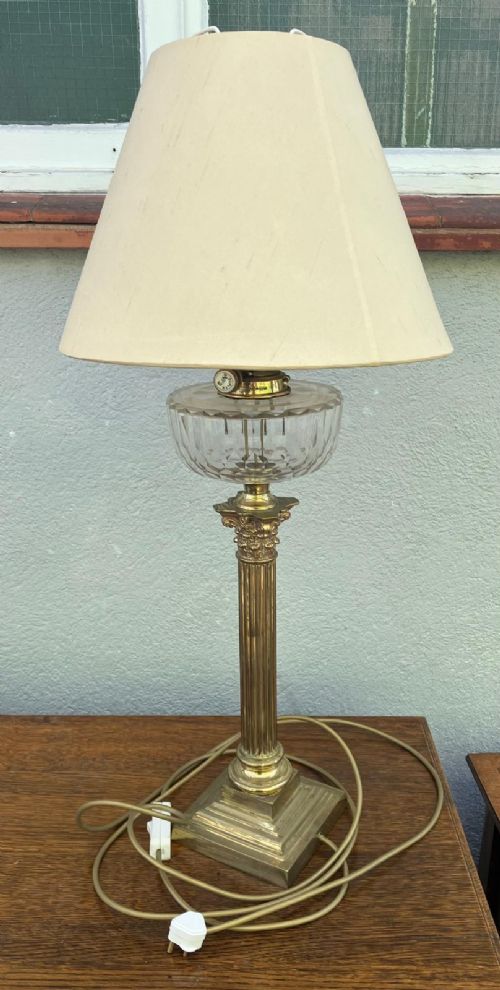
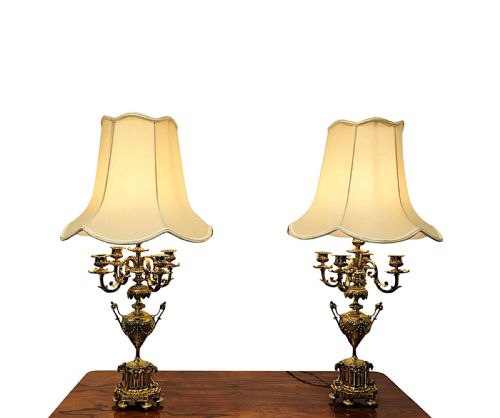
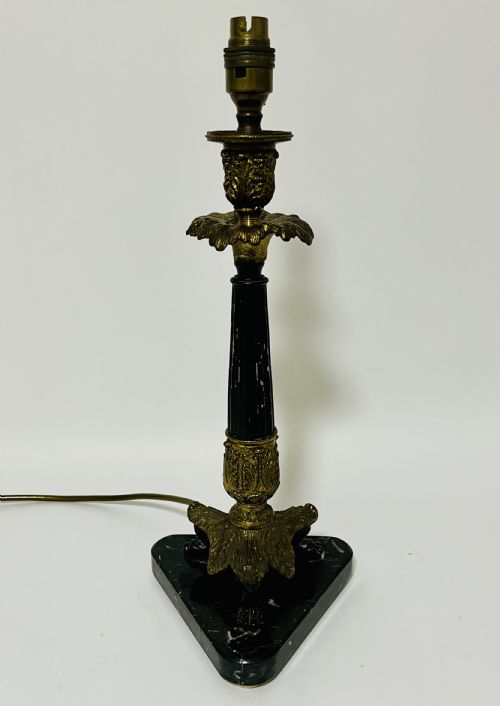
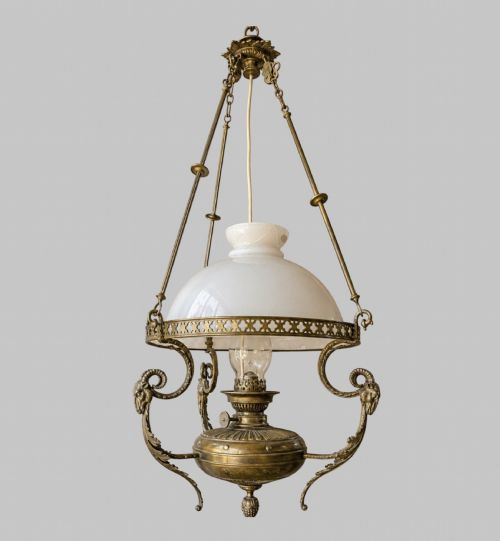
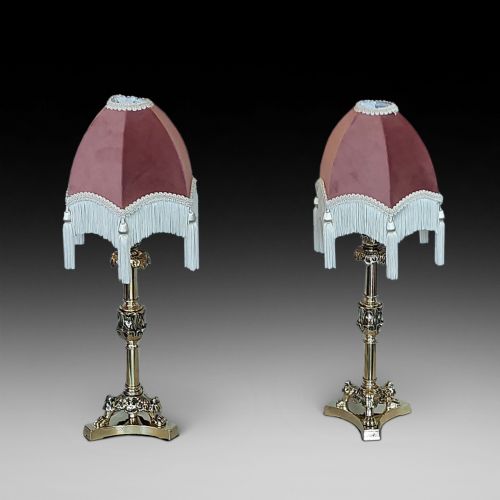
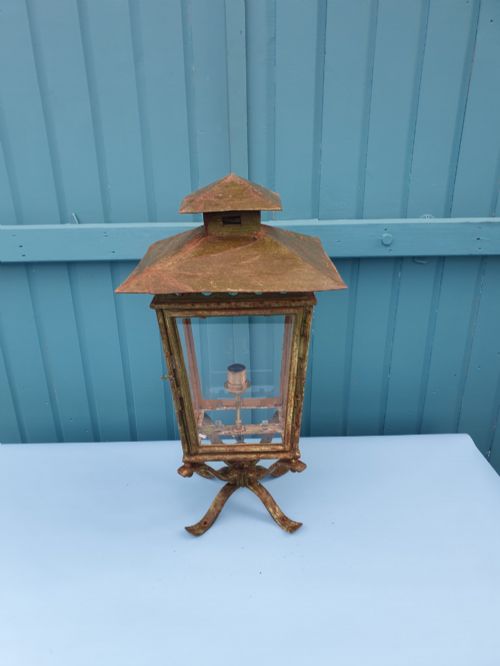
The most common forms on this page include table lamps, floor lamps, lanterns, ceiling lights and wall sconces. These items originate from diverse object types, beginning their lives as candlesticks, oil lamps, gas lanterns, vases, brush pots, tea canisters, tobacco jars and statuettes.
Origins and styles vary widely, encompassing Japanese Meiji pieces, French Empire designs, Rococo Revival, Neoclassical and Gothic Revival. Such variety means buyers find everything from heavy brass standard lamps to delicate porcelain vase adaptations.
Materials and construction
Makers utilised rigid structural materials including brass, copper, bronze, wrought iron and cast metal to support the heavier vessels and columns. These metals often appear paired with decorative elements like marble bases, wooden components and painted or green-painted finishes.
Fragile materials form the bodies of many table lamps, featuring porcelain, glass, ironstone, lead crystal, Delftware and Kutani ceramics alongside fabric shades. Artisans adapted these delicate media by mounting them on metal bases and running internal wiring through former oil, gas or candle receptacles.
The material selection spans solid brass, fabric, glass, porcelain, copper, metal, wood and enamel across multiple centuries.
Variations in quality
Quality rests upon the harmony between the original object and the conversion process itself. The most successful examples retain the aesthetic integrity of the source piece without damaging its historic structure during electrification.
Materials and execution distinguish the top of the range, seen in solid cast brass, detailed bronze statuettes, heavy lead crystal and carefully preserved hand-painted porcelain. Poorer adaptations show clumsy alterations to the body or mismatched mounts that detract from the original period character.
Hinks of B'ham·Hicks and Meigh·Royal Doulton·Osler
The Vintage Converted Lamp Glossary
- Candlestick lamp
- A domestic candleholder adapted to hold an electric bulb fitting. These often retain their original bobeche and drip pans.
- Standard lamp
- A tall floor-standing lighting fixture. These frequently incorporate telescopic mechanisms or heavy weighted bases for stability.
- Paraffin lamp
- A late nineteenth-century lighting device burning paraffin oil. Many retain branded burners such as those produced by Hinks.
- Altar candlestick
- A heavy ecclesiastical candlestick designed for church use. These appear frequently in pairs with Gothic Revival or Victorian styling.
Vintage Converted Lamp: Frequently Asked Questions
What is a converted lamp?
A converted lamp is an antique object, such as a candlestick, vase or oil lamp, that has been altered to hold an electrical bulb and wiring.
These pieces allow historical decorative items to function safely as modern household lighting while retaining their original period appearance.
How do I identify the period?
Dating relies upon examining the materials, manufacturing marks, and stylistic indicators such as Victorian brass casting techniques or Japanese Meiji iconography.
Sellers often reference specific decades or reigns, helping buyers trace the item back to the nineteenth century or earlier periods.
Were these originally electric?
No electricity was used in domestic settings for the earliest pieces in this category, which date back to the seventeenth and eighteenth centuries.
These items originally functioned via candles, oil, paraffin or gas before later being rewired for electricity.
How do I clean brass lamps?
Brass components require gentle dusting and occasional cleaning with a non-abrasive metal polish appropriate for historic surfaces.
Care must be taken to avoid getting cleaning fluids near the electrical wiring or antique fabric shades.