



Vintage Condiment Jar
These vintage condiment jar pieces bring practical elegance to the table, offering clever ways to house preserves, mustard, and spices.
Vintage Condiment Jar
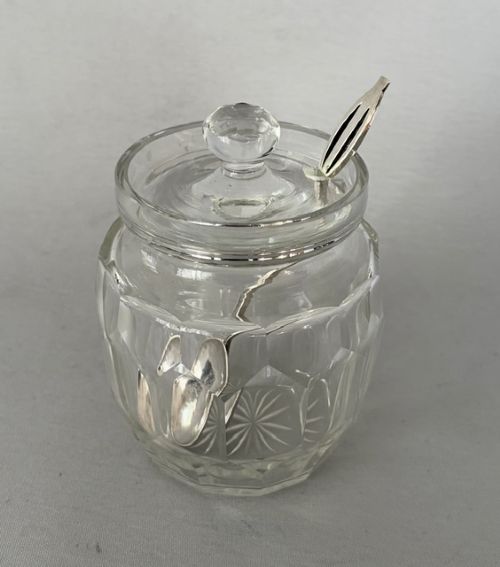
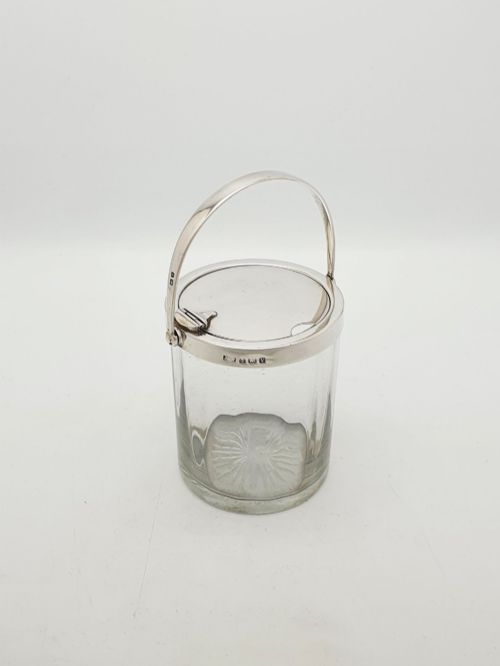
When you search for a vintage condiment jar, you encounter a variety of table vessels designed to hold preserves, mustard, honey, and spices. The selection spans distinct eras, ranging from Georgian and Victorian designs to Edwardian and Art Deco pieces.
Originating from periods like the nineteenth century and the 1920s, these items reflect changing dining habits and table settings. Each piece demonstrates how historical households stored and served daily condiments.
How they were made
Silversmiths shaped solid sterling silver and silver plate into mounts, lids, and spoons, often employing Birmingham workshops for production. Glassmakers blew and cut lead crystal and plain glass to form the bodies of jam dishes and preserve jars.
Woodworkers turned timber on a lathe to construct utilitarian pieces like four-tier spice towers in a folk art tradition. Artisans combined these distinct materials, securing silver mounts to cut glass vessels with precision.
Vintage Condiment Jar Retail Price Guide 2026
Typical asking prices for vintage condiment jar among the pieces listed under this phrase on Sellingantiques today, from the lower quarter to the upper quarter. They describe what is for sale here now, not the wider market.
One determined silversmith shaped a jam pot into an apple, complete with a tiny stem to lift the lid.
What varies in quality
The distinction between standard tableware and finer examples lies in the weight of the metal and the depth of the glass cutting. Crisp, sharp facets on cut glass and heavy gauge sterling silver elevate a piece above simpler silver plated items.
Unusual forms and architectural designs, such as pagoda-shaped mustard pots or apple-form jam jars, command greater attention than standard cylindrical shapes. The presence of original matching spoons and paper labels also alters the character of the object.
Hukin and Heath·Asprey and Co·Elkington and Company
The Vintage Condiment Jar Glossary
- Treen
- Small handmade wooden objects created by turning timber on a lathe. This traditional term covers items like spice towers.
- Silver Plate
- A thin layer of silver fused to a base metal core such as copper or nickel. Manufacturers utilised this technique to achieve the look of solid silver at a lower cost.
- Lead Crystal
- Glass containing metal oxide that increases weight, clarity, and brilliance. It allows for deep, sharp cutting on condiment jars and preserve pots.
- Cruet Set
- A matched collection of bottles or jars held in a stand for condiments like oil, vinegar, pepper, and mustard. These sets sat at the centre of the dining table.
- Preserve Pot
- A specialised jar designed to hold jam, marmalade, or jelly, frequently paired with a fitted lid and small spoon.
Vintage Condiment Jar: Frequently Asked Questions
What is a vintage condiment jar used for?
These vessels were created to hold table condiments such as mustard, jam, honey, and preserves during formal and everyday meals.
They allowed hosts to serve table additions cleanly and attractively, often accompanied by a dedicated small spoon.
How do I clean silver and glass?
Wash glass components gently in warm soapy water, avoiding harsh abrasives that might scratch the surface.
Polish silver mounts with a soft cloth and a dedicated silver cleaner, keeping moisture away from any paper labels.
Can I use these on the dining table?
These pieces function well for serving modern meals, holding jams, mustards, or relishes during breakfast and dinner gatherings.
Their sturdy construction from glass and silver ensures they remain practical for regular use.
How do I identify Art Deco pieces?
Art Deco items typically display geometric lines, streamlined forms, and symmetry that emerged around the 1920s and 1930s.
They often combine silver plate with clear or cut glass in patterns distinct from earlier Victorian and Georgian styles.