




Vintage Communion Chalices
Vintage communion chalices bring sacred vessels and sacramental silver into daily display, offering tangible weight from centuries of ritual use.
Vintage Communion Chalices
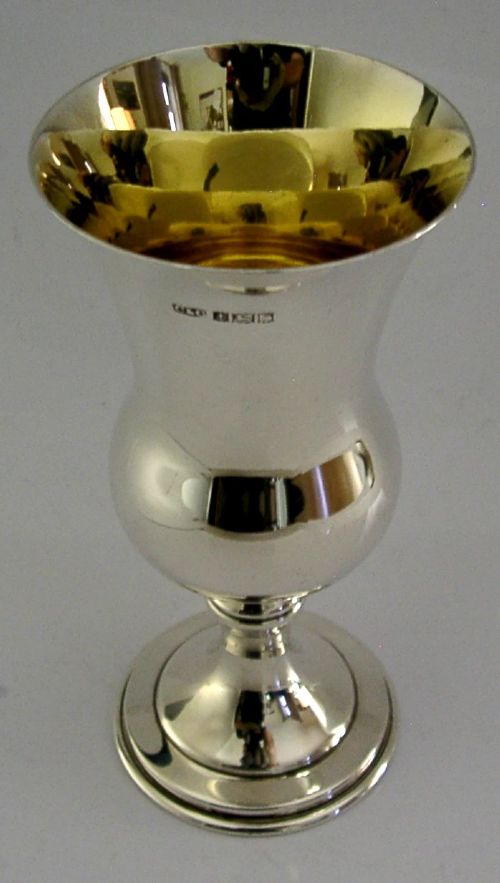
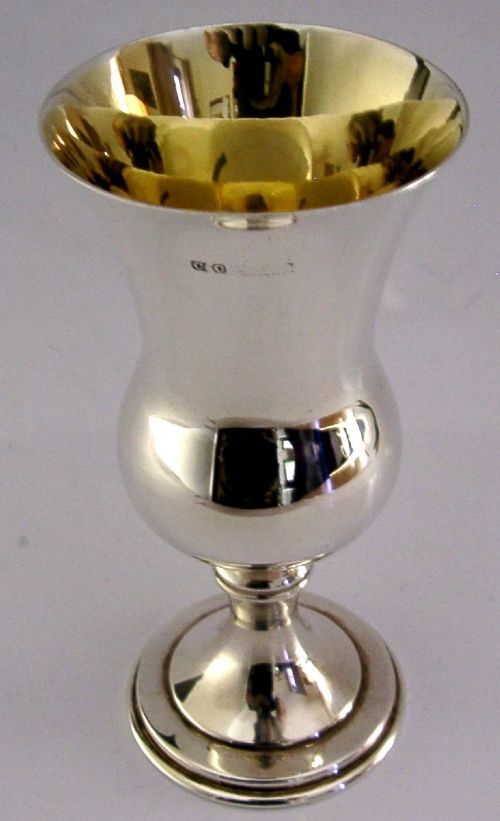
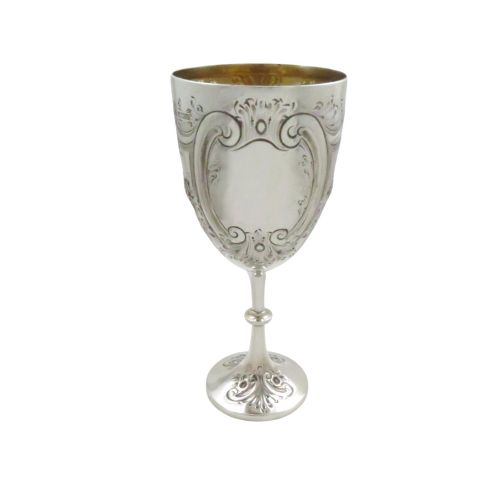
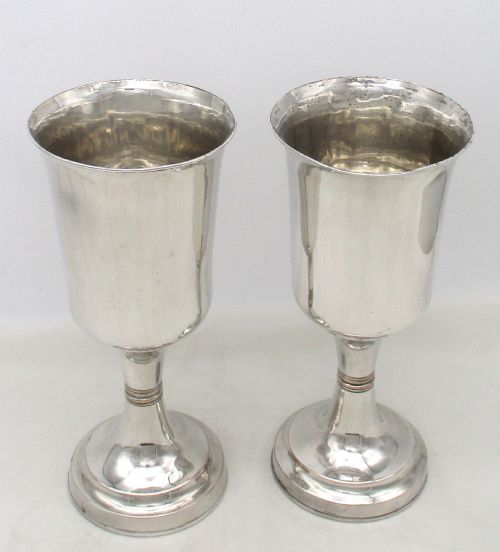
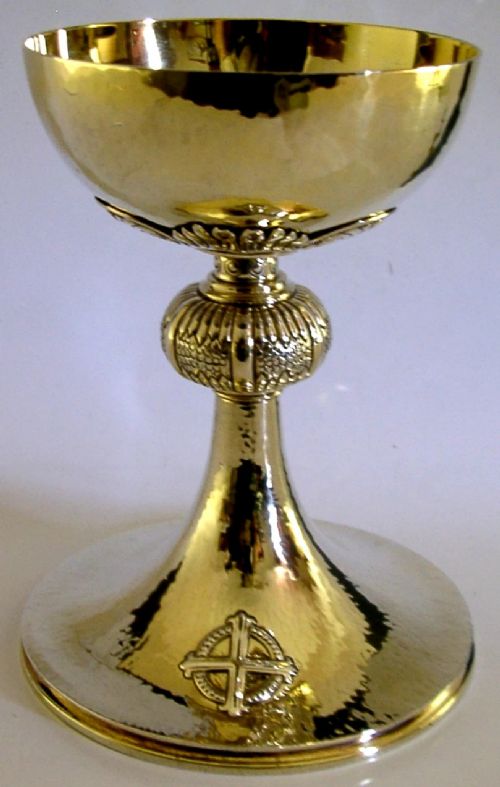
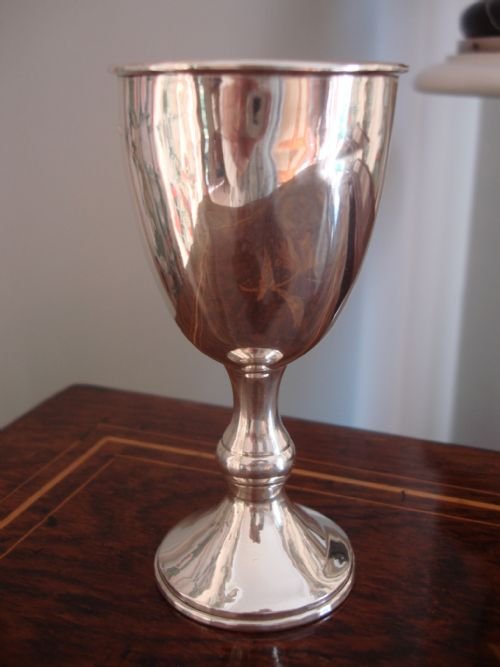
Vintage communion chalices encompass a range of sacred drinking vessels, church plate, and related ceremonial items produced across multiple centuries. When searching for vintage communion chalices, collectors encounter forms that span from formal church chalices and loving cups to domestic Kiddush cups and French gold charms.
The pieces appearing on this page demonstrate the broad chronological spread of these objects. Examples range from eighteenth-century and Georgian silver vessels to Victorian, Edwardian, and mid-twentieth-century designs.
Alongside traditional sacramental chalices, the category includes related secular and devotional forms such as turned walnut goblets, wine goblets, and first communion pendants. This variety reflects the overlapping traditions of ecclesiastical metalwork and personal devotional jewellery.
How vintage communion chalices were made
The materials recorded across these listings demonstrate a reliance on precious metals and durable base metals plated for liturgical use. Sterling silver, gold gilt, silver gilt, and high-carat gold feature prominently alongside copper, Sheffield plate, and turned walnut.
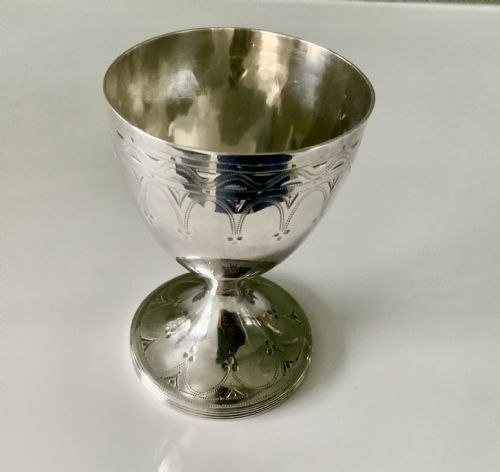
Techniques range from traditional silversmithing and bright-cut engraving to specialised plating methods such as Old Sheffield plate. Artisans also worked with fine casting and delicate detailing, as seen in miniature gold charms inset with pearls.
Vintage Communion Chalices Retail Price Guide 2026
Typical asking prices for vintage communion chalices among the pieces listed under this phrase on Sellingantiques today, from the lower quarter to the upper quarter. They describe what is for sale here now, not the wider market.
Materials represented across the inventory include sterling silver, Sheffield plate, gold gilt, copper, and turned walnut.
What varies in quality
Quality in these vessels rests upon the integrity of the metalwork, the depth of the gilding, and the crispness of any engraved decoration. Heavier gauges of sterling silver and substantial Old Sheffield plate impart a physical gravity appropriate to sacred ceremony.
The distinction between standard domestic drinkware and church plate lies in the ambition of the design and the purity of the materials. Pieces enhanced with silver gilt, gold gilt, or intricate bright-cut work represent the upper tier of production.
The Vintage Communion Chalices Glossary
- Chalice
- A large cup or goblet used for drinking wine during religious services. These vessels typically feature a distinct stem and a wide base.
- Sheffield plate
- An early form of composite metal made by fusing a thin sheet of silver to a thicker copper base. This technique produced durable tableware before the invention of electroplating.
- Silver gilt
- Silver objects that have been coated with a thin layer of gold on the interior or exterior surfaces. This finish protected the metal from tarnishing and added visual splendour.
- Bright-cut engraving
- A surface decoration technique using faceted cuts that reflect light from various angles. It was widely utilised on Georgian and Victorian silver.
- Kiddush cup
- A ritual goblet used to bless wine on the Sabbath and Jewish holidays. They share a similar form to many historic wine goblets.
Vintage Communion Chalices: Frequently Asked Questions
What are vintage communion chalices made of?
The listings show that these vessels were predominantly fashioned from sterling silver, silver plate, Old Sheffield plate, and copper. Many examples also feature gold gilt or silver gilt surfaces to enhance their appearance.
Non-metal materials also appear within the wider category. Selected items utilise turned walnut or precious 18-carat yellow and rose gold combined with pearls for smaller devotional items.
How were church chalices used historically?
These vessels served a central role in Christian liturgical services for holding and distributing sacramental wine. Their formal architecture and precious materials reflected the solemnity of the ritual.
Over time, many of these pieces transitioned from active ecclesiastical settings into private collections. Similar forms were also adapted for domestic commemorative use, such as loving cups and secular wine goblets.
How do I date an antique chalice?
Dating relies on examining hallmarks, style periods, and manufacturing techniques recorded in each piece. Pieces range from the eighteenth century through the Georgian, Victorian, and Edwardian eras up to the mid-twentieth century.
Stylistic shifts, such as the transition from Georgian bright-cut engraving to Edwardian proportions, help narrow down the period of manufacture. Assay office marks on silver items provide further chronological precision.
Are all these items meant for church use?
While many pieces originate from ecclesiastical environments, the category encompasses related domestic and personal items. Wine goblets, loving cups, and Kiddush cups served secular or household ceremonial functions.
Smaller devotional pieces, such as French first communion pendants and gold charm medals, were worn or kept as personal mementos rather than utilised on an altar.