


Vintage Collector Storage Chest
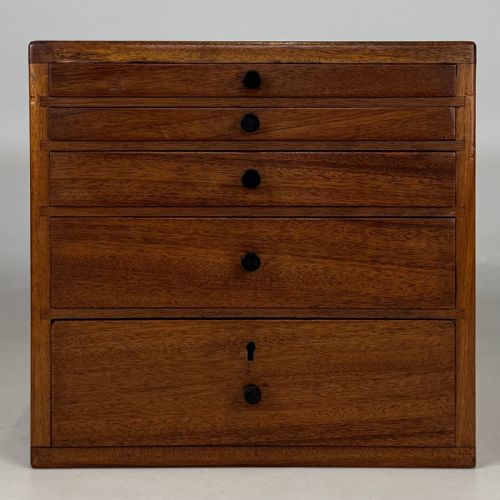
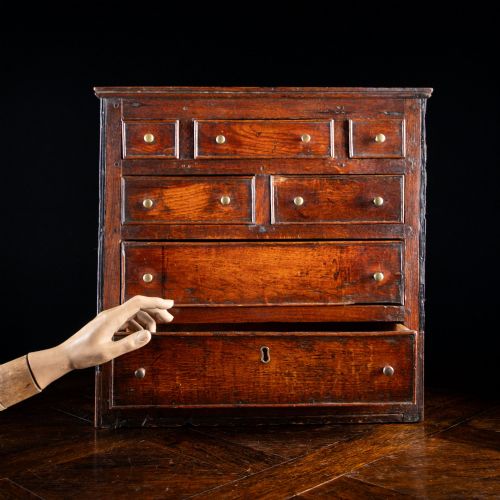
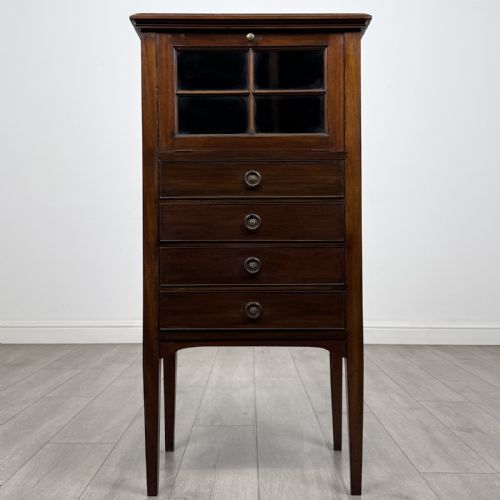
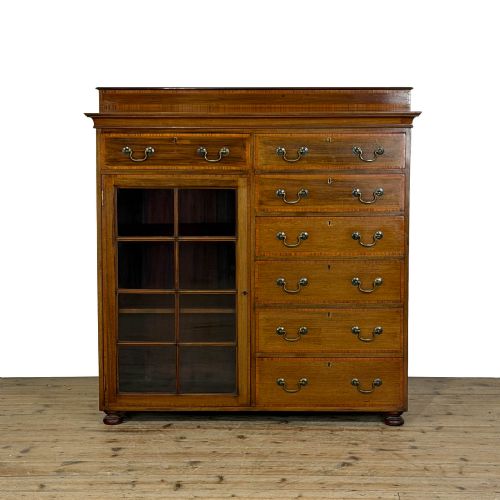
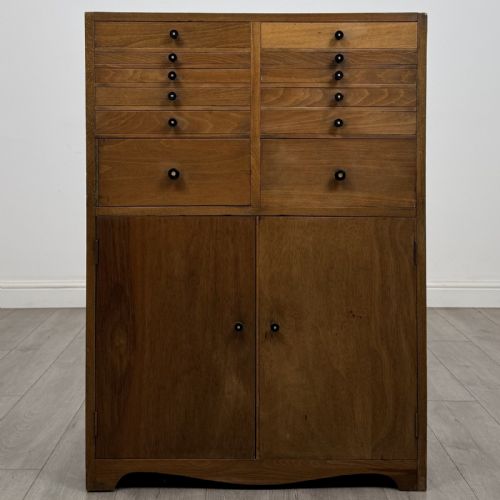
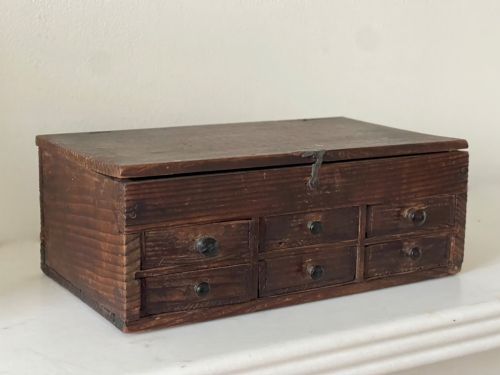
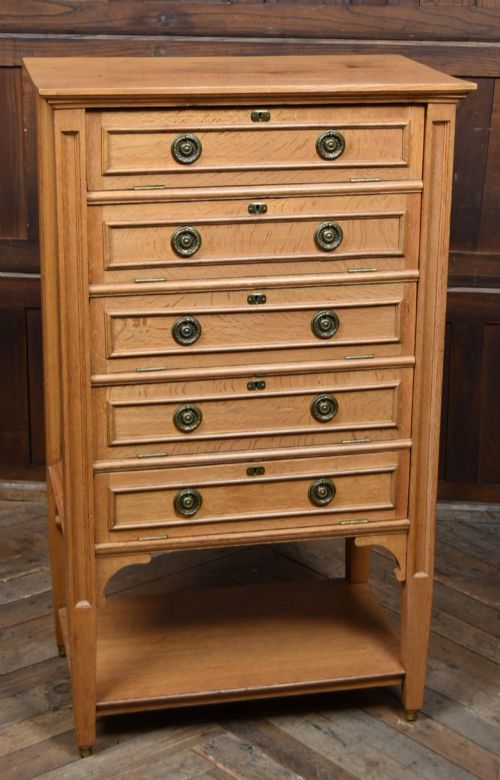
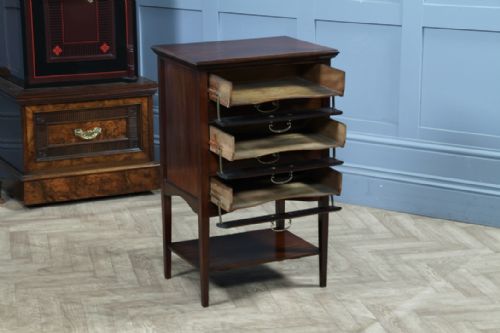
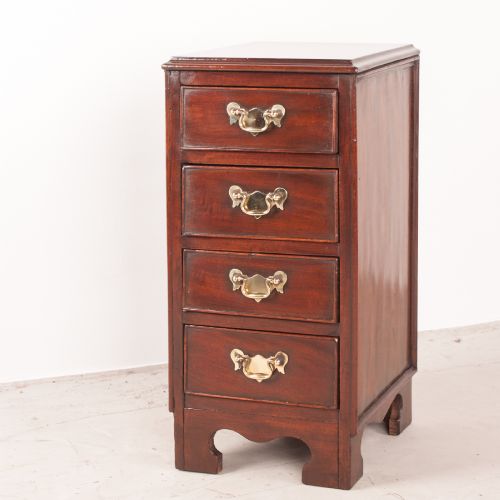
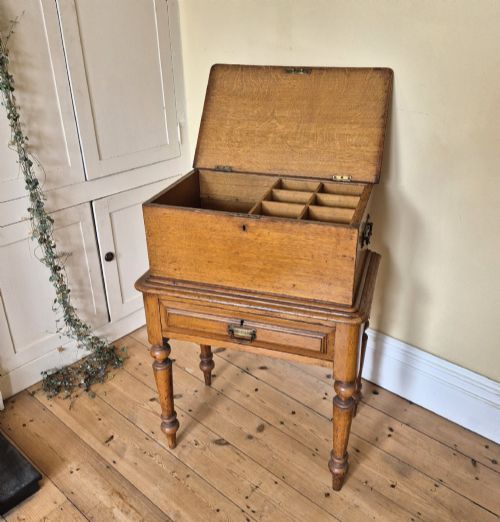
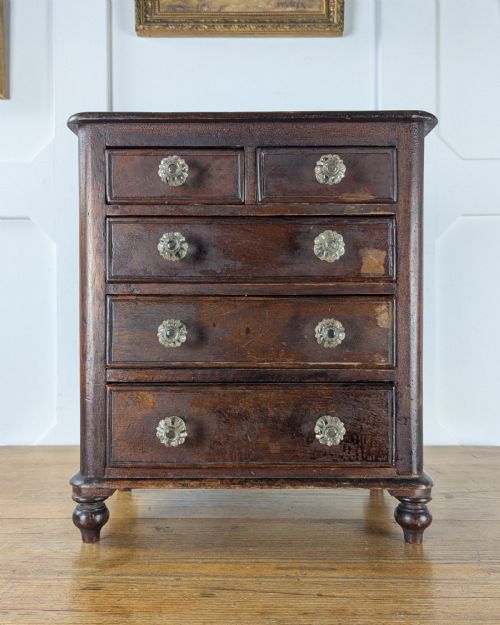
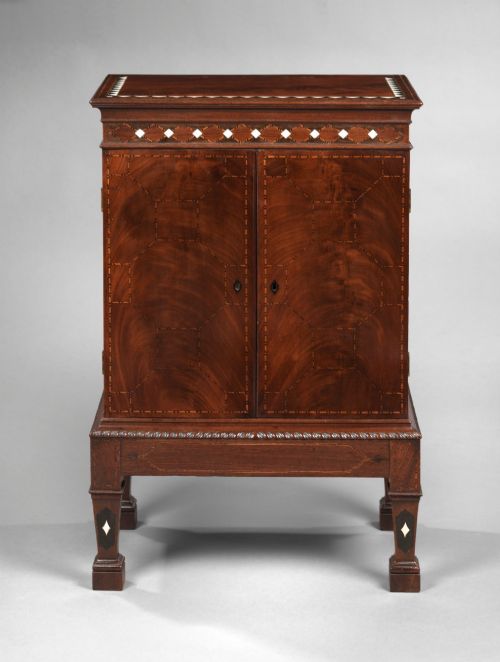
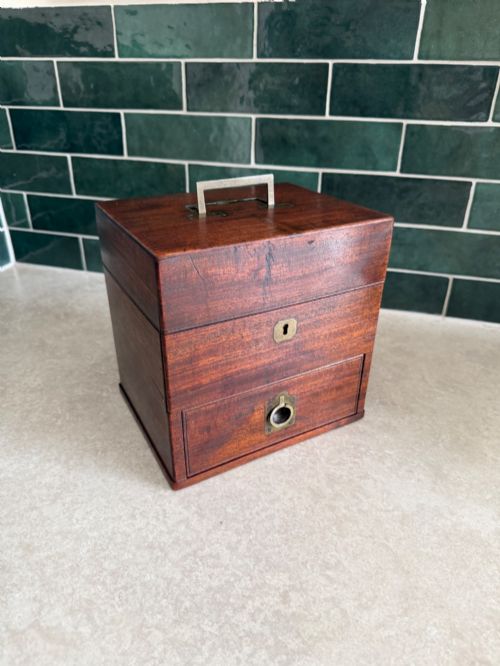
These vintage collector storage chests offer practical multi-drawer capacity tailored for small objects.
Vintage Collector Storage Chest
A vintage collector storage chest serves as a multi-drawer container designed for sorting small items, ranging from medical supplies to watch parts and natural specimens. When searching for a vintage collector storage chest, buyers encounter utilitarian forms including banks of drawers, apothecary cabinets, and dental units.
The selection spans periods from the nineteenth century through the early twentieth century, taking shapes such as tabletop chests, tall filing cabinets, and miniature apprentice pieces. Materials vary from dense hardwoods like mahogany and oak to softer pine, reflecting trades from watchmaking to apothecary work.
How they were made
Cabinet makers built these storage units primarily using solid timbers like mahogany, oak, and pine, occasionally incorporating fruitwood or walnut for specific items. Joinery relied on traditional drawer construction, often featuring brass pull handles, shell pulls, and integrated label holders.
Surface treatments range from milk glass linings in dental cabinets to brass inlays on campaign styles and stained finishes on pine specimen cases. Structural details include raised galleries, drop-front mechanisms, and turned feet depending on the trade the chest originally served.
Vintage Collector Storage Chest Retail Price Guide 2026
Typical asking prices for vintage collector storage chest among the pieces listed under this phrase on Sellingantiques today, from the lower quarter to the upper quarter. They describe what is for sale here now, not the wider market.
Listings include items spanning the Victorian era through the 1930s, constructed from mahogany, oak, and pine.
What varies in quality
Quality differences stem from the scale of the drawer configuration and the fidelity of surviving original hardware such as brass handles and label holders. Multi-drawer units intended for microscope slides or extensive collections display finer internal divisions and more substantial timber density.
The distinction between standard office filing furniture and specialised tradesman pieces like watchmaker boxes or apothecary chests lies in the precision of the internal compartments and the utilisation of superior woods like solid mahogany.
Luxmore's of Ilfracombe·D Napier & Sons·Brady of Edmonton·Manoah Rhodes & Sons Ltd
The Vintage Collector Storage Chest Glossary
- Bank of drawers
- A multi-tiered set of small drawers utilised for commercial or trade storage. These units contain numerous compartments for efficient sorting.
- Apothecary chest
- A cabinet featuring multiple small drawers originally designed for holding medicines and herbs. Pharmacy storage pieces often include original glass or porcelain labelling.
- Campaign style
- Portable furniture built with brass corners and flush handles designed for travel. These items incorporate sturdy timbers to withstand movement.
- Specimen cabinet
- A storage unit constructed with shallow drawers intended for holding natural history collections. These cases protect delicate samples behind tightly fitted drawer fronts.
- Wellington chest
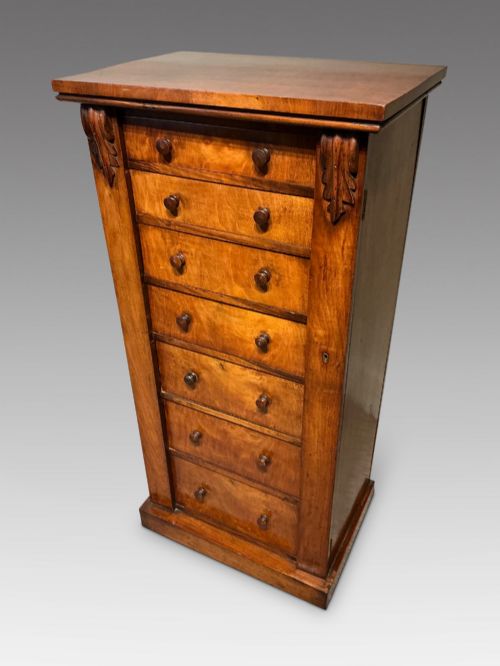
- A tall vertical chest of drawers secured by a hinged locking stile on one side. This design locks all drawers simultaneously with a single padlock.
Vintage Collector Storage Chest: Frequently Asked Questions
What were apothecary chests used for?
Apothecary chests stored medicinal ingredients, dried herbs, and chemical compounds in separate compartments.
Chemists and pharmacists utilised the numerous small drawers to keep substances organised and accessible behind a secure counter.
How do I identify a watchmaker cabinet?
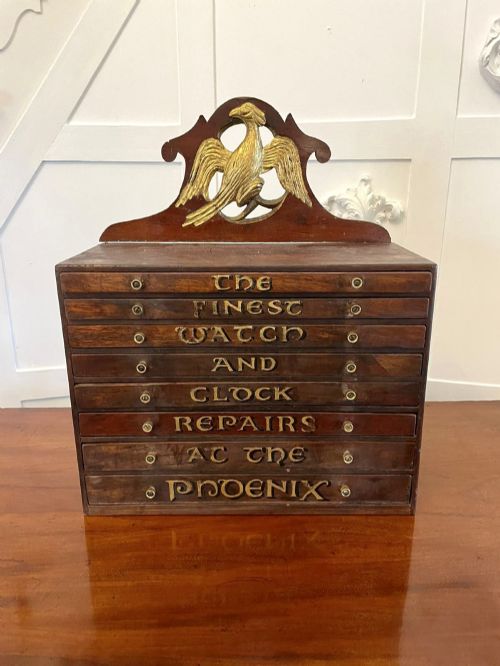
Watchmaker cabinets feature very shallow, numerous drawers designed to hold tiny cogs, springs, and watch repair tools.
These compact chests often incorporate specialised labelling or brass pulls suited to precision trade work.
What timber was used for Victorian cabinets?
Cabinet makers predominantly utilised solid mahogany and oak for substantial storage units, alongside pine for utility pieces.
Finer specimen and collector chests favoured dense hardwoods that resisted warping and protected the contents.
Where can I place a multi-drawer chest?
Tabletop and floor-standing collector chests fit onto sideboards, desks, or open floor spaces depending on their scale.
Their narrow drawer profiles make them practical for sorting stationery, craft supplies, or small collections in a modern room.