

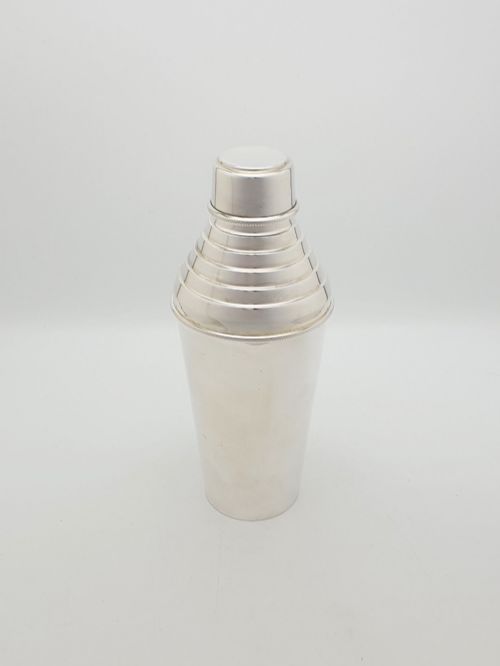


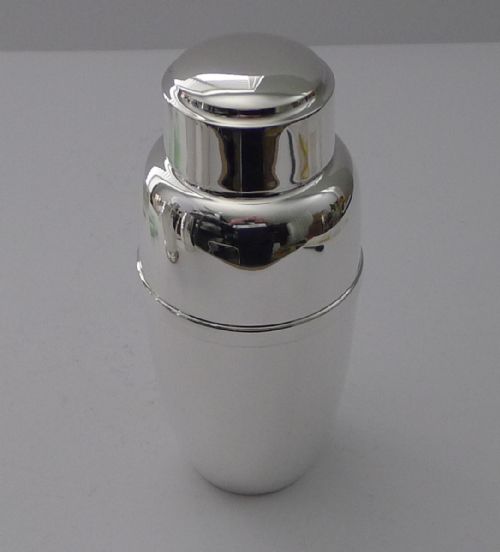


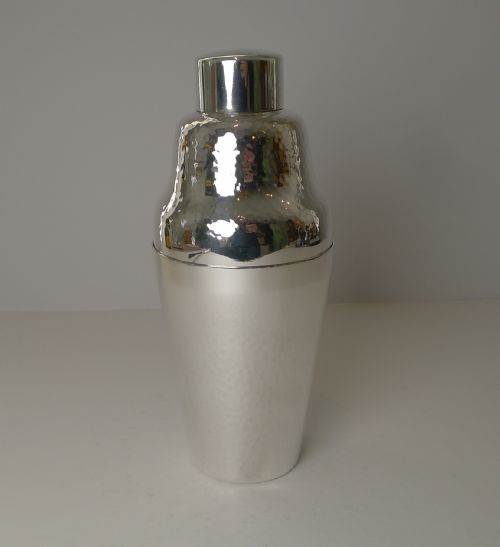


Vintage Cobbler Cocktail Shaker
These vintage cobbler cocktail shaker pieces bring mid-century barware elegance to your home, combining functional design with striking geometric forms.
Vintage Cobbler Cocktail Shaker
A vintage cobbler cocktail shaker represents a classic three-piece barware vessel designed for mixing and straining drinks efficiently. When searching for this specific phrase, collectors frequently encounter elegant designs spanning the 1920s through the 1960s. The most prevalent versions seen here are sterling examples of Art Deco and Mid-Century Modern styling.
Most examples originate from British, French, Swiss, and German makers, showcasing international variations in form. These barware pieces often range in capacity, including larger formats holding generous amounts alongside integral lemon squeezers. Their distinct shapes reflect the sophisticated cocktail culture of the twentieth century.
What Varies In Quality
Quality differences emerge in the precision of the fit between the three components, separating superior vessels from ordinary ones. Well-made examples ensure a secure seal during vigorous shaking while allowing smooth removal of the cap.
The weight of the base metal and the thickness of the silver plating dictate the substance and longevity of the piece. Master silversmiths and renowned firms maintained strict standards for wall thickness and mechanical integration, such as built-in citrus juicers.
Vintage Cobbler Cocktail Shaker Retail Price Guide 2026
Typical asking prices for vintage cobbler cocktail shaker among the pieces listed under this phrase on Sellingantiques today, from the lower quarter to the upper quarter. They describe what is for sale here now, not the wider market.
Several examples include built-in lemon squeezers integrated directly into the strainer lid design.
Hukin and Heath·J. B. Chatterley & Sons·C S Green & Co.·Adie Brothers·Gaskell & Chambers·William Suckling Ltd.·Mappin & Webb·Carl Deffner·Lutz & Weiss
The Vintage Cobbler Cocktail Shaker Glossary
- Cobbler shaker
- A three-piece cocktail mixing vessel comprising a main body, a built-in strainer lid, and a cap. This configuration remains the standard for home and professional mixing.
- Electroplated nickel silver
- A base metal alloy of copper, nickel, and zinc coated with a layer of pure silver. This material provided a brilliant metallic lustre at a more accessible cost than solid silver.
- Engine turned
- A decorative technique involving precise geometric patterns engraved into metal by a specialised lathe. It creates a textured, light-reflecting surface popular on luxury items.
- EPNS
- An abbreviation for electroplated nickel silver, commonly stamped as a mark on silver-plated wares. It indicates the underlying metallic composition of the piece.
- Art Deco
- A design movement prevalent in the 1920s and 1930s characterised by sleek lines, geometric symmetry, and modern industrial materials. It strongly influences the silhouettes of these shakers.
Vintage Cobbler Cocktail Shaker: Frequently Asked Questions
How do I use a vintage cobbler shaker?
Fill the main body with spirits, ice, and mixers, then secure the strainer lid and cap firmly before shaking. Strain the chilled drink directly into your glass through the built-in perforated top.
Ensure you hold both the body and the cap securely while mixing to prevent leaks. After pouring, rinse the components promptly to preserve the silver-plated finish.
How do I identify an Art Deco cocktail shaker?
Look for crisp geometric lines, stepped motifs, and engine-turned surface patterns that define the aesthetic of the 1930s. Many examples incorporate streamlined silhouettes and functional additions like integral lemon squeezers.
Maker marks stamped on the base often point to British or European silversmiths from the period. These stylistic cues distinguish genuine 20th-century pieces from later reproductions.
Can I still make drinks with these shakers?
These vintage vessels function effectively for preparing cocktails just as they did decades ago. The tight-fitting metal components allow you to chill and aerate ingredients efficiently.
Hand washing is essential to protect the delicate silver-plated surfaces from modern detergents. Treat the vintage metal with care to maintain its polished appearance on your bar cart.
What does EPNS mean on the bottom?
The letters stand for electroplated nickel silver, denoting the metallic base beneath the silver coating. This mark assures you that the vessel uses a durable alloy core.
Most quality barware from the 1930s and 1940s utilised this method to combine structural strength with a bright finish. It represents a standard manufacturing practice of the era.