



Vintage Coat Robe
These vintage coat robe selections span sturdy wooden hall furniture and richly patterned Central Asian garments.
Vintage Coat Robe
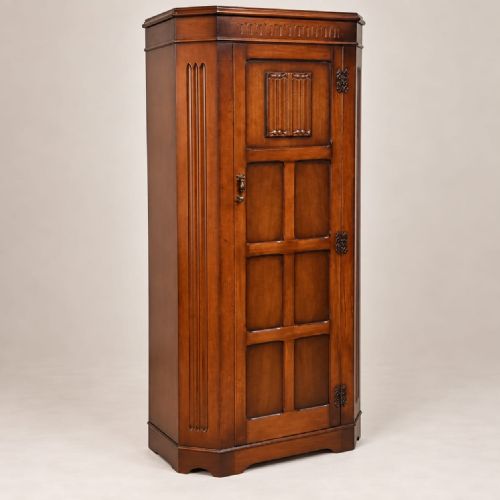
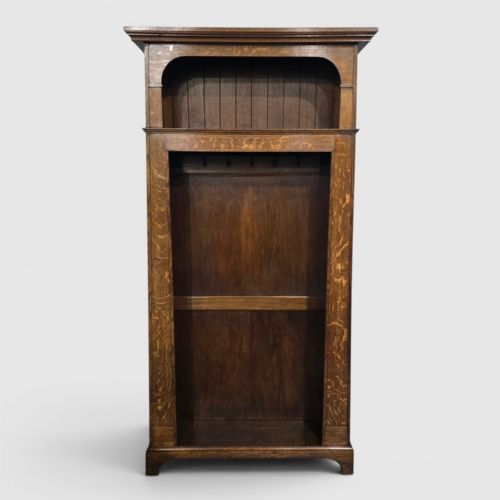
When you search for a vintage coat robe, you encounter a fascinating split between large hall furniture designed for domestic entryways and textile items intended to be worn. The furniture pieces generally take the form of oak hall wardrobes, hanging hall robes, and carved stands originating around nineteen hundred to nineteen twenty.
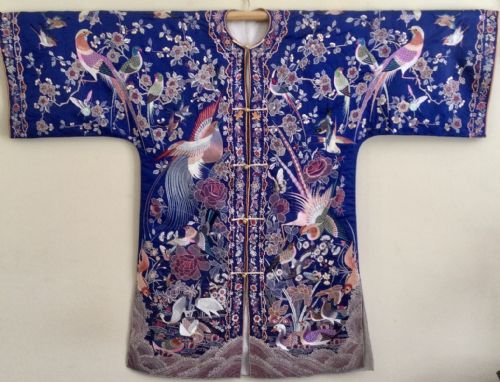
Alternatively, the textile selections comprise Central Asian garments such as silk ikat khalat coats, chapan robes, and embroidered ladies coats from the nineteenth century. These varied objects serve entirely different domestic and sartorial functions while sharing the same descriptive marketplace grouping.
Materials and construction methods
The wooden furniture items utilise solid oak, elm, and hardwood timbers, often displaying carved details, linen fold doors, and brass fittings. These pieces rely on traditional joinery techniques suited to heavy daily use in hallways and entrance spaces.
The textile items incorporate silk, cotton, wool, and metal thread, frequently featuring quilted and padded construction for winter use. Embroidered elements and ikat dyeing techniques define the visual character of these wearable garments.
Some nineteenth century coats were heavily quilted and padded purely to survive bitter winter winds on the Central Asian steppe.
Assessing craftsmanship and condition
Quality in the wooden hall furniture is determined by the crispness of the carving, the selection of timber such as solid oak, and the integrity of the structural joinery. Finer examples display careful attention to functional hardware like brass hooks and panelled doors.
In the textile pieces, the distinction lies in the complexity of the silk ikat patterns, the density of the embroidery, and the preservation of the delicate threads and padding. Original lining fabrics and clean dye work separate the finer ethnographic garments from simpler items.
The Vintage Coat Robe Glossary
- Khalat
- A long, loose robe or coat worn traditionally in Central Asia. These garments often feature vibrant silk ikat patterns and quilted padding.
- Chapan
- A traditional quilted outer robe worn over other clothing in Central Asia. They are typically fashioned from silk or cotton with distinct patterned designs.
- Linen fold
- A carved wooden panel motif imitating folded linen cloth. This decorative feature frequently appears on the doors of early twentieth century oak hall robes.
- Ikat
- A dyeing technique used to pattern textiles employing resist dyeing on yarns prior to dyeing and weaving the fabric. This method creates characteristic feathered edge patterns on silk coats.
Vintage Coat Robe: Frequently Asked Questions
What is a vintage coat robe?
The term covers both substantial hallway storage furniture like oak wardrobes and traditional wearable garments from Central Asia.
Buyers searching this phrase find a mix of wooden entrance furniture and historic silk textiles.
How were hall robes used?
Hall robes and stands provided guests and family members with a designated place to hang heavy coats and hats upon entering a home.
They kept everyday outerwear organised and out of main living spaces.
How do I care for silk coats?
Historic silk garments require careful storage away from direct sunlight to protect delicate natural fibres and vibrant dyes.
Gentle handling preserves the quilted padding and embroidered details of nineteenth century textiles.
Where do ikat coats originate?
Many of these traditional garments originate from regions such as Bukhara and Samarkand in Central Asia.
Local artisans produced these coats using specialised dyeing and weaving traditions.