
Vintage Coat Rack Hooks
Vintage coat rack hooks are functional brass, iron and ceramic pieces mounted on timber boards to organise hallways with period character.
Vintage Coat Rack Hooks
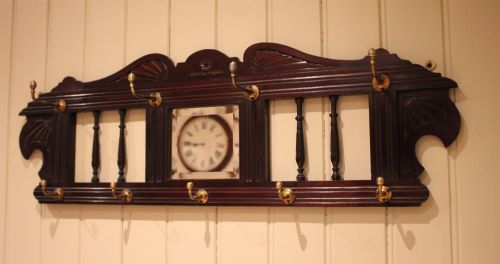
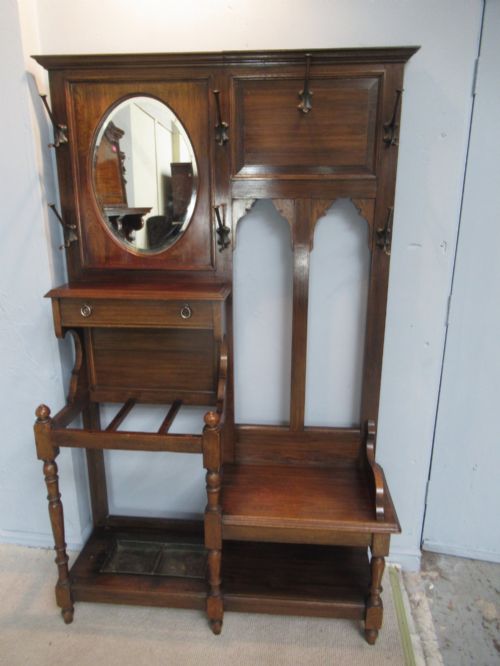
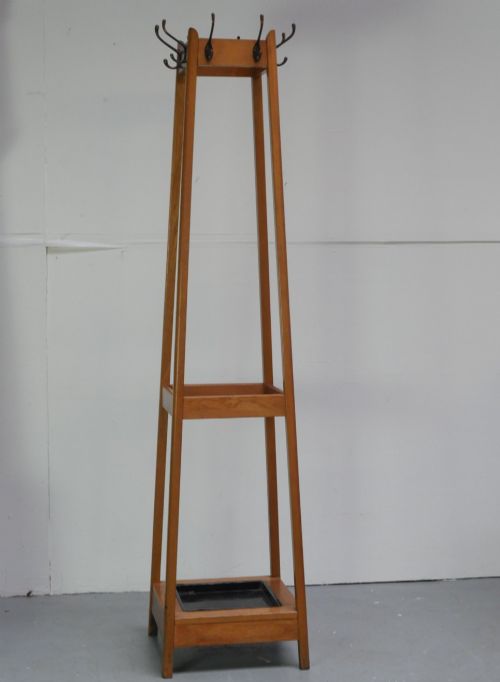
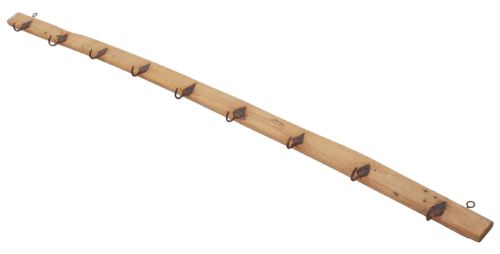
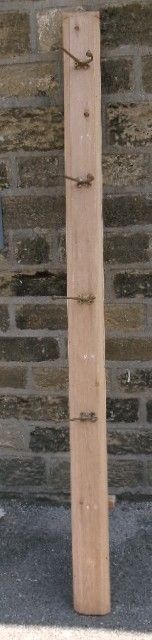
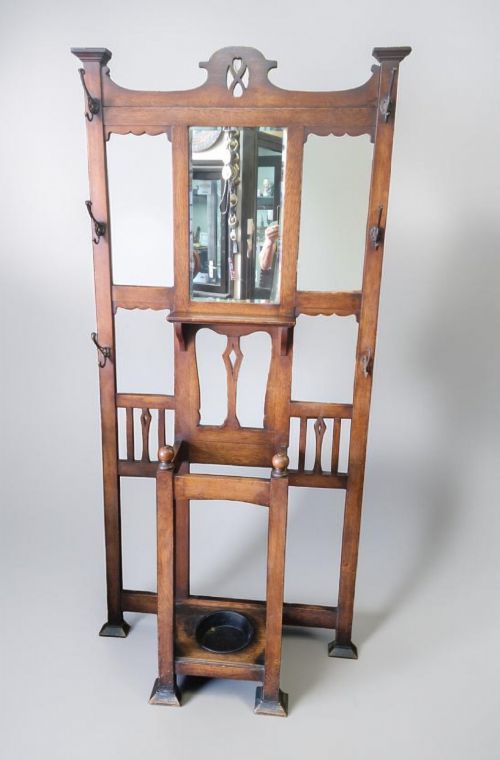
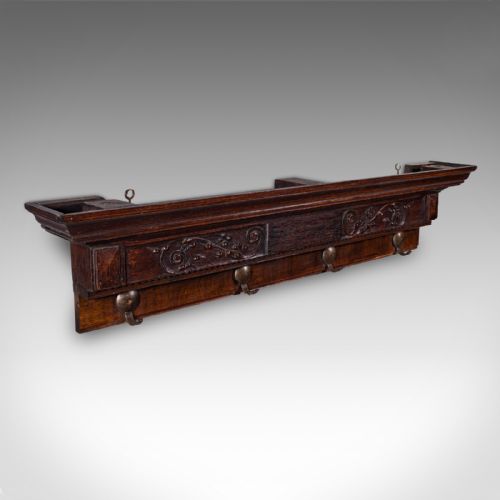
Vintage coat rack hooks encompass individual hooks mounted on wooden backboards as well as larger hall stands and wall racks designed for domestic entryways. When you search for vintage coat rack hooks, you encounter everything from single pairs of Victorian brass and ceramic fixtures to five-foot lengths of French Art Deco metalwork.
The pieces on this page span several decades from the nineteenth century through the interwar years, reflecting changing domestic habits in hallways and cloakrooms. Oak, mahogany and ebonised wood frequently serve as the mounting backboards for sturdy metal hardware.
You will notice distinct stylistic movements represented, ranging from ornate Victorian country house stags horn designs to clean-lined Art Deco wrought iron and nickel-plated options. Each form served a practical purpose in receiving coats, hats, umbrellas and tack upon entering the home.
Materials and construction methods
Construction relies heavily on durable hardwoods such as oak, mahogany, walnut and pine, which provide a stable foundation for heavy metal hardware. Backboards are often shaped, chamfered or ebonised to elevate the visual appeal of an otherwise utilitarian item.
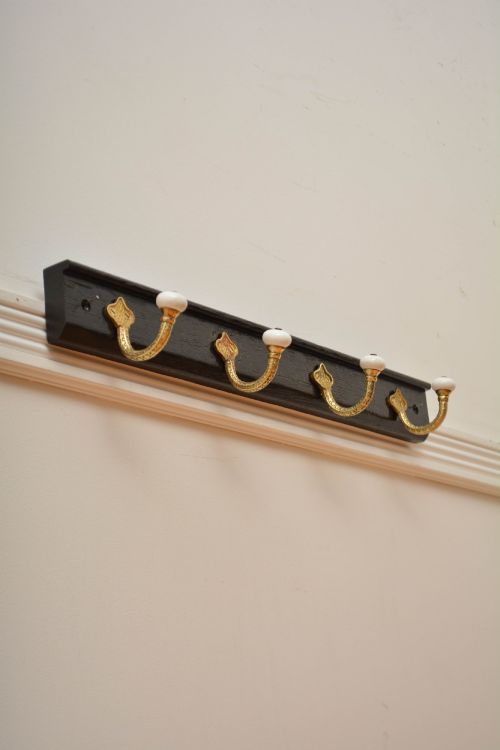
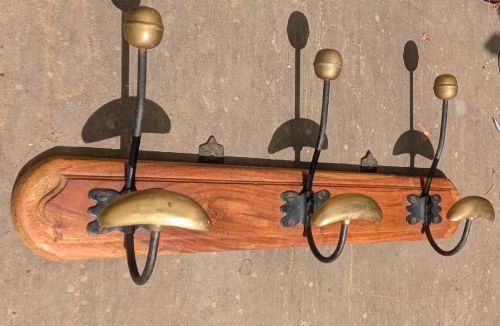
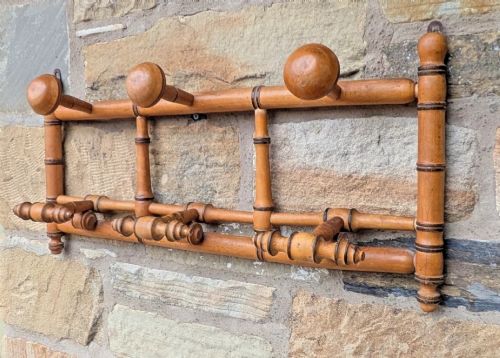
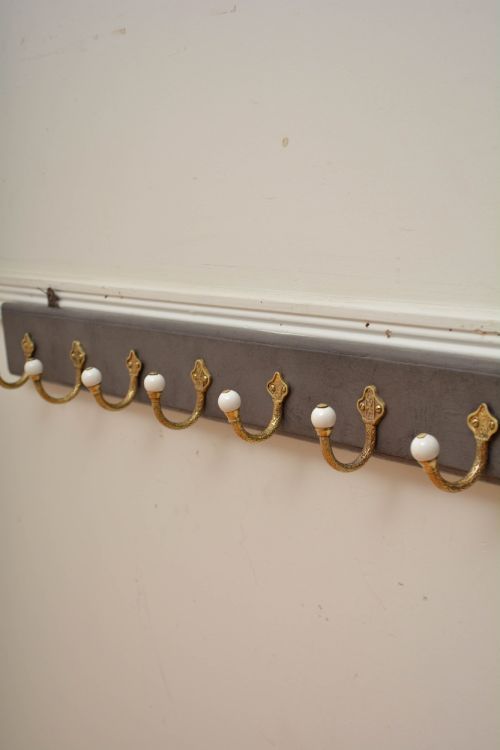
Metal components utilise cast brass, iron, chrome and nickel, frequently paired with white ceramic inserts on the hook tips to prevent garments from snagging. Specialised variations incorporate organic materials like horn or feature faux bamboo woodworking techniques.
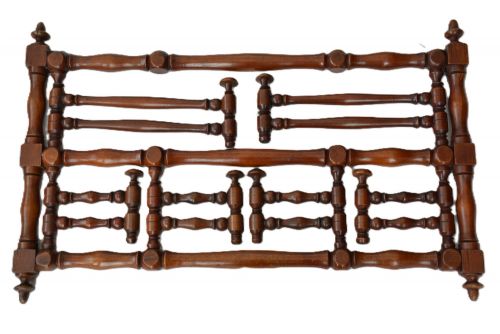
Mounting plates and screw fixings were engineered to bear the substantial weight of heavy winter garments, umbrellas and hats. Joinery ranges from simple Rebated backboards to turned wooden pegs and extending accordion frameworks.
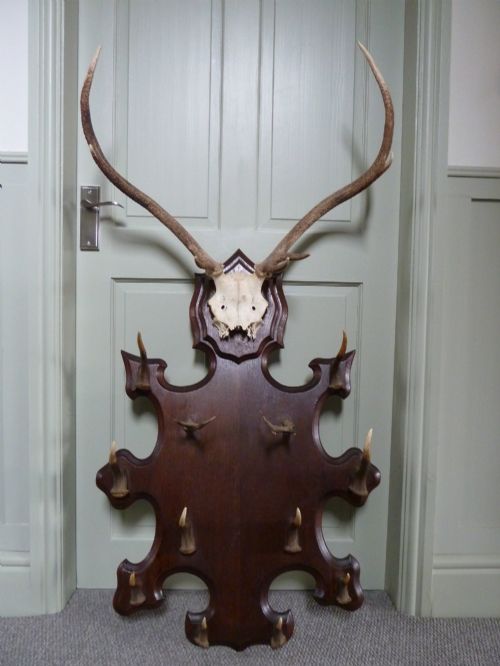
Stags horn hooks brought the rugged atmosphere of the nineteenth-century country house straight into the morning hallway.
Assessing quality and manufacture
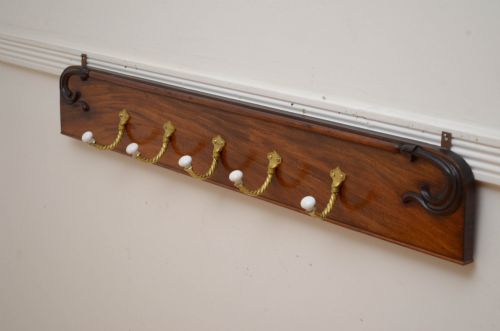
Quality rests in the substantial weight of the metal casting and the integrity of the supporting timber backboard. Superior examples feature deeply cast brass mounting plates, robust ceramic elements, and dense hardwoods like golden oak or solid mahogany rather than lighter softwoods.
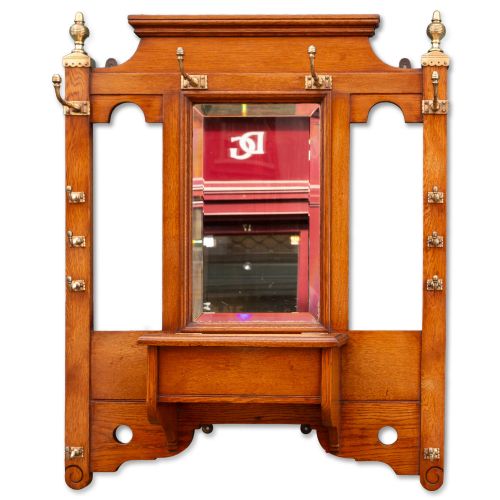
The harmony between the hooks and the mounting board indicates thoughtful assembly, with period-correct screws and well-matched timber grain. Finer pieces display refined detailing such as twisted rope carvings, Aesthetic Movement brasswork, or integrated mirror plates.
Durability remains paramount, demonstrated by rigid joints in extending racks and firmly seated hooks that show no lateral movement. The presence of makers' marks or specific regional casting styles further distinguishes exceptional specimens from standard utility wares.
Jas. Shoolbred
The Vintage Coat Rack Hooks Glossary
- Ebonised
- Wood treated with a dark finish to imitate ebony. This technique was popular in Victorian and turn-of-the-century joinery to create high-contrast highlights against polished brass.
- Hall Stand
- A larger piece of furniture combining coat hooks, umbrella wells and frequently a central mirror. These dominated grand Victorian and Edwardian entrance halls.
- Aesthetic Movement
- A late nineteenth-century design current prioritising visual beauty over narrative function. Pieces from this era often showcase refined brass and mahogany combinations.
- Portmanteau
- A heavy French entryway piece functioning as a combined coat rack, hat stand and umbrella holder. They are typically cast in robust brass.
Vintage Coat Rack Hooks: Frequently Asked Questions
How do I mount a heavy coat rack securely?
Heavy racks require direct attachment to wall studs or the use of appropriate cavity wall fixings suited to the weight of the timber and metal.
Distributing the load across multiple pre-drilled fixing holes ensures the board can support wet winter coats and umbrellas safely.
Were these hooks originally used in homes?
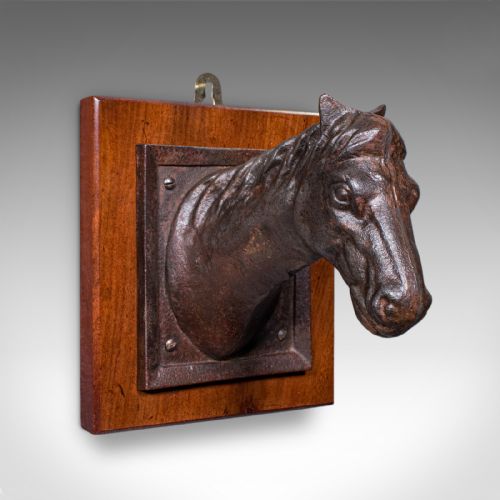
These fixtures served utilitarian roles in domestic reception halls, cloakrooms, kitchens and estate boot rooms. They accommodated everyday garments, riding tack, and hats for family members and visitors alike.
Industrial and institutional variants also exist, designed for heavy daily service in offices or reception valets.
How do I clean antique brass and ceramic hooks?
Gentle dusting with a dry cloth preserves the aged patina on unlacquered brass components. Avoid abrasive metal polishes that strip historical character from the surface.
Ceramic inserts respond well to mild soapy water applied with a soft cloth, ensuring no moisture seeps into the surrounding timber.
How can I tell a Victorian rack from an Edwardian one?
Victorian pieces tend to feature heavier ornamentation, dark ebonised woods, and robust cast brass combined with white ceramic tips. They often lean towards Gothic or country house aesthetics.
Edwardian examples often display lighter golden oak tones, cleaner lines, and simpler structural configurations suited to more modest entranceways.