
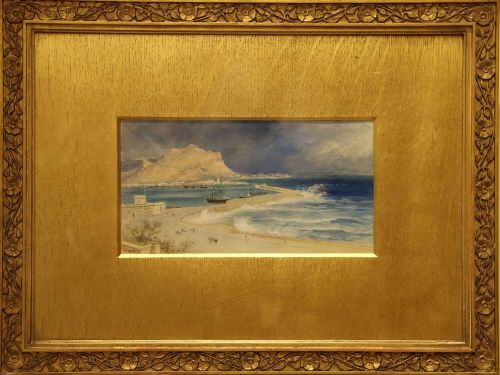
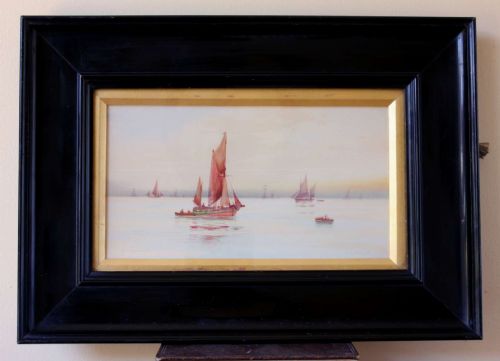
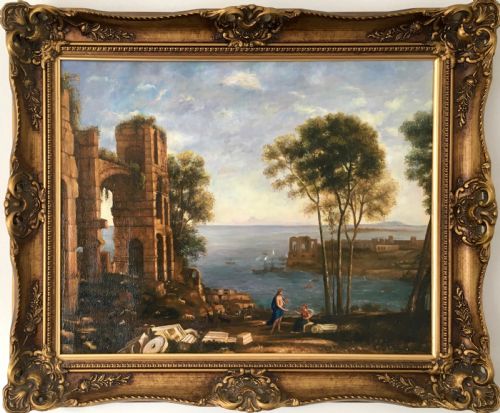
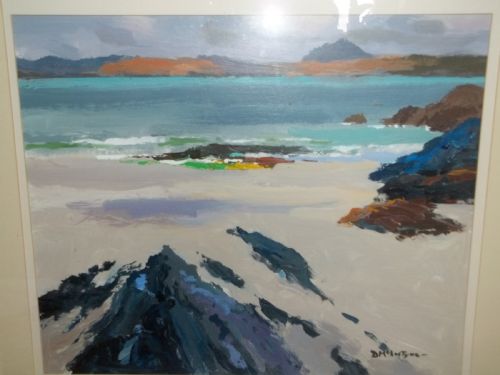



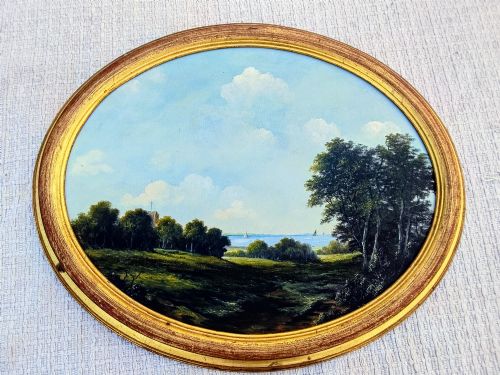
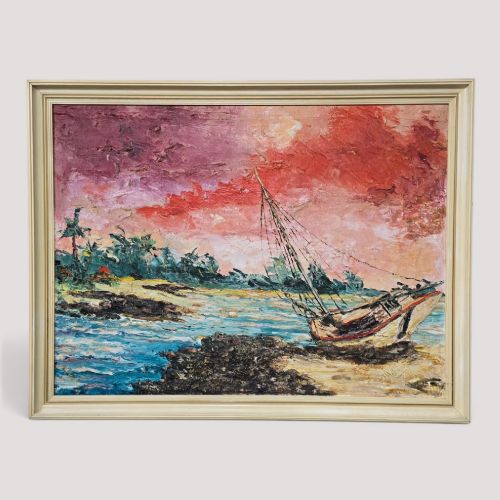
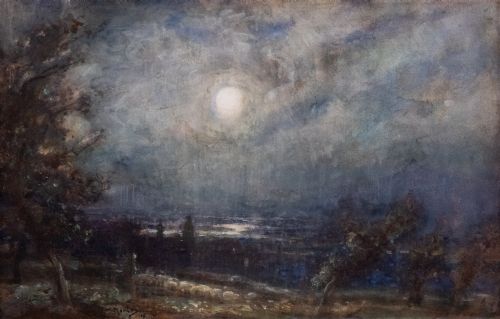
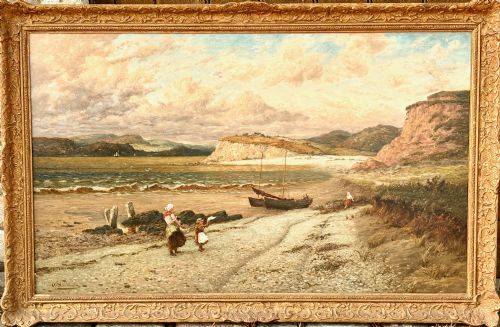
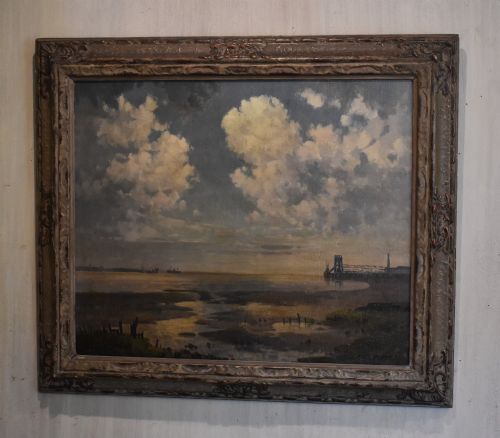
Vintage Coastal Seascape
A vintage coastal seascape captures the shifting light and salt air of shorelines through oil, watercolour, and canvas spanning multiple decades.
Vintage Coastal Seascape
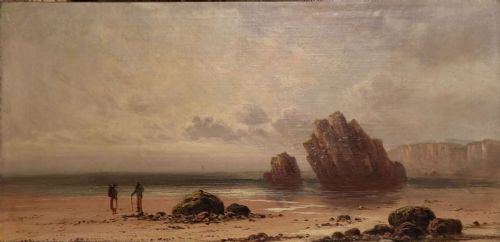
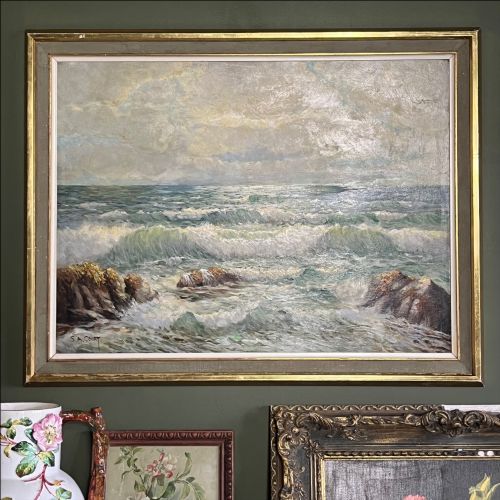
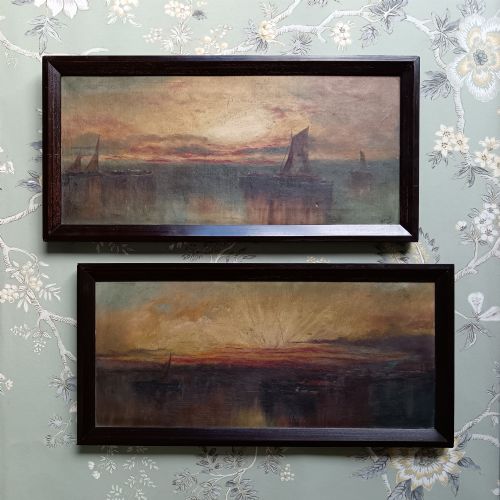
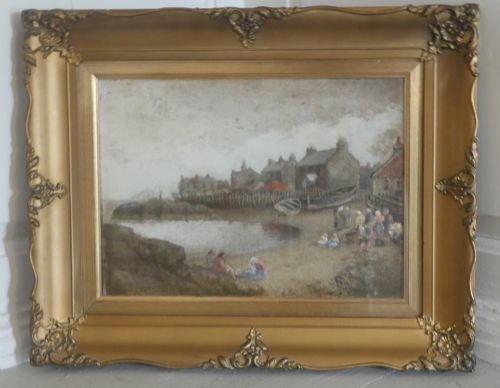
A vintage coastal seascape brings maritime views, rocky shores, and busy harbour scenes directly into domestic spaces. These works range from calm tidal inlets to dramatic open waters painted along British and continental coasts.
Buyers frequently encounter works executed on board or canvas, framed in period gilt wood or simple moulded frames. The selection spans the nineteenth century through the mid-twentieth century, capturing changing artistic movements.
Subjects often focus on specific locales such as Cornish fishing ports, chalk cliffs, and river estuaries. Painters recorded working vessels, racing yachts, and quiet coastal villages under varying atmospheric conditions.
Materials and Methods
Artists painted these marine subjects using oil paint, watercolour, and gouache applied to stretched canvas, prepared wooden board, or heavy paper. Oil paint allowed for thick impasto textures on coastal rocks, whilst watercolour suited transparent washes of sky and sea.
Supports varied from traditional linen canvas to wood panels and cardboard, often housed behind glass for watercolours or left unglazed for textured oils. Frames of gilt wood or painted pine completed the presentation of these paintings.
Listings feature works executed on canvas, wood panels, and paper using oil and watercolour mediums.
Factors of Quality
Quality rests upon the artist's handling of light, atmosphere, and maritime perspective rather than mere age. Superior examples demonstrate confident brushwork and accurate depiction of marine architecture and water movement.
The relationship between the painted surface and its original or period frame contributes significantly to the integrity of the piece. Works that retain their signed attribution and documented exhibition history hold distinct merit.
Clifford Hanney·Sidney A Court·Thomas William Morley·Clive Browne·Peter Brannan·Bernard Benedict Hemy·William Henry Williamson·John Holland·Abraham Hulk I·William Frederick Settle·Lionel Horsnell·William Edward Webb·Edward Matthew Elliott·Charles Napier Hemy·Richard Harry Carter·Louis Suire·Helen Layfield Bradley·Gustave Vidal·Gyrth Russell·Jean Baptiste Olive·Raymond Picque
The Vintage Coastal Seascape Glossary
- Impasto
- Paint applied thickly to a canvas or board, leaving visible brush or palette knife marks that catch the light. This technique frequently denotes the texture of crashing waves or rugged cliffs.
- En plein air
- Painting outdoors in direct natural light to capture immediate atmospheric effects. This method defined much of the nineteenth and twentieth century landscape work.
- Marine painting
- Artwork depicting ships, harbours, coastal views, and open water. It forms a distinct genre within traditional fine art.
- Gilt wood
- Wood covered with a thin layer of gold leaf or metallic paint used for picture frames. It adds a reflective border to oil paintings and watercolours.
Vintage Coastal Seascape: Frequently Asked Questions
How do I date a vintage coastal seascape?
Dating relies upon stylistic markers, artist signatures, framing methods, and materials like canvas or board. Victorian works often show tighter detail, whilst mid-century pieces lean towards looser impressionistic brushwork.
Examining the reverse of the canvas or the framing paper frequently reveals gallery labels, dates, or handwritten titles left by the artist.
What is the difference between oil and watercolour marines?
Oil paintings use thick pigments on canvas or board, offering rich textures and deep colours suited to dramatic seas and stormy skies. Watercolours utilise fluid washes on paper, creating luminous, transparent effects for calmer coastal light.
Watercolours require protective glass framing, whereas oil paintings on canvas remain open to the air.
Where should I hang a coastal painting?
These works suit spaces with stable temperature and humidity away from direct, harsh sunlight to protect the pigments and paper. Placing them on neutral walls allows the natural tones of the sea and sky to stand out.
Ensure heavy framed oil paintings are secured with appropriate wall fixings suited to the weight of the gilt wood.
Are these paintings signed by the artists?
Many examples feature visible signatures or monograms in the lower corners, occasionally accompanied by dates or location notes. Unsigned works still appear, attributed through stylistic analysis and recorded painting trips.
Documentation on the reverse often confirms the specific Cornish harbour or coastal cliff depicted.