

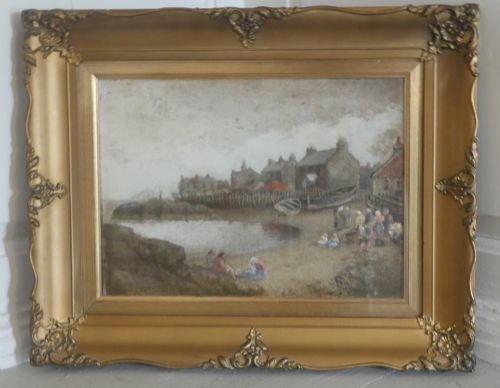
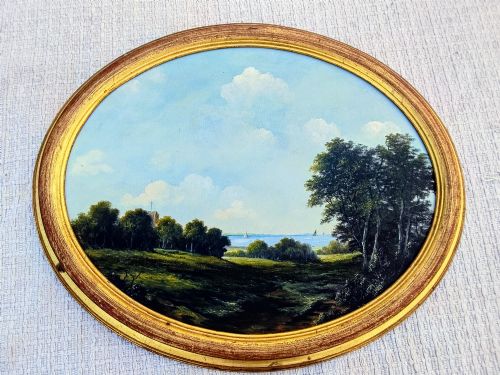
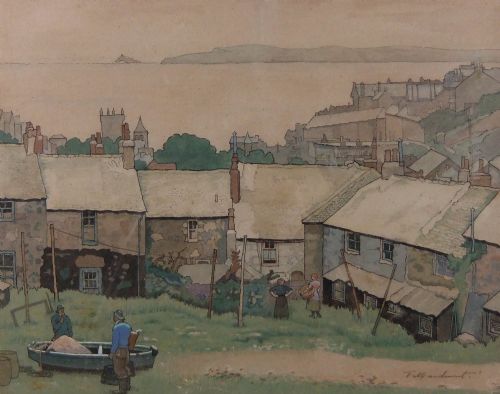
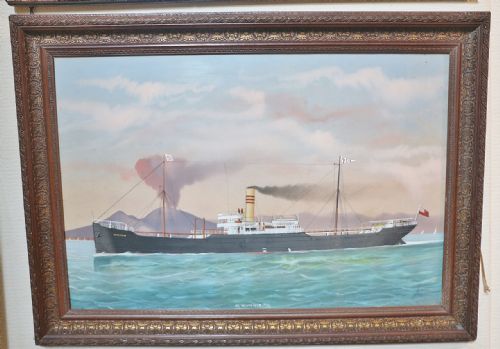


Vintage Coastal Picture
When you search for a vintage coastal picture, you seek maritime scenes, harbour views and open seas captured on canvas and paper.
Vintage Coastal Picture
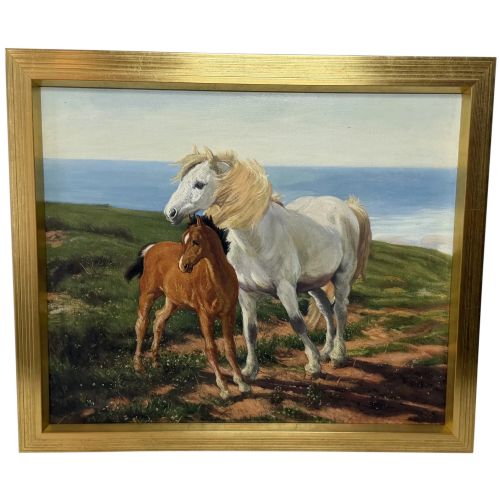
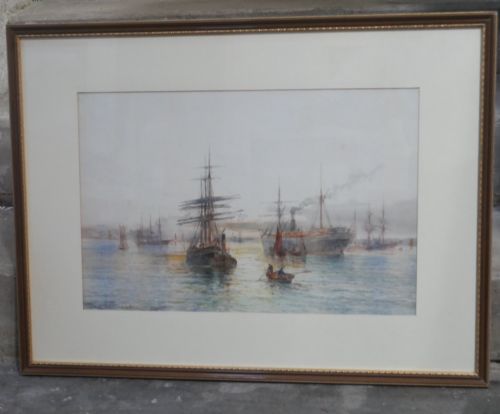
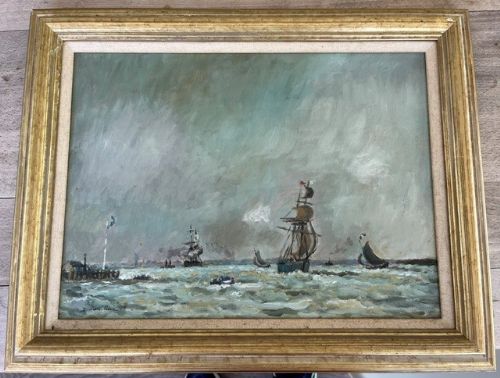
A vintage coastal picture captures maritime life, harbour scenes, and open waters across various periods from the nineteenth century through to the mid-twentieth century. You will frequently encounter works depicting British and European locations, ranging from Cornish fishing ports to Scottish inlets.
The selection encompasses diverse artistic expressions, including British Impressionism, Victorian marine art, and Edwardian realism. Mediums span delicate watercolours on paper and robust oil paintings on canvas or board.
These artworks portray historical vessels, clippers, coastal castles, and quiet dockyards, offering a glimpse into historic coastal landscapes.
Materials and technique
Artists utilised watercolour on paper for translucent, immediate impressions of light on water, often applying fine brushwork to delineate rigging and architecture. Oil paints on canvas or board allowed for richer textures, deeper layering, and luminous depictions of sky and sea.
Many of these works are preserved in their original frames, sometimes constructed from gilt wood that complements the palette of the painting. The physical support ranges from stretched canvas to wooden boards and heavy watercolour paper.
The listings span the nineteenth century, the Edwardian era, and the mid-twentieth century, utilising paper, canvas, and wood.
What varies in quality
Quality rests in the artist's command of light, atmosphere, and maritime perspective, distinguishing a fluid, observant composition from a rigid rendering. Works by recognised hands demonstrate a superior ability to capture movement in water and the specific atmospheric conditions of coastal locations.
The preservation of the medium also dictates distinction, as well-maintained watercolours retain their original paper tone and pigment vibrancy without severe fading or foxing. Original framing and clear provenance further elevate the standing of a piece.
Thomas Maidment·William Frederick Settle·Alfred George Morgan·John Bedloe Goddard·Charles Napier Hemy·Gyrth Russell·William Lee Hankey·John McDougal·Frederick William Booty·Ernest F. Hill
The Vintage Coastal Picture Glossary
- Watercolour
- A paint consisting of colour suspended in a water-soluble vehicle, typically applied to paper to create luminous washes. It allows for delicate effects of light and weather.
- Oil on canvas
- Pigments bound in an oil medium applied to a woven fabric stretched across a wooden frame. This method permits rich texture and gradual blending.
- Maritime art
- Artistic depictions that portray ships, seafaring life, coastal views, and marine environments. It encompasses both calm harbours and turbulent seas.
- Gilt wood
- Wood treated with gold leaf or a gold-coloured metallic finish, commonly used for period picture frames. It adds a decorative border that isolates the artwork from its surroundings.
Vintage Coastal Picture: Frequently Asked Questions
How do I date a coastal painting?
Dating relies on stylistic clues, framing methods, and the depicted maritime architecture or vessel types. Signatures and exhibition labels on the reverse also provide chronological markers.
Period characteristics such as the loose brushwork of mid-twentieth-century pieces or the tighter realism of Victorian watercolours help establish the era of creation.
Where should I hang a vintage maritime artwork?
These works suit spaces with stable humidity and subdued natural light to protect paper and canvas from degradation. Placing them away from direct sunlight preserves watercolour pigments and oil stability.
Consider pairing them with neutral walls that allow the tones of the sea and sky to stand out without visual competition.
How do watercolours differ from oil paintings here?
Watercolours offer a lighter, more transparent finish on paper, capturing ephemeral effects of coastal mist and changing tides. They are typically mounted behind glass for protection.
Oil paintings present heavier textures on canvas or board, utilising opaque pigments to build depth in stormy seas and clouded skies.
What subjects appear most often in these scenes?
Common subjects include bustling fishing dockyards, moored barges, sailing clippers, and quiet coastal inlets across Britain and Europe. Artists frequently recorded specific regional landmarks, such as Cornish harbours or Yorkshire cliffs.
These depictions reflect both the commercial maritime activity and the tranquil coastal scenery of their respective periods.