
Vintage Clothes Cabinet
These vintage clothes cabinets bring traditional storage into modern rooms, ranging from Georgian mahogany linen presses to Edwardian inlaid wardrobes.
Vintage Clothes Cabinet
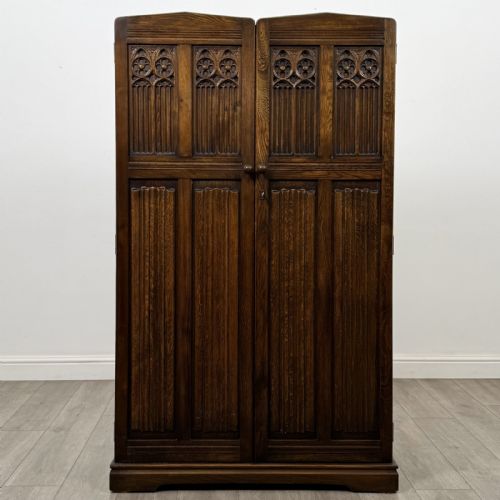
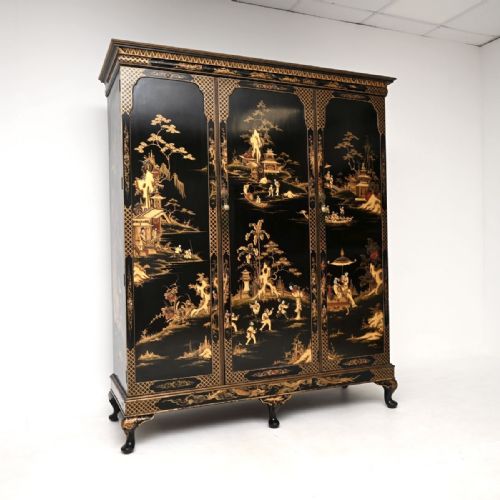
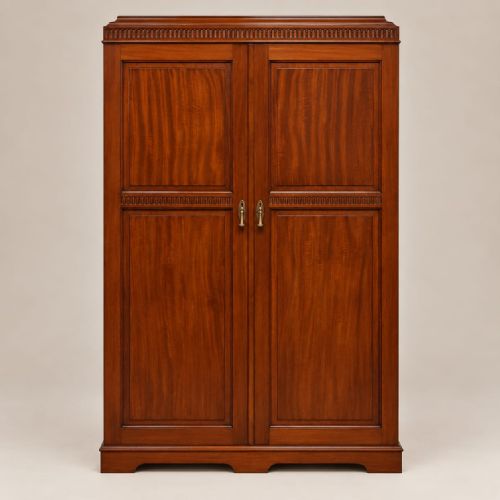
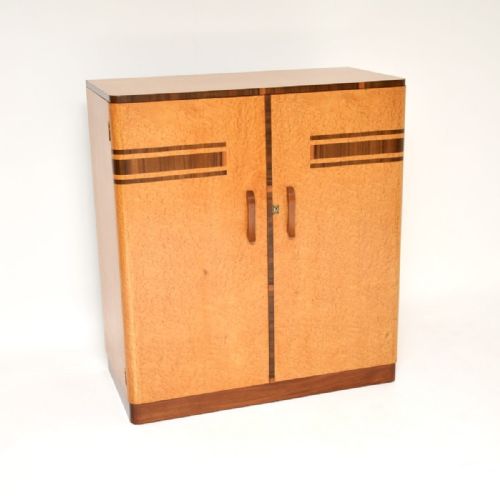
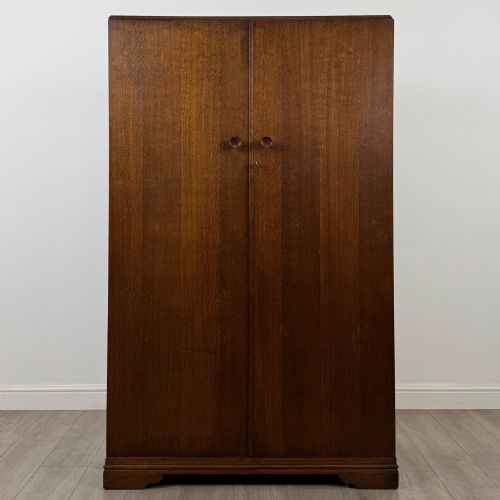
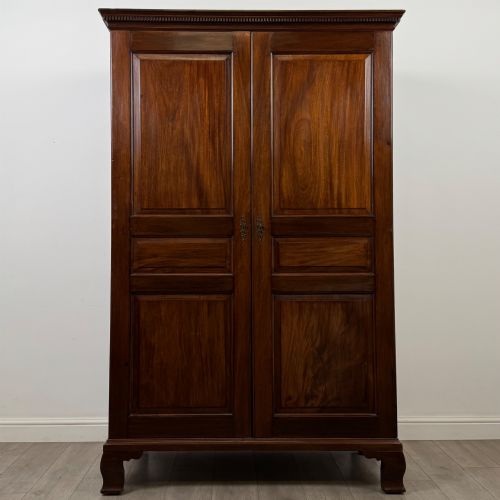
A vintage clothes cabinet encompasses large storage furniture designed for hanging garments, linen storage, and folding clothes. The selection on this page spans several centuries, covering pieces from the eighteenth century through the Edwardian era and the nineteen-thirties.
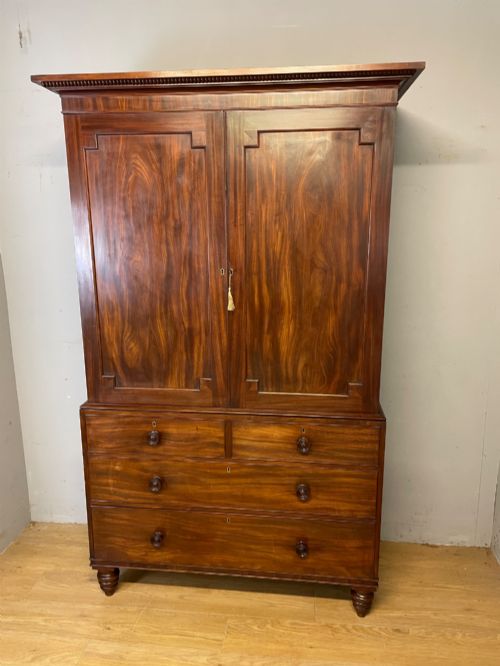
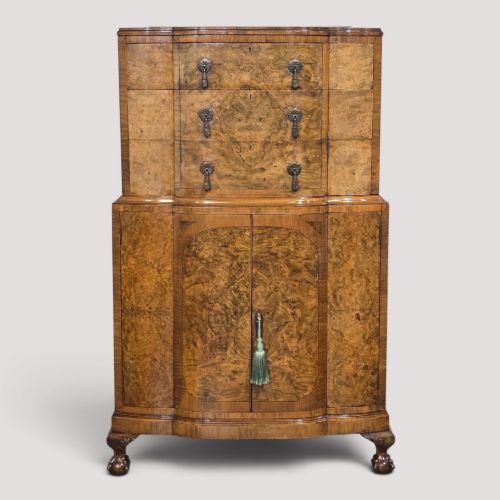
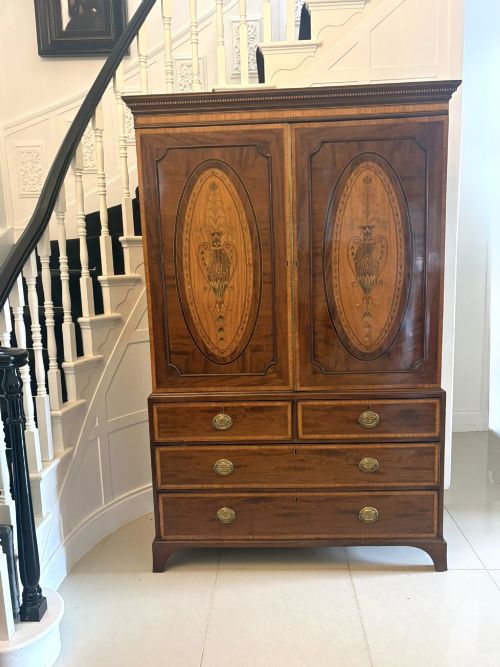
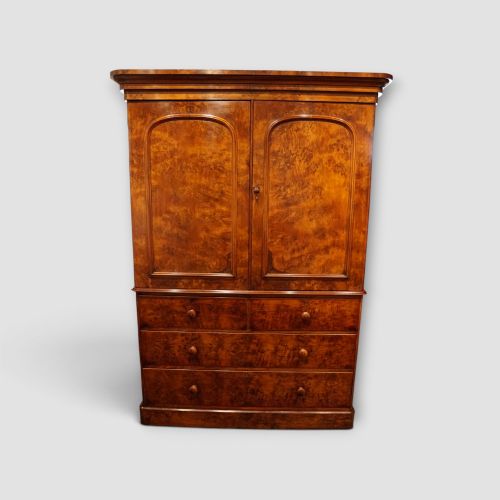
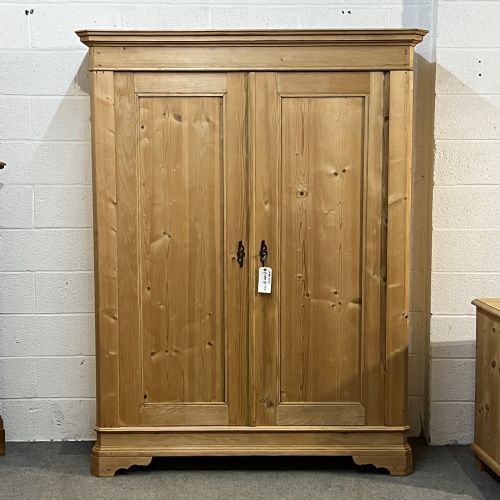
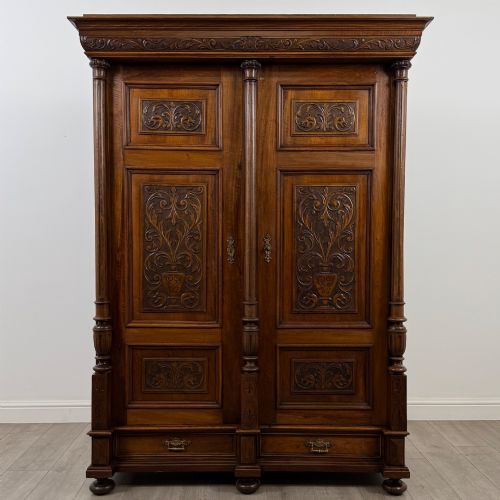
Buyers will encounter various forms, including traditional wardrobes, compactum wardrobes, linen presses, armoires, tallboys, and storage cabinets. These items originate from British, French, and other European workshops, reflecting domestic and continental cabinet-making traditions.
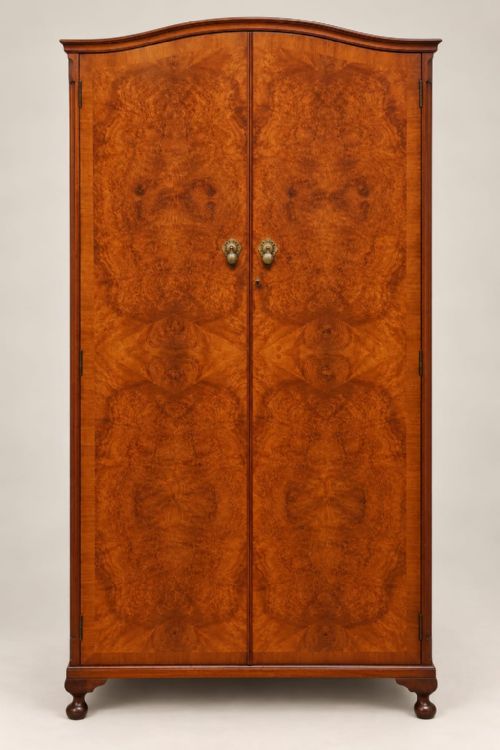
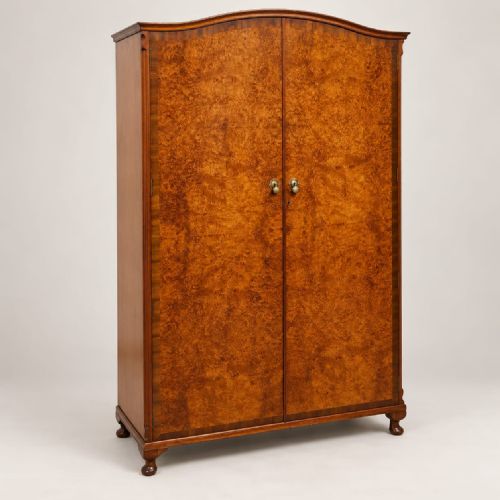
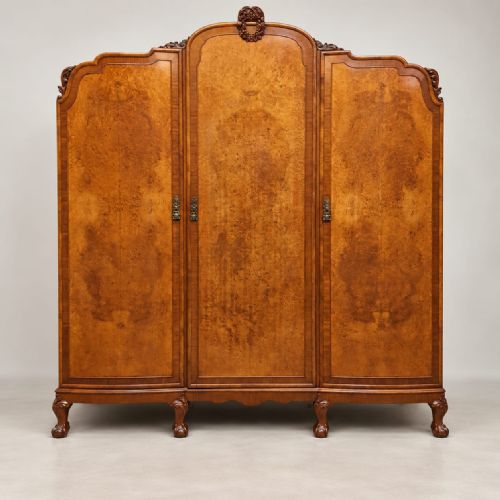
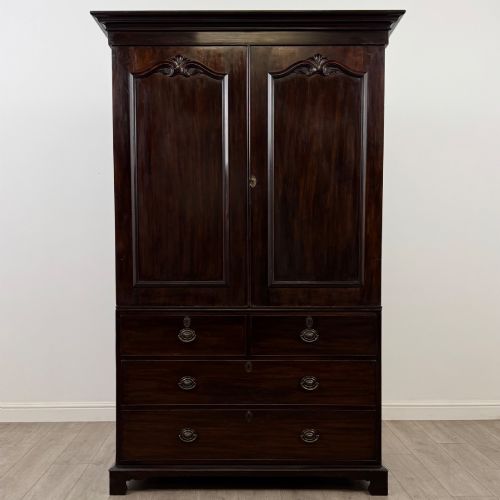
The most common formats on this page are double and triple wardrobes alongside linen presses featuring upper cupboard doors and lower drawer arrangements. Smaller hall wardrobes and child wardrobes also appear among the larger architectural pieces.
How they were made
Cabinet-makers relied on solid timbers and decorative veneers such as mahogany, oak, walnut, burr walnut, pine, and satinwood. Construction methods involve frame and panel assembly for large doors and carcases, often incorporating hand-cut dovetails within internal drawer boxes.
Surface ornamentation relies on natural grain figures, boxwood or satinwood stringing inlay, blind fretwork cornices, and carved details. Hardware typically consists of brass handles, escutcheons, and hinges that complement the timber tones.
Listings feature pieces spanning from the eighteenth century through the Edwardian period and nineteen-thirties, constructed in mahogany, oak, walnut, pine, and burr walnut.
What varies in quality
Quality rests in the choice of timber selection, particularly figured veneers like burr walnut or flame mahogany matched across large door panels. The crispness of inlaid stringing and the depth of carved architectural mouldings further distinguish superior cabinet-making.
Internal configuration defines utility and craftsmanship, with fitted linen slides, trays, and specialised compartments showing higher ambition than basic hanging spaces. Sound structural integrity of the heavy carcase and smooth operation of drawers and doors indicate enduring build quality.
maples & co·Druce & Co.·Heals
The Vintage Clothes Cabinet Glossary
- Linen press
- A tall piece of furniture featuring upper cupboard doors enclosing sliding trays or shelves above a chest of base drawers. Originally utilised for storing flat household linens before the widespread hanging of clothes.
- Compactum
- A fitted wardrobe divided internally into distinct sections for hanging garments, shelves, and drawers. This design maximises storage efficiency within a single footprint.
- Tallboy
- A tall chest of drawers standing upon a matching lower chest or table base. It provides substantial vertical storage capacity with a minimal floor footprint.
- Armoire
- A large upright cupboard or wardrobe of continental European origin. These pieces often feature deep proportions and heavily panelled doors.
- Blind fretwork
- Carved decorative geometric patterns applied to flat wooden surfaces without cutting completely through the timber. This technique creates texture along cornices and friezes.
Vintage Clothes Cabinet: Frequently Asked Questions
What is a compactum wardrobe?
A compactum wardrobe is an integrated storage unit that combines hanging space, shelves, and internal drawers into one fitted piece. It offers a structured interior designed to hold various types of apparel efficiently.
These pieces emerged to provide comprehensive bedroom storage without requiring multiple separate items of furniture.
How do I use a linen press today?
A linen press works well in modern bedrooms as a combination wardrobe and shelving unit. The upper sliding trays suit folded jumpers, bedding, or accessories, while the base drawers organise smaller items.
Removing or adjusting internal fittings can also convert the upper section into standard hanging space if required.
How do I date a wooden wardrobe?
Dating relies on observing timber choices, construction techniques, and prevailing decorative styles. For instance, satinwood inlay and light proportions often point towards the Edwardian period, while heavy proportions and flame mahogany indicate earlier nineteenth-century manufacture.
Hardware styles, drawer dovetailing, and backboard construction provide further clues to the manufacturing decade.
Are these cabinets difficult to move?
Many vintage clothes cabinets are large, heavy structures built from solid hardwoods. Some Victorian examples feature knockdown construction designed for easier transport and assembly within rooms.
Measuring stairwells, ceiling heights, and doorways is essential before introducing a large wardrobe or armoire into a home.