



Vintage Closet
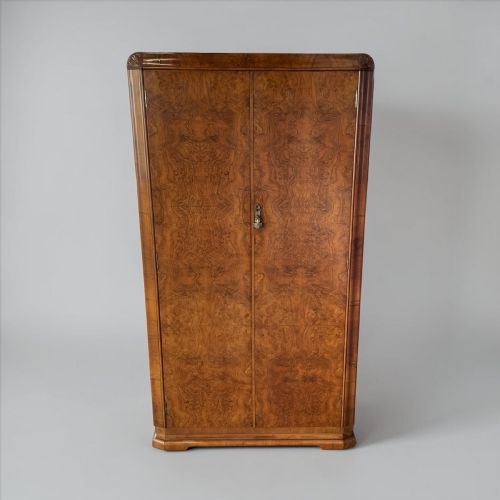
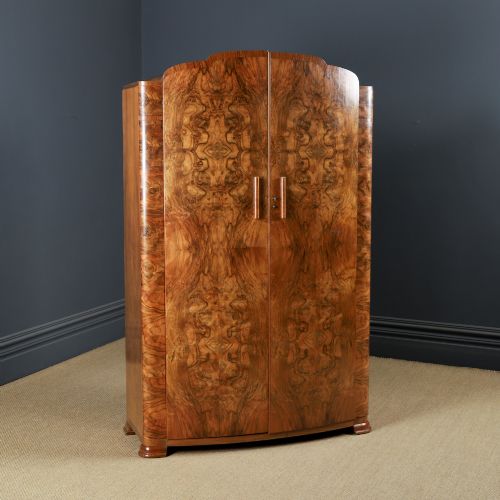
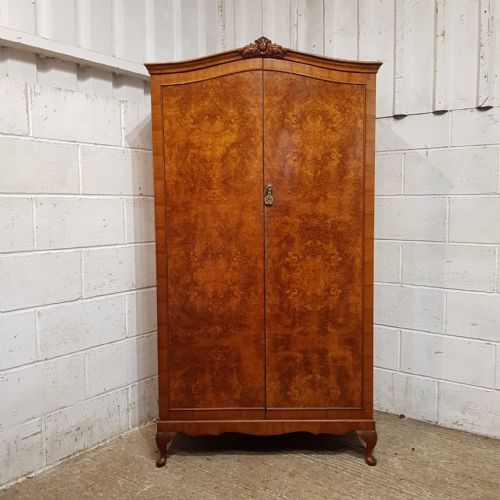
A vintage closet offers substantial storage dressed in the rich grain of burr walnut or the honest weight of oak.
Vintage Closet
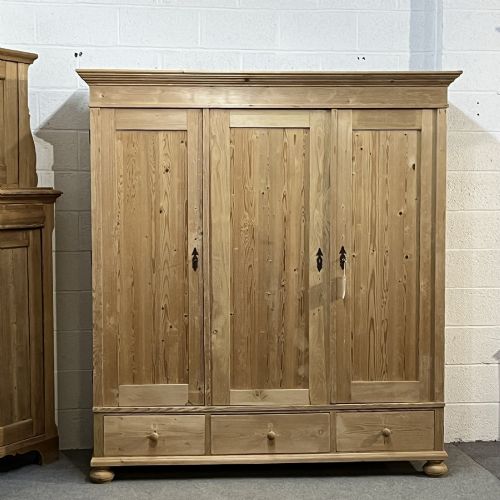
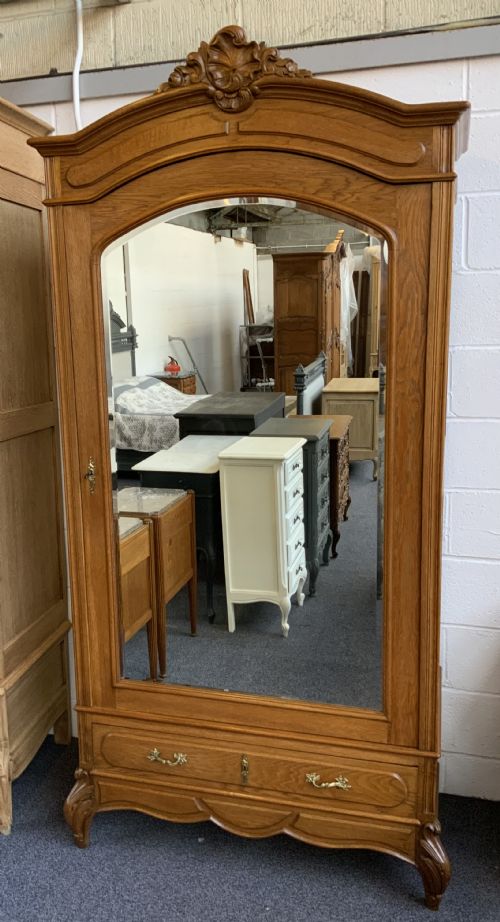
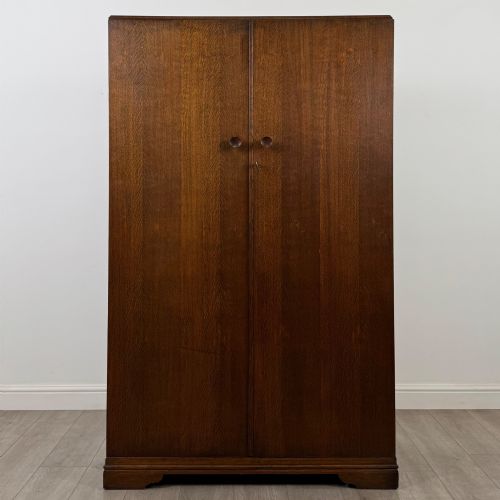
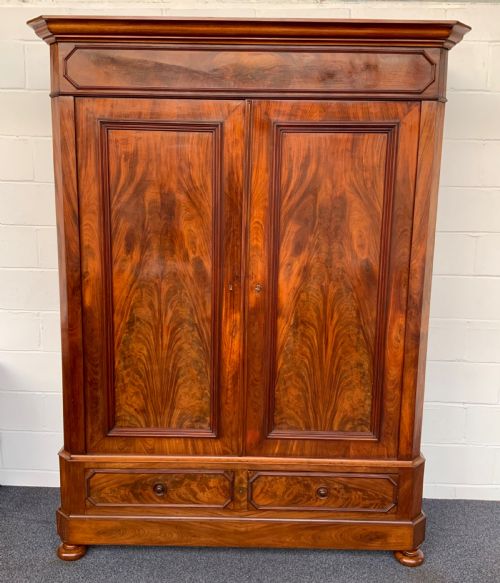
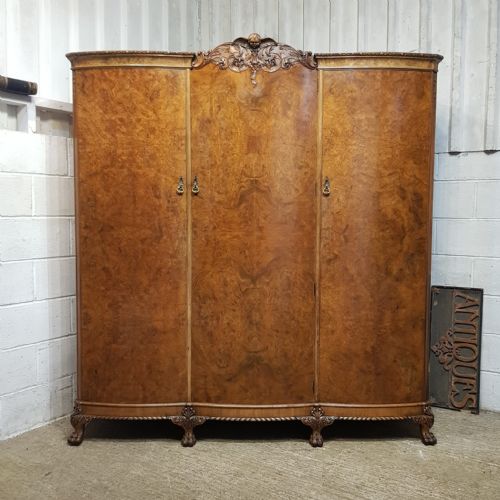
When you search for a vintage closet, you are looking at large storage furniture spanning wardrobes, armoires, and fitted cabinets built from the Georgian period through to the Art Deco era. The selection you meet here leans heavily towards substantial burr walnut and oak pieces from the early twentieth century alongside French armoires.
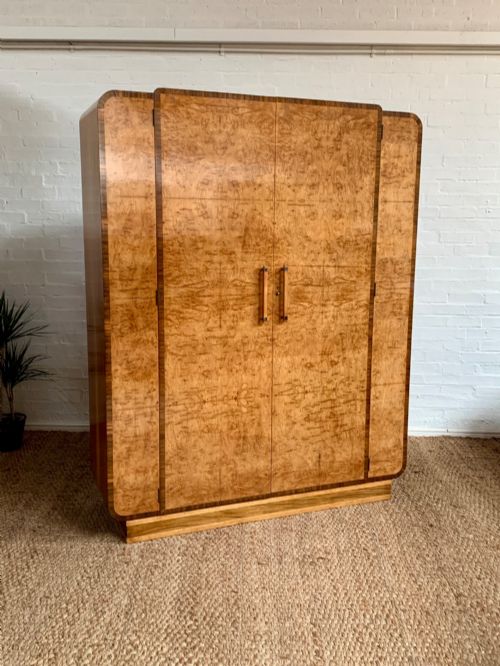
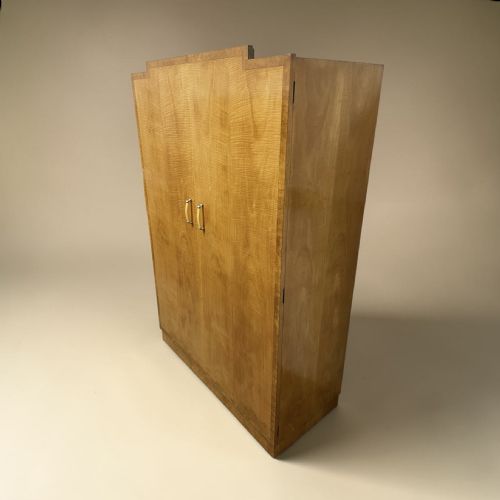
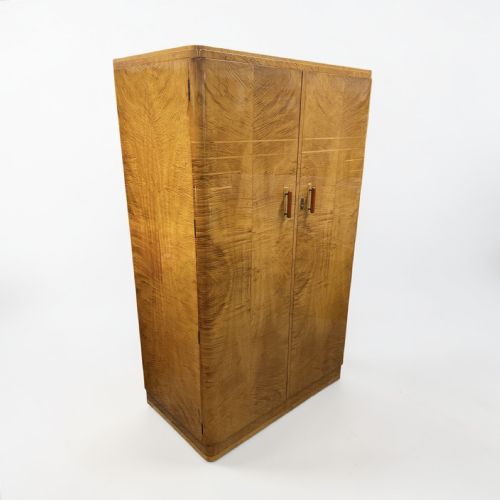
The form shifts from the rectilinear geometry of Art Deco breakfronts to carved oak French armoires and Edwardian combination wardrobes. These pieces serve as focal points in a bedroom, combining hanging space and fitted interiors behind panelled or mirrored doors.
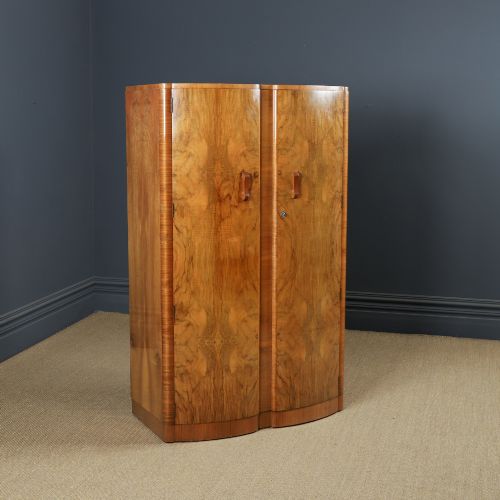
Origins stretch across English workshops, French provincial houses, and Dutch cabinet makers, giving you a choice of regional timbers and decorative detailing. Whether you encounter a serpentine front from nineteen-twenty or a mahogany piece from eighteen-ninety, each item carries the construction methods of its decade.
Materials and construction
Makers relied on solid timbers like oak and mahogany for structural integrity, while applying burr walnut and flame mahogany veneers to primary display surfaces. Brass hardware and glass panels complete the construction, often accompanied by hand-carved details on French armoires.
Internal fittings utilise secondary woods like ash, while exterior facades showcase book-matched veneers and intricate marquetry in fruitwood and walnut. Surface finishes range from French polishing to painted treatments in greys and neutral tones.
Vintage Closet Retail Price Guide 2026
Typical asking prices for vintage closet among the pieces listed under this phrase on Sellingantiques today, from the lower quarter to the upper quarter. They describe what is for sale here now, not the wider market.
Listings feature oak, mahogany, and burr walnut alongside decorative brass and glass across Edwardian, Art Deco, and Georgian periods.
Distinctions in quality
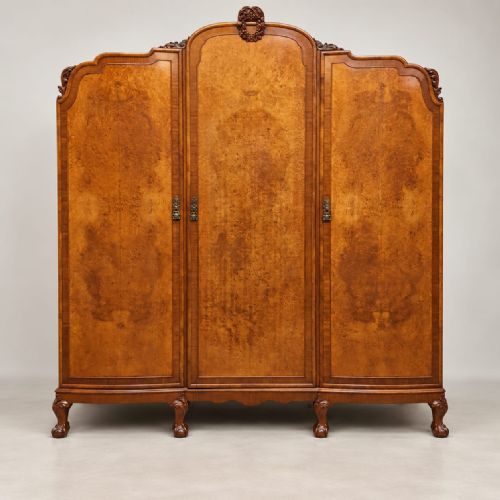
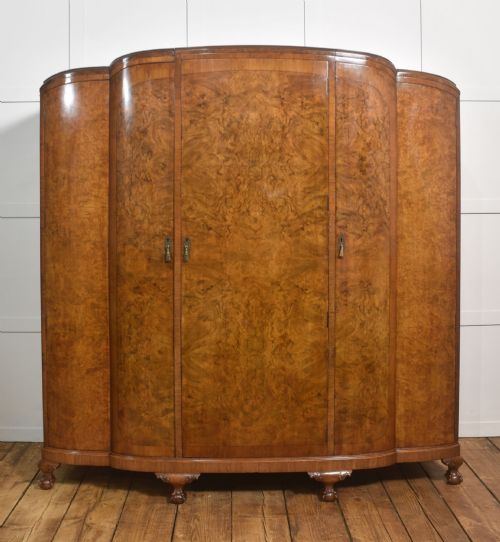
The distinction between standard examples and superior pieces rests on the choice of timber veneer and the execution of carved or inlaid details. Triple wardrobes with serpentine fronts and book-matched burr walnut display a higher level of cabinet-making ambition than plain carcases.
Signed works by known cabinet makers or specific retail houses command attention through precise joinery, fitted internal compartments, and balanced proportions. The integration of original brass detailing and clean glass fronts further separates utilitarian storage from fine decorative furniture.
Waring and Gillow·Harry and Lou Epstein·Crown Furniture·Jean Faure
The Vintage Closet Glossary
- Armoire
- A traditional French standing cupboard or wardrobe used primarily for hanging clothes. These pieces often feature deep cornices and single or double panelled doors.
- Burr walnut
- A prized timber veneer taken from the warted growth on a walnut tree, yielding swirling, organic patterns. It appeared frequently on Art Deco wardrobe facades.
- Marquetry
- The art of applying pieces of veneer to a structure to form decorative patterns and pictures. Dutch examples in this material often incorporate floral fruitwood motifs.
- Serpentine front
- A furniture front characterised by a concave centre flanked by two convex ends, creating a gentle wave shape. This curved profile demands skilled woodworking.
- Vitrine
- A glass-fronted display cabinet designed for showcasing porcelain or ornaments. They frequently share stylistic periods with wardrobes from the Edwardian era.
Vintage Closet: Frequently Asked Questions
What is a vintage closet?
A vintage closet encompasses large freestanding wardrobes, armoires, and fitted cabinets produced from the eighteenth century up to the Art Deco period. They provide enclosed hanging and shelving space using traditional timber construction.
These pieces range from English walnut designs to carved oak French armoires. They function as both practical bedroom storage and decorative statements.
How do I date a wardrobe?
Dating relies on identifying stylistic markers, timber choices, and construction techniques associated with specific periods. Art Deco pieces show geometric lines and burr walnut, while Edwardian examples often feature Sheraton revival motifs.
Hardware, dovetail joints, and internal fittings also offer clues to the decade of manufacture. Comparing the overall silhouette against known historical periods helps narrow the origin.
Are armoires different from wardrobes?
Armoires originated as continental European cupboards, typically featuring removable panelled doors and deep internal depths. Wardrobes developed in Britain as dedicated spaces for hanging garments on fixed rails.
Over time, the terms became largely interchangeable in the antiques market. French armoires often retain distinctive carved pediments and surface finishes.
How do I care for burr walnut?
Burr walnut benefits from stable indoor environments away from direct sunlight and sudden temperature shifts. Regular dusting with a soft, dry cloth preserves the polished finish of the veneer.
Occasional applications of appropriate furniture wax nourish the wood grain without building up a heavy residue. Avoiding excessive moisture keeps the delicate veneer secure.