

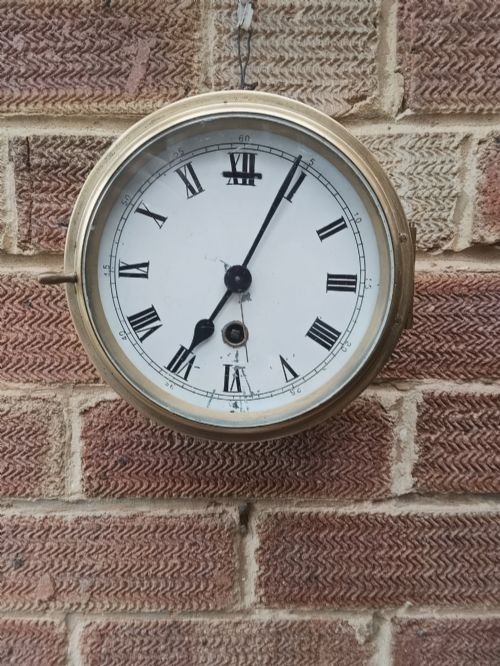
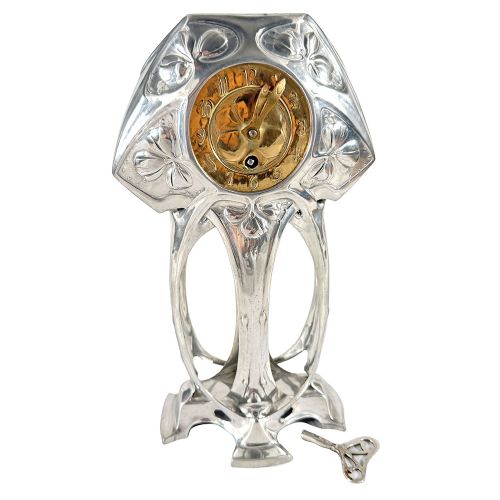


Vintage Clockwork Clock
A vintage clockwork clock brings mechanical rhythm into a room, measuring hours through brass gears, springs and swinging pendulums.
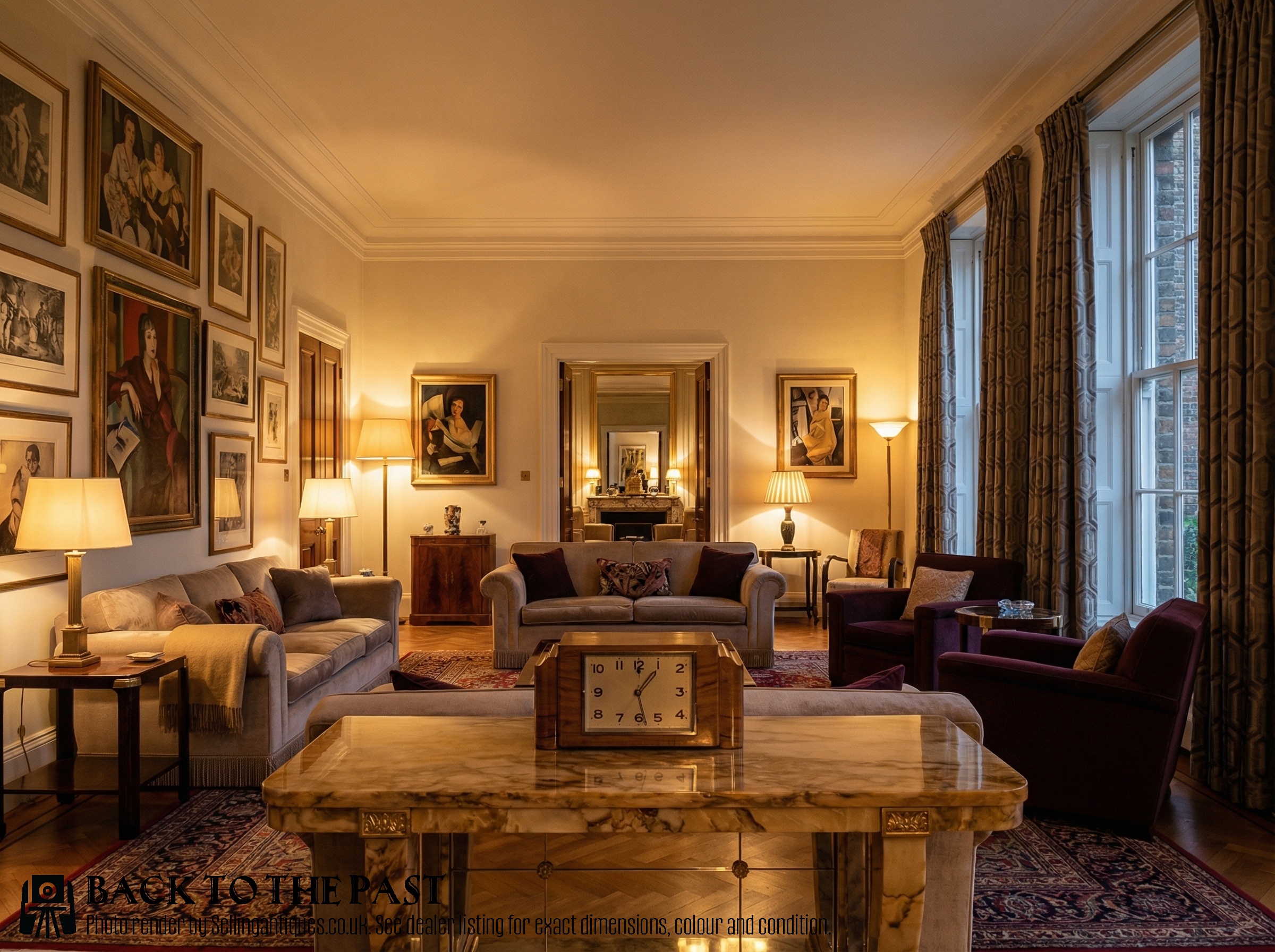
Vintage Clockwork Clock
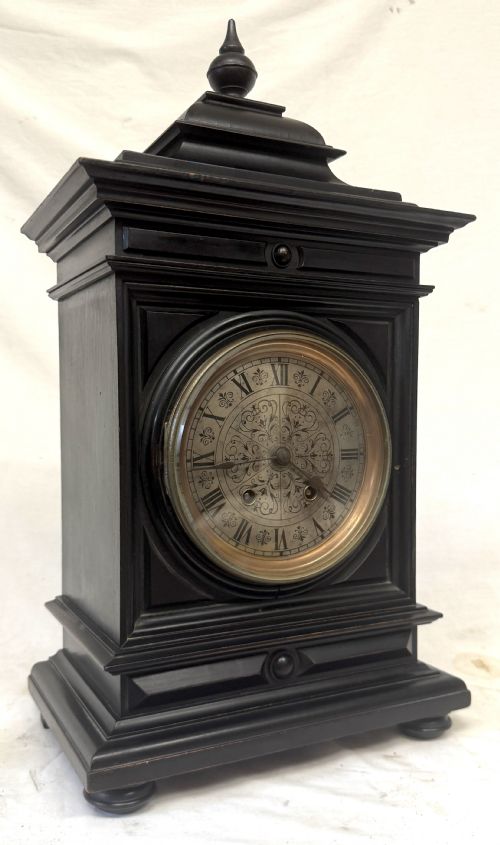
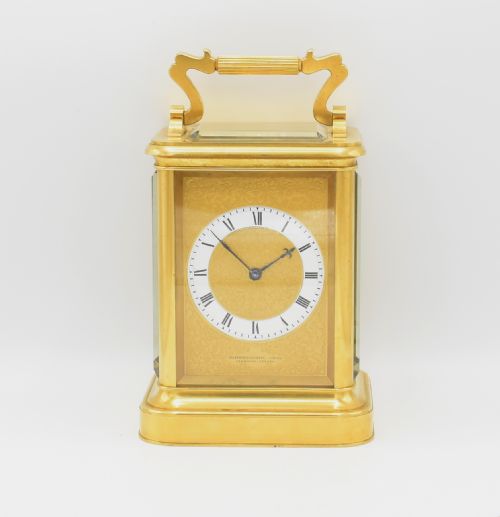
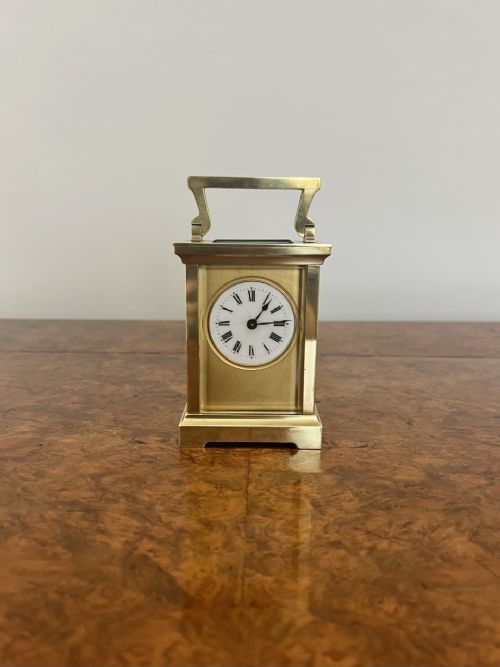
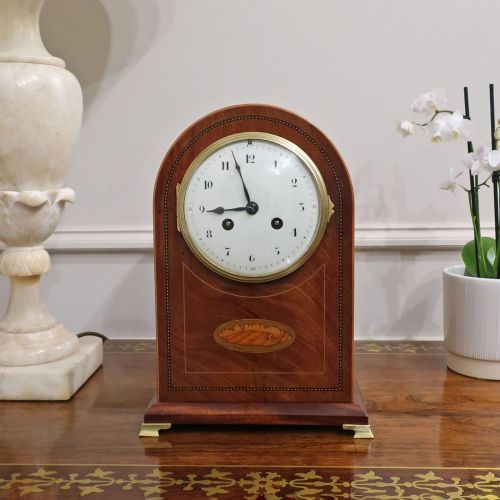
When you search for a vintage clockwork clock, you encounter timepieces driven by wound springs or falling weights across various historical periods. The selections span from nineteenth-century bracket and carriage designs to twentieth-century mantel and wall timepieces.
Mantel clocks and carriage clocks dominate the available forms, often housed in mahogany, walnut veneer or polished brass cases. French and German workshops feature prominently alongside British makers.
The styles range from ornate Victorian and Gothic creations to clean-lined Art Deco and Belle Epoque models. Each piece represents domestic timekeeping from eras before electronic quartz movements took over.
How they were made
Makers constructed cases from dense timbers like mahogany, walnut and oak, or cast them in brass, gilt bronze and pewter. Glass panels frequently protect delicate dials and exposed skeleton movements.
Mechanisms rely on brass plates, cogged wheels and steel springs, occasionally featuring fusee chains to regulate power output as the spring uncoils. Silvered or enamelled dials display the numbers, often paired with finely shaped hands.
Listings feature movements spanning the eighteenth, nineteenth and twentieth centuries, housed in brass, mahogany, oak and walnut.
What varies in quality
The refinement of the mechanical movement and the crispness of the case casting separate standard timepieces from exceptional examples. Finer movements incorporate complex striking trains, alarms or intricate escapements.
Materials and decorative detailing dictate the overall standard, from simple polished brass to heavily engraved corniche cases or hand-painted enamel dials. The integrity of the original timber veneer and fire-gilt surfaces also influences the standing of a piece.
German H.A.C.·Lenzkirch·Goldsmiths Alliance Ltd·Friedrich Adler for Osiris·Delépine-Barrois·Piggin Norwich·Baveux Jacot·James Grohé·Pfeilkreuz Junghans·Japy Freres
The Vintage Clockwork Clock Glossary
- Clockwork
- A mechanical system driven by wound springs rather than weights. It stores energy to turn gears and move the hands.
- Fusee
- A conical pulley used in mechanical clocks to maintain even force on the gear train as the mainspring unwinds.
- Skeleton clock
- A timepiece with an open metal frame that exposes the gear train and escapement to view.
- Corniche case
- A rectangular brass carriage clock case with characteristic moulded pillars at the corners and a flat top.
- Escapement
- The mechanism that controls the release of power from the gear train to give regular impulses to the pendulum or balance wheel.
Vintage Clockwork Clock: Frequently Asked Questions
Where should I place a vintage clock?
Keep timepieces on stable, level surfaces such as mantelpieces or sturdy shelves away from direct sunlight and draughts. A level surface ensures the pendulum or balance wheel beats evenly.
Avoid damp rooms, as moisture tarnishes brass cases and affects timber veneers.
How often should a clockwork clock be serviced?
Mechanical clocks generally require professional cleaning and oiling every few years to prevent wear on the brass pivots and gears. Dust and dried oil accumulate over time, slowing the movement down.
Regular servicing preserves the longevity of the internal components.
How can I tell the period of a clock?
Examine the design style, case materials and construction methods, which often align with Victorian, Art Nouveau or Art Deco aesthetics. Maker signatures on the dial or movement backplate provide definitive dating clues.
Stylistic cues in the woodwork and metal casting help narrow down the decade of manufacture.