

Vintage Classical Desk Light
These vintage classical desk lights bring period character and steady illumination to a study through heavy cast metals and refined classical columns.
Vintage Classical Desk Light
A vintage classical desk light brings architectural form and period presence to a workspace, drawing on historic designs for illumination. These pieces serve as functional task lighting while introducing traditional materials to a desk or writing table.
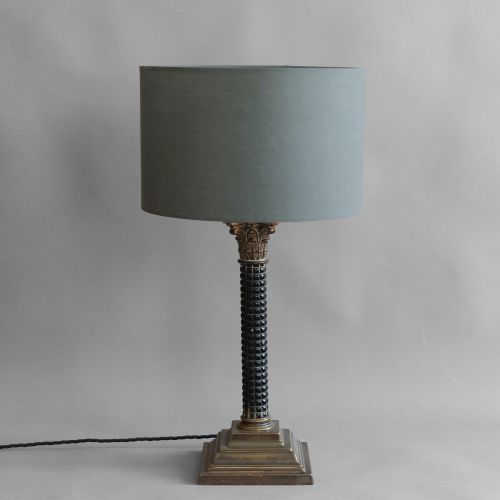
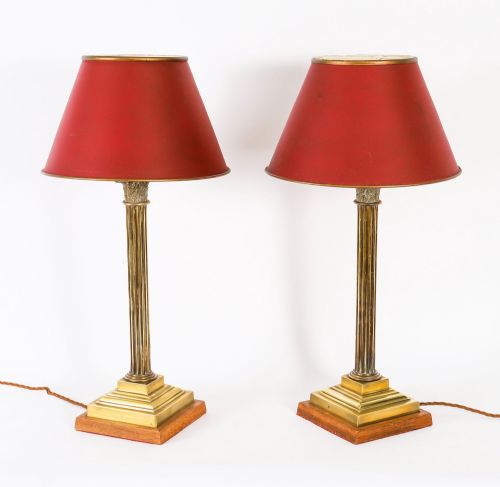
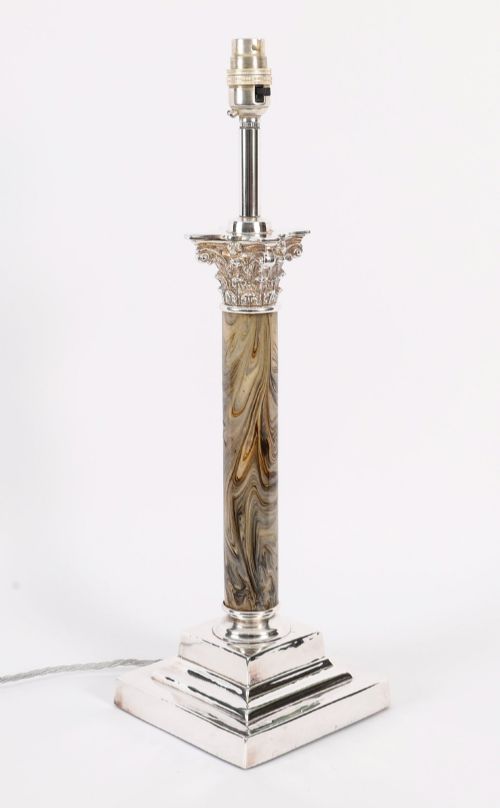
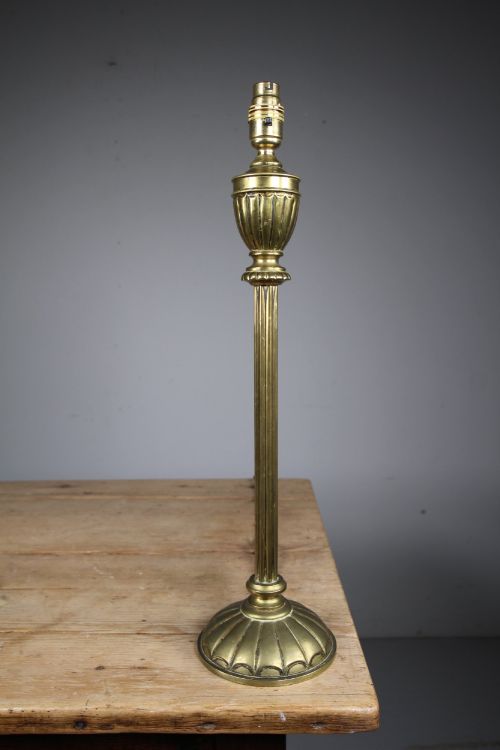
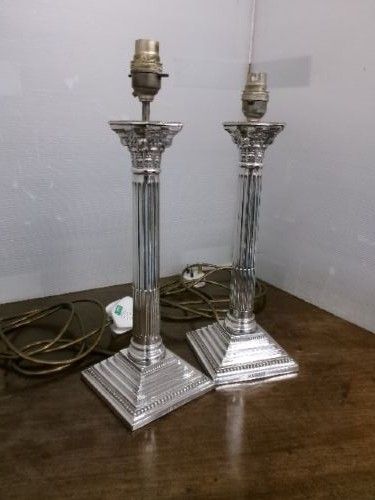
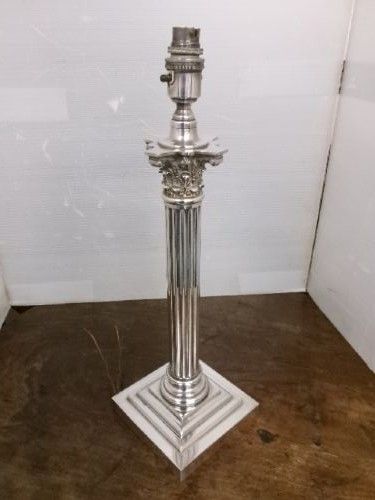
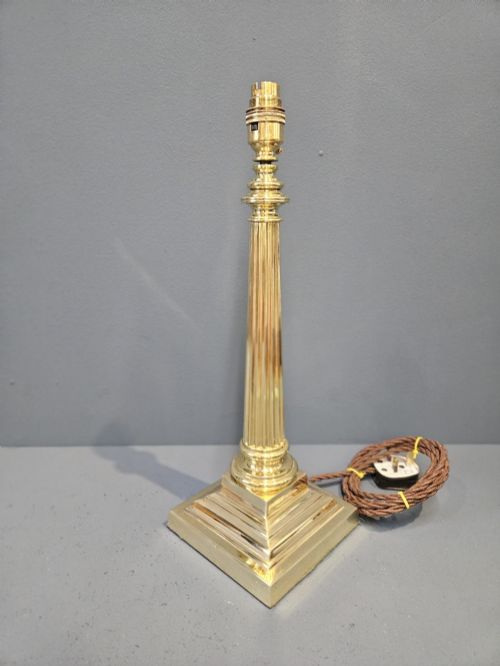
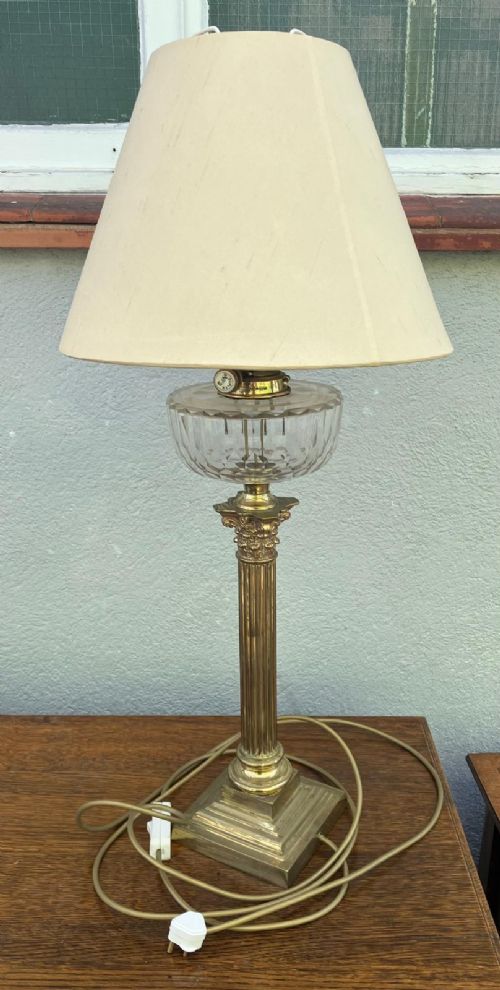
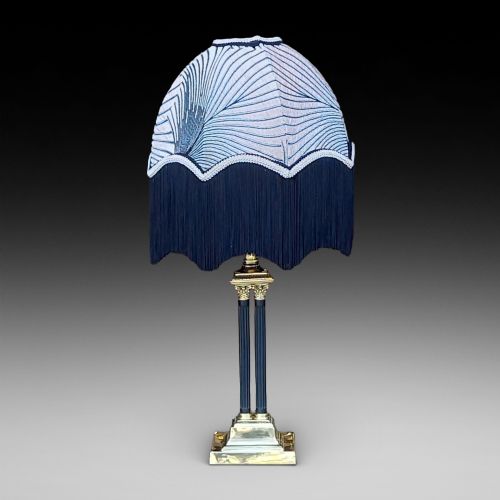
The selections encountered most frequently on this page combine the upright dignity of Corinthian columns with the warm gleam of polished brass or silver plate. Such pieces typically date from the Victorian and Edwardian eras, reflecting a preference for classical proportion adapted for interior illumination.
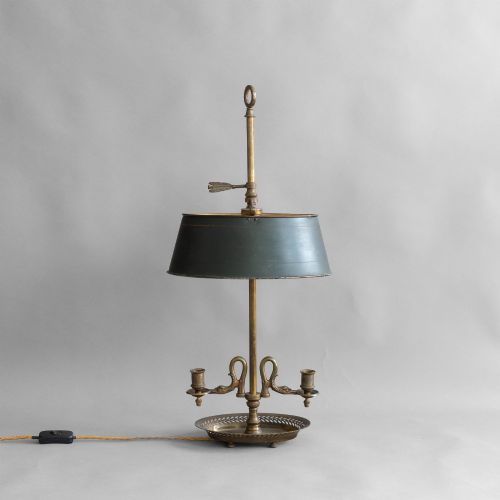
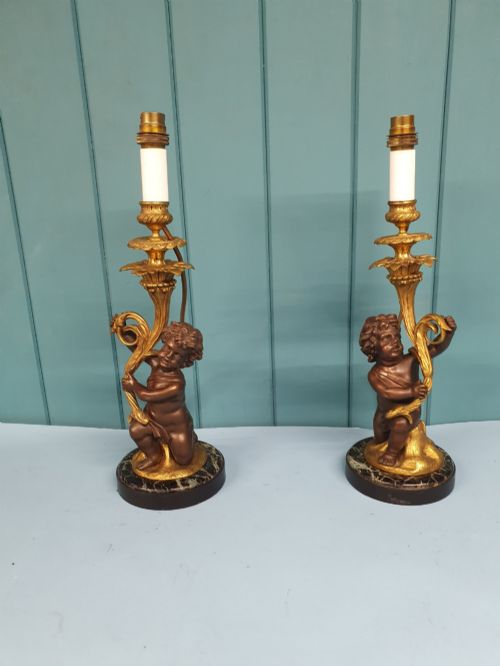
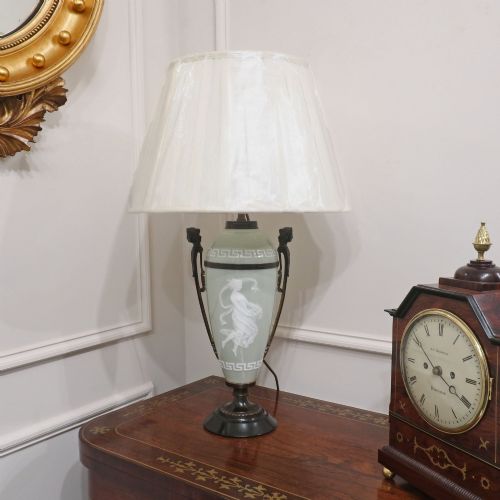
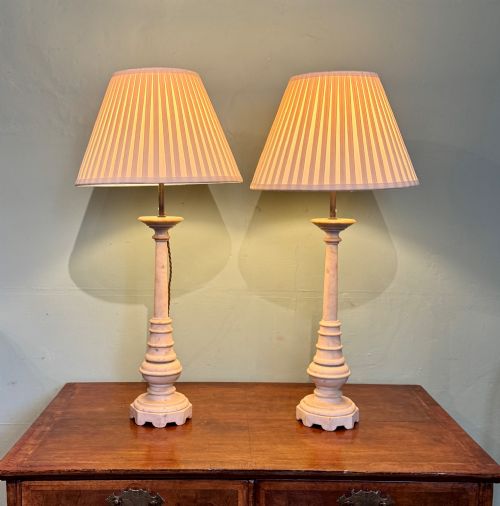
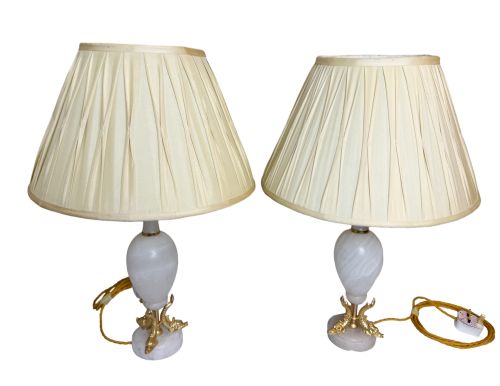
Beyond the standard column forms, buyers will discover table lamps featuring patinated bronze cherubs, carved alabaster, and French marble urns. These diverse forms share a grounding in neoclassical, revival, and Empire styles that elevate a simple desk accessory into a substantial decorative object.
How they were made
Craftsmen utilised durable base metals such as brass, bronze, and ormolu, often shaping them into fluted columns or detailed capitals. Silver plating added a brighter finish to many Victorian examples, while heavier stones like marble and onyx provided a stable footing for taller designs.
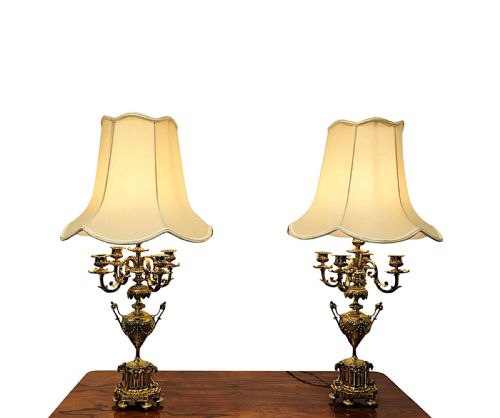
Decorative detailing involved cast ornamentation, including ram heads, cherubs, and gilt bronze trim applied to stone or porcelain bodies. Some lighting forms began as earlier candelabra or oil lamps before undergoing conversion to electrical wiring during later decades.
Current listings feature materials including brass, marble, alabaster, bronze, and silver plate across Victorian and Edwardian periods.
What varies in quality
The standard of a piece rests heavily on the crispness of its cast details and the substance of its materials. Heavily weighted metals and genuine carved marble distinguish superior examples from lighter, hollow alternatives.
Artistry in specialised components, such as hand-painted porcelain or finely chased ormolu mounts, elevates certain works above standard production pieces. The coherence of the classical revival style across the entire lamp body determines its overall visual success.
The Vintage Classical Desk Light Glossary
- Corinthian column
- A classical architectural order featuring an ornate capital decorated with acanthus leaves, frequently utilised for the shafts of these desk lights.
- Ormolu
- Gilt bronze ornamentation applied to furniture and lighting fixtures, providing a bright golden contrast against dark marble or timber.
- Pate sur pate
- A ceramic decoration method where a raised white relief is applied to a coloured clay body before firing, seen on select porcelain lamps.
- Alabaster
- A fine-grained translucent stone carved into smooth bodies for lamps, allowing a soft diffusion of internal illumination.
- Neoclassical Revival
- A design movement drawing inspiration from classical Greek and Roman architecture, defining the aesthetic of many Edwardian and Victorian pieces.
Vintage Classical Desk Light: Frequently Asked Questions
How do I date my lamp?
Dating relies on observing manufacturing techniques, material choices, and stylistic cues present in the metalwork or ceramic base.
Victorian and Edwardian pieces often display distinct column proportions and plating methods that align with documented production eras.
Were these originally electric?
Many examples began life as oil lamps, candlesticks, or candelabra before being converted for electrical use in later decades.
This adaptation process is common among antique lighting and preserves decorative metalwork for modern interiors.
How do I clean brass bases?
Maintenance requires gentle dusting and occasional wiping with a soft, dry cloth to preserve the existing surface patina.
Harsh chemical polishes should be avoided to protect aged finishes and delicate gilt or silver-plated layers.
What styles are included?
The selection spans Victorian, Edwardian, and Art Deco periods with a strong emphasis on neoclassical and French revival forms.
Common motifs include fluted columns, marble urns, and decorative bronze mounts derived from classical antiquity.