

Vintage Classical Casts
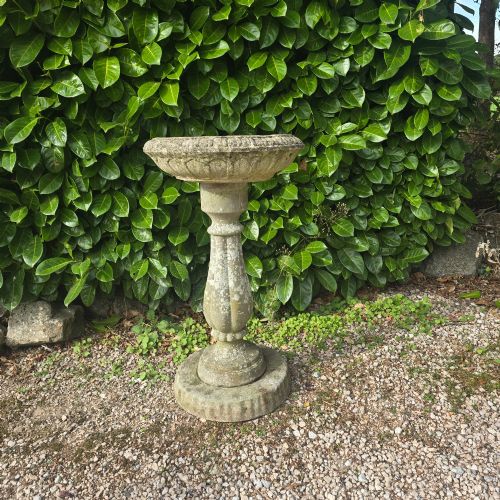
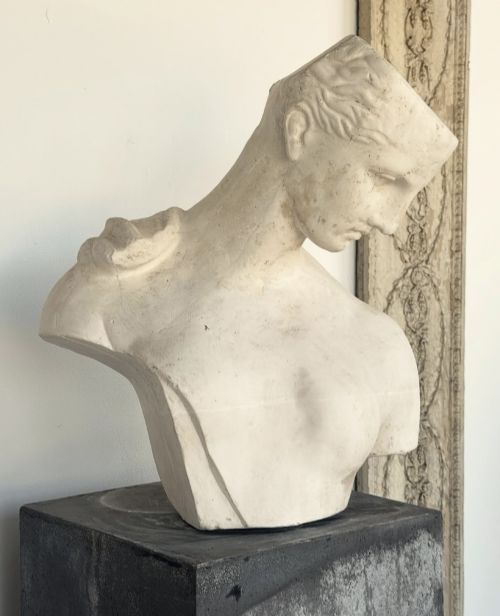
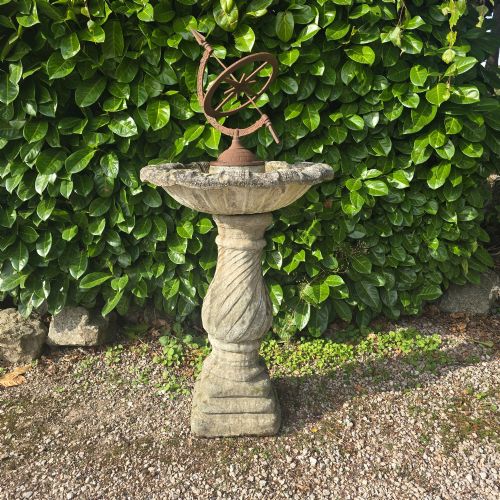
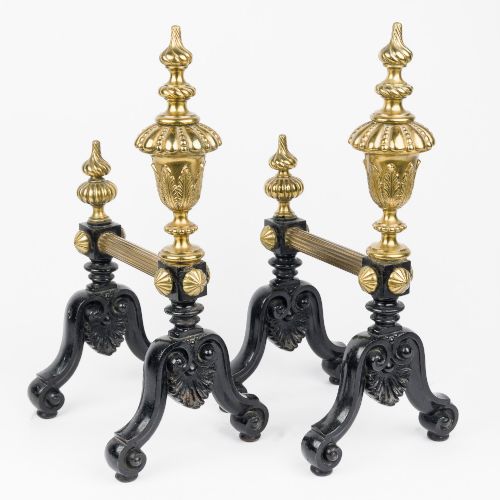
These vintage classical casts bring the enduring forms of antiquity into homes and gardens through durable metals, stone, and plaster.
Vintage Classical Casts
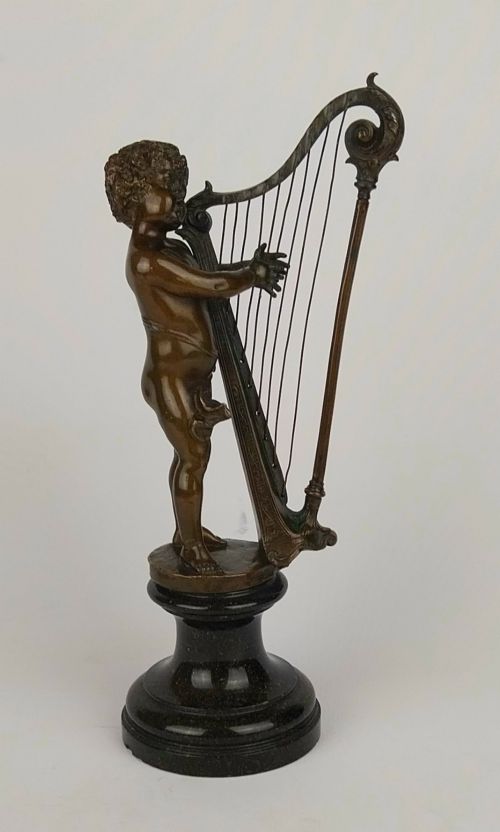
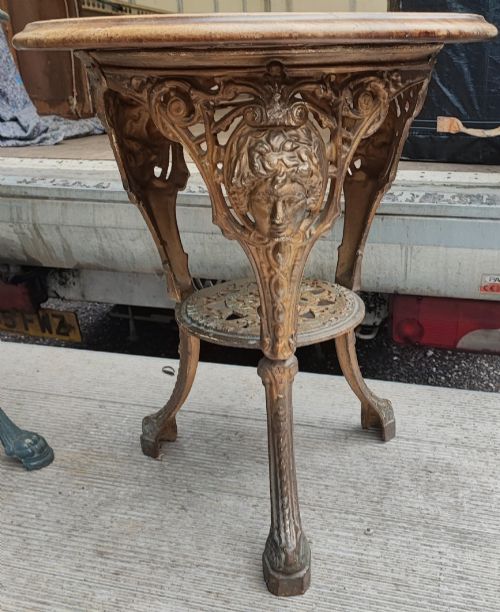
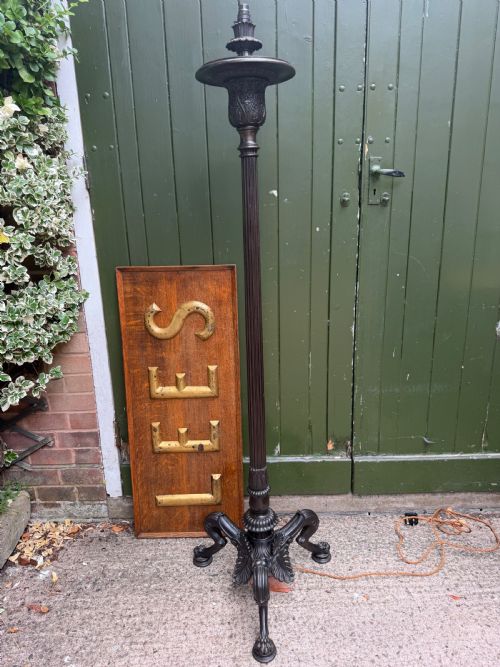
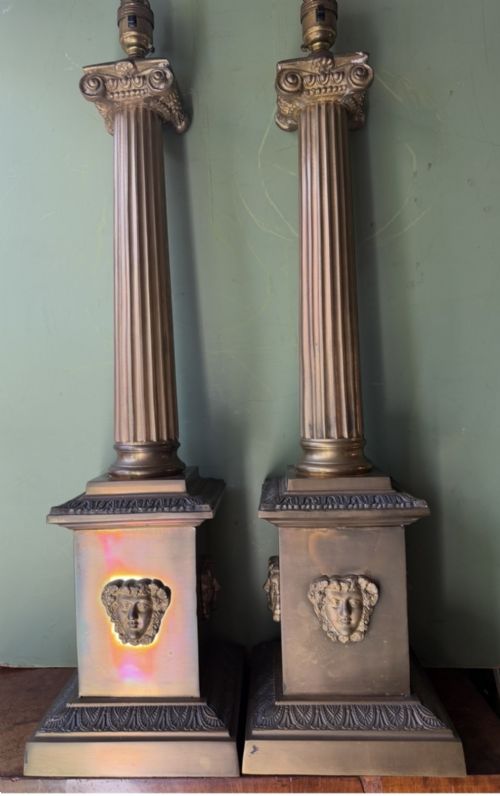
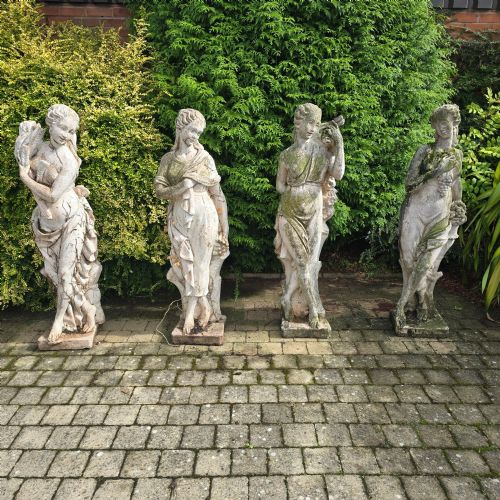
Vintage classical casts encompass a diverse group of objects shaped by ancient forms, spanning figures, busts, urns, and architectural ornaments. When searching for vintage classical casts, buyers encounter pieces that adapt classical mythology and monumental sculpture into domestic and garden scales. These items draw on Neoclassical, Classical Revival, and Victorian design traditions, reflecting centuries of artistic interest in Greek and Roman models.
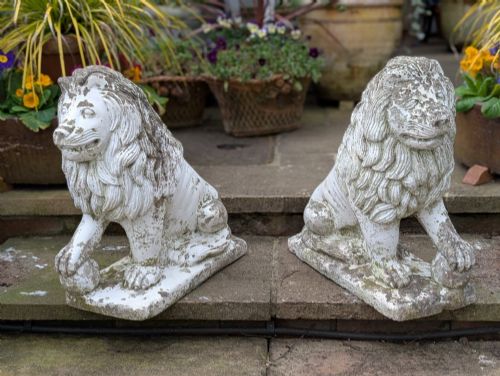
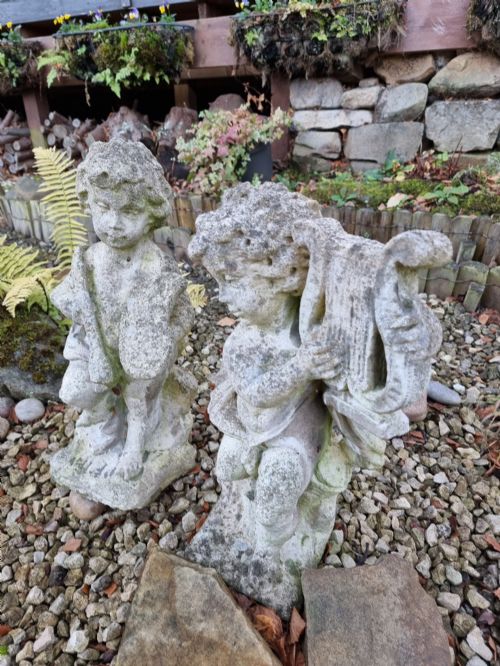
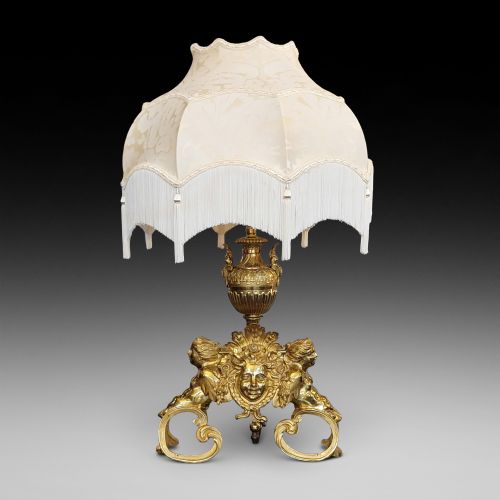
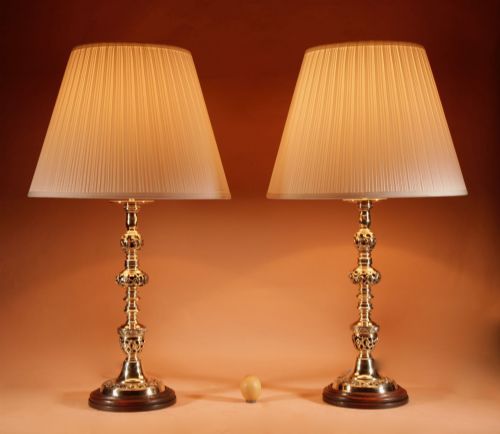
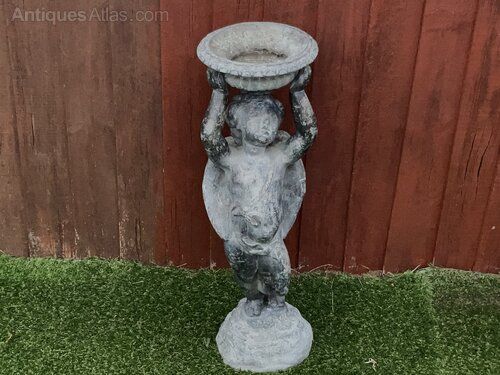
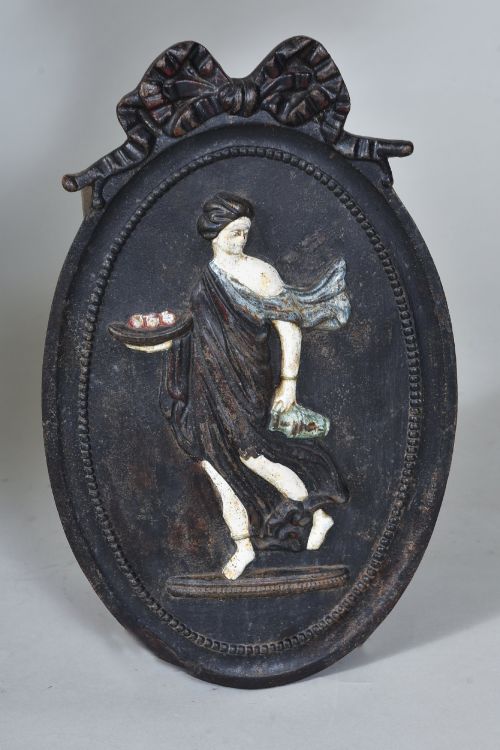
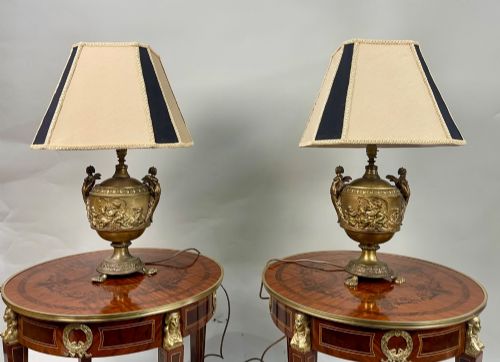
The selections on this page range from heavy garden statuary and campana urns to delicate grand tour plaster reliefs and bronze table lamps. Pieces frequently emerge from the nineteenth and early twentieth centuries, capturing periods when classical motifs dominated formal interiors and estate grounds. Buyers are most likely to find robust cast iron planters, weathered stone figures, and patinated plaster busts among the current offerings.
How they were made
Foundries and workshops utilised traditional casting methods to produce these pieces, working with molten metals such as iron and bronze poured into prepared moulds. Iron objects often originated from notable foundries like Coalbrookdale and Val d'Osne, where metalworkers achieved fine detail in structural items and decorative urns. Brass components were similarly cast and finished for lighting and hardware.
For stone and plaster works, makers employed cast stone, reconstituted stone, gypsum, and plaster to replicate monumental sculpture. Artisans poured these mixtures into moulds to capture the subtle contours of faces, drapery, and relief panels. Many items received surface treatments such as original paint, gilt, or patination to emulate aged bronze and marble.
Vintage Classical Casts Retail Price Guide 2026
Typical asking prices for vintage classical casts among the pieces listed under this phrase on Sellingantiques today, from the lower quarter to the upper quarter. They describe what is for sale here now, not the wider market.
Napoleon and Beethoven keep a watchful, stony eye over the collection from their preferred spots on the mantelpiece.
What varies in quality
The integrity of the material and its subsequent weathering also dictate the standing of a piece. High-grade cast iron and bronze develop stable patinas over decades outdoors, while well-formulated stone resists structural degradation. The presence of maker marks, original paint, or specific foundry attribution adds historical weight to individual casts.
Coalbrookdale·Val d'Osne foundry·Andrew Handyside
The Vintage Classical Casts Glossary
- Campana urn
- A bell-shaped garden vessel with a flared rim, often mounted on a pedestal, frequently cast in iron or stone during the nineteenth century.
- Grand tour
- A cultural journey undertaken by wealthy Europeans in the eighteenth and nineteenth centuries, resulting in the collection of small-scale gypsum intaglios, bronzes, and plaster casts.
- Caryatid
- A sculpted female figure serving as an architectural support or decorative element on items such as door knockers and lamps.
- Plaster cast
- A three-dimensional copy of a sculpture formed from wet plaster poured into a mould, commonly utilised for portrait busts and antique reliefs.
- Patination
- The natural or induced surface colour and texture developed on metal or stone through age, handling, and exposure to the elements.
Vintage Classical Casts: Frequently Asked Questions
What materials are used for vintage classical casts?
These pieces utilise a range of mediums including cast iron, bronze, brass, reconstituted stone, and plaster. Each material dictates the weight and intended placement of the object.
Metal works often feature patinated or painted finishes, while stone and plaster items display the effects of weathering over decades.
Where were classical casts originally displayed?
Historically, these items decorated nineteenth-century gardens, formal estates, libraries, and grand hallways. Garden urns and statues anchored lawns and terraces, while busts and reliefs adorned interior walls and mantelpieces.
Smaller objects like table lamps and door knockers brought classical design into daily domestic use.
How do I care for weathered outdoor stone and iron?
Outdoor casts in stone and cast iron require minimal intervention to preserve their historic surfaces. Gentle washing with water removes organic debris without damaging the accumulated patina.
Harsh chemical cleaners should be avoided to protect the original paint or weathered finishes on the material.
How can I tell the period of a plaster bust?
Dating relies on examining the casting technique, the material density, and any residual surface treatments like paint or gilt. Nineteenth-century and early twentieth-century pieces often reflect specific revival styles such as Neoclassical or Victorian.
Signatures, foundry stamps, or inscribed titles on the base provide further chronological context.