





Vintage Church Painting
These vintage church painting works capture ecclesiastical architecture and rural parishes in oils and watercolours, offering buyers a distinct piece of religious and local history.
Vintage Church Painting
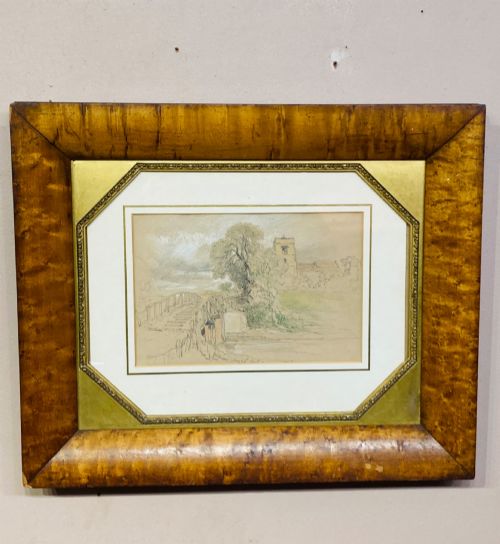
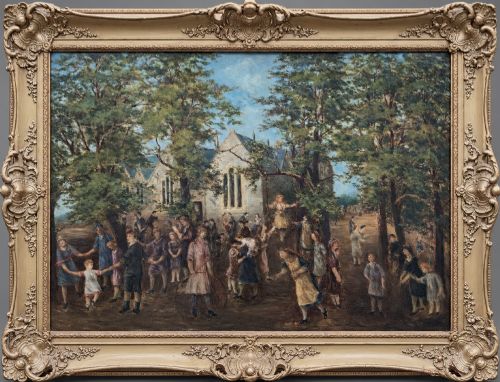
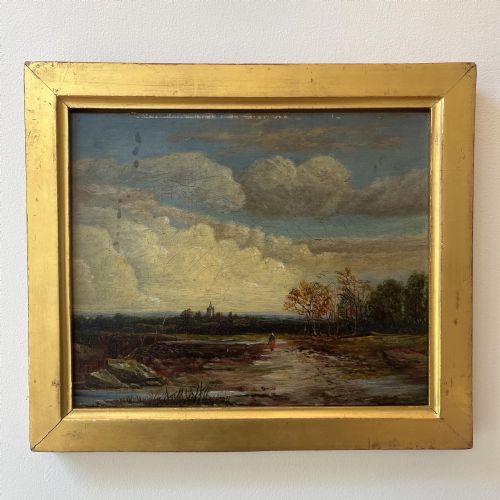
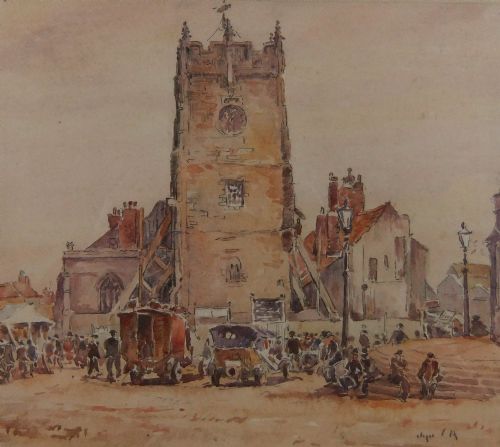
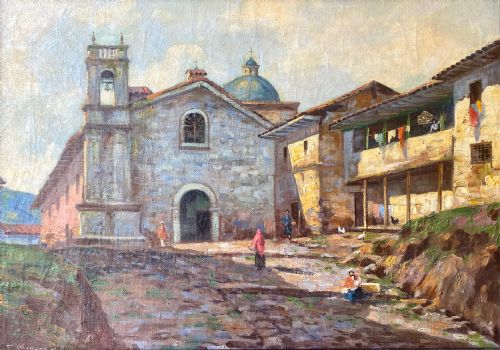
When you search for a vintage church painting, you encounter original artworks depicting religious buildings, churchyards, and rural parishes across various periods. These works capture historical ecclesiastical architecture through the eyes of artists working in oil and watercolour.
You are most likely to meet pieces originating from the nineteenth and twentieth centuries on this page. The selections range from detailed watercolours of Yorkshire abbeys to oil paintings of village churches and metropolitan parishes.
Beyond direct depictions of buildings, the offerings include related works by named British artists such as William Greaves and Kershaw Schofield. These paintings document specific places like Skipsea Church and Ellerburn, anchoring the genre in tangible locations.
Materials and construction methods
Painters utilised oil paint and watercolour on supports including canvas, paper, wood, and board. Pigments were applied with brushes to capture the light and detail of stone masonry, stained glass, and surrounding churchyards.
Works on canvas and panel frequently reside within period frames of wood, while paper works rely on glass protection. The physical support dictates the texture and longevity of each painting, from smooth watercolours to heavier impasto in oils.
Vintage Church Painting Retail Price Guide 2026
Typical asking prices for vintage church painting among the pieces listed under this phrase on Sellingantiques today, from the lower quarter to the upper quarter. They describe what is for sale here now, not the wider market.
The documented pieces originate from periods spanning the nineteenth century to the mid twentieth century.
Factors determining quality
The distinction between ordinary and superior pieces rests on the artist's ability to render light, atmosphere, and architectural proportion correctly. Skilled handling of perspective in complex building structures elevates a composition.
Provenance and documentation also separate the range, as signed works by recognised regional artists carry clearer historical attribution. The condition of the pigment and the original stability of the canvas or board determine the enduring integrity of the artwork.
John Smith Atherton·Joan Gillchrest·Alfred George Morgan·William Greaves·Kershaw Schofield·Rowland Henry Hill·Maurice Asselin·John Jaques·Henri Therme
The Vintage Church Painting Glossary
- Oil paint
- A slow-drying medium consisting of pigments suspended in a drying oil, typically linseed. This medium allows for rich colour depth and textured brushwork.
- Watercolour
- A painting method in which the paints are made of pigments suspended in a water-soluble vehicle. It produces transparent washes of colour on paper supports.
- Canvas
- A heavy woven fabric used as a surface for oil paintings. It is typically stretched across a wooden frame before application.
- Impasto
- The process or technique of painting where paint is laid on an area of the surface in very thick layers. This technique makes brush or palette-knife strokes visible.
Vintage Church Painting: Frequently Asked Questions
What periods do these paintings date from?
The available artworks span from the nineteenth century through the mid twentieth century. Artists recorded ecclesiastical subjects across the Victorian, Edwardian, and later modern eras.
Individual pieces often bear dates or stylistic markers identifying their specific decade of creation. This timeline reflects shifting artistic movements, from traditional topographical recording to Impressionist interpretations.
How were these artworks created?
Painters employed traditional media such as oil paint and watercolour applied to canvas, paper, or wooden panels. Artists worked either <i>en plein air</i> before the subject or developed compositions from preliminary sketches in the studio.
The choice of medium influenced the final texture and luminosity of the building facades and surrounding churchyards. Protective framing preserved these fragile surfaces over the decades.
Where should I hang a church painting?
These works suit dining rooms, studies, or living spaces where traditional or architectural art complements the interior. Neutral walls allow the oil pigments and watercolour tones to stand out clearly.
Positioning the artwork away from direct sunlight protects the pigments and paper supports from fading over time. Proper wall placement ensures the perspective and scale of the building remain a focal point.
How do I identify a specific church in a painting?
Clues often reside in architectural styles, local topography, or handwritten inscriptions on the reverse of the canvas or frame. Artists frequently named the parish or town in the title, such as Wakefield Cathedral or Whitby Abbey.
Local historical societies and architectural records help match distinctive towers, windows, and churchyard layouts to actual locations. Signed works by regional artists provide a direct link to the specific parish documented.