

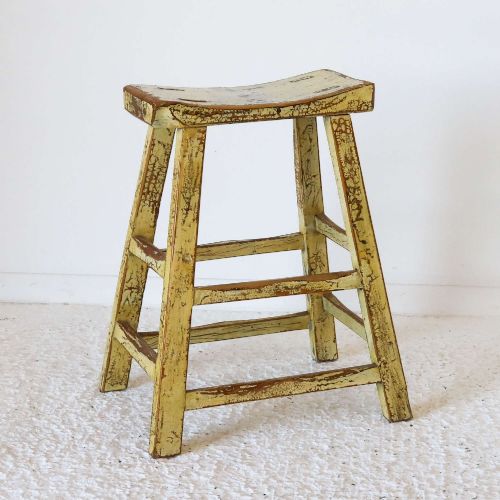
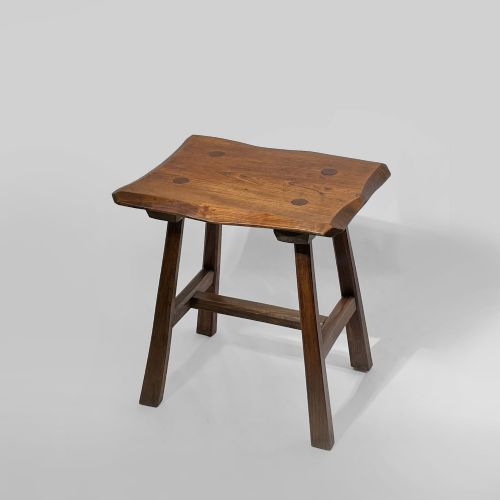


Vintage Chinese Stool
These vintage chinese stool examples bring versatile seating and display surfaces into a room, offering practical utility combined with rich regional craftsmanship.
Vintage Chinese Stool
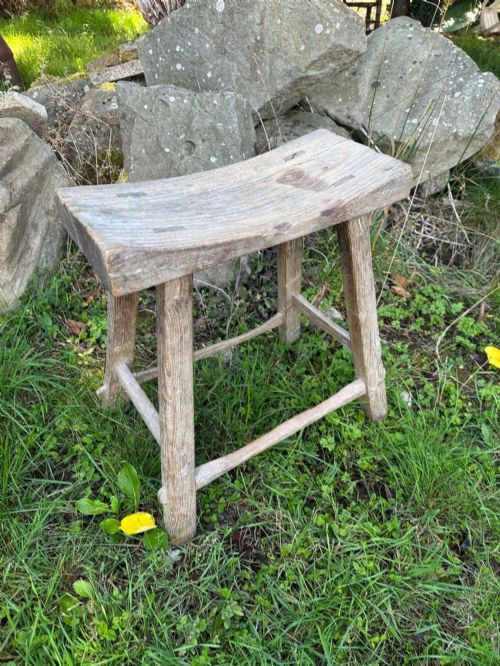
A vintage chinese stool encompasses a range of seating and low functional furniture types, including rustic vernacular forms and painted variations.
Buyers seeking a vintage chinese stool will regularly encounter pieces constructed from elm and hardwood, often originating from the nineteenth century through the early decades of the twentieth century.
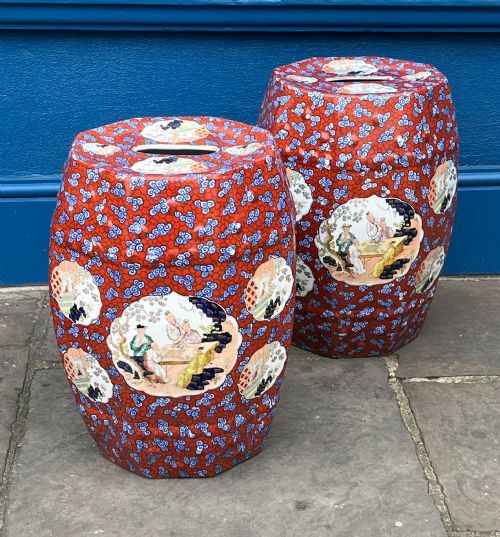
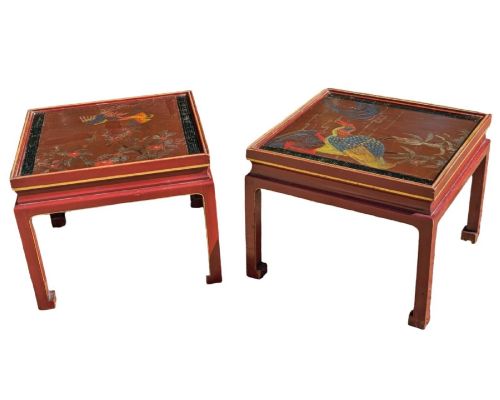
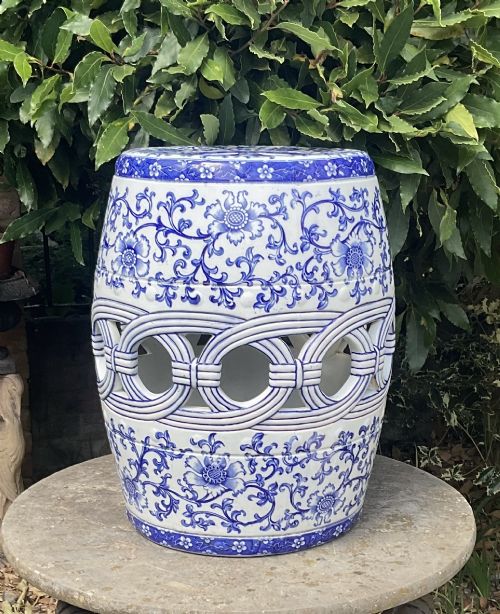
The selection extends to related low tables, plant stands, and garden seats that share similar stylistic roots in Qing Dynasty and Chinese Republic traditions.
Materials and Construction Methods
Makers utilised solid timbers such as elm, teak, and rosewood, building robust frames designed for daily domestic utility.
Surface treatments frequently involve traditional lacquerwork, painted Chinoiserie decoration, and occasionally inset marble panels or cloisonne details.
Vintage Chinese Stool Retail Price Guide 2026
Typical asking prices for vintage chinese stool among the pieces listed under this phrase on Sellingantiques today, from the lower quarter to the upper quarter. They describe what is for sale here now, not the wider market.
Several items double happily as pedestals for very important house plants.
Evaluating Quality and Execution
Quality rests upon the integrity of the timber joints and the preservation of original lacquered or painted finishes.
Superior examples demonstrate refined carving and thoughtful material selection, such as closely fitted marble inserts or balanced proportions in rustic forms.
Whytock and Reid
The Vintage Chinese Stool Glossary
- Chinoiserie
- European interpretation of Chinese artistic motifs, appearing on painted furniture and decorative accessories. This style became popular during various British periods including the Edwardian era.
- Cloisonne
- Enamelwork technique where thin wire creates cells on a metal base, filled with coloured paste and fired. It is found on select decorative side tables.
- Elm
- A durable hardwood native to temperate regions, commonly utilised for traditional vernacular seating and tables. Its fibrous grain provides strong structural support.
- Rosewood
- A dense, heavy timber valued for its rich dark colour and smooth finish, often reserved for finer lamp and occasional tables.
Vintage Chinese Stool: Frequently Asked Questions
What is a vintage chinese stool used for?
These pieces serve primarily as low seating or compact side surfaces for lamps and plants within domestic spaces.
Their sturdy timber construction allows them to function reliably as movable accents in living areas.
How do I care for lacquered wood?
Maintain lacquered surfaces by keeping them away from direct sunlight and excessive moisture to protect the finish.
Dust gently with a dry, soft cloth rather than using harsh chemical cleaning products.
Are garden seats suitable indoors?
Ceramic and porcelain garden seats adapt easily to interior spaces as occasional tables or sculptural floor pieces.
Their heavy construction provides stability when placed on carpets or wooden flooring.
How do I distinguish periods?
Dating relies upon observing the wear of original finishes, construction joinery techniques, and stylistic markers tied to the nineteenth century or the Edwardian period.
Comparing timber types and decorative motifs like Chinoiserie helps clarify the era of manufacture.