





Vintage Chinese Coffer
A vintage chinese coffer brings practical storage and centuries of craftsmanship into the home through carved timber and brass-bound trunk forms.
Vintage Chinese Coffer
A vintage chinese coffer is fundamentally a trunk, chest, or blanket box designed for travel and household storage. The selection centres heavily on camphor wood chests and trunks, alongside occasional sideboards and cupboards.
Most examples originate from the nineteenth century or the early twentieth century, spanning decades of traditional and export trade production. Buyers encounter pieces described through styles such as Chinese Export, Campaign, and Art Deco.
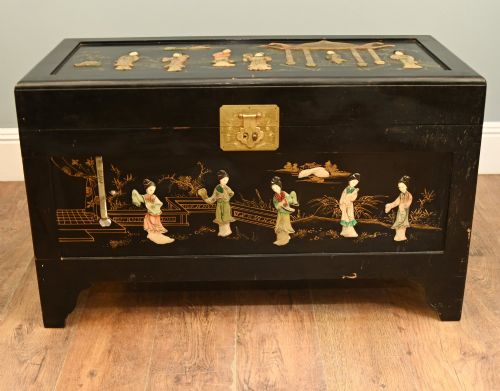
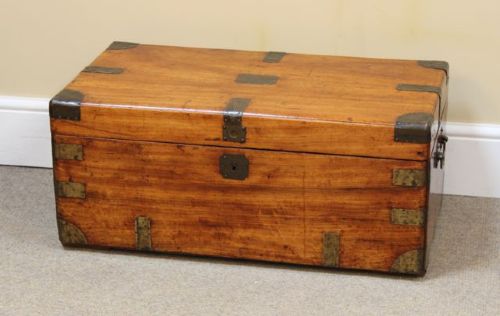
These items served practical functions in domestic life and maritime transport, translating today into robust storage furniture. The forms range from plain timber boxes to richly carved and painted storage trunks.
Assessing quality and craftsmanship
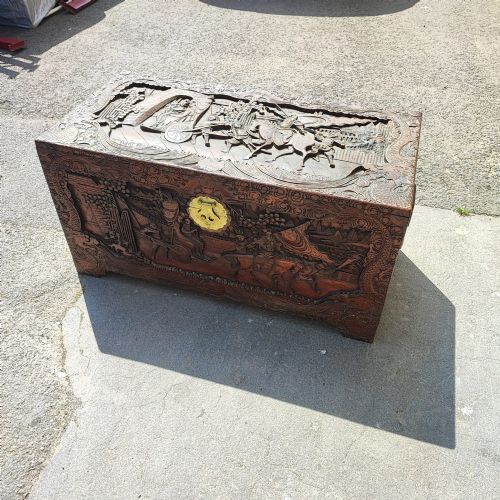
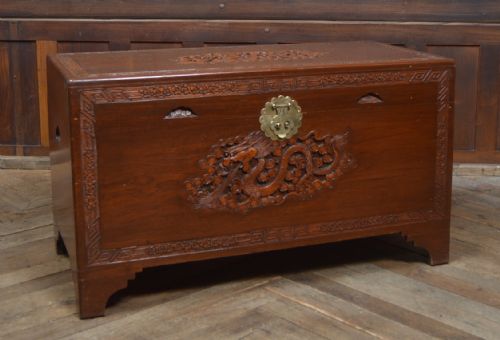
The depth and clarity of hand carving separate standard storage boxes from exceptional decorative examples. Relief work on camphor wood displays varying degrees of fine detail and artistic execution.
Hardware integrity and material combination influence the overall standard of each chest. Original brass mountings, durable leather coverings, and well-preserved lacquer finishes elevate the character of the piece.
Vintage Chinese Coffer Retail Price Guide 2026
Typical asking prices for vintage chinese coffer among the pieces listed under this phrase on Sellingantiques today, from the lower quarter to the upper quarter. They describe what is for sale here now, not the wider market.
Listings feature woods such as camphor wood and elm, alongside brass, leather, and lacquer materials.
The Vintage Chinese Coffer Glossary
- Camphor wood
- An aromatic timber frequently utilised in Asian trunk making to protect stored textiles from insects. Its distinctive scent remains detectable decades after manufacture.
- Campaign style
- Furniture constructed for portability and military travel, typically featuring recessed brass handles and reinforced corners. These pieces were built to withstand frequent relocation.
- Chinese Export
- Goods manufactured in China specifically for Western markets, often blending traditional local techniques with European aesthetic demands. Such items frequently incorporate trade themes.
- Lacquer
- A durable finish applied in multiple layers to wood surfaces, derived from natural resin and often pigmented. It provides both protection and a glossy decorative exterior.
- Pig skin
- A tough animal hide utilised to cover shipping trunks and trade luggage for enhanced weather resistance. It offers a distinct textured surface compared to bare timber.
Vintage Chinese Coffer: Frequently Asked Questions
What were Chinese coffers used for?
These pieces served primarily as travel luggage and domestic storage chests for clothing and valuables. Camphor wood variants were specifically chosen to protect garments from moths.
Over time, households utilised them as general blanket boxes and decorative furniture. Their sturdy construction allowed them to survive long sea journeys before settling in domestic interiors.
How do I care for a camphor wood chest?
Keep the wood away from direct heat sources and strong sunlight to prevent the timber from drying out or splitting. Dust the carved surfaces gently with a soft, dry cloth.
Avoid applying heavy modern polishes that might alter the natural finish of the wood. Allowing the interior to breathe helps maintain the characteristic natural aroma.
Are these trunks waterproof?
While brass-bound campaign trunks and leather-covered shipping chests offered protection against sea spray and rough travel conditions during transit, they are not hermetically sealed today. The tight-fitting lids and metal reinforcements were designed for general luggage security.
Modern owners should treat them as indoor storage furniture rather than waterproof containers. Environmental humidity control remains important for vintage timber.
How can I tell the period of a trunk?
Dating relies on observing construction methods, materials, and stylistic details recorded across nineteenth and early twentieth-century examples. Nineteenth-century pieces often display heavier brass hardware and traditional hand-carved motifs.
Later items from the decades around nineteen-twenty and nineteen-thirty occasionally incorporate diverse materials like limed oak or distinct regional decoration. Comparing the specific brass-work and joinery helps determine the era.