



Carved Elm Cabinet
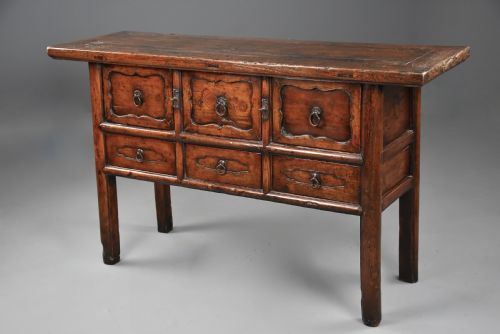
Carved elm cabinet pieces offer rich figure and tactile depth, bringing country house warmth and regional craftsmanship straight into a modern room.
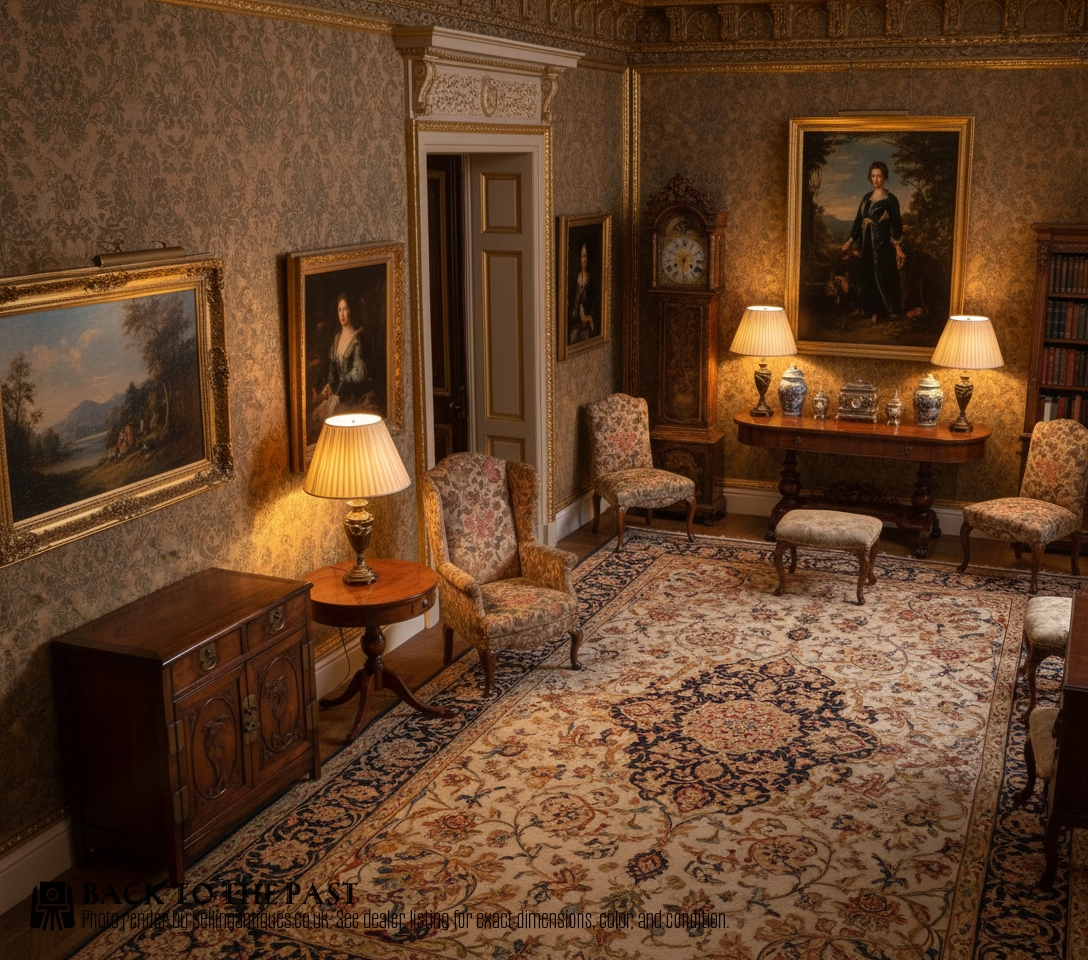
Carved Elm Cabinet
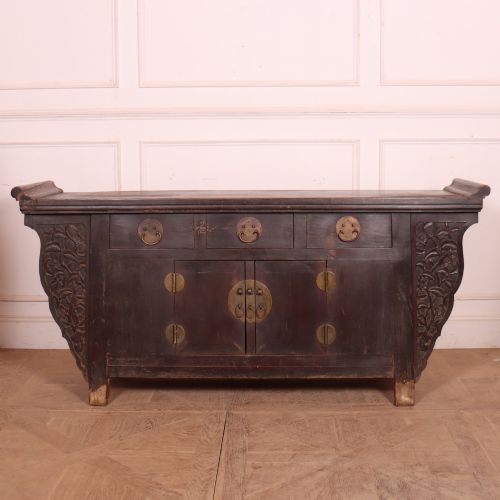
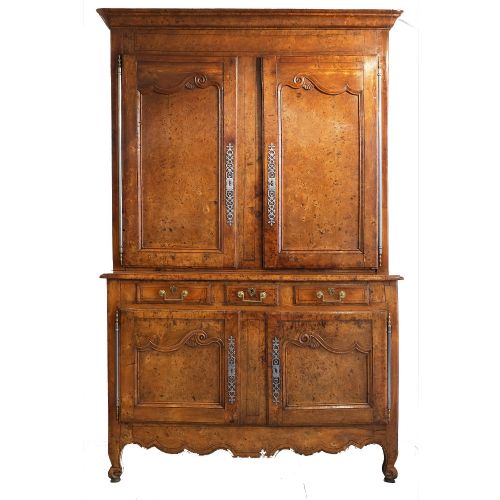
A carved elm cabinet search brings together diverse regional forms, spanning English country workshops, French provincial kitchens, and Chinese provincial houses. These storage pieces range from bedside chests and cellarettes to large dressers, sideboards, and marriage cabinets.
Buyers most frequently encounter 19th Century examples on this page, alongside 18th Century forms and early 20th Century workshop items. The variety encompasses distinct styles such as Qing Dynasty, Georgian, Arts and Crafts, and French Provincial, each showing how different makers utilised this timber.
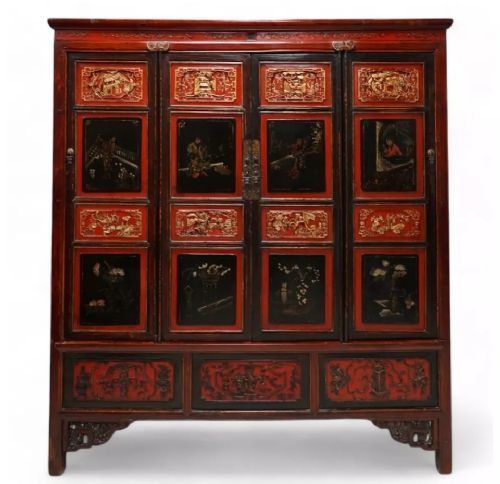
The objects serve practical storage needs through bookcases, cupboards, and bureaus while displaying the distinct grain and warm tone of elm. Regional variations define the character of each piece, from English country furniture to Anglo-Indian bureau designs and Chinese red lacquer finishes.
How they were made
Makers utilised elm alongside ash, burr elm, and hardwood timbers, combining robust native woods with structural iron, steel, and brass hardware. Cabinet construction relied on solid timber framing and traditional joinery to handle the dense, interlocking grain of elm.
Surface treatments varied from the natural patination of rustic Chinese dressers and French provincial dressers to vibrant red lacquer on Chinese marriage cabinets. Decorative detailing included carved panels, subtle inlay work, and functional brass or iron mounts.
Carved Elm Cabinet Retail Price Guide 2026
Typical asking prices for carved elm cabinet among the pieces listed under this phrase on Sellingantiques today, from the lower quarter to the upper quarter. They describe what is for sale here now, not the wider market.
Materials recorded on this page include solid elm, burr elm, ash, hardwood, brass, steel, iron, and lacquer.
What varies in quality
Quality rests in the selection of the timber itself, particularly where burr elm or highly figured grain displays depth and movement across the panels. Superior pieces show careful matching of the wood figure across doors and drawers rather than random board placement.
The crispness and depth of carved elements separate standard utility pieces from finer commissions, such as those associated with Augustus Pugin or specific Arts and Crafts workshops. Structural integrity, original brass or iron hardware, and well-preserved surface patination complete the distinction between ordinary and exceptional examples.
Augustus Pugin
The Carved Elm Cabinet Glossary
- Elm
- A tough, durable hardwood with a characteristic interlocking grain that resists splitting. It has been used for centuries in regional furniture and country seating.
- Burr Elm
- A distinctive growth on an elm tree that produces highly figured, swirling grain patterns. Cabinetmakers prize this timber for decorative veneer and statement panels.
- Deux Corps
- A large, two-section storage piece comprising an upper cupboard sitting upon a lower base. This traditional form offers generous shelving and display space.
- Close Stool
- A historic piece of bedroom furniture designed to enclose a chamber pot, often disguised as a small chest or cabinet. Georgian examples frequently utilised fine elm and mahogany.
- Cellarette
- A low cabinet or box designed to hold bottles of wine and spirits near a dining table. Regency versions in burr elm often featured fitted interiors and secure locks.
Carved Elm Cabinet: Frequently Asked Questions
What is a carved elm cabinet?
A carved elm cabinet is a regional storage piece constructed from native elm timber, featuring decorative carved panels or mouldings. These items range from small bedside chests and cellarettes to large dressers and cupboards.
They appear across various traditions, including English country workshops, French provincial houses, and Chinese provincial forms, each reflecting local cabinetmaking customs.
How do I care for antique elm furniture?
Antique elm requires stable indoor humidity levels away from direct heat sources and strong sunlight to prevent timber movement. Regular dusting with a dry, soft cloth helps preserve the natural patina.
Avoid using modern silicone polishes, as they build up residue on the wood surface over time. Professional wax can be applied sparingly when the timber appears dry.
How can I tell the period of an elm cabinet?
Dating relies on construction methods, hardware types, timber preparation, and stylistic cues present in the design. Georgian and 18th Century pieces often employ hand-cut joinery and specific regional proportions, while 19th Century and Arts and Crafts examples show different decorative approaches.
Examining the interior timber, backboards, and fastener types helps confirm the manufacturing era.
Where were these cabinets made?
These cabinets originate from diverse geographic regions, including English country workshops, French provincial districts, Shanxi Province in China, and Anglo-Indian centres. Each region imparted distinct stylistic traditions and construction techniques onto the timber.
Local timber availability and cultural storage requirements shaped the final form of each piece.