

Vintage China Plates
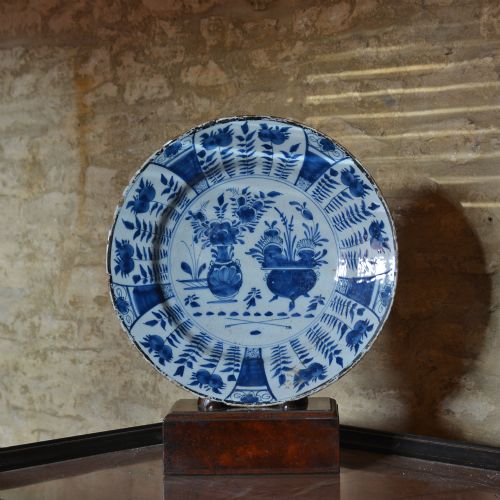
Vintage china plates bring centuries of kilncraft and hand-painting to the table, offering a tangible link to Georgian, Victorian, and later dining traditions.
Vintage China Plates
When searching for vintage china plates, buyers encounter a diverse selection ranging from early nineteenth-century earthenware and bone china to twentieth-century cabinet pieces. The selection spans distinct eras including the Regency, Victorian, and Edwardian periods, alongside later twentieth-century examples.
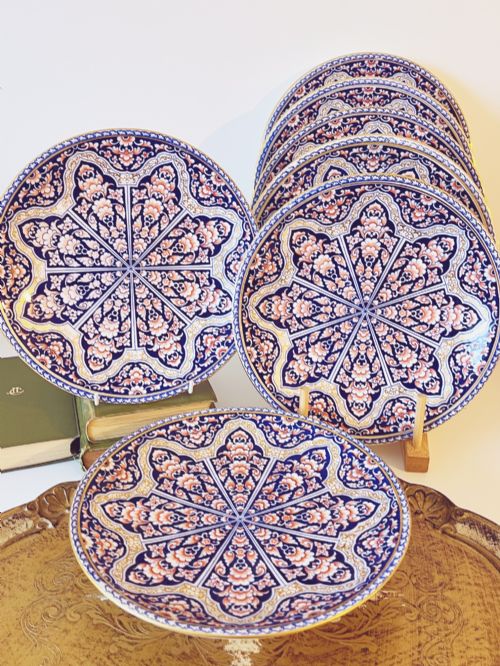
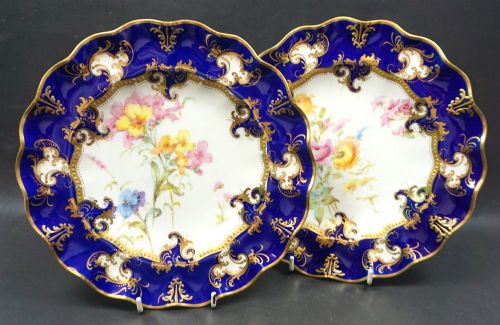
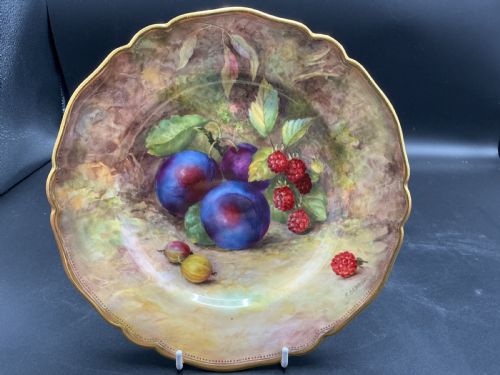
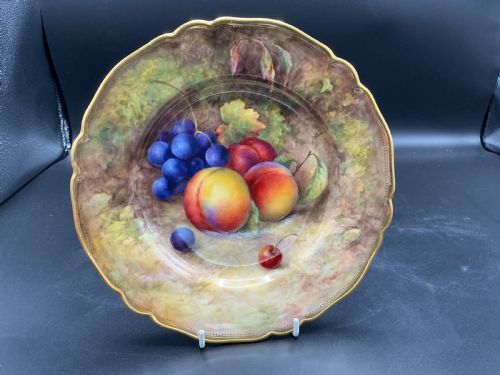
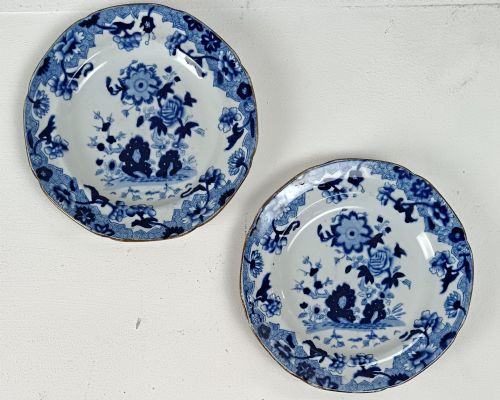
Most pieces on this page appear as individual decorative cabinet plates, matched pairs, or larger sets intended for dessert service. Makers utilised porcelain, bone china, ironstone, and earthenware to produce wares suited to display as well as formal dining.
Materials and production methods
Potters shaped fine porcelain, bone china, and ironstone before applying glazes and underglaze or overglaze colours. Artisans frequently integrated hand-painted details, transfer printing, and gold leaf gilding.
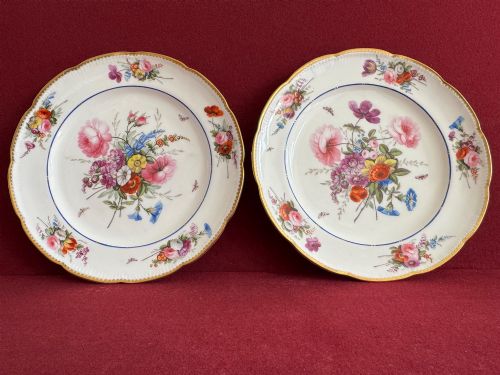
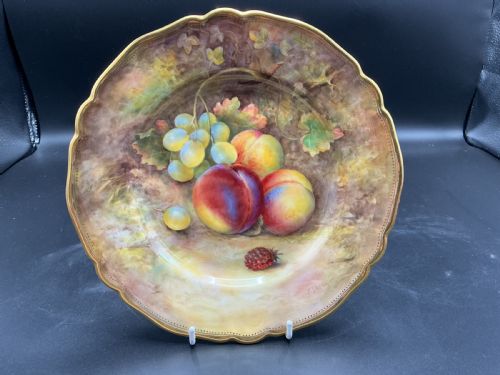
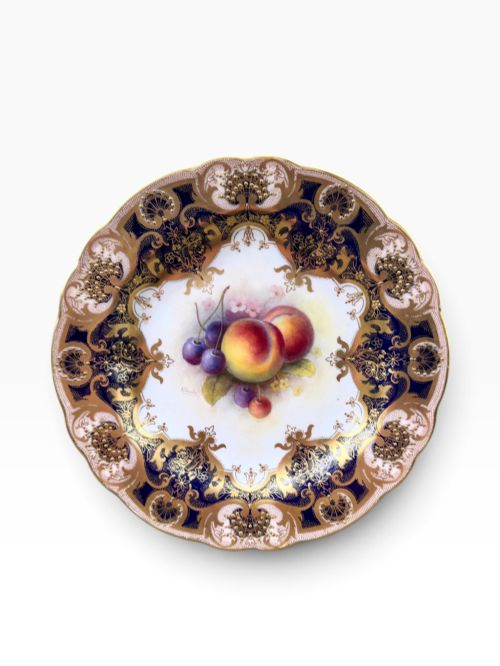
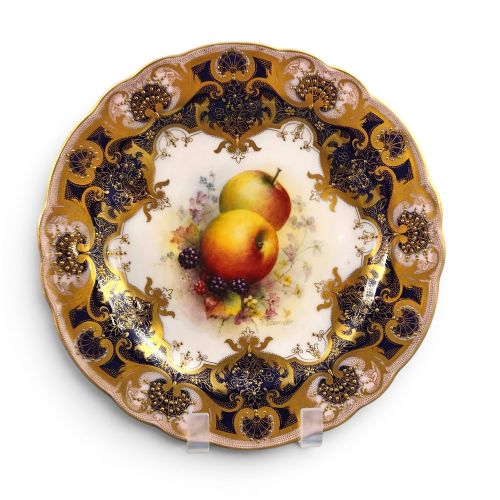
Kiln firing set the body and glaze, after which specialised artists painted subjects such as fruit, flowers, and scenic views, sometimes adding signatures to individual cabinet plates.
Vintage China Plates Retail Price Guide 2026
Typical asking prices for vintage china plates among the pieces listed under this phrase on Sellingantiques today, from the lower quarter to the upper quarter. They describe what is for sale here now, not the wider market.
Listings feature porcelain, bone china, and ironstone spanning the 19th and 20th centuries.
Factors influencing quality
Quality rests on the crispness of the transfer print, the delicacy of the porcelain body, and the skill evident in hand-painted enamel work. Pieces featuring signed artistry by notable painters command particular attention for their artistic merit.
The preservation of original gilding and glaze integrity distinguishes superior examples from heavily worn service ware. The weight, resonance, and translucency of the ceramic body further separate standard domestic wares from fine cabinet porcelain.
Royal Worcester·Royal Crown Derby·William Smith And Co·Royal Doulton·Clarice Cliff·Paul Muller Selb
The Vintage China Plates Glossary
- Bone china
- A type of soft-paste porcelain incorporating animal bone ash, resulting in a strong, translucent ceramic body.
- Cabinet plate
- A decorative plate intended primarily for display in a cabinet or on a wall rather than for daily dining use.
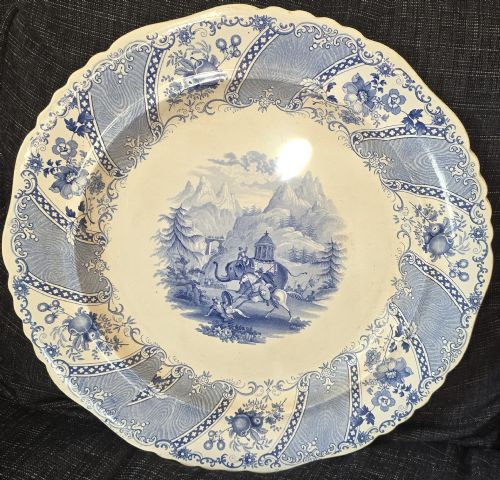
- Transferware
- Pottery decorated by applying a design from an engraved copper plate onto tissue paper, which is then transferred onto the unglazed or bisque ceramic.
- Imari
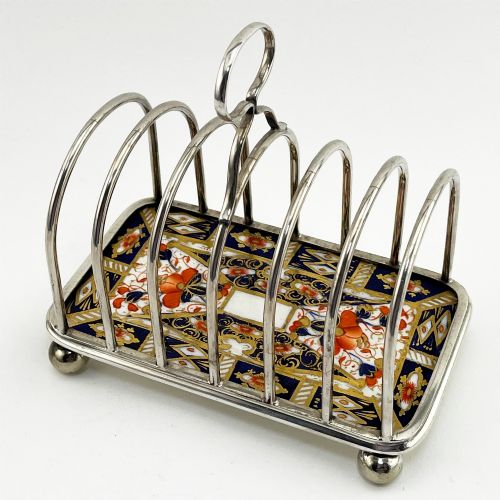
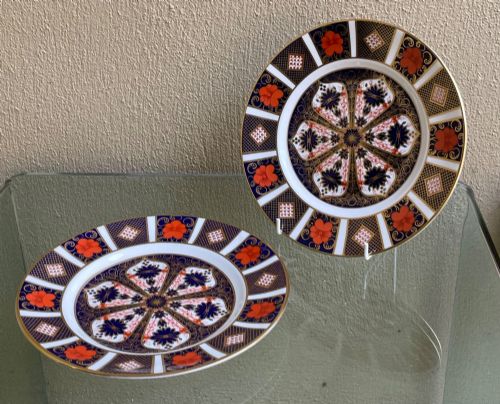
- A style of Japanese porcelain featuring a distinct palette of cobalt blue, iron red, and gold, which inspired numerous European imitations.
Vintage China Plates: Frequently Asked Questions
Can I use vintage china plates for everyday dining?
Many sturdy earthenware and ironstone pieces were built for regular service, though older or heavily gilded porcelain is better reserved for display and light use.
Hand-washed care helps preserve delicate enamel colours and gold leaf details over time.
How do I identify the age of a plate?
Makers' marks stamped, painted, or impressed on the reverse provide the primary clue to dating, often corresponding to specific registration numbers or date codes.
Style, ceramic body type, and manufacturing technique offer additional context for determining the period.
What is the difference between earthenware and porcelain?
Earthenware is a porous, opaque ceramic fired at lower temperatures, whereas porcelain is vitrified, dense, and frequently translucent.
Porcelain requires higher firing temperatures and offers greater refinement in thinness and detail.
How should I display cabinet plates safely?
Wall mounting requires specialised plate hangers with coated springs that grip the rim securely without causing abrasion to the glaze.
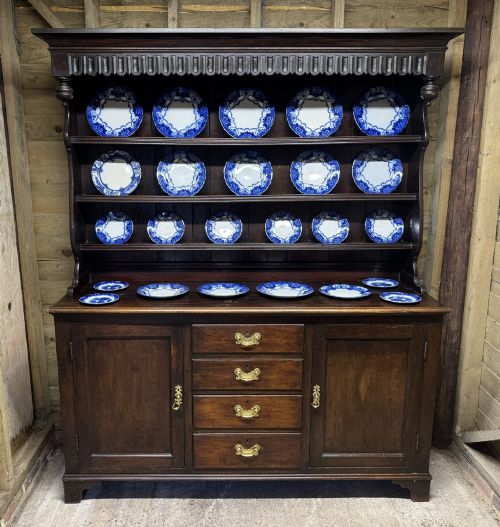
Cabinets or plate racks keep pieces stable while allowing the painted surfaces to remain visible.