






Vintage Cherub Figures
These vintage cherub figures bring classical presence and decorative charm to a room, ranging from small desk ornaments to heavy garden statuary.
Vintage Cherub Figures
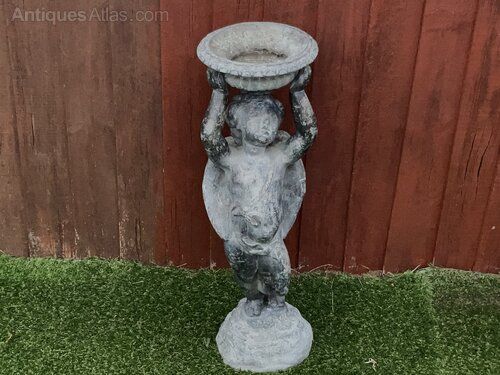
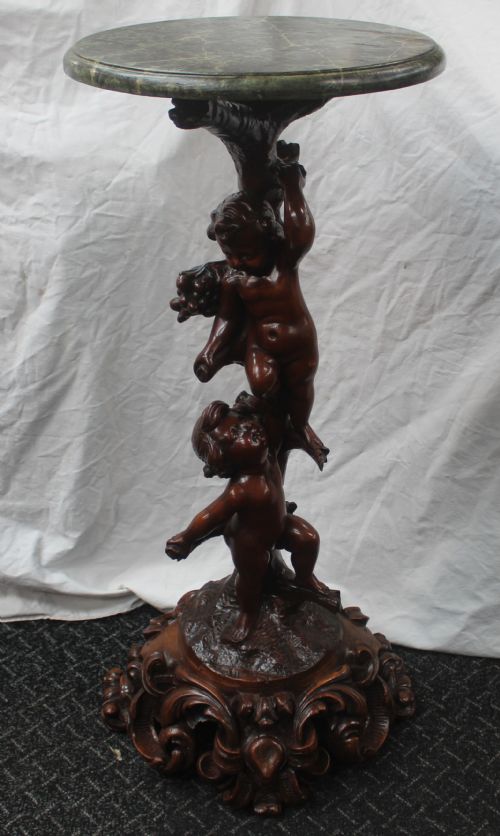
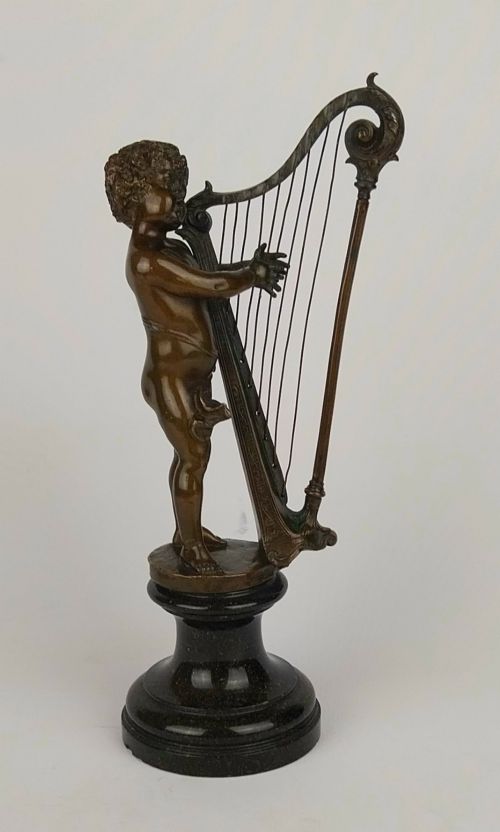
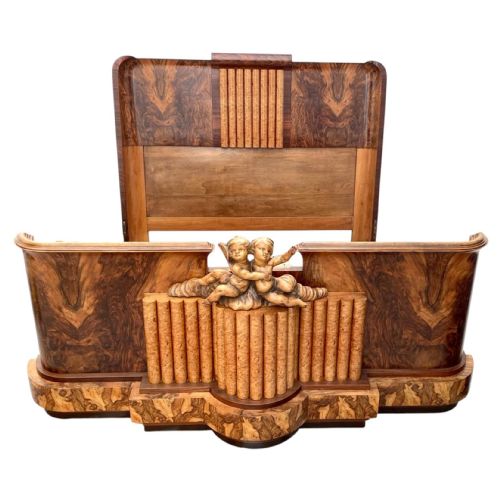
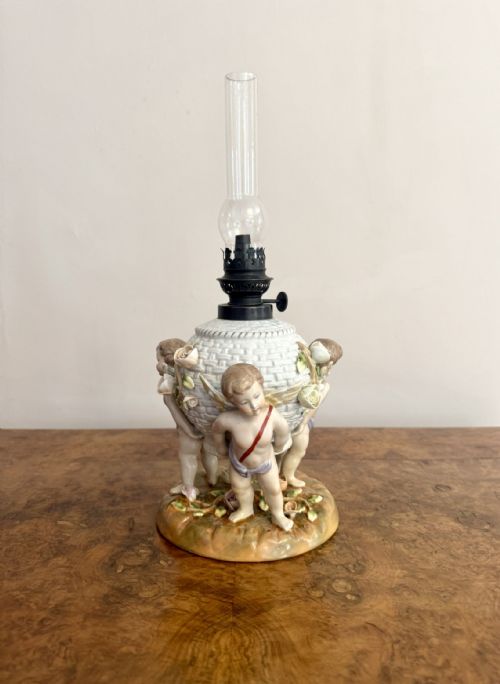
When you search for vintage cherub figures, you encounter a diverse gathering of sculptural objects spanning domestic ornaments and architectural elements. These pieces draw heavily on historical motifs, taking the form of freestanding bronzes, porcelain figurines, and cast garden statues.
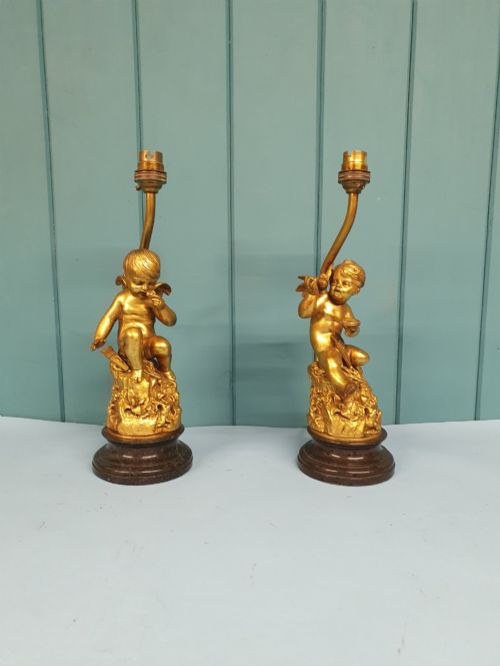
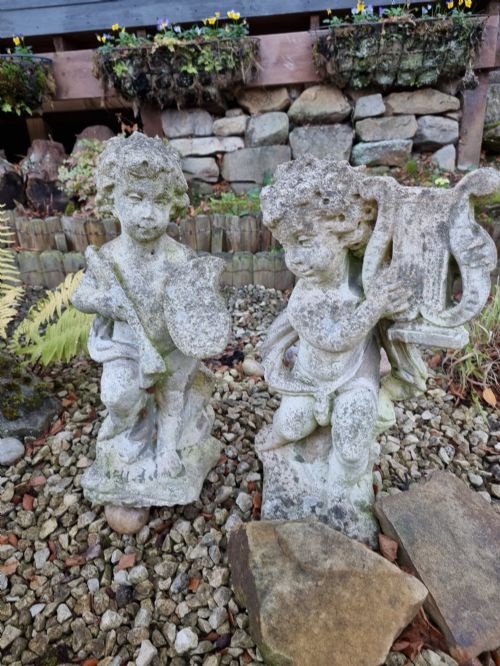
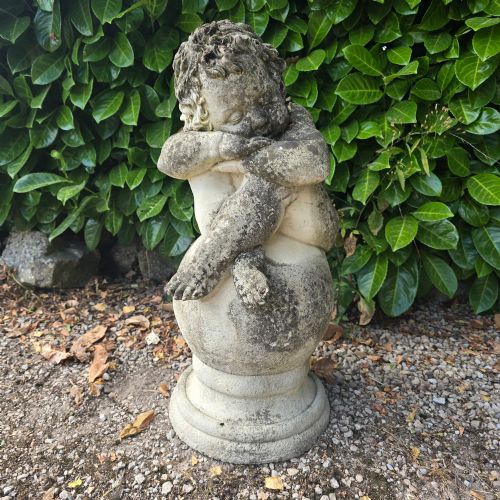
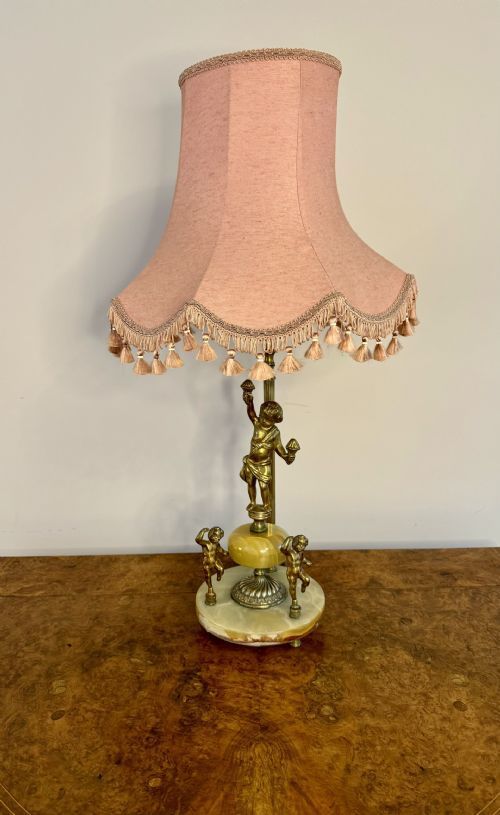
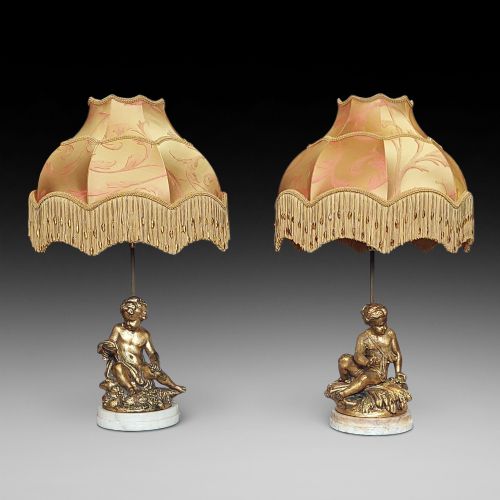
The selections on this page lean heavily toward nineteenth-century works and early twentieth-century interpretations. You find domestic items like table lamps, bookends, and candelabra alongside larger weathered stone figures meant for outdoor spaces.
Many items originate from continental workshops, particularly Italian and French foundries, reflecting classical revival and rococo tastes. These pieces range from refined porcelain groups to robust cast iron and bronze statuettes.
Materials and construction methods
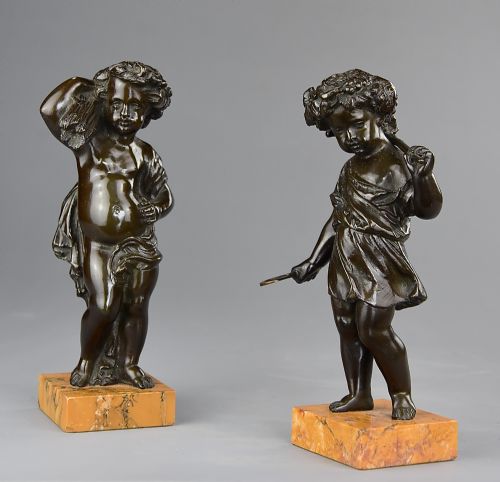
Foundries shaped these works using traditional metalworking methods, casting bronze and brass into detailed figures before applying patinas or gilt finishes. Iron and lead served for heavier doorstops, planters, and garden ornaments.
Ceramic pieces rely on porcelain bodies, often painted with polychrome details and glazed in European factories. Stonework and reconstituted stone utilise moulded aggregates designed to weather outdoors over decades.
Vintage Cherub Figures Retail Price Guide 2026
Typical asking prices for vintage cherub figures among the pieces listed under this phrase on Sellingantiques today, from the lower quarter to the upper quarter. They describe what is for sale here now, not the wider market.
Materials span bronze, marble, porcelain, reconstituted stone, gilt bronze, fabric, brass, glass, lead, and iron across the nineteenth and twentieth centuries.
Assessing craftsmanship and finish
The distinction between ordinary and superior pieces rests in the sharpness of the casting and the sensitivity of the modelling. Finer bronzes retain crisp facial expressions and intricate feather detail in the wings, whereas lesser items show softened edges from worn moulds.
In porcelain and earthenware, quality appears in the precision of the hand-painted enamels and the smoothness of the glaze. Metalwork quality is visible in the depth of the chased surface details and the weight of the underlying material.
Royal Dux Bohemia·Royal Worcester Porcelain
The Vintage Cherub Figures Glossary
- Putto
- A chubby male infant figure often depicted in classical art and sculpture. These figures frequently appear in garden statuary and architectural decorations.
- Polychrome
- Painted in several colours. This term describes ceramics and wooden carvings decorated with multiple enamel or pigment shades.
- Gilt Bronze
- Bronze metal coated with a thin layer of gold. It provides a bright reflective surface popular in nineteenth-century decorative lamps and candelabra.
- Terracotta
- Baked earth pottery used for sculptural figures and garden ornaments. It ranges in colour from pale buff to deep reddish brown.
- Patina
- The surface sheen or colour alteration developed on metal or stone through age and use. Collectors value a stable natural patina for its authenticity.
Vintage Cherub Figures: Frequently Asked Questions
What materials are these figures made from?
The selection includes metals like bronze, brass, and cast iron alongside porcelain and carved stone. Garden pieces often utilise lead or reconstituted stone designed to withstand outdoor elements.
Domestic decorative items frequently combine materials, mounting bronze figures on marble bases or pairing porcelain with gilded metal fittings.
How do I care for bronze cherub sculptures?
Bronze requires minimal maintenance beyond occasional dusting with a soft dry cloth. Avoid using harsh chemical cleaners that can strip the historic patina from the metal surface.
If the piece is displayed outdoors, check local weather conditions and protect delicate stonework or lead figures from severe frost during winter months.
How can I tell the period of a figure?
Dating relies on examining the casting technique, the style of the base, and the type of finish or glaze applied to the material. Nineteenth-century bronzes often display heavier weight and deeper chasing than later twentieth-century reproductions.
Maker marks, factory stamps, and the natural wear patterns on the underside of bases offer further clues to the age and origin of ceramic and metal pieces.