



Vintage Chaise Lounge
A vintage chaise lounge offers an elegant spot for afternoon rest, bringing historic charm and long-form seating to any room.
Vintage Chaise Lounge
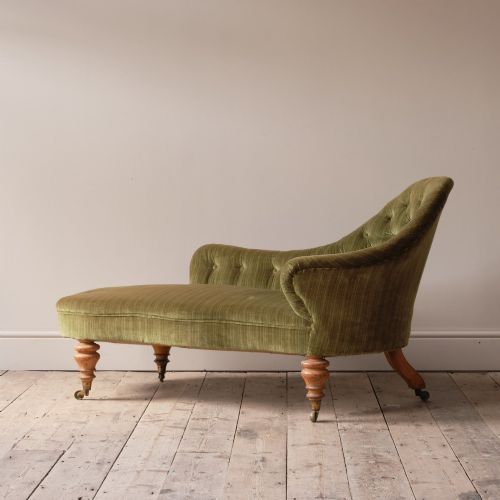
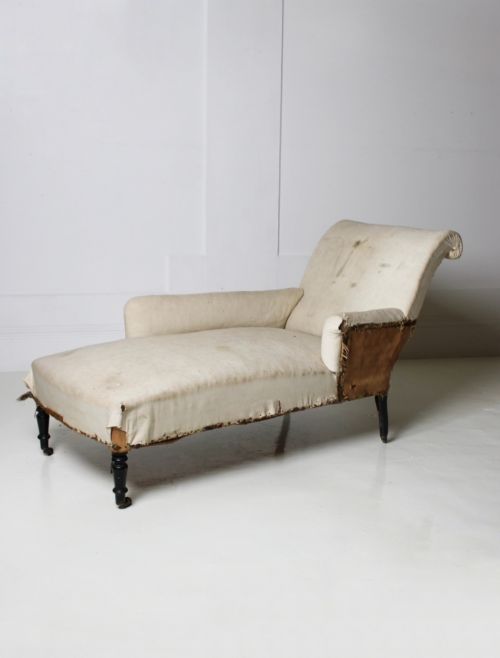
A vintage chaise lounge combines the support of a chair with the extended length of a bed, designed specifically for reclining in comfort without fully lying down. When searching for a vintage chaise lounge, buyers encounter forms that span several distinct eras, from early nineteenth-century Regency frames to late Victorian buttoned models.
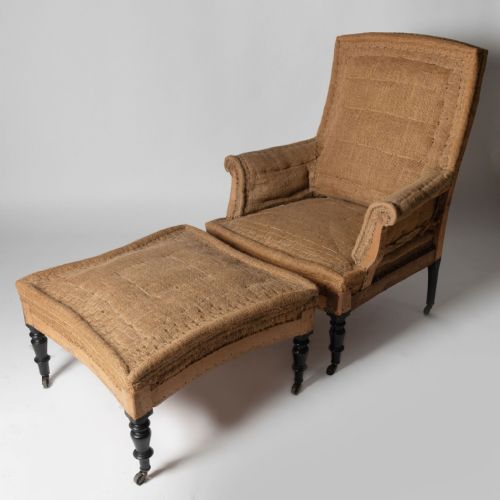
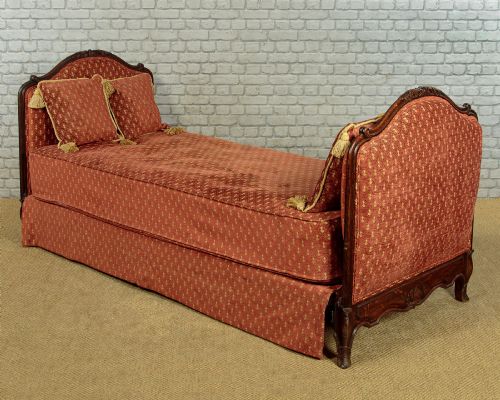
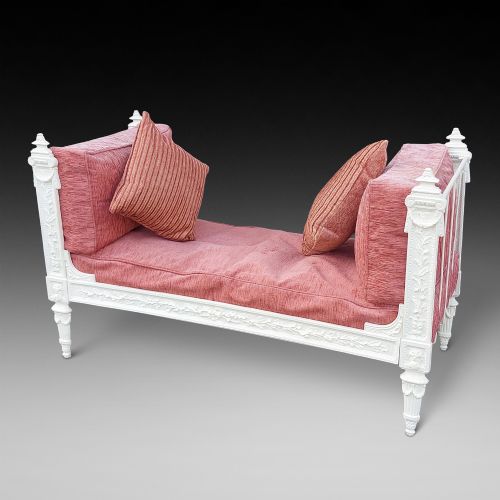
The pieces appearing on this page encompass various related daybeds, window seats, and reclining armchairs alongside traditional chaise longues. Solid timber frames in mahogany and rosewood sit alongside cast iron garden daybeds and French provincial seating, showing how diverse this seating type remains across different centuries.
Materials and construction methods
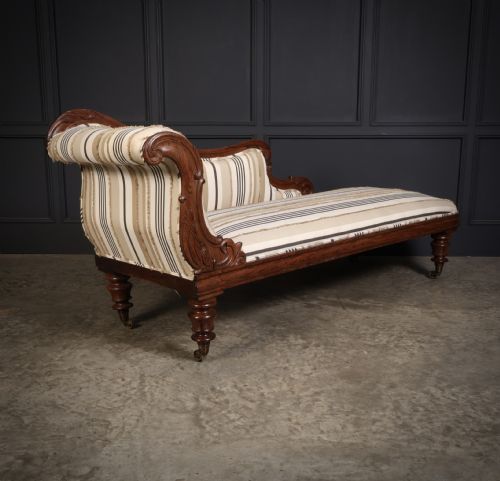
Makers constructed the structural frames of these pieces using dense hardwoods such as mahogany and rosewood, often carving details directly into the wood or applying gilt decoration. Metal variants utilise cast iron and wrought iron, particularly for garden daybeds and heavier nineteenth-century frames designed for durability.
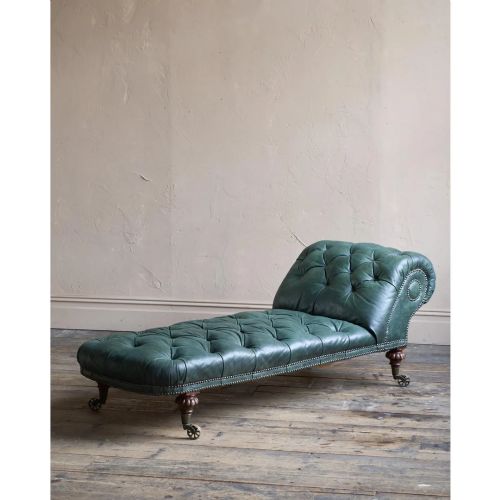
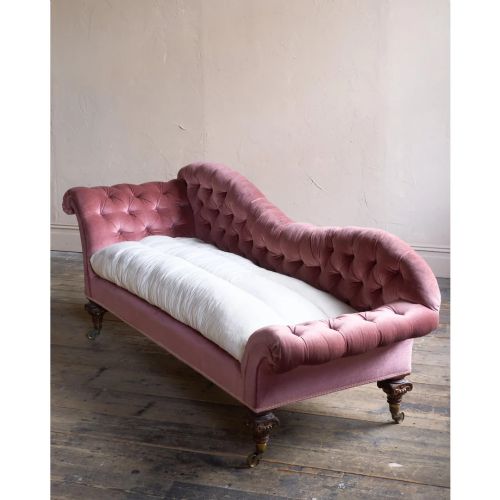
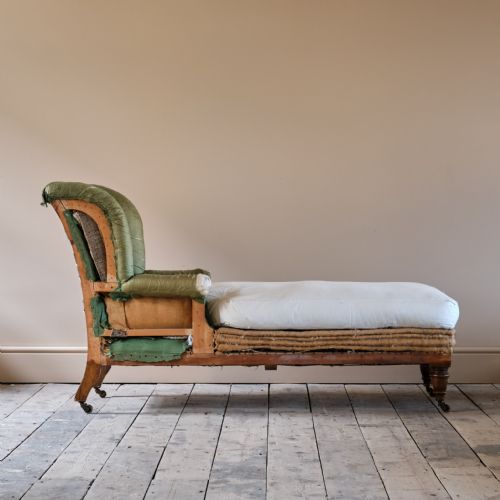
Upholstery techniques relied on traditional stuffing materials like horse hair contained within calico linings, finished with surface coverings in velvet, leather, and various fabrics. Buttoning secured the interior padding while turned wooden legs, brass castors, and ionic column details completed the structural assembly.
Vintage Chaise Lounge Retail Price Guide 2026
Typical asking prices for vintage chaise lounge among the pieces listed under this phrase on Sellingantiques today, from the lower quarter to the upper quarter. They describe what is for sale here now, not the wider market.
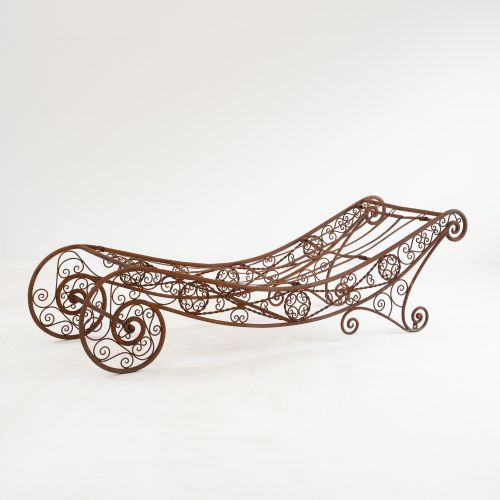
One surrealist day bed waits patiently to confuse your afternoon nap with modern art.
Distinctions in craftsmanship
The calibre of a vintage chaise lounge rests in the integrity of its wooden framework and the precision of its carved or turned details. Superior examples exhibit tightly joined mahogany or rosewood structures that remain stable over centuries of use.
Finishing work distinguishes finer pieces, evident in the depth of hand-applied buttoning on leather or velvet upholstery and the retention of original brass castors. The quality of the underlying horse hair fill and the harmony of proportion between the raised headrest and the main body dictate the piece's overall standing.
Howard And Sons·Jas Shoolbred·William Birch·Hampton And Sons
The Vintage Chaise Lounge Glossary
- Chaise Longue
- An upholstered long chair designed for reclining, featuring a backrest at one end and an extended seat for the legs.
- Day Bed
- A versatile piece serving as a seat by day and a bed by night, frequently sharing forms with nineteenth-century chaises.
- Buttoned
- An upholstery method where tufting pulls the fabric deep into the stuffing to create a patterned diamond effect.
- Castors
- Small wheel attachments fixed to the base of furniture legs to allow easier movement across floors.
- Horse Hair
- A traditional organic filling material utilised for internal padding due to its resilient and springy nature.
Vintage Chaise Lounge: Frequently Asked Questions
How do I choose the right vintage chaise lounge?
Consider the available floor space in your room and whether you prefer a fully upholstered back or an exposed timber frame in mahogany or rosewood. Measure the length carefully to ensure the piece fits comfortably against your wall or within a window bay.
Think about how the fabric colour - ranging from green leather to dark velvet - complements your existing interior palette. Original details like turned legs and castors add character and help confirm the period of manufacture.
Where were these daybeds placed historically?
Historically, homeowners placed these elongated seats in drawing rooms, private boudoirs, and large country house reception rooms for daytime resting. They offered a refined place to read or converse without retiring fully to a bedroom.
In warmer months, lighter iron variations moved out to covered verandahs and garden spaces. Today, they function well in studies, bedrooms, and spacious living areas as statement seating.
How do I care for leather upholstery?
Maintain antique leather by keeping it away from direct sunlight and heat sources that can dry out the hide over time. Apply a suitable nourishing leather balm periodically to preserve the supple texture and rich brown tone.
Dust the surface regularly with a soft, dry cloth to prevent dirt from settling into the grain and button folds. Avoid harsh chemical cleaners that strip the natural finish.
How can I tell a Regency chaise from a Victorian one?
Regency pieces often display classical architectural influences, such as mahogany frames referencing ancient Greek or Roman forms and sometimes featuring ionic column supports. They tend to have clean lines reflecting early nineteenth-century neoclassical tastes.
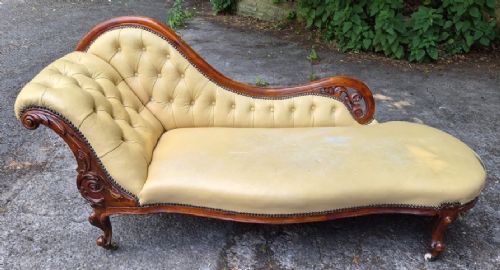
Victorian examples frequently introduce heavier carving, darker rosewood or walnut timbers, and deep buttoned velvet or leather upholstery. Turned legs with original brass castors are common hallmarks of the later Victorian period.