


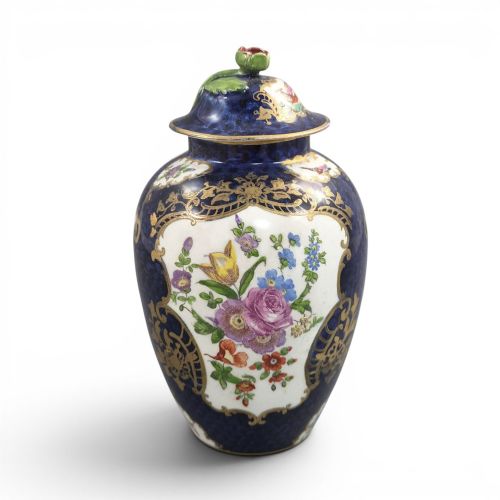


Vintage Ceramic Panel
A vintage ceramic panel brings painted colour and fired detail directly onto walls or into cabinets.
Vintage Ceramic Panel
A vintage ceramic panel encompasses decorative wall art, tiles, and inset plaques found across varied periods including the eighteenth century, Victorian era, and the nineteen-thirties. These pieces bring painted imagery, often featuring birds, figures, or geometric designs, straight onto ceramic surfaces.
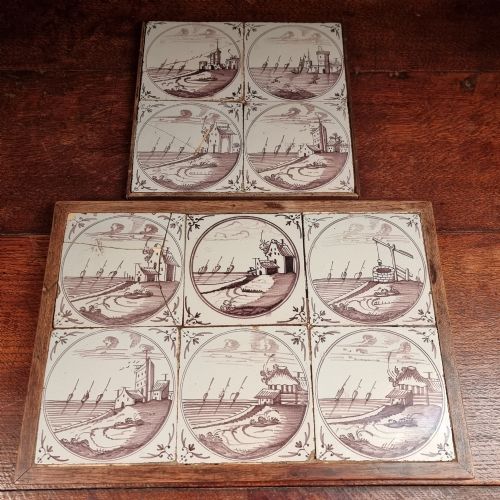
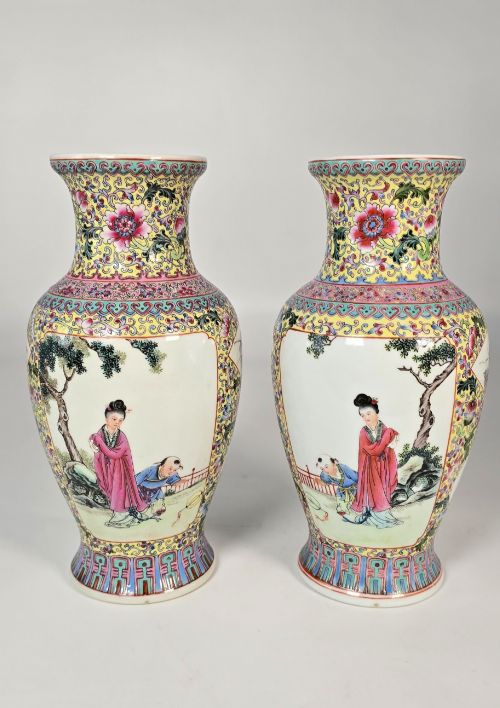
The selections available here range from single Dutch tin-glazed earthenware tiles and French Longwy examples to Chinese Republic period porcelain plaques and wall cabinets set with majolica panels. Such works demonstrate how makers integrated flat ceramic decoration into domestic settings.
How they were made
Makers utilised ceramic bases, porcelain, and tin-glazed earthenware, applying pigments and glazes before firing the pieces in kilns to fix the colour. Certain items incorporate gold leaf or gilt details to highlight specific areas of the painted design.
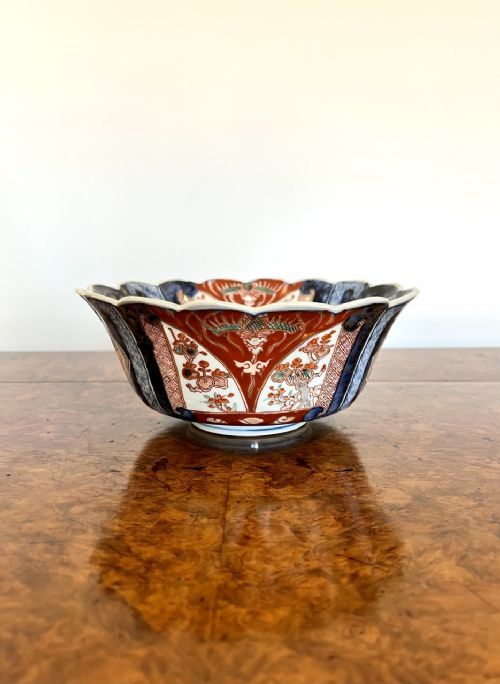
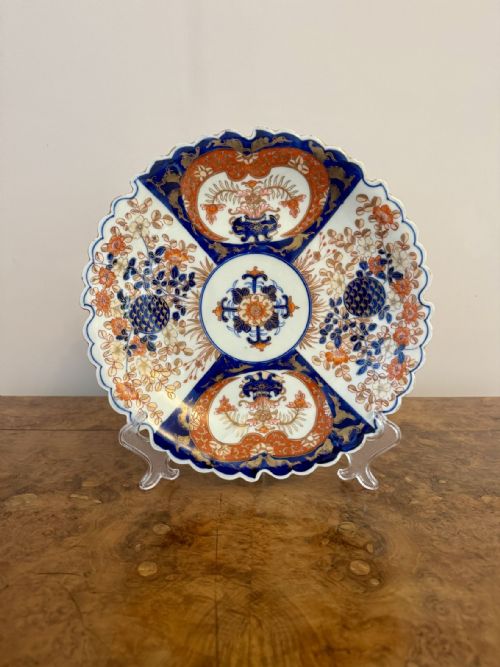
Techniques relied on careful hand painting, visible in works depicting birds, cheetahs, and imperial portraits, alongside specialised glazing methods seen in Majolica and Imari wares.
Vintage Ceramic Panel Retail Price Guide 2026
Typical asking prices for vintage ceramic panel among the pieces listed under this phrase on Sellingantiques today, from the lower quarter to the upper quarter. They describe what is for sale here now, not the wider market.
Cheetahs and exotic birds share the ceramic space, proving that kiln artists possessed a wonderfully wild imagination.
What varies in quality
Quality rests upon the precision of the hand painting and the complexity of the glaze work, distinguishing standard production items from finely executed artist plaques. The depth of the colour palette and the clarity of the fired pigments separate finer pieces from simpler domestic wares.
The integration of the panel within its broader context, such as a fitted wood display cabinet or mounted wall art, influences the overall character of the piece.
Royal Worcester·Booths Silicon China·Longwy
The Vintage Ceramic Panel Glossary
- Tin-Glazed Earthenware
- Pottery fired with an opaque white glaze containing tin oxide, providing a smooth surface for painted decoration. This technique underpins traditional Dutch and European tile production.
- Majolica
- A type of earthenware covered with an opaque tin glaze and painted with brightly coloured metal oxide pigments. It gained popularity for decorative panels and architectural ceramics.
- Imari
- A style of Japanese export porcelain characterised by a palette of underglaze blue, iron red, and gilt. Pieces often feature intricate floral and geometric panel motifs.
- Plaque
- A flat ornamental plate or tablet of ceramic intended for mounting on a wall or setting into furniture. These items serve a purely decorative function rather than a utilitarian one.
Vintage Ceramic Panel: Frequently Asked Questions
What is a ceramic panel?
A ceramic panel is a flat decorated piece of pottery, porcelain, or earthenware designed to be displayed on walls or integrated into furniture.
These items range from individual painted tiles to large porcelain plaques created by various international kilns.
How were these panels used?
They functioned primarily as decorative art, mounted on walls, framed, or set directly into wooden cabinetry.
Owners displayed them in reception rooms to showcase fine hand painting and colourful glazed motifs.
How do I clean a vintage ceramic panel?
Dust the surface gently with a soft, dry cloth to remove accumulated particles without disturbing the glaze.
Avoid liquid cleaners or abrasive materials, particularly on pieces featuring gilt or delicate enamel details.
How can I tell the period?
Dating relies on stylistic markers, the specific type of ceramic body, and characteristic glaze formulations from eras like the Victorian period or nineteen-thirties.
Examining the reverse side of the tile or plaque often reveals factory marks or construction methods unique to a specific time.