



Vintage Ceramic Jars
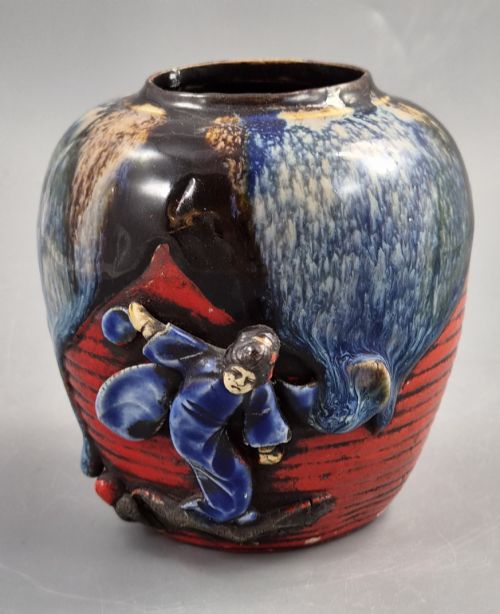
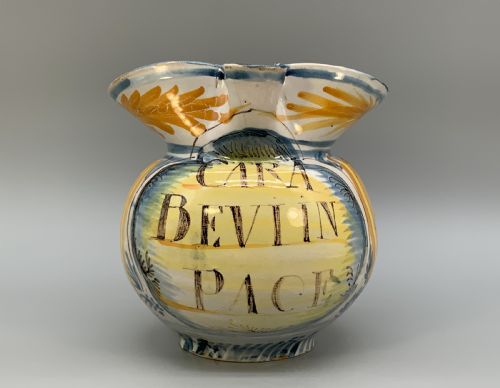
These vintage ceramic jars span centuries of utility and display, offering tactile history and functional beauty for the home.
Vintage Ceramic Jars
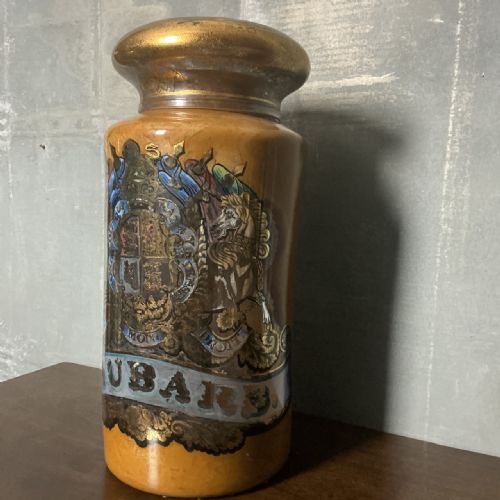
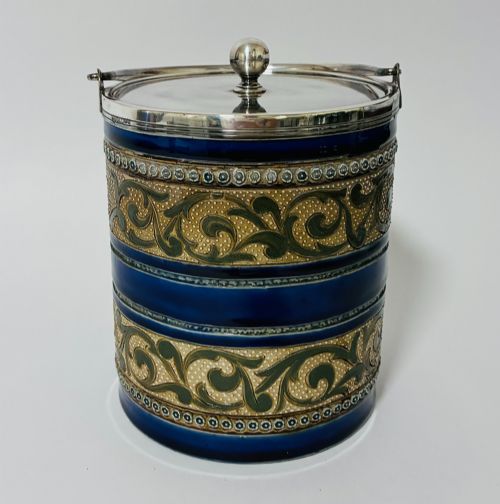
Vintage ceramic jars comprise a diverse group of utilitarian and decorative vessels, including nineteenth century apothecary jars, biscuit barrels, and ginger jars. These pieces emerge from periods ranging from the seventeenth century through the mid twentieth century, encompassing English, French, and Asian origins.
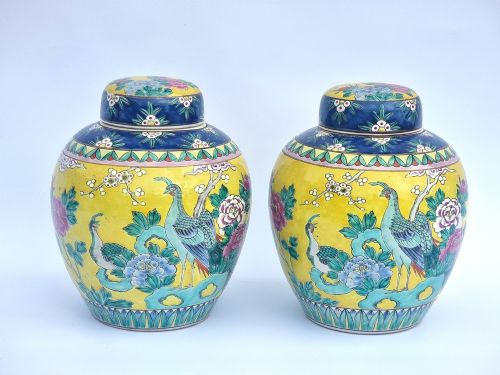
Buyers seeking vintage ceramic jars often encounter French confit pots alongside English Victorian biscuit barrels and Japanese Imari ginger jars. These items reflect traditional kitchen storage, pharmacy dispensing, and decorative household display across different eras.
How they were made
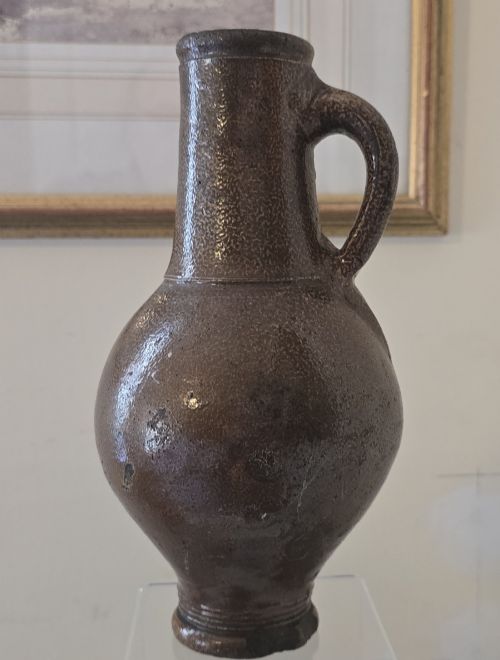
Potters shaped these vessels from earthenware, terracotta, stoneware, and porcelain, applying glazes such as tin enamel, cobalt blue, and dribble finishes. Workshops utilised manual throwing and moulding techniques before firing the clay in kilns.
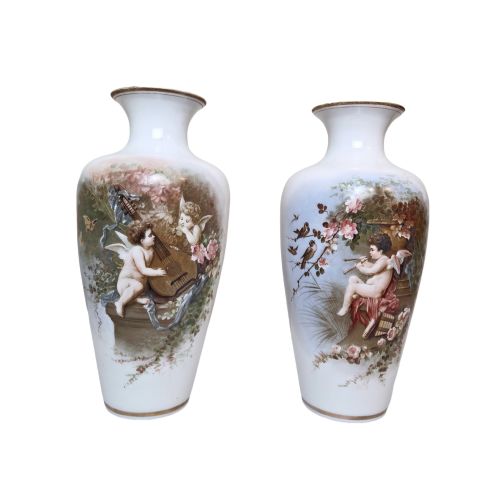
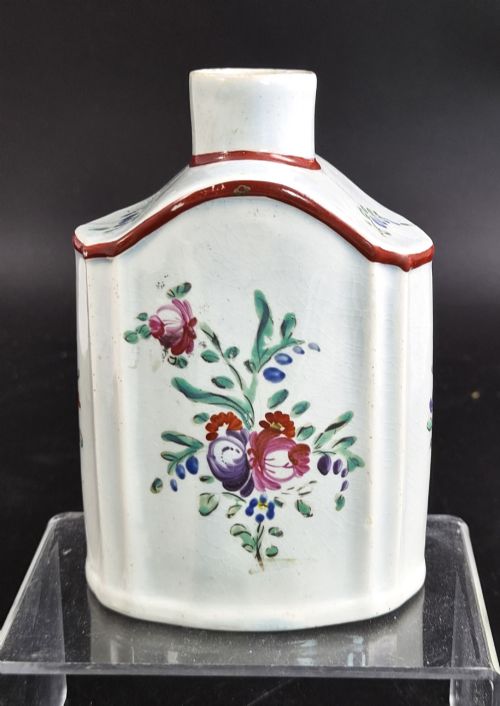
Many jars incorporate secondary materials like silver plate mounts, gold leaf, and enamel decoration. Artisans hand painted floral motifs, landscapes, and figures directly onto the ceramic bodies or glaze layers.
Vintage Ceramic Jars Retail Price Guide 2026
Typical asking prices for vintage ceramic jars among the pieces listed under this phrase on Sellingantiques today, from the lower quarter to the upper quarter. They describe what is for sale here now, not the wider market.
Listings for vintage ceramic jars feature materials spanning earthenware, terracotta, porcelain, and stoneware across the Victorian, Edwardian, and Art Deco periods.
What varies in quality
Quality separates ordinary utilitarian storage from exceptional decorative artistry through the precision of the hand painting and the depth of the glaze. Pieces featuring crisp polychrome enamels, complex transfers, or integrated silver plated mounts command greater attention.
The preservation of the original surface patina, particularly on nineteenth century terracotta and earthenware, distinguishes superior examples. Maker marks, double marks, and distinct period attribution further elevate the standing of individual jars.
John Dwight Fulham Pottery·Leeds Pottery·Doulton Lambeth·Royal Worcester·Crown Devon
The Vintage Ceramic Jars Glossary
- Apothecary jar
- A vessel originally used by pharmacists to store dried herbs, powders, and medicinal drugs. These containers often feature painted labels or ornate ceramic bodies.
- Biscuit barrel
- A covered container designed for storing dry biscuits or crackers at the dining table. They frequently incorporate ceramic bodies with silver plated lids and swing handles.
- Confit pot
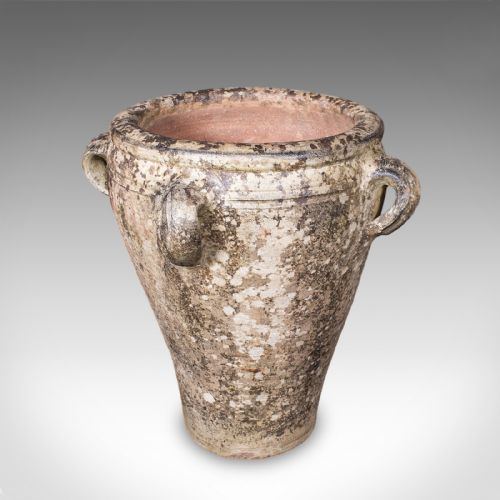
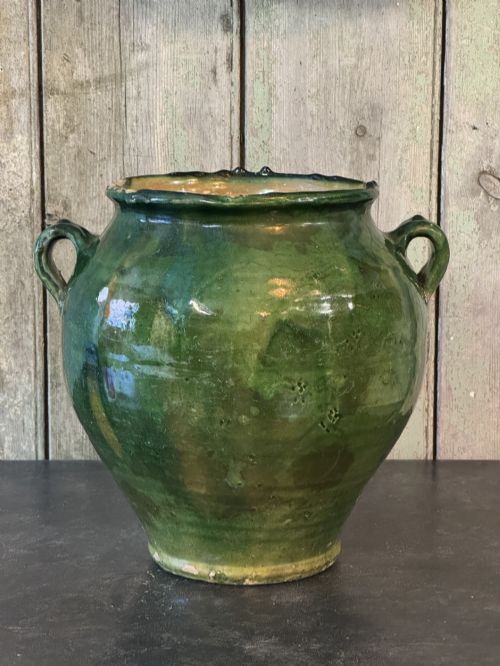
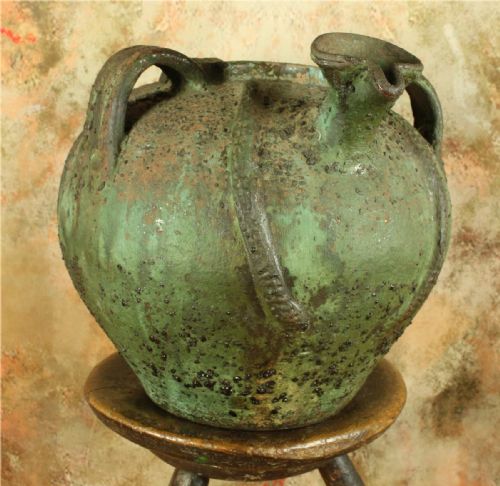
- A French earthenware jar used traditionally for preserving meats, featuring a fully glazed interior and upper exterior. Examples often display handles and aged earthy patinas.
- Ginger jar
- A high shoulder container with a domed lid originally utilised for storing spices. These pieces frequently showcase blue and white painting or Japanese Imari designs.
- Majolica
- Tin glazed earthenware decorated with opaque colourful metallic oxide glazes. This technique produces vibrant polychrome surfaces found on Italian and European pharmacy jugs.
Vintage Ceramic Jars: Frequently Asked Questions
What were apothecary jars used for?
Apothecary jars held medical ingredients, dried herbs, and chemical preparations in historic pharmacies and dispensaries. Their secure lids protected contents from moisture and air.
Over time, these vessels transitioned into decorative pharmacy displays and collector items within domestic spaces.
How do you style biscuit barrels?
Biscuit barrels sit comfortably on sideboards, dining tables, or open kitchen shelving as decorative focal points. Their ceramic bodies and metallic mounts introduce texture and period character.
They function well for storing small household items or simply as standalone ornamental displays.
Are French confit pots waterproof?
French confit pots feature lead or modern glazes on their interiors, making them suitable for holding water and fresh botanicals. The lower unglazed terracotta sections remain porous.
Place protective pads beneath these pots when using them indoors to safeguard wooden surfaces from moisture seepage.
How do I date antique ginger jars?
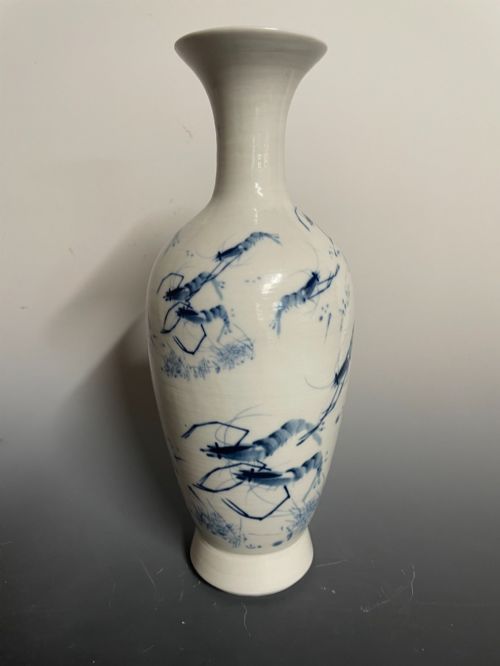
Dating ginger jars involves examining the painting style, glaze characteristics, and any factory marks on the base. Victorian and Meiji period pieces often display distinct crackle glazes or hand applied cobalt.
Comparing potting techniques and weight helps distinguish nineteenth century productions from later twentieth century decorative reproductions.