



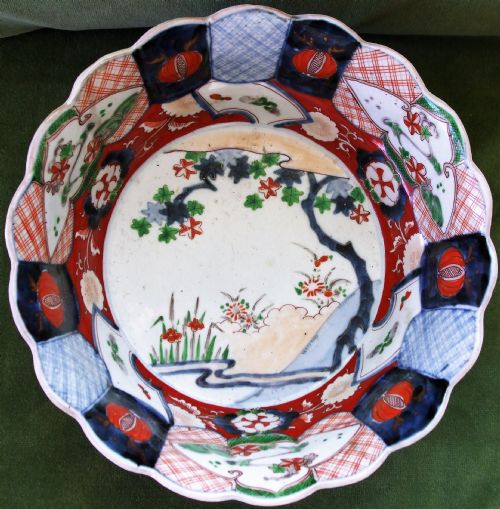
Vintage Ceramic Display Dish
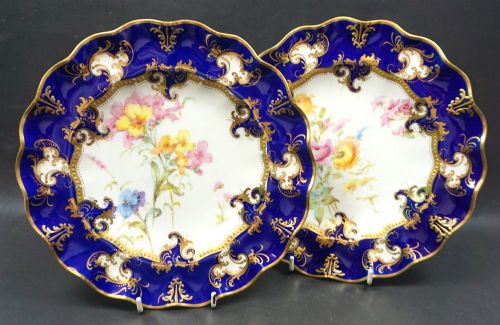
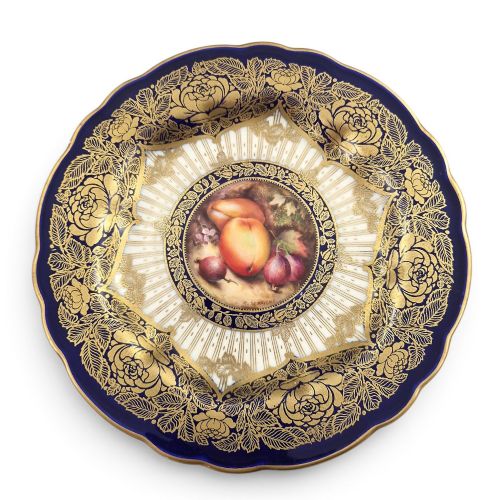
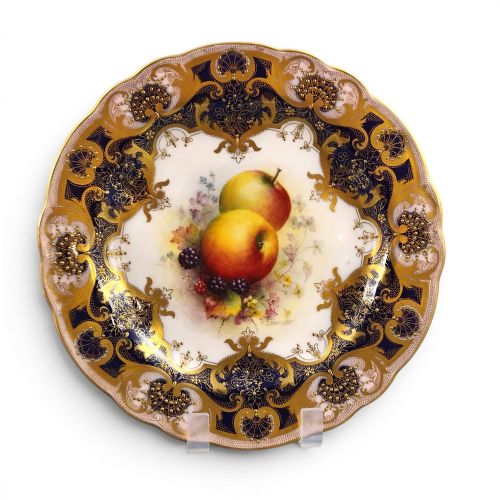
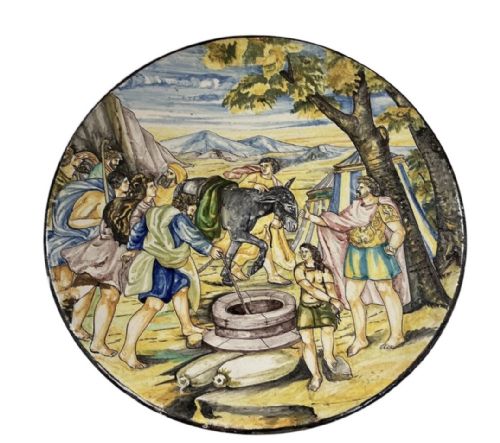
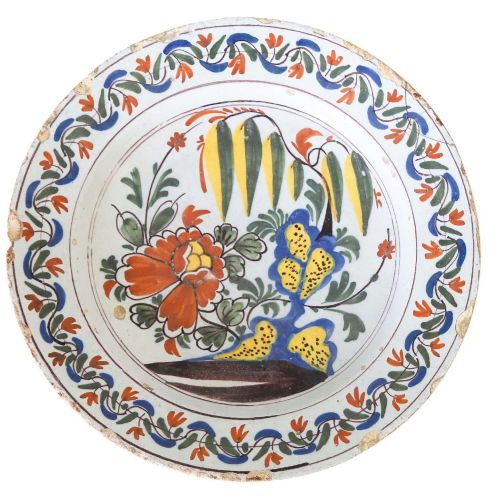
These vintage ceramic display dish selections range from 18th-century Delftware chargers to hand-painted Royal Worcester cabinet plates, offering striking focal points for interior spaces.
Vintage Ceramic Display Dish
A vintage ceramic display dish encompasses decorative plates, chargers, cabinet plates, and decorative bowls intended primarily for visual exhibition rather than daily dining use. When searching for this phrase, buyers encounter pieces spanning the 18th century, Victorian era, Edwardian period, and Art Deco design movements.
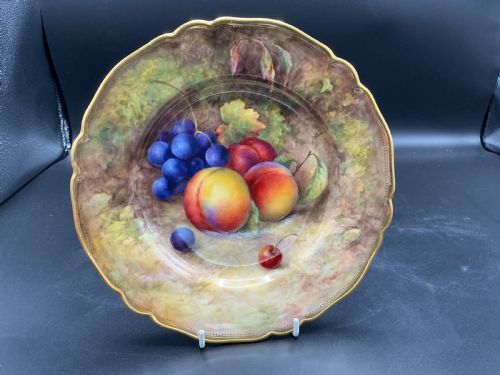
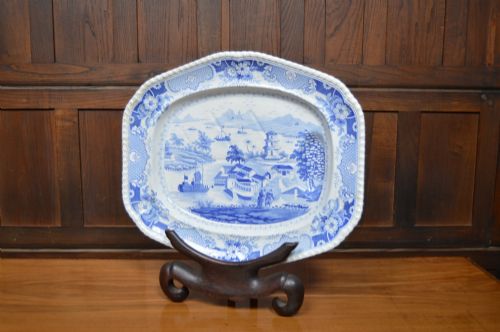
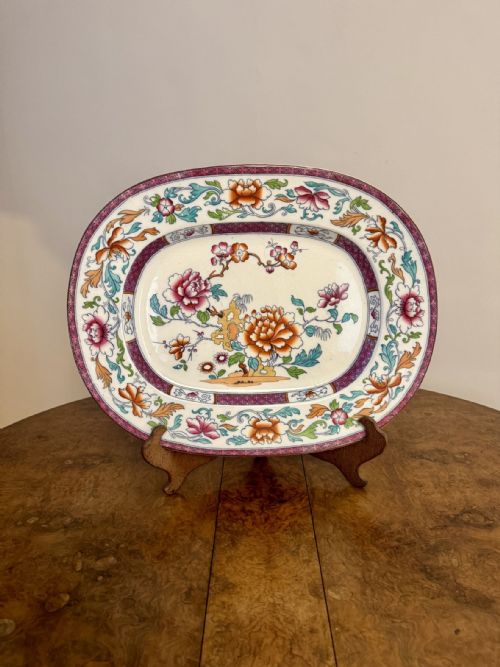
The selections on this page lean heavily toward Japanese Imari porcelain chargers from the Meiji period alongside British earthenware and bone china from makers like Royal Worcester and Royal Crown Derby. Forms vary from large wall-hanging chargers and scalloped bowls to square cabinet plates and meat platters.
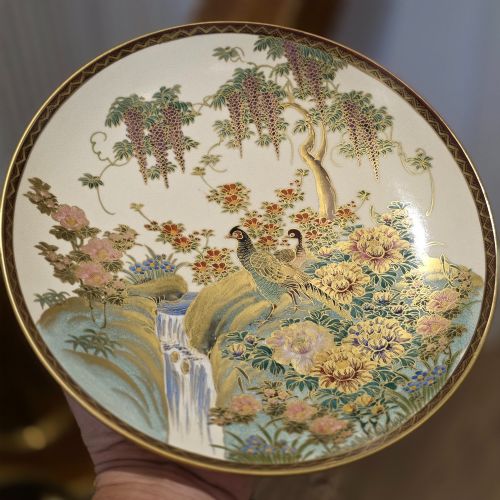
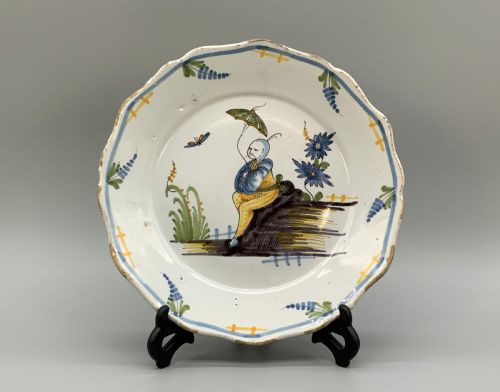
Origin points stretch across Europe and Asia, featuring Chinese export porcelain, French faience, Italian maiolica, and English Delftware alongside Japanese Kutani and Satsuma wares. Each regional tradition brings distinct pictorial themes, from floral motifs and Chinoiserie scenes to depictions of the Seven Lucky Gods.
How They Were Made
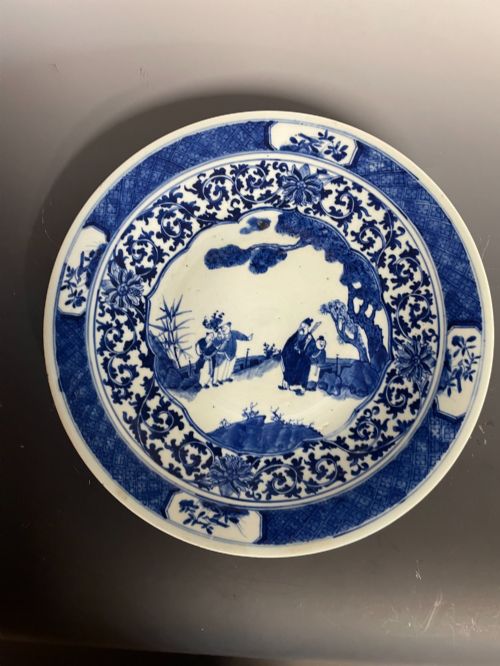
Makers utilised ceramic body types including earthenware, stoneware, ironstone, and fine porcelain, often finished with a glossy glaze or tin-enamel ground. Cobalt underpainting provided deep blue foundational details, whilst polychrome overglaze enamels, hand-painted floral motifs, and touches of gold leaf or gilt added rich colour and warmth.
Techniques varied from traditional Japanese hand-painted brushwork and Chinese Canton enamelling to European tin-glazing on Delftware and transferware printing. Later 20th-century examples incorporated specialised methods such as Art Deco tubelined design, where raised clay lines contained the vibrant enamel colours.
Several plates secretly depict the Seven Lucky Gods riding the waves just out of sight.
What Varies in Quality
The upper tier of the range is distinguished by the crispness of the hand-painted brushwork, the complexity of the polychrome palette, and the prestige of the maker or artist signature. Pieces painted by recognised specialists or produced during significant periods like the Meiji era or early 20th-century Royal Worcester studios demonstrate superior artistic execution.
Material refinement and the preservation of delicate details, such as intact gold leaf, vibrant cobalt underglaze, and unblemished enamel surfaces, set finer examples apart. The architectural weight of larger chargers and the precision of moulded elements like scalloped edges or square plate forms also indicate higher grade production.
Royal Worcester·Royal Crown Derby·Royal Doulton·Charlotte Rhead Crown Ducal·Koshida
The Vintage Ceramic Display Dish Glossary
- Charger
- A large decorative plate or dish traditionally used for presentation or serving, often displayed upright on walls or cabinets. These substantial pieces frequently measure over thirty centimetres across.
- Cabinet Plate
- A decorative porcelain or earthenware plate intended for display in a glass-fronted cabinet rather than everyday use. They often feature elaborate hand-painted scenes or signed artwork.
- Imari
- A style of Japanese porcelain exported from the port of Imari, traditionally characterised by a palette of underglaze blue, iron red, and gold. Designs commonly incorporate intricate floral and brocade patterns.
- Delftware
- Tin-glazed earthenware produced in England, the Netherlands, and France, typically featuring a white or off-white background with blue or polychrome painted decoration. It often displays Chinoiserie or floral motifs.
- Tubelined
- A ceramic decoration technique where liquid clay is squeezed through a nozzle onto the surface to create raised outlines that separate different pools of glaze or enamel. This method creates a tactile, stained-glass effect popular in Art Deco pieces.
Vintage Ceramic Display Dish: Frequently Asked Questions
How were display dishes used in historic homes?
Display dishes were primarily utilised to showcase wealth, artistic taste, and status in reception rooms, dining parlours, and parlours. Large chargers were frequently mounted on walls or stood on sideboards, whilst cabinet plates were kept in glass-fronted furniture to protect their delicate enamel and gilt surfaces.
Unlike everyday tableware, these pieces were selected for their pictorial qualities, intricate hand-painted narratives, and decorative resonance. They served as conversation pieces that reflected global trade connections and shifting aesthetic movements from the eighteenth century onwards.
How do I tell Japanese Imari from Chinese export porcelain?
Japanese Imari porcelain is typically distinguished by a distinct colour palette combining deep cobalt underglaze blue with rusty iron red and frequent additions of gold leaf. The clay bodies and decorative motifs often reflect Japanese sensibilities, such as asymmetrical floral arrangements and depictions of figures from local folklore.
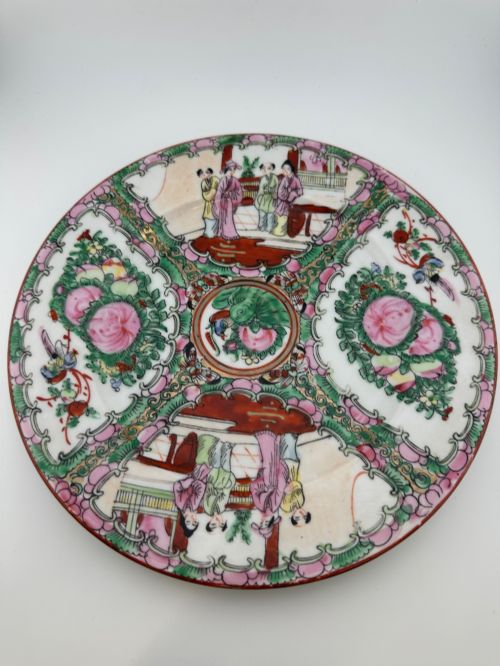
Chinese export porcelain made for Western markets often utilises different enamel families, such as the pink palettes found on Canton Rose Medallion wares. Examining the weight, foot ring, and stylistic conventions of the brushwork helps clarify the regional origin of antique pieces.
Can antique ceramic dishes be hung on walls safely?
Many large chargers and cabinet plates were made with display in mind, but mounting them requires appropriate hardware designed to distribute weight evenly without pinching the rim. Spring-loaded brass wire hangers with protective rubber tips are commonly used by collectors for secure wall exhibition.
It is important to check the structural integrity of the ceramic body and any historic glaze before hanging a heavy charger. Ensuring the wall fixing is secure prevents accidental slips in high-traffic interior spaces.
What is the difference between earthenware and porcelain?
Earthenware is a porous, lower-fired ceramic body that requires a glaze to become impermeable to liquids, characteristic of traditional Delftware and early chargers. It tends to have a heavier, softer feel and an opaque appearance underneath the surface finish.
Porcelain is a vitrified, high-fired ceramic made from kaolin and petuntse, resulting in a dense, non-porous material that often rings when struck. Porcelain bodies can be translucent when held to the light and typically support finer, sharper enamel detailing.