


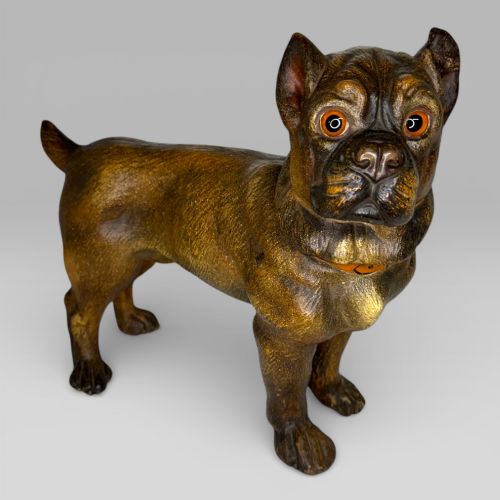


Vintage Ceramic Animal
These vintage ceramic animal figures span Staffordshire pugs to Art Deco felines, bringing character and sculptural presence to any room.
Vintage Ceramic Animal
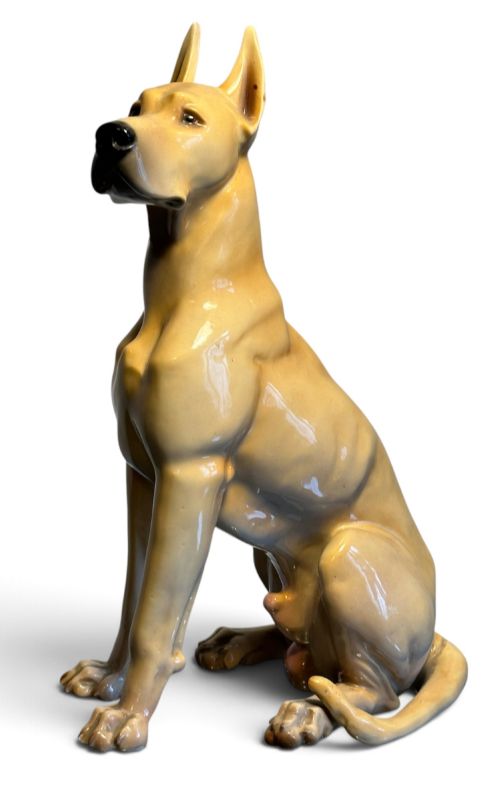
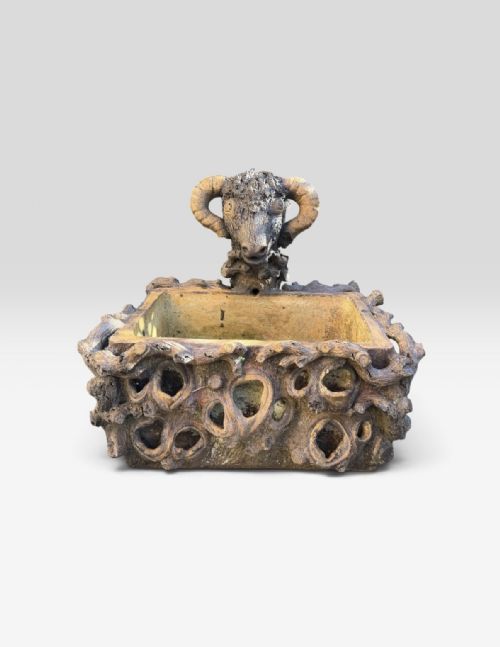
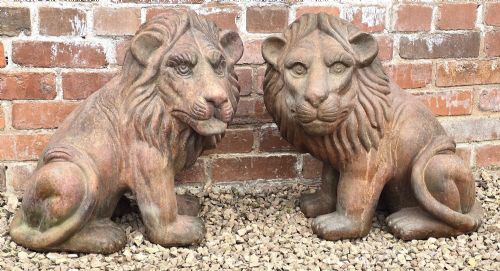
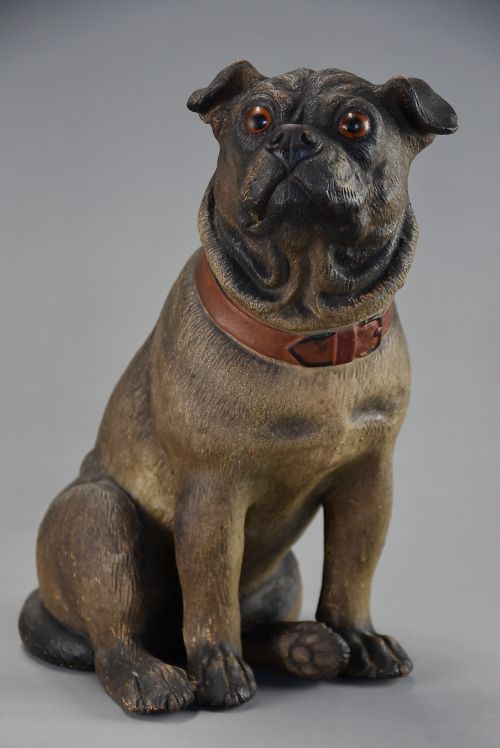
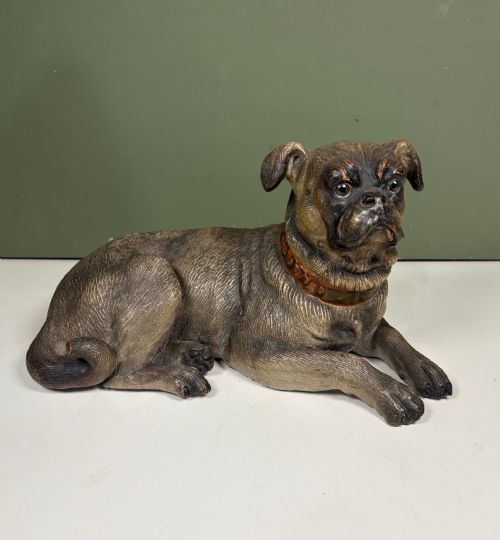
A vintage ceramic animal brings three-dimensional form and historic character to a room, ranging from small Staffordshire dogs to large terracotta garden figures. Buyers seeking a vintage ceramic animal encounter various interpretations, from the utilitarian salt glaze troughs of the Georgian era to the playful feline sculptures of the twentieth century.
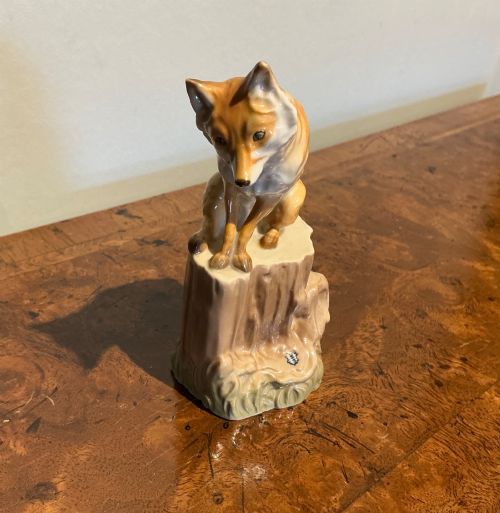
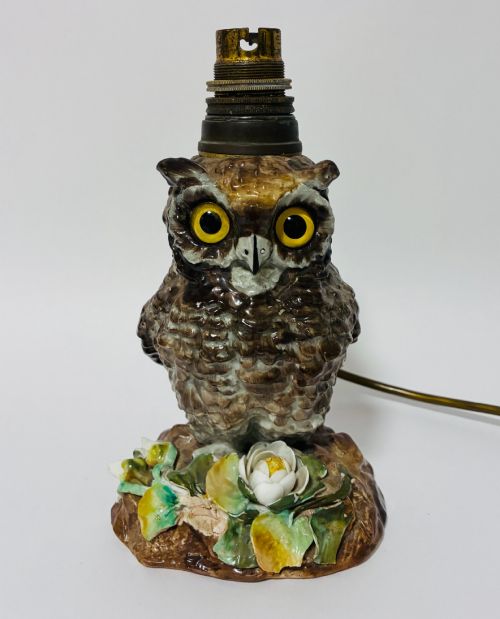
The objects on this page bridge decorative arts and practical utility, incorporating functional items such as lamp bases, inkwells, and bookends alongside purely sculptural figures. Staffordshire pugs, Dutch Delft cows, and French terracotta cats dominate the domestic subjects, while porcelain deer and exotic beasts reflect broader European tastes across the nineteenth and twentieth centuries.
Materials and methods
Makers shaped these pieces from varied clays, utilising porous earthenware, dense stoneware, and fine porcelain depending on the intended finish and period. Glazes added colour and protection, ranging from simple salt finishes and copper lustre to detailed hand-painted overglaze pigments on figures and tiles.
Terracotta provided a robust medium for life-size sculptures and architectural elements like roof tiles, while porcelain allowed for delicate modelling and intricate details such as bocage foliage. Hand-sculpting and mould-pressing both played central roles in production, allowing workshops to achieve smooth contours or textured coats before firing.
Vintage Ceramic Animal Retail Price Guide 2026
Typical asking prices for vintage ceramic animal among the pieces listed under this phrase on Sellingantiques today, from the lower quarter to the upper quarter. They describe what is for sale here now, not the wider market.
Listings feature periods from Georgian to Art Deco, utilising materials such as terracotta, porcelain, earthenware, and salt glaze.
Markers of quality
The success of a figure depends largely on the naturalism of the modelling and the expressiveness captured in the face and posture. Superior examples display confident handling of anatomy and glaze application, where brushwork enhances texture rather than masking a weak form.
Factory standards and individual artisan skill set the baseline for each piece, distinguishing mass-produced utilitarian wares from finely articulated porcelain and hand-painted terracotta sculptures. The crispness of press-moulding and the stability of the fired clay separate accomplished studio works from standard commercial output.
Nymphenburg·Meissen·Royal Dux·Rosenthal·Ernst Bohne Sohn·Guido Cacciapuoti
The Vintage Ceramic Animal Glossary
- Bocage
- Decorative background foliage or branches made of porcelain, commonly found behind eighteenth and nineteenth-century animal and human figures. It provides a naturalistic setting for the subject.
- Staffordshire pottery
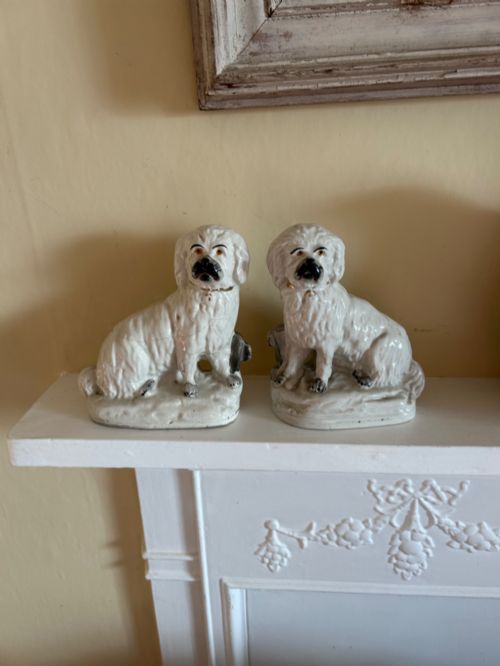
- Earthenware produced in the English Potteries region, widely known for mantle figures including pairs of seated pugs, lions, and zebras. These domestic ornaments defined Victorian parlour decor.
- Salt glaze
- A vitreous coating formed by throwing common salt into the kiln during high-temperature firing, resulting in a pitted texture resembling orange peel. This technique protects utilitarian vessels and troughs.
- Terracotta
- Unglazed or glazed fired clay of a brownish-red colour, utilised for larger sculptures and architectural ornaments. It suits both indoor display and outdoor garden placement.
- Copper lustre
- A metallic glaze application that imparts a reflective, coppery sheen to the ceramic surface. Potters used this technique to create decorative highlights on figures and vessels.
Vintage Ceramic Animal: Frequently Asked Questions
What periods do these animals come from?
The pieces span from the Georgian era through the Victorian period into the Art Deco style of the twentieth century. Production methods and aesthetic styles shifted across these decades from utilitarian salt glaze to refined porcelain.
Victorian makers favoured domestic pets like pugs and spaniels for the hearth, while later twentieth-century designers explored stylized felines and exotic creatures in smooth ceramic glazes.
How were these ceramic figures used?
Many served purely as decorative mantelpiece ornaments, while others incorporated functional elements such as oil lamps, inkwells, and bookends. Large terracotta models functioned as sculptural garden accents or architectural roof tiles.
Pairs of figures often flanked fireplaces or doorways in nineteenth-century homes, combining symmetry with domestic comfort and animal companionship.
How do I care for antique ceramics?
Dust these pieces gently with a soft, dry brush to prevent dirt accumulation on porous terracotta or delicate porcelain glazes. Avoid using water or cleaning agents on unglazed surfaces or antique painted highlights.
Keep figures away from areas prone to strong temperature fluctuations and direct sunlight to protect the integrity of the clay and surface decoration over time.
How can I tell Staffordshire dogs apart?
Staffordshire figures generally feature distinct facial markings, painted eyes, and gold chain collars applied over a white earthenware body. Victorian pairs often display mirrored stances designed to sit facing each other on a mantel.
Examining the underside reveals the weight of the clay and the presence of vent holes necessary for the firing process in nineteenth-century potteries.