


Vintage Centrepiece Bowl
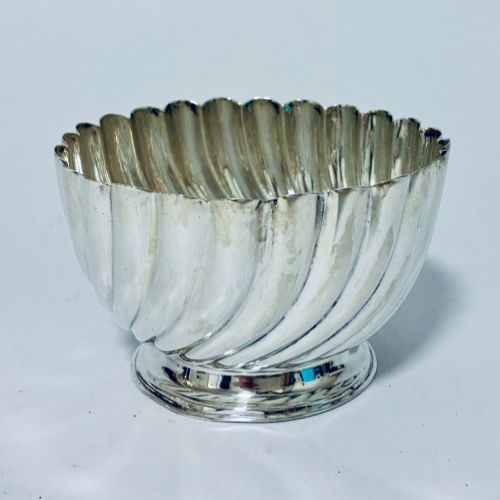
A vintage centrepiece bowl commands attention on a dining table or sideboard, bringing form, weight, and history to a room.
Vintage Centrepiece Bowl
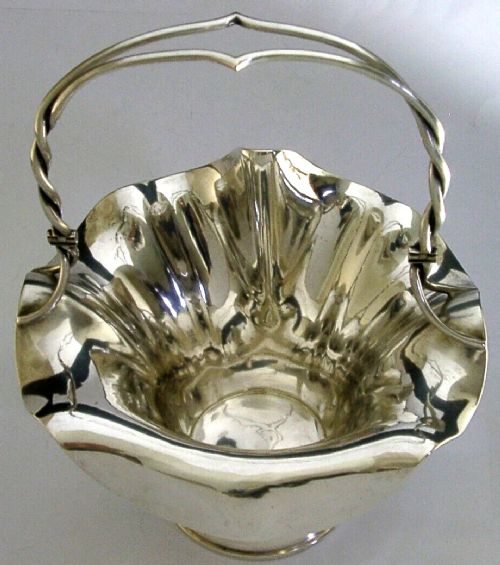
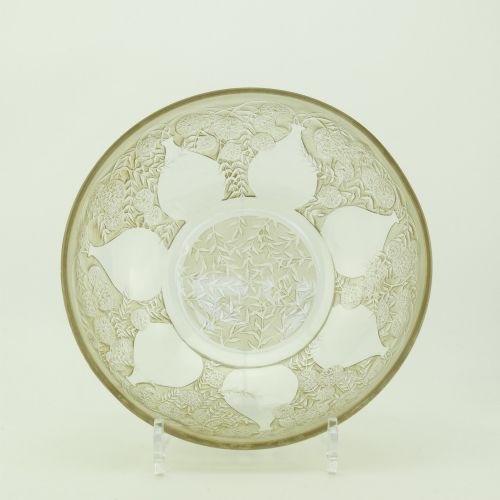
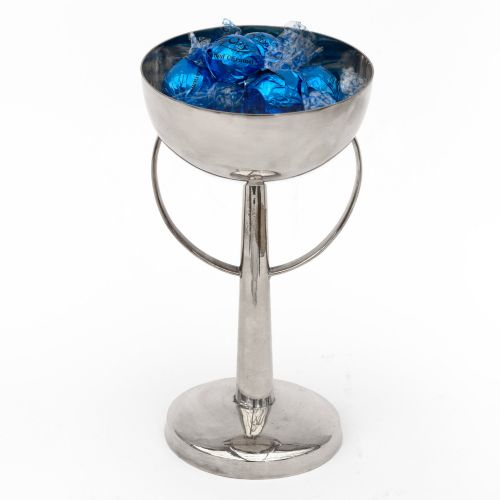
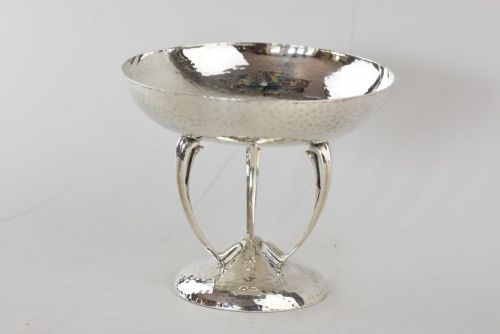
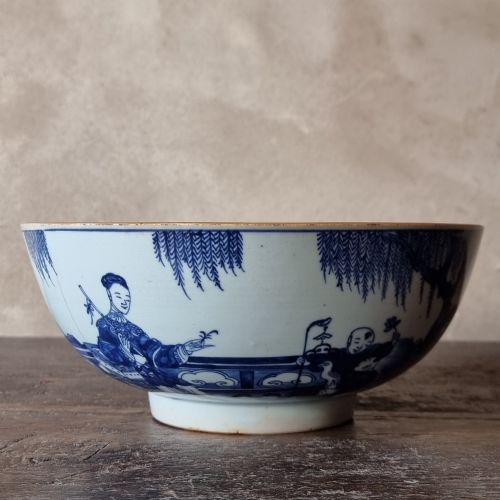
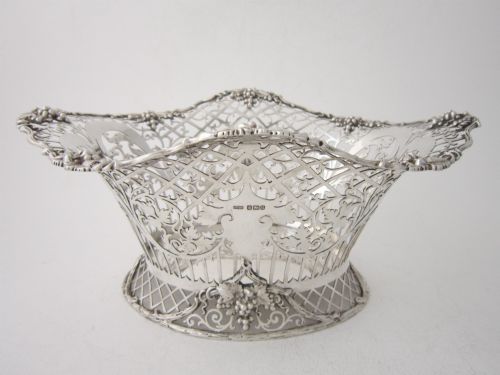
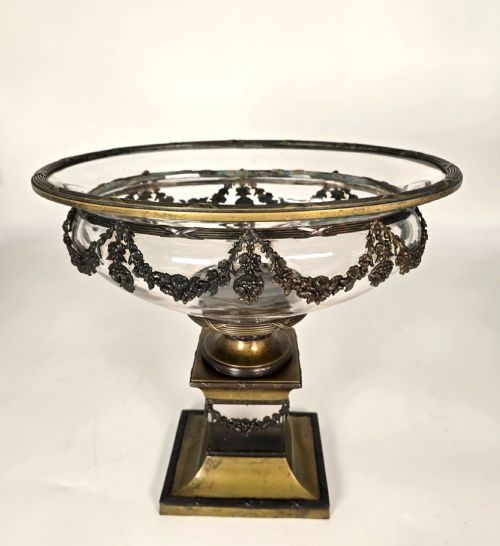
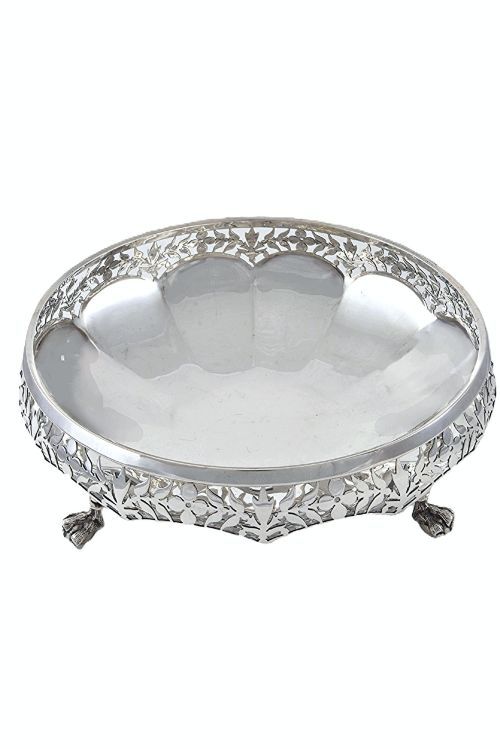
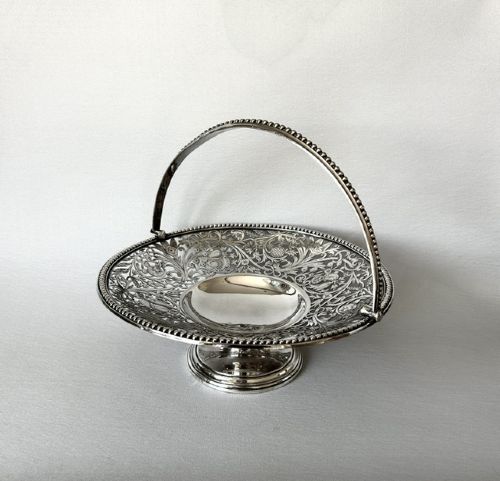
When you search for a vintage centrepiece bowl, you find substantial vessels created to hold fruit, flowers, or simply to stand alone as decorative focal points. These pieces take many forms, from handled silver baskets and glass pedestals to porcelain dishes and carved wooden vessels.
The selections span distinct historical periods, with Victorian, Edwardian, and Art Deco designs appearing most frequently alongside mid-twentieth-century glassware. Makers utilise materials ranging from sterling silver and silver plate to porcelain, crystal, bronze, and brass.
Origins stretch across Britain, France, Belgium, and Asia, reflecting the varied tastes of past centuries. A buyer meets everything from formal Neoclassical fruit baskets to fluid Art Nouveau and modernist glass.
How they were made
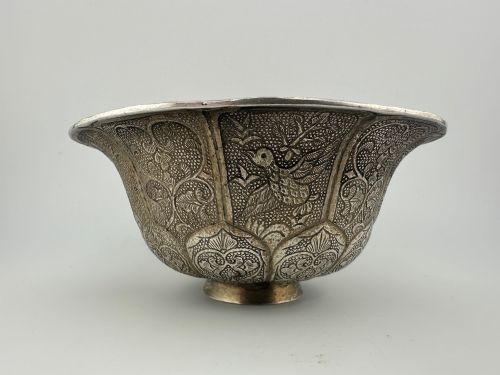
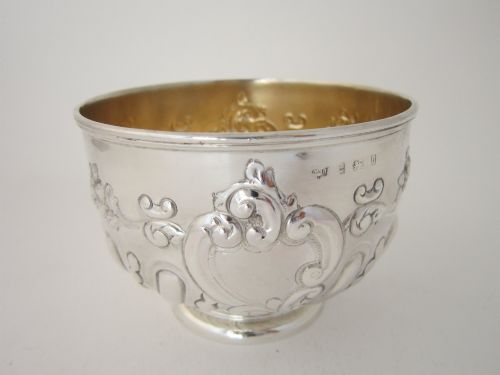
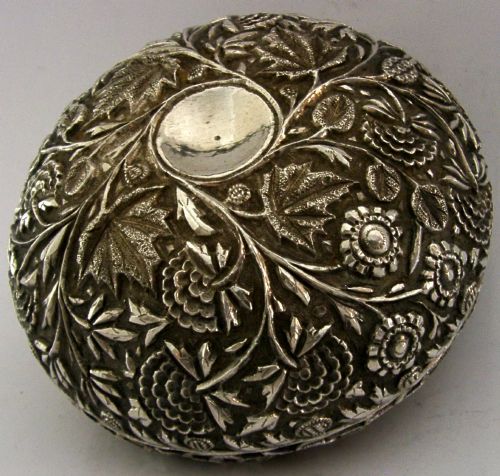
Metal vessels rely on silversmithing techniques such as casting, hammering, piercing, and repoussé decoration, where artisans push patterns from the reverse side of sterling silver or silver plate. Bronze and brass mounts often support glass inserts or crystal bodies, combining foundry work with metal chasing.
Glass pieces demonstrate moulding, cutting, and blowing methods, including opalescent and crystal formulations shaped in workshops across France, Italy, and Belgium. Porcelain and ceramic bowls involve wheel throwing or casting, followed by hand painting, gilding, and glazing before high-temperature firing.
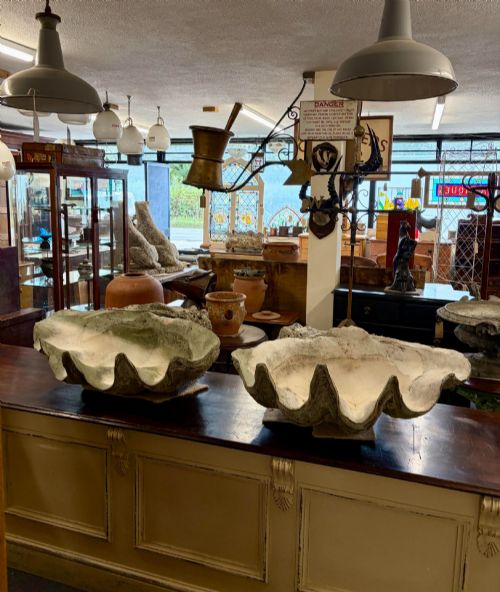
Giant clam shells appear alongside Swiss musical wooden fruit bowls, proving past dining rooms welcomed both marine scale and hidden melodies.
What varies in quality
Quality rests upon the crispness of detail in chased metalwork, hand-carved wood, or moulded glass, where sharper lines indicate superior craftsmanship and better tooling. Weight and structural balance also distinguish finer pieces, particularly in heavy cast silver, thick crystal, and substantial bronze mounts.
The integrity of materials matters greatly, from the purity of sterling silver hallmarks and the clarity of lead crystal to the depth of glaze on porcelain and the precision of mounts fitted to glass inserts.
Goldsmiths and Silversmiths Company·Mappin and Webb·Rene Lalique·Val St Lambert·Daum France
The Vintage Centrepiece Bowl Glossary
- Repoussé
- Metalworking technique where ornamentation is hammered into relief from the reverse side. This method creates tactile, dimensional floral and scroll motifs on silver baskets.
- Ormolu
- Gilded bronze used widely in French decorative arts. It provides a rich, golden mount for crystal and porcelain bowls.
- Tazza
- An Italian term for an ornate cup or shallow bowl raised on a high foot and stem. These elevate fruit or small dishes above the surface of a table.
- Opalescent glass
- Glass that diffuses light with a milky, pearlescent quality showing subtle colour shifts. It gained immense popularity in twentieth-century French design.
- Old Sheffield plated
- An early method of fusing a thin sheet of silver to a copper base before rolling. This process produces durable tableware with a warm, layered appearance.
Vintage Centrepiece Bowl: Frequently Asked Questions
What is a vintage centrepiece bowl used for?
These vessels historically served as the focal point of a formal dining table, holding arrangements of fresh fruit, flowers, or sweetmeats during meals. In modern settings, they function equally well empty on a sideboard or console table to showcase craftsmanship and material.
Their substantial size and decorative presence allow them to anchor a room's design scheme without needing additional contents.
How do I identify the period of a silver bowl?
Makers' marks, town marks, and date letters stamped onto sterling silver provide the most accurate chronological guide. Comparing the overall shape and decorative style against known periods helps narrow down the date.
For instance, fluid, organic lines usually point towards Art Nouveau, while geometric motifs and symmetrical handling suggest Art Deco or Neoclassical influences.
Can I use glass bowls for serving food?
Many glass, crystal, and porcelain bowls are entirely food safe and suitable for serving fruit or dry goods. Antique silver-plated and unlined brass vessels require more care due to potential tarnishing and historical finishes.
Checking the interior condition and material composition ensures safe everyday usage.
How should I clean and care for silver centrepieces?
Sterling silver and silver plate require gentle cleaning with a specialist polish and a soft cloth to preserve the underlying metal and fine details. Avoid harsh abrasive cleaners that can wear away thin silver plating or scratch softer surfaces.
Regular, light dusting prevents tarnish from building up in the recessed areas of repoussé or chased decoration.