

Vintage Ceiling Chandelier
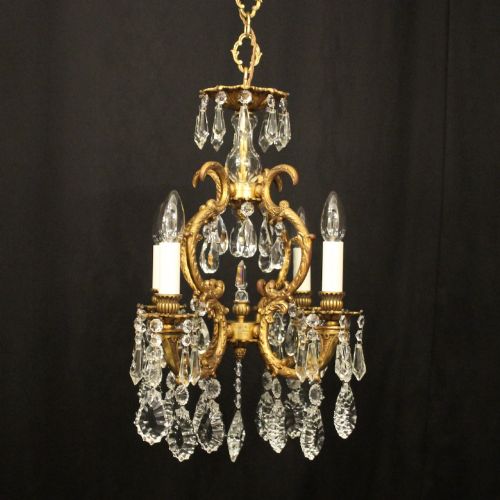
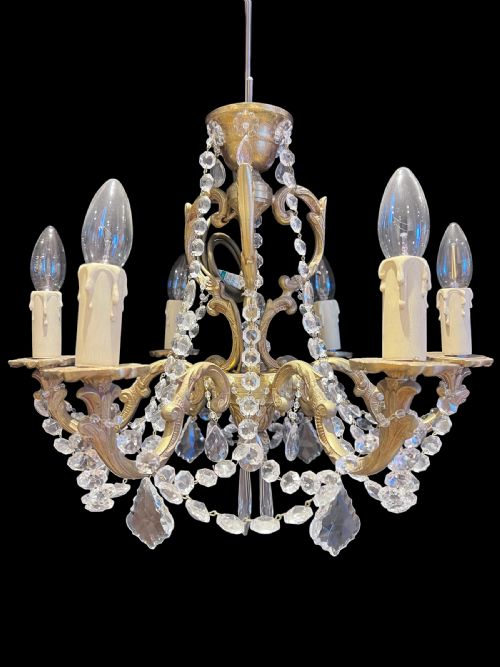
A vintage ceiling chandelier transforms a room by casting light through cut glass, crystal and brass.
Vintage Ceiling Chandelier
When searching for a vintage ceiling chandelier, buyers look at overhead lighting fixtures originating from periods spanning the nineteenth and twentieth centuries. These encompass styles from French Empire and Rococo to Arts and Crafts and Art Deco, reflecting diverse historical aesthetics.
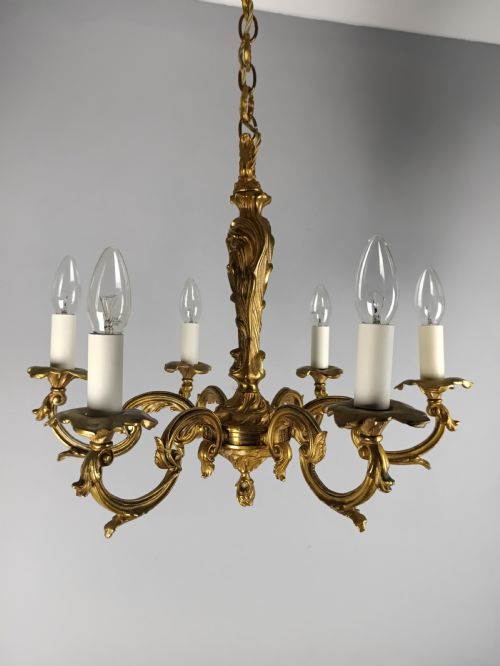
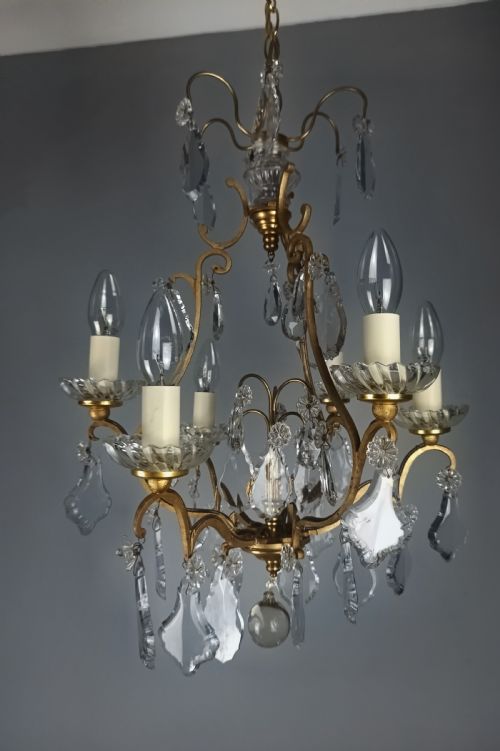
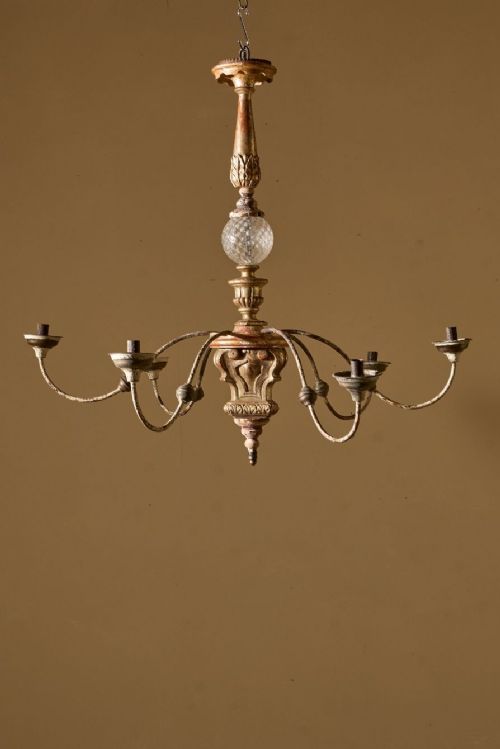
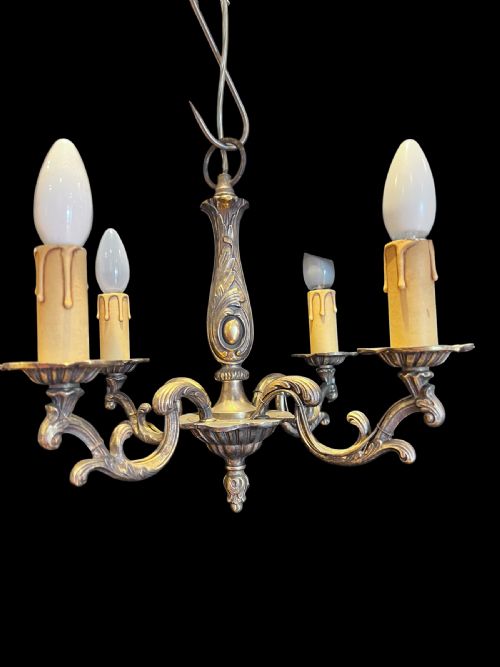
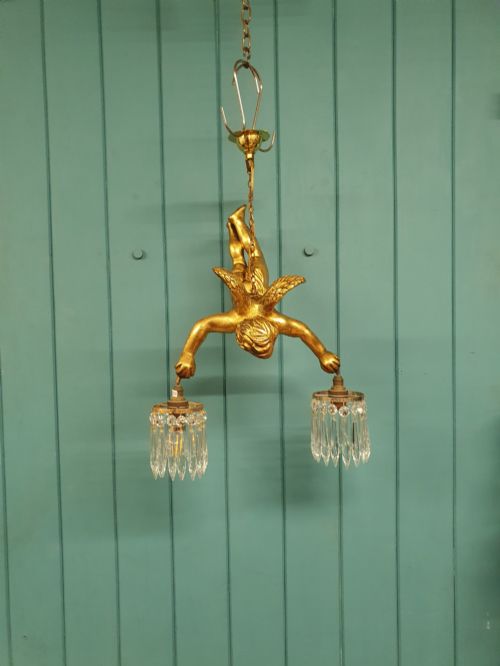
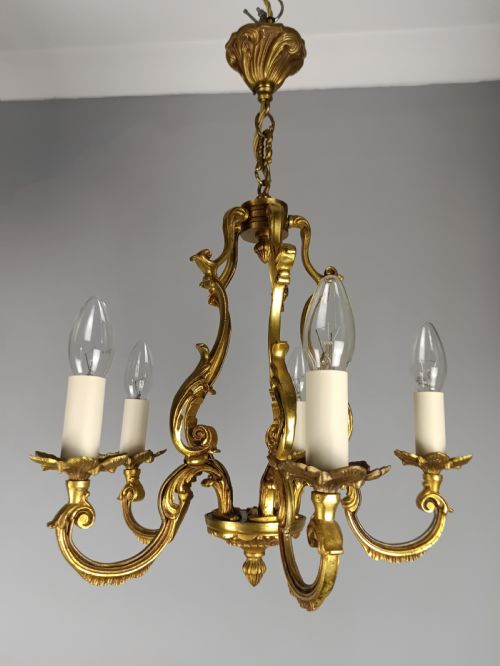
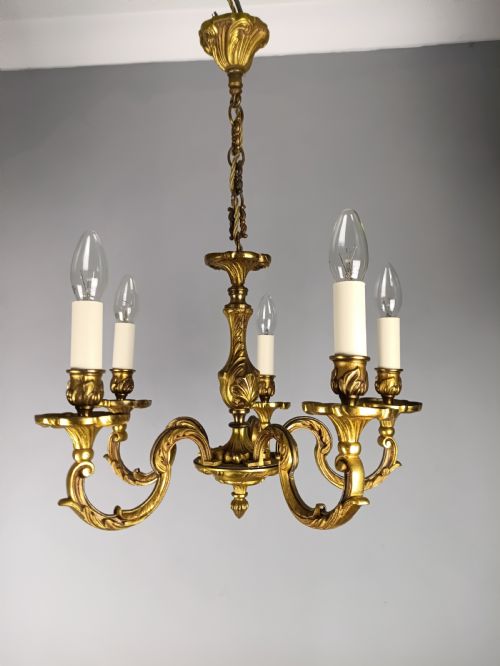
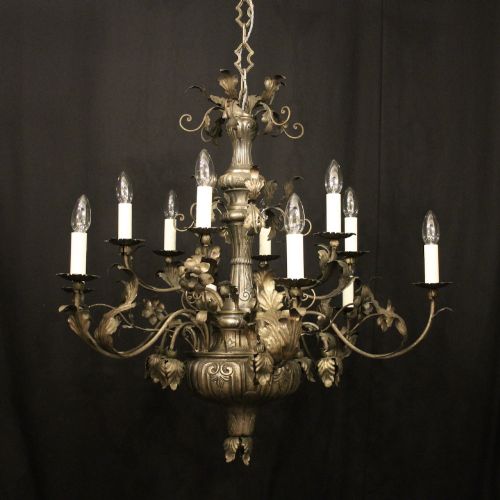
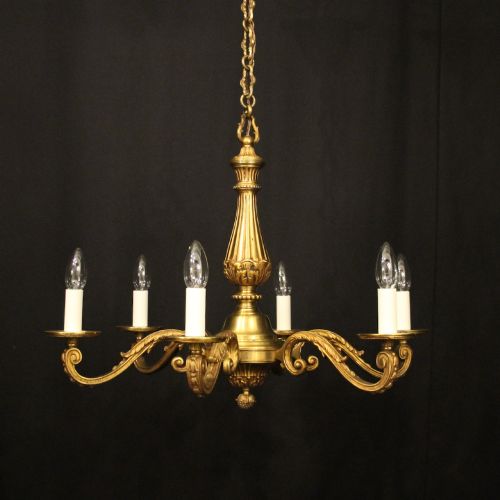
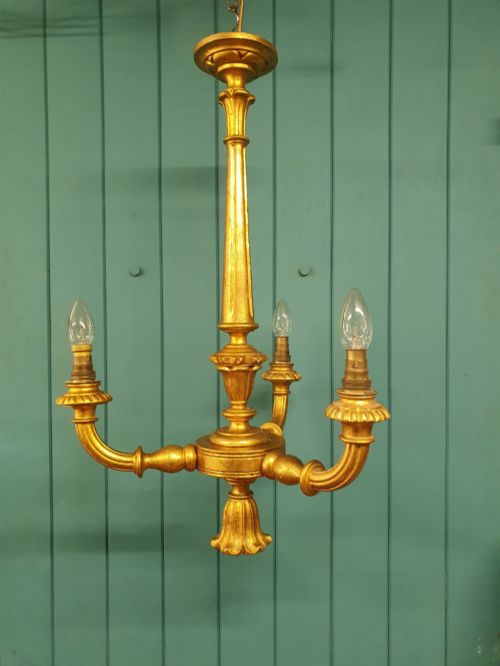
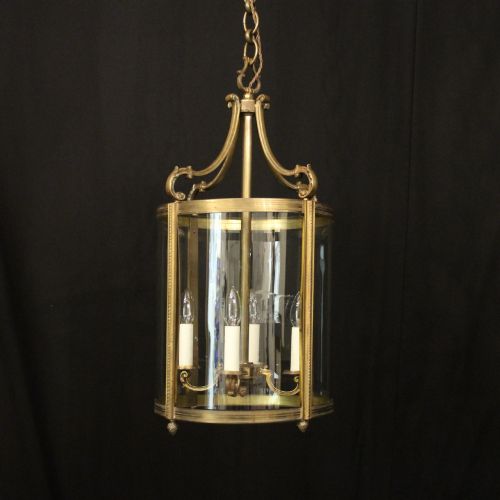
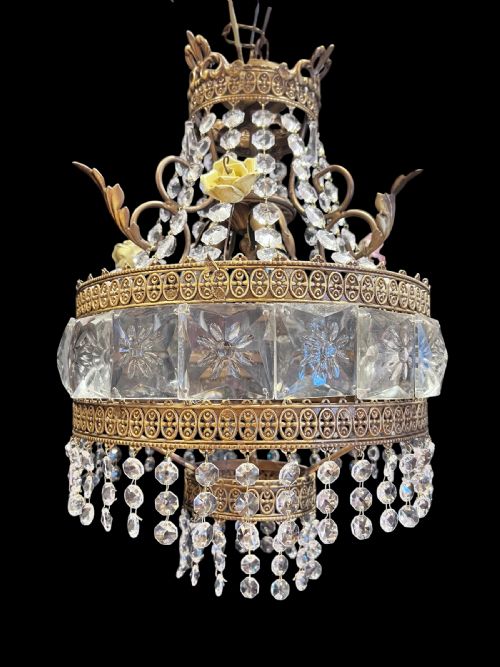
The most common examples on this page are French multi-light chandeliers in gilt bronze, brass, and crystal. Alongside these, buyers will find hall lanterns, pendant lights, and basket designs utilising materials such as cut glass and porcelain flowers.
Materials and construction methods
Metalwork forms the structural backbone of these fixtures, predominantly utilising cast brass, gilt bronze, and gilded brass. Artisans shaped and chased these metals into intricate frames, arms, and decorative mounts.
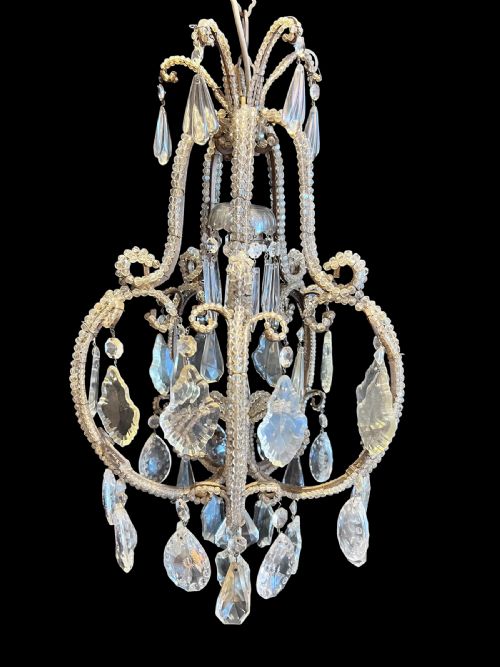
Glass and crystal elements define the optical character of the pieces, suspended as cut glass lustres, beads, and waterfall drops. These components were hand-cut and wired into metal frameworks to manipulate and reflect light.
Several chandeliers arrive with unexpected companions, including delicate porcelain flowers and bevelled glass stars shaped like Moravian compasses.
Distinguishing levels of quality
The refinement of the cast metalwork separates standard production from superior examples. Finely chased bronze and substantial brass frameworks display crisp detail and weight compared to simpler stamped or cast substitutes.
The clarity and cutting of the crystal and glass components also determine distinction. Deeply hand-cut crystal prisms refract light with greater brilliance than plain pressed glass pendants.
Émile-Jacques Ruhlmann
The Vintage Ceiling Chandelier Glossary
- Chandelier
- A branched ceiling-mounted lighting fixture designed to hold multiple lamps or candles. They suspend from chains or rods to illuminate large spaces.
- Hall lantern
- An enclosed ceiling light, often glazed, designed specifically for entryways and corridors. These combine metal frames with glass panels.
- Tent and waterfall
- A specific configuration of crystal drops arranged in an upper conical tent shape cascading down into a wider bowl or tier. This style creates a dense sheet of light refraction.
- Gilt bronze
- Bronze metal treated with a gold application or mercury gilding finish. It provides a durable, warm metallic lustre popular in French decorative arts.
- Plafonniere
- A ceiling light fixture designed to sit flush or close against the ceiling surface. They typically feature glass bowls or plates mounted in metal frames.
Vintage Ceiling Chandelier: Frequently Asked Questions
How do I hang a heavy antique chandelier?
Heavy fixtures require direct anchoring into ceiling joists using a rated steel electrical box and substantial hook support. Professional installation ensures the weight of brass and crystal is held safely.
Wiring must also be inspected to ensure old metal sockets meet modern safety standards before connecting the fixture to your mains supply.
What rooms suit a basket chandelier?
Basket chandeliers work well in spaces with moderate ceiling heights where a linear drop might hang too low. Their compact, rounded profiles distribute light evenly across dining tables or smaller hallways.
They offer the sparkle of crystal without requiring the grand vertical volume of a large multi-tiered tent fixture.
How do I date a brass chandelier?
Dating relies on examining the manufacturing techniques, wiring channels, and stylistic motifs present on the metal frame. Gas-to-electric conversion points often indicate nineteenth-century origins.
Art Deco and Arts and Crafts pieces display distinct geometric or reformist design lines that separate them from earlier Victorian and Edwardian revivals.
Can I clean crystal drops at home?
Crystal elements can be washed by hand using warm water and a mild dish soap solution. Removing the drops individually prevents damage to the delicate brass pins holding them.
Dry each piece thoroughly with a lint-free cloth before rehanging to restore maximum light reflection.