


Vintage Caucasian Weaving
Vintage caucasian weaving brings together rugs, kilims and bags from the nineteenth and early twentieth centuries, prized for geometric motifs and rich wool.
Vintage Caucasian Weaving
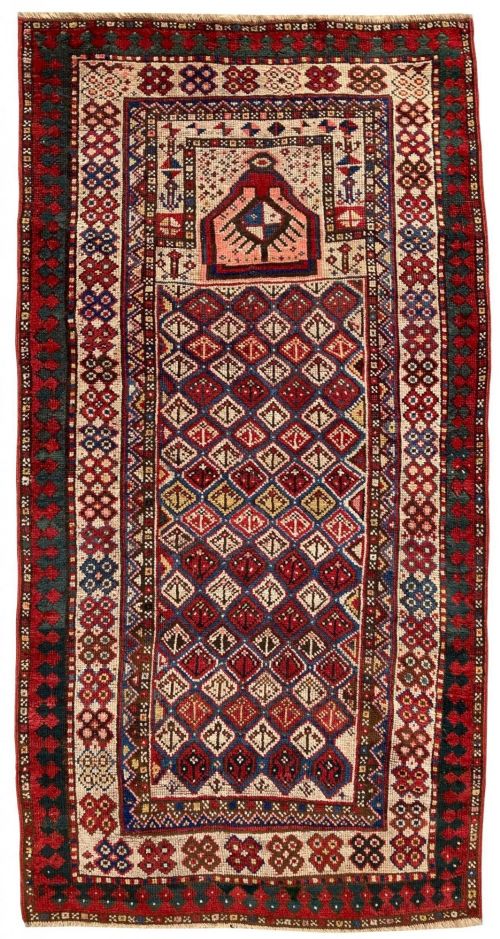
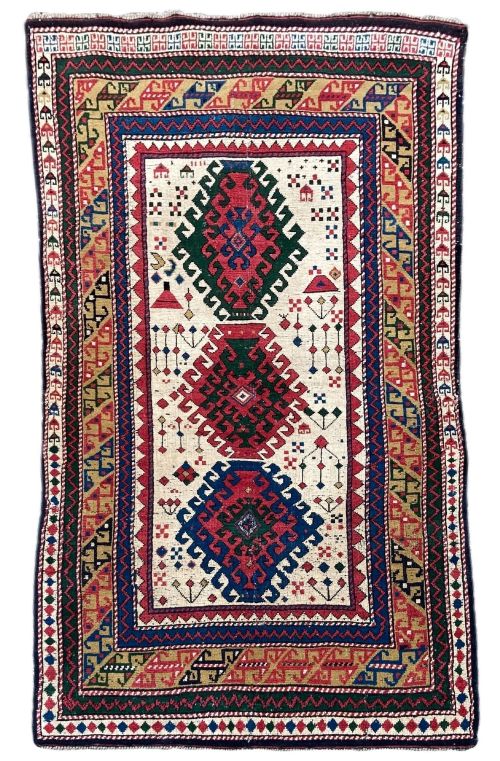
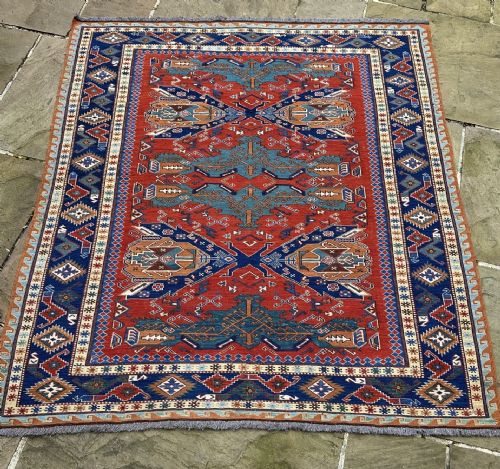
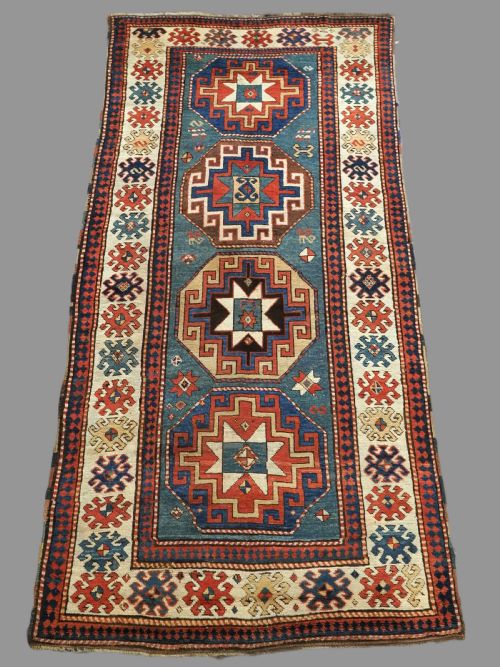
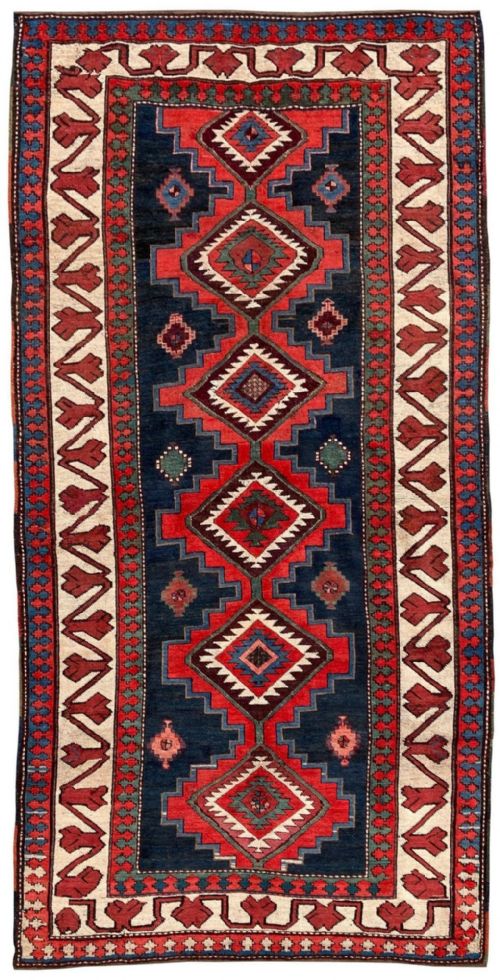
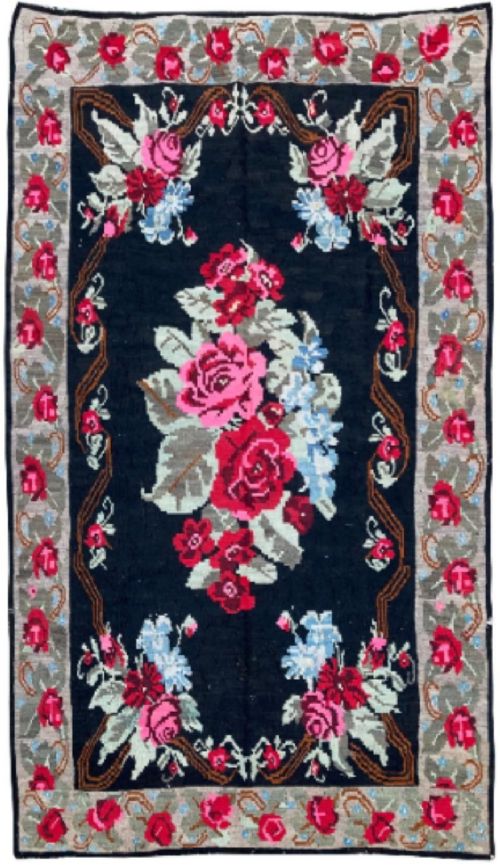
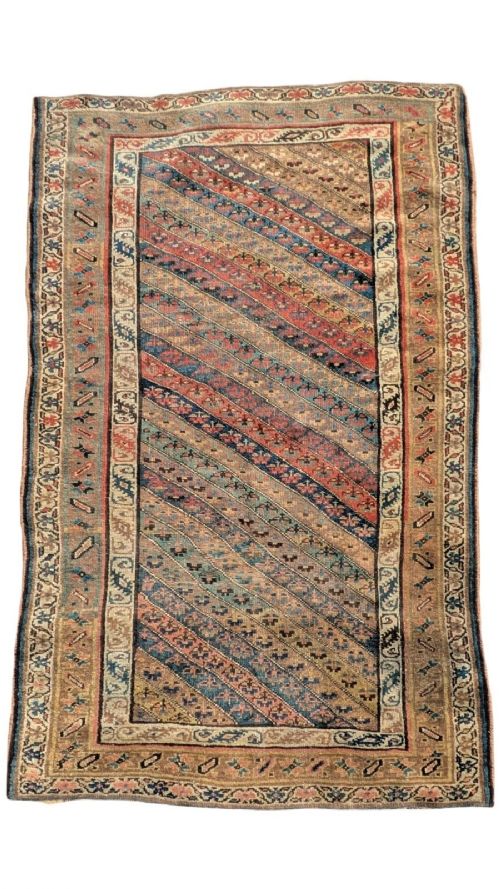
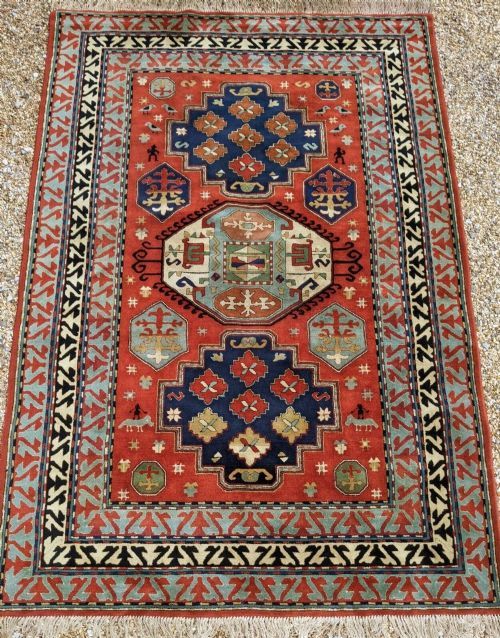
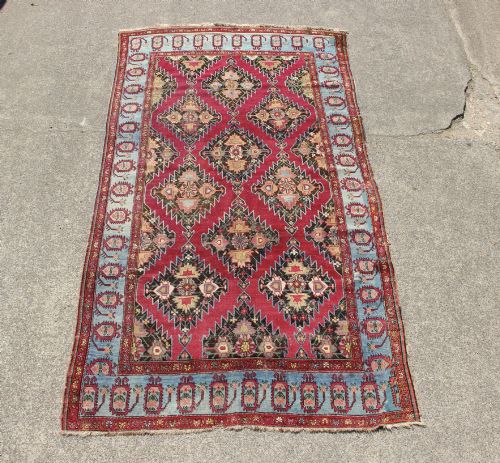
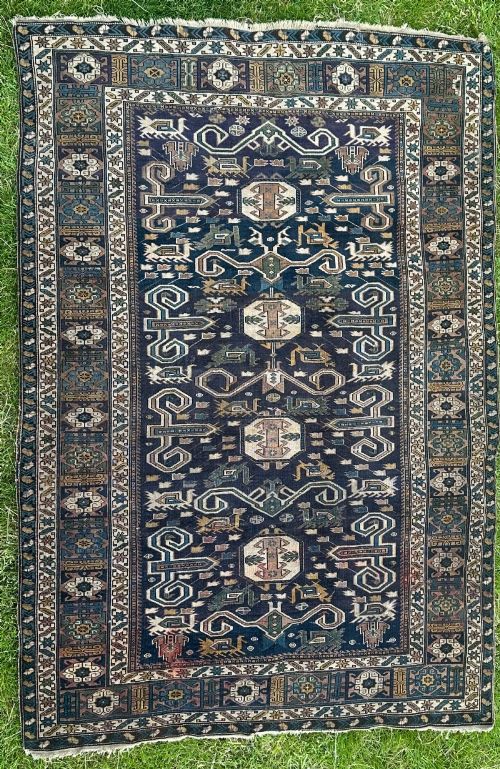
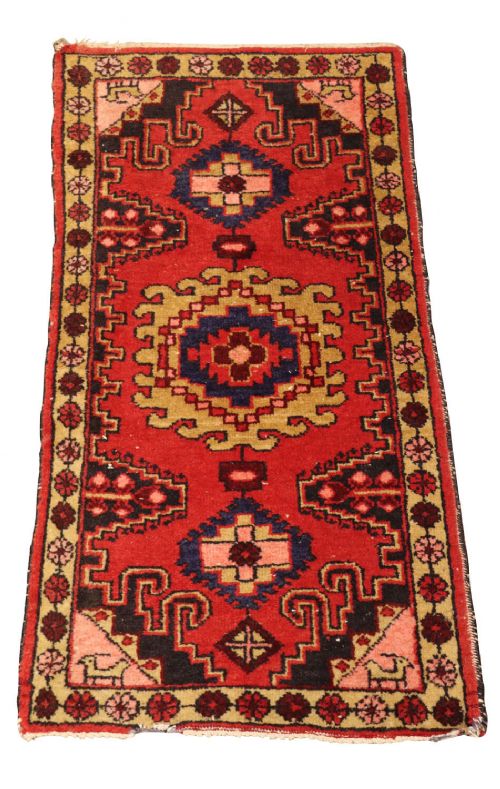
Vintage caucasian weaving covers rugs, carpets, kilims, runners and small nomadic items originating from the Caucasus region and neighbouring tribal areas. The pieces span from the mid nineteenth century through to the 1940s, encompassing regional types such as Kazak, Karabagh, Shirvan, Shahsavan and Kurdish rugs.
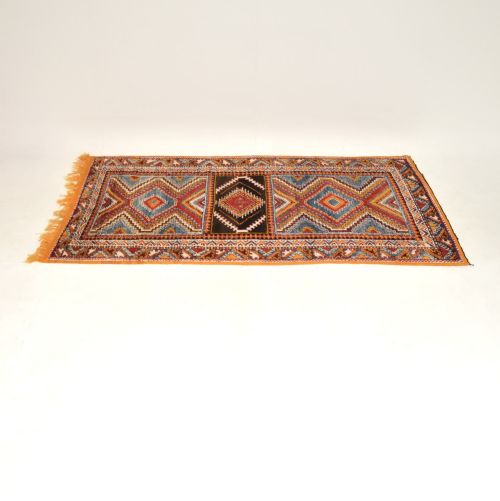
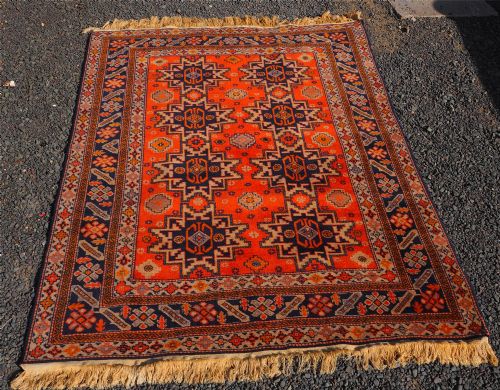
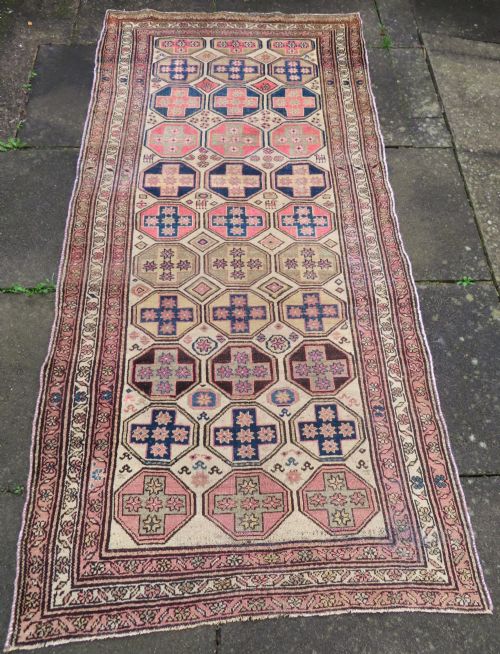
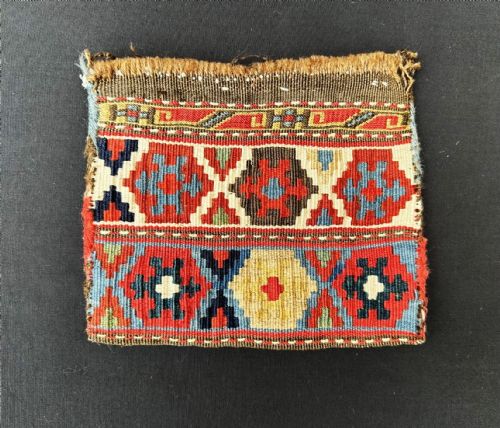
Buyers will encounter room-sized carpets alongside narrow hallway runners, prayer rugs, flat-weave kilims, and small bag faces or panels. These items reflect the nomadic and village traditions of weavers working in specific geographic pockets.
The objects display distinct local designs, ranging from bold geometric medallions to banded kilim patterns and animal motifs. Most examples date from the late nineteenth century to the first three decades of the twentieth century.
How they were made
Makers utilised hand-spun wool and cotton, often combining wool foundations with wool or silk pile and flat-weave structures. Natural dyes supplied the distinct colour palette found across these regional textiles.
Weavers employed hand-knotting techniques for piled carpets and rugs, alongside flat-weave methods such as kilim and sumac construction for panels and bags.
Vintage Caucasian Weaving Retail Price Guide 2026
Typical asking prices for vintage caucasian weaving among the pieces listed under this phrase on Sellingantiques today, from the lower quarter to the upper quarter. They describe what is for sale here now, not the wider market.
Listings feature wool, cotton, silk, and natural dyes, spanning periods from the mid-nineteenth century to the 1940s.
What varies in quality
Quality rests on the integrity of the weave, the clarity of the regional design, and the survival of the original natural dyes. Tightly knotted piles and well-preserved flat-weave structures indicate superior construction.
The handling of colour transitions and the complexity of tribal motifs distinguish standard village work from finer regional outputs.
The Vintage Caucasian Weaving Glossary
- Kazak
- A type of rug originating from the western and southern Caucasus, known for bold geometric designs and rich colouring.
- Kilim
- A flat-weave textile made without a pile, traditionally produced across the Caucasus and Persia.
- Sumac
- A flat-weave technique involving wrapping supplementary weft threads around the warp, creating a textured surface.
- Gul
- A medallion or repeating floral-like motif often found in tribal and nomadic rugs.
- Khorjin
- A traditional woven bag or saddle bag produced by nomadic groups.
Vintage Caucasian Weaving: Frequently Asked Questions
How do I identify a Kazak rug?
Kazak rugs display strong geometric layouts, primary medallions, and saturated natural colours. They originate from the Caucasus and often feature rectilinear animal or star motifs.
The wool has a substantial feel, and the construction is robust. Weavers in the region used distinct regional palettes that set them apart from Persian tribal equivalents.
What is the difference between a rug and a kilim?
Rugs possess a knotted pile that creates a plush, textured surface underfoot. Kilims are flat-woven textiles produced by tightly interweaving warp and weft threads.
Because they lack a pile, kilims are lighter and traditionally functioned as coverings, wall hangings, or floor spreads. Both types utilise similar regional wools and natural dyes.
How should I care for a vintage caucasian rug?
Protect the textile by placing it in areas with moderate foot traffic and avoiding direct, harsh sunlight. Regular gentle vacuuming without a beater bar prevents dust accumulation in the fibres.
Rotate the rug periodically to ensure even wear across the surface. Professional cleaning tailored for antique wool textiles should be utilised when necessary.