

Vintage Cast Iron
Vintage cast iron brings industrial weight and utility into domestic spaces through robust beds, garden furniture, and hall stands.
Vintage Cast Iron
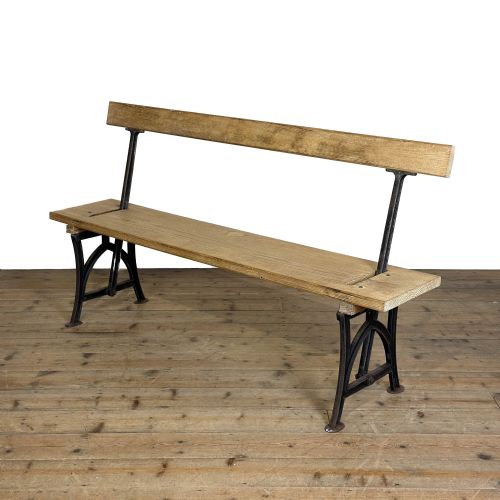
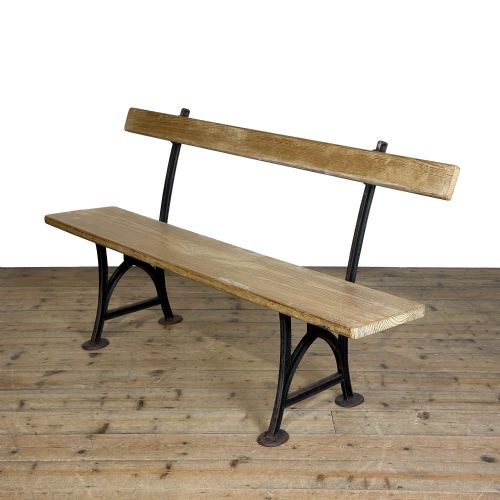
Vintage cast iron spans domestic furniture and utility objects from the Victorian era through the early twentieth century. Buyers seeking vintage cast iron encounter heavy beds, garden benches, umbrella stands, and bistro tables alongside industrial seating and fireplace accessories.
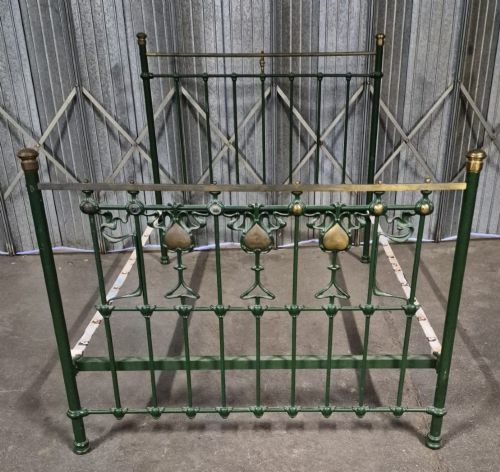
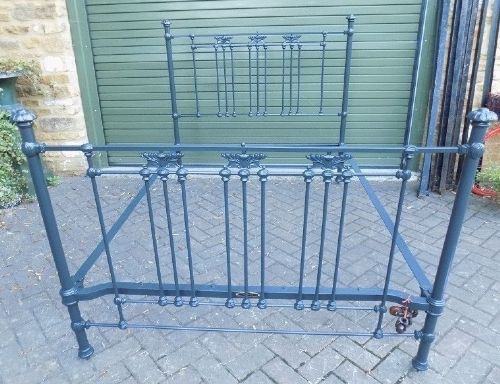
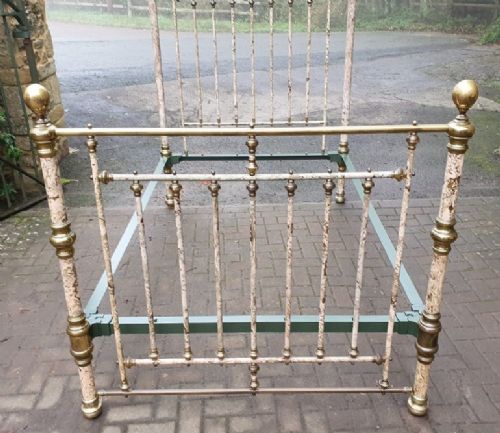
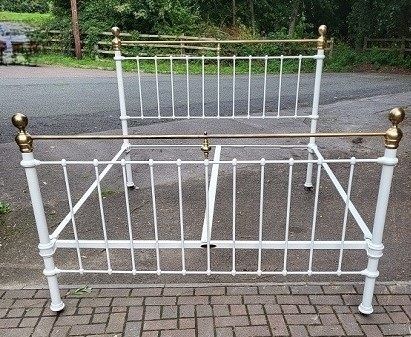
The domestic selection relies heavily on iron and brass bed frames, often paired with timber or ceramic details, while garden pieces utilise robust cast metal for outdoor resilience. Utility forms range from hall stands to specialised presses, reflecting the heavy-duty manufacturing of the period.
Materials and Technique
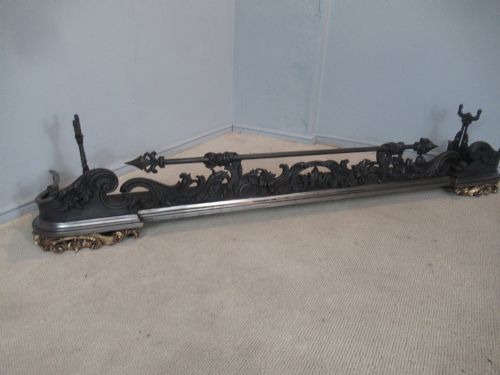
Makers poured molten metal into sand moulds to create intricate patterns for umbrella stands, garden benches, and decorative bed ends. This casting process allowed for sharp relief details, from classical motifs to structural ribs on industrial bases.
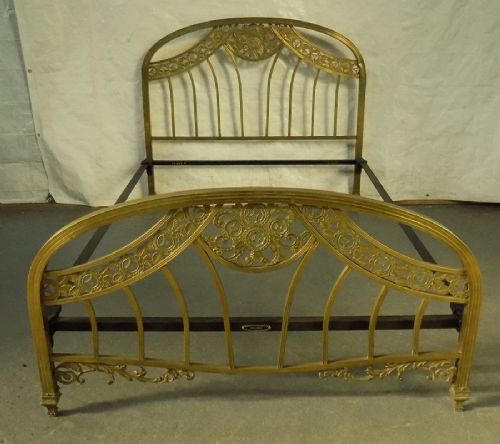
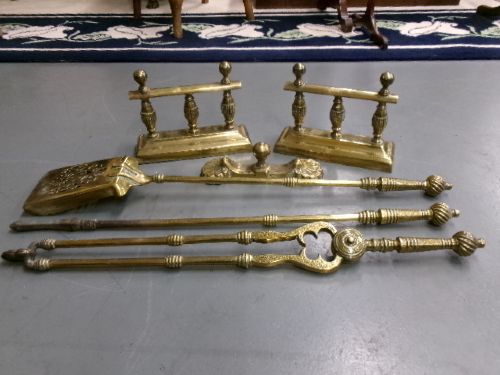
Combinations of cast iron with brass, wrought iron, and timber formed multi-material pieces like Victorian bed frames and marble-topped bistro tables. Surface finishes typically involved protective layers of paint, often surviving in black, cream, green, or distressed patinas.
Vintage Cast Iron Retail Price Guide 2026
Typical asking prices for vintage cast iron among the pieces listed under this phrase on Sellingantiques today, from the lower quarter to the upper quarter. They describe what is for sale here now, not the wider market.
Miniature cast iron urns offer all the grandeur of a park monument in a size that fits comfortably on a mantelpiece.
Assessing the Range
Quality rests in the crispness of the casting detail and the integrity of the structural joints. Pieces produced by known makers or featuring complex openwork patterns show a higher level of foundry skill than plain utility castings.
The integration of secondary materials, such as polished brass mounts, inset marble tops, or turned timber elements, elevates the status of a piece. Preservation of original painted surfaces and structural soundness without repair compromise the upper tier of the range.
Blackstone & Co.·Herbert & Sons London·Hoskins & Sewell·Archibald Kenrick & Sons
The Vintage Cast Iron Glossary
- Cast iron
- An iron-carbon alloy poured into moulds while molten. It provides rigidity and complex detail for structural and decorative items.
- Wrought iron
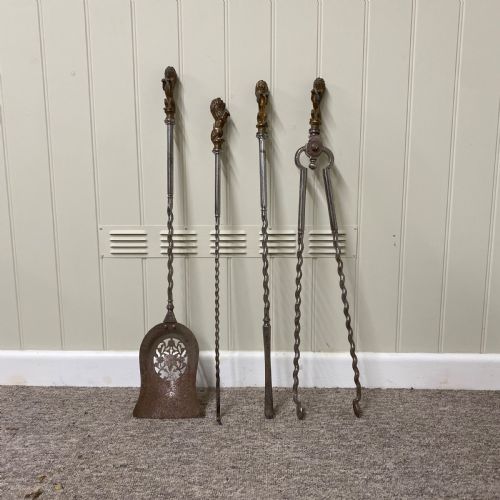
- Iron beaten and worked while hot rather than cast. It offers fibrous strength and flexibility for components like bed frames and fire implements.
- Umbrella stand
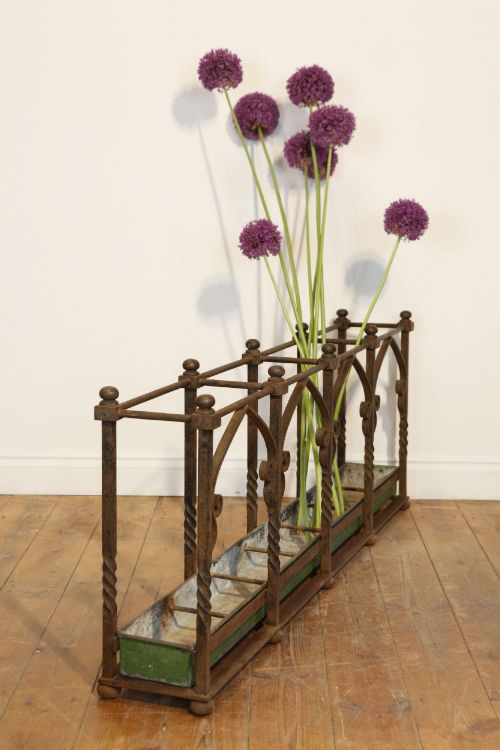
- A hall furnishing designed to hold wet walking sticks and umbrellas. Examples frequently incorporate drip pans and cast iron stick loops.
- Bistro table
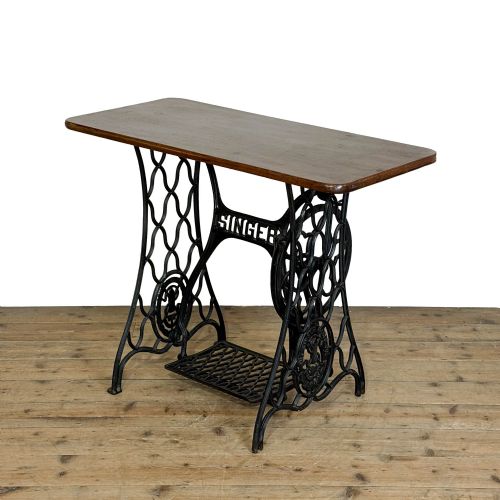
- A small café table typically featuring a heavy cast iron base and a round timber or marble top. These items served European hospitality spaces.
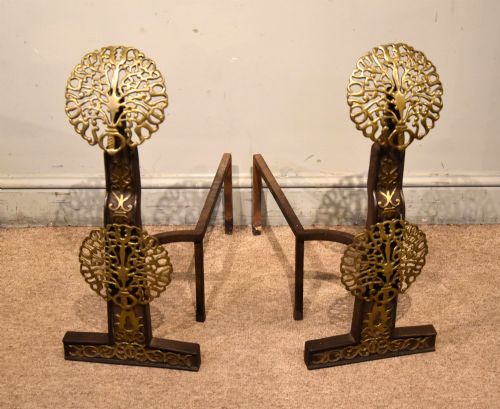
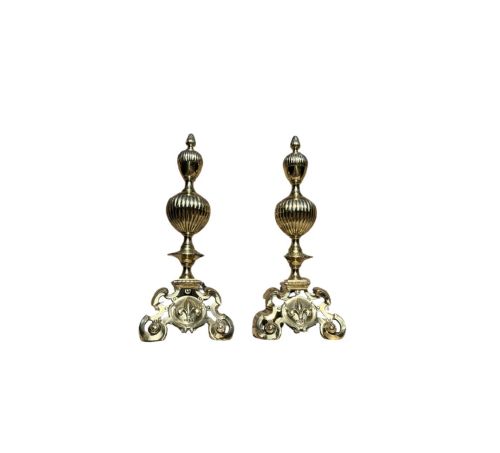
- Fire dog
- An iron support used to raise logs off the hearth floor for better airflow. They often appear in matched pairs alongside fire baskets.
Vintage Cast Iron: Frequently Asked Questions
How do I clean vintage cast iron?
Dust surfaces regularly with a dry cloth to prevent grime accumulation on textured details. Avoid harsh chemical solvents that can strip original paint or patinas.
For unpainted sections, apply a light coat of neutral wax or oil to protect the metal from moisture. Ensure pieces remain in dry environments to prevent active oxidation.
Are cast iron beds practical for daily use?
Many vintage bed frames accommodate standard modern mattress sizes with the addition of appropriate modern slatted bases. Their heavy construction ensures exceptional rigidity when properly assembled.
Check connection joints and castors during setup to guarantee stability. Dismantling requires care due to the substantial weight of the iron components.
Can garden benches stay outside year-round?
Cast iron garden furniture withstands outdoor conditions well due to its dense mass. However, prolonged exposure to damp weather encourages surface rust on vulnerable areas.
Applying a protective outdoor wax or repainting periodically preserves the metal. Storing pieces under cover during harsh winter months prolongs their structural life.