
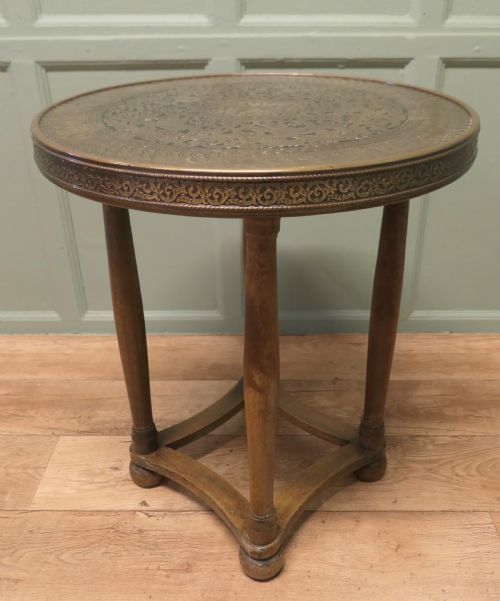
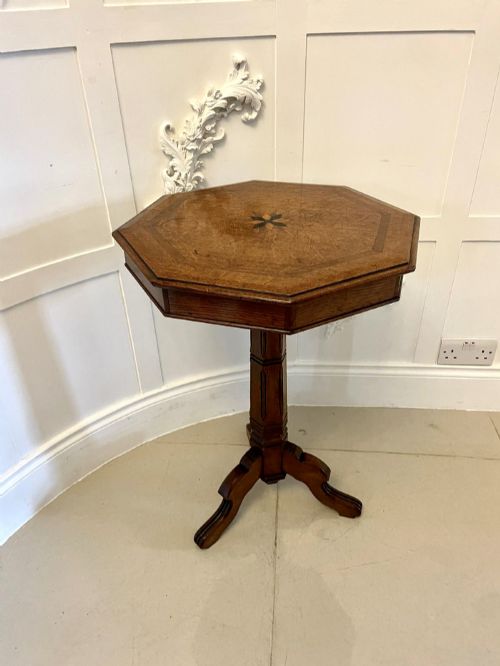
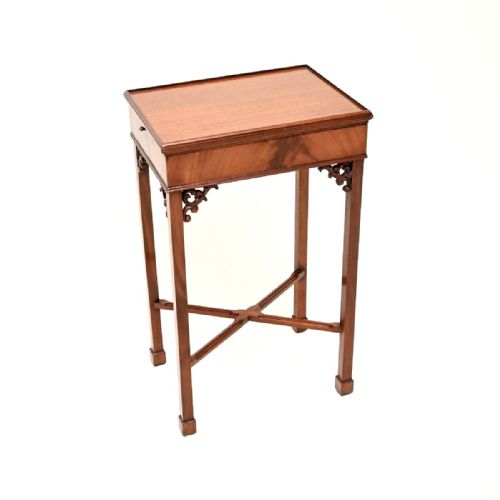
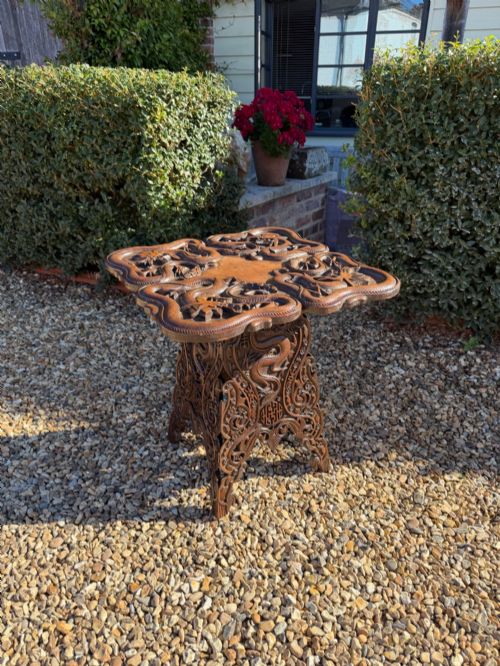
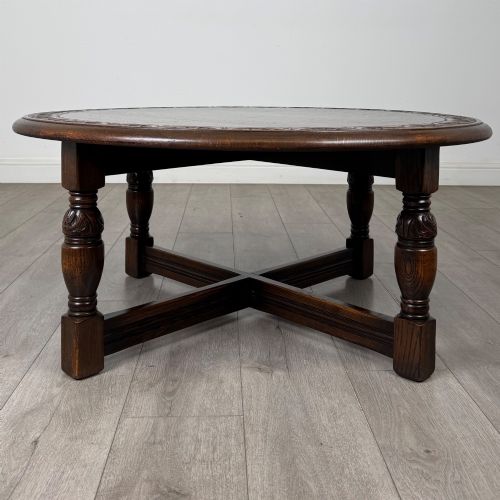
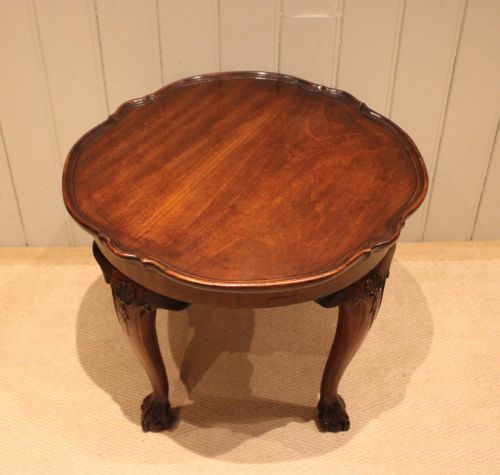
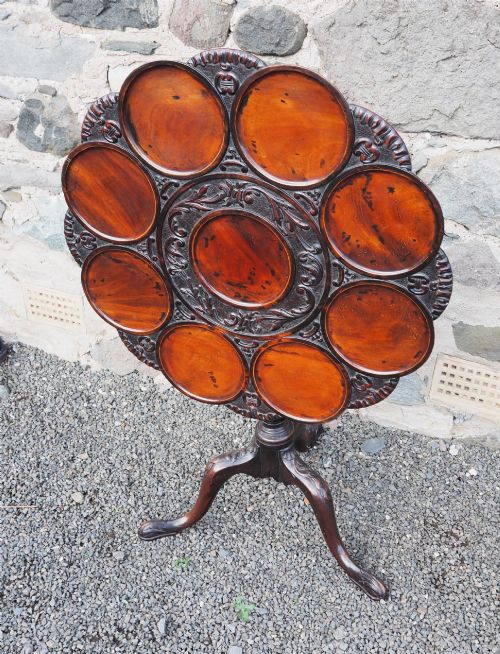
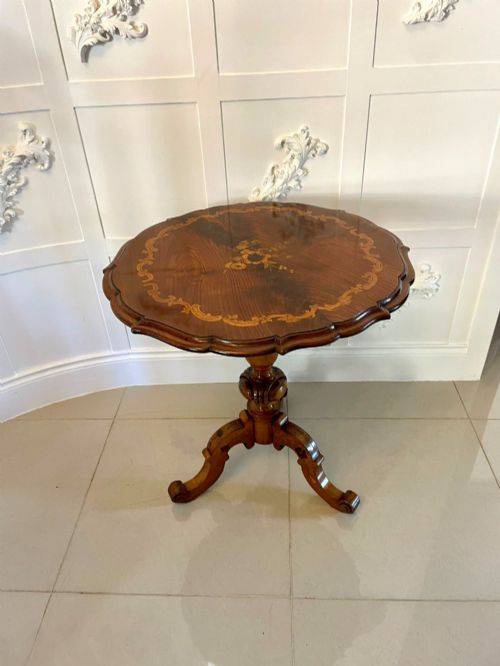
Vintage Carved Tea Table
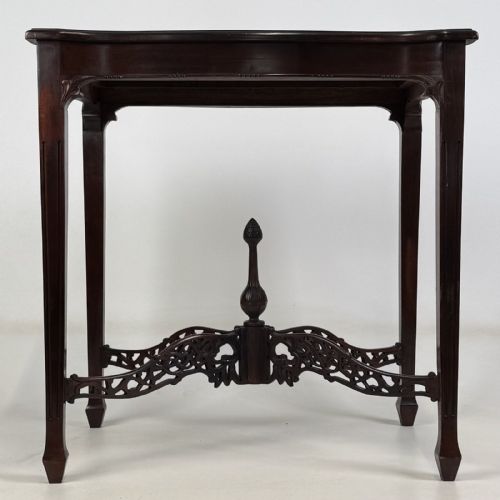
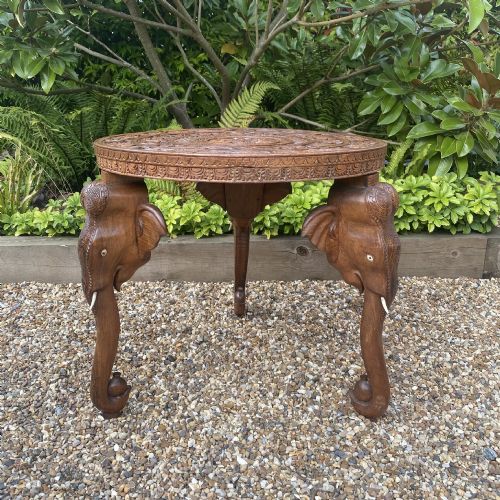
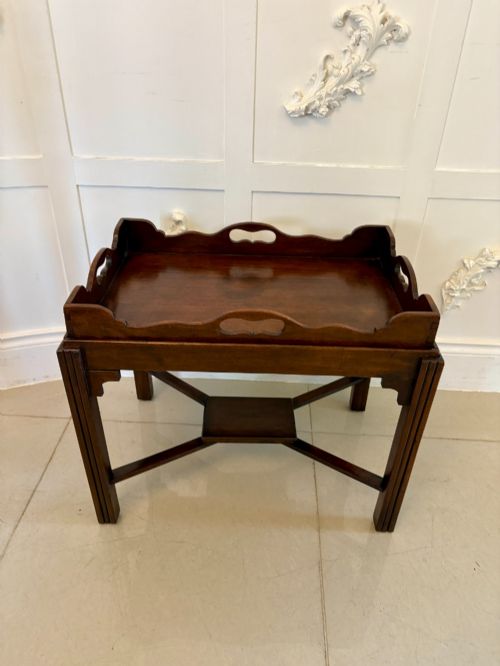
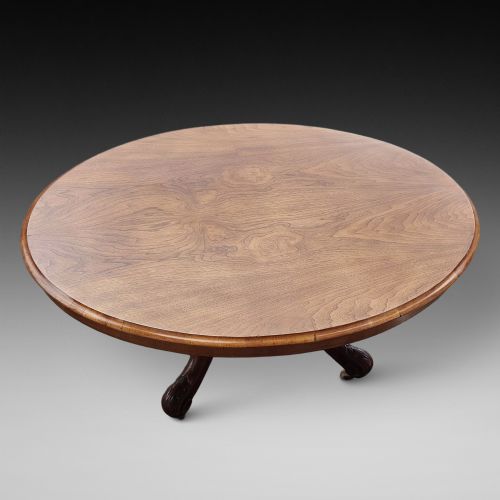
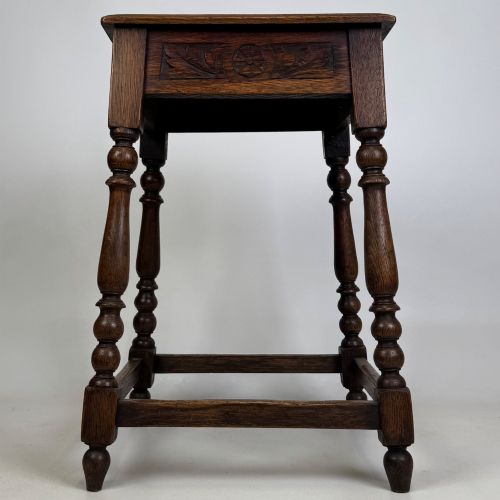
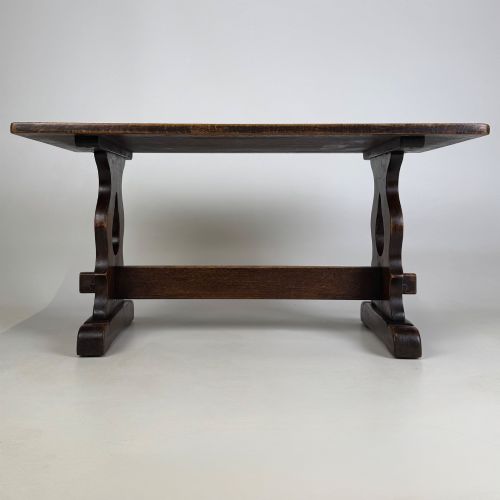
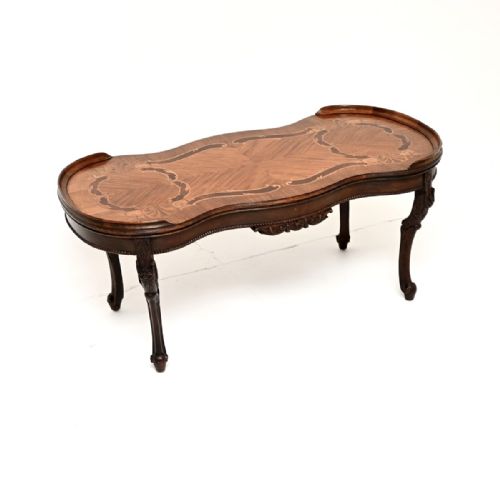
A vintage carved tea table brings centuries of hand-carved detail and rich hardwoods into modern rooms.
Vintage Carved Tea Table
A vintage carved tea table spans diverse periods from the Victorian era through the 1930s, encompassing styles such as Edwardian, Jacobean Revival, and Anglo-Indian designs. Buyers encounter forms ranging from low occasional tables and coffee tables to folding Damascus tables, Hoshiarpur pieces, and tea trolleys.
The selection frequently includes oak, walnut, mahogany, and rosewood constructions, often enriched with bone inlay, mother-of-pearl, or marble tops. These pieces originate from British workshops as well as international centres including India, China, and Italy.
The enduring appeal of these tables lies in their versatility as functional surfaces that double as decorative centrepieces. Whether searching for a compact side table or an intricate carved low table, buyers find craftsmanship suited to diverse interior spaces.
Materials and construction techniques
Cabinet makers utilised dense hardwoods such as mahogany, walnut, oak, teak, and rosewood to provide a stable foundation for intricate hand-carving. Burr walnut and figured walnut veneer added rich grain patterns to table tops.
Artisans employed traditional joinery alongside specialised decorative techniques including marquetry inlay, bone inlay, mother-of-pearl placement, and intricate surface carving with dragon or figural details. Marble inserts and brass elements also appeared on specific regional forms.
Regional workshops abroad and domestic cabinet makers applied distinct methods, from the pierced woodwork of Hoshiarpur tables to European Chippendale style carving and Moorish geometric patterns.
Listings feature oak, walnut, mahogany, teak, and rosewood across periods from the Victorian era to the 1930s.
Assessing quality and craftsmanship
The distinction between standard examples and exceptional pieces rests upon the depth, crispness, and continuity of the hand-carving across the timber. Superior examples display precise control over complex motifs without surface tearing or loss of definition in the grain.
Material selection dictates the upper tier of the range, where choice figured walnut, burr walnut, or dense rosewood are matched with meticulous inlay work such as bone or mother-of-pearl. Simpler solid oak or mahogany models rely strictly on joinery integrity and proportion.
Provenance and originality elevate certain pieces, particularly when maker stamps or specific regional identities remain intact on structural elements.
Shapland and Petter·Liberty and Co
The Vintage Carved Tea Table Glossary
- Marquetry
- A decorative technique where small pieces of veneer are fitted together to form pictorial or geometric designs on the table top. This method requires precise cutting and careful gluing.
- Hoshiarpur
- A style of intricate woodwork originating from India, characterised by dense surface carving and geometric bone inlay. These pieces often feature folding structures.
- Burr walnut
- Timber harvested from the wart-like growths on walnut trees, prized for its swirling, highly figured grain patterns. It frequently graces the tops of Victorian and Edwardian occasional tables.
- Occasional table
- A small, portable table designed for specific, intermittent use around a room rather than a permanent dining placement. They appear in numerous revival styles.
- Tripod table
- A freestanding table supported by a central pillar resting on three legs. This form gained popularity during the Georgian period and persisted into later revivals.
Vintage Carved Tea Table: Frequently Asked Questions
What is a vintage carved tea table used for today?
These tables function well as central coffee tables, lamp stands, or decorative side surfaces in living areas. Their varied heights and dimensions allow them to sit easily beside sofas or armchairs.
Many designs incorporate folding frames or lower shelves, providing practical utility alongside distinct historical character.
How do I identify the period of a carved tea table?
Dating relies upon examining the timber species, the style of the carving, and construction methods. Victorian and Edwardian pieces often display revival motifs like Chippendale or Jacobean details.
Regional pieces from India or China frequently exhibit distinct carving traditions, such as dragon motifs or Hoshiarpur bone inlay, which help narrow their era of origin.
Are marble topped tables difficult to maintain?
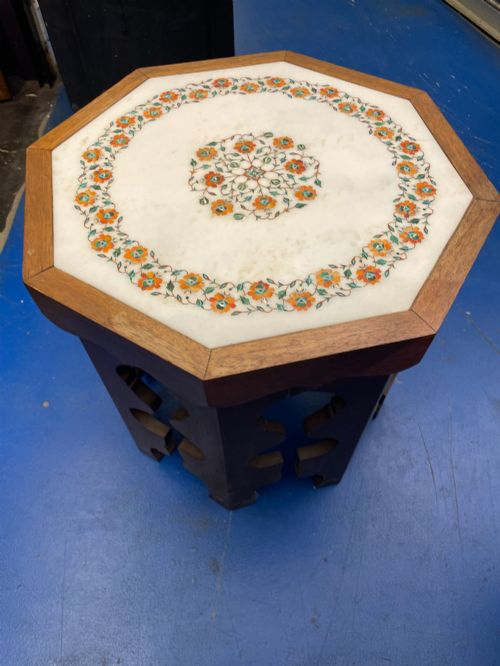
Marble tops require simple cleaning with a damp cloth and mild soap, avoiding acidic substances that can etch the polished surface. The stone sits within a wooden frame and adds considerable weight to the table.
This solid surface provides a durable resting place for drinks and decorative items while contrasting with the carved wooden base.
Where were Hoshiarpur tables made?
Hoshiarpur tables originated in the Punjab region of India, where master artisans specialised in intricate wooden carving and bone inlay. British importers brought these distinctive pieces to the domestic market.
They are frequently constructed with folding octagonal or circular tops, making them adaptable for transport and storage.