
Vintage Carved Oak Dresser
A vintage carved oak dresser brings enduring character and robust storage to an interior, drawing on centuries of traditional British cabinet-making.
Vintage Carved Oak Dresser
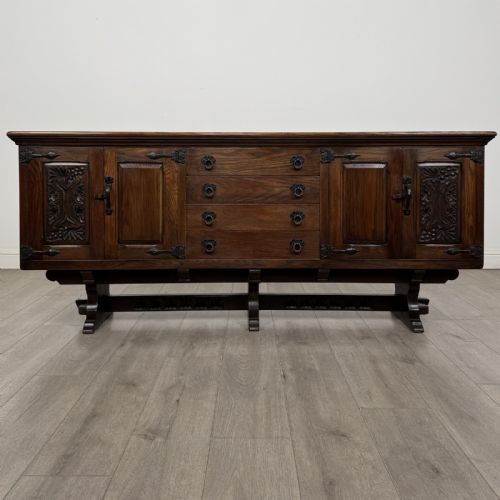
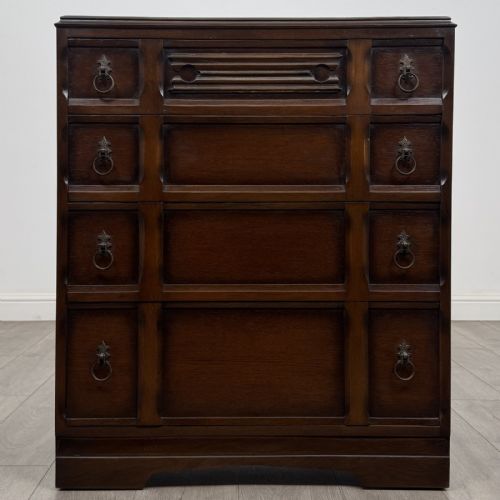
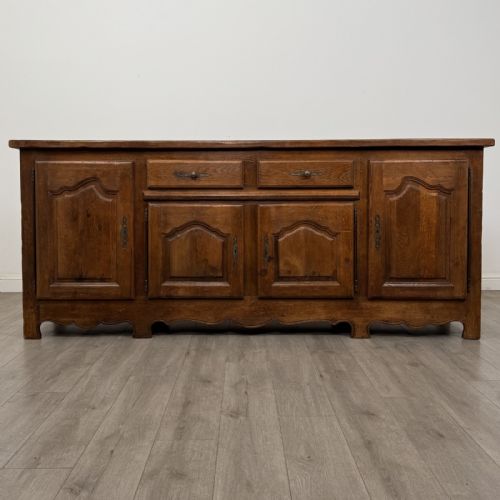
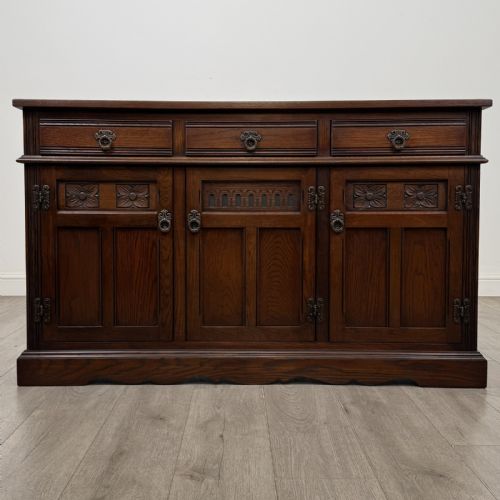
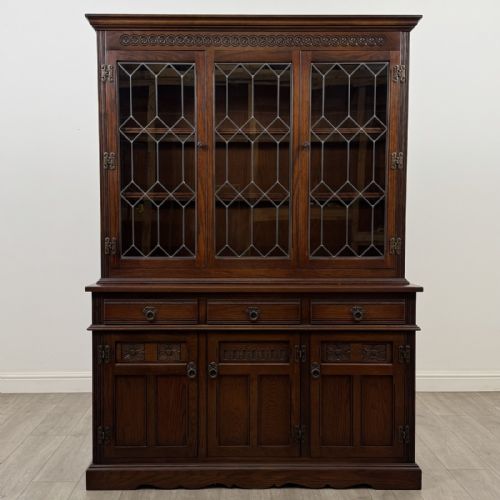
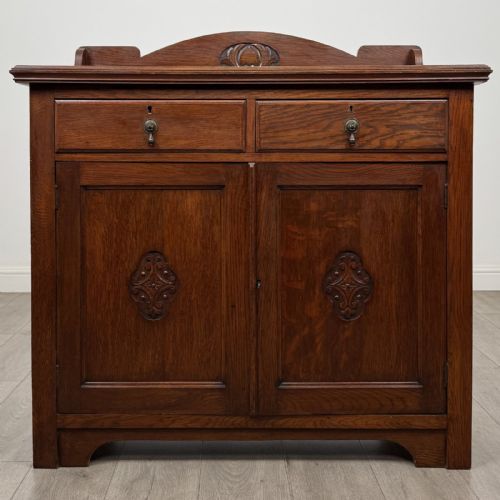
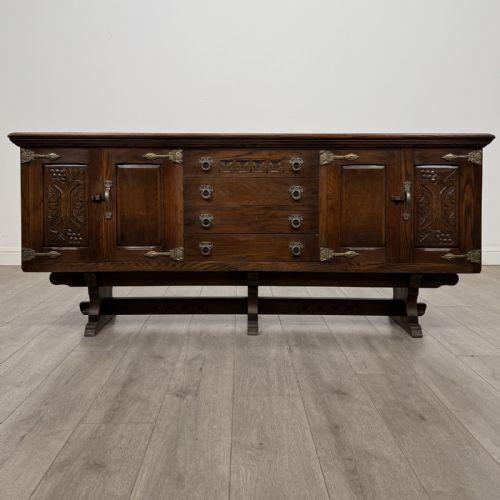
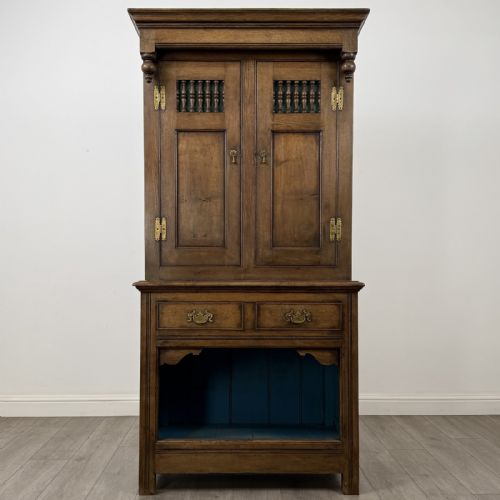
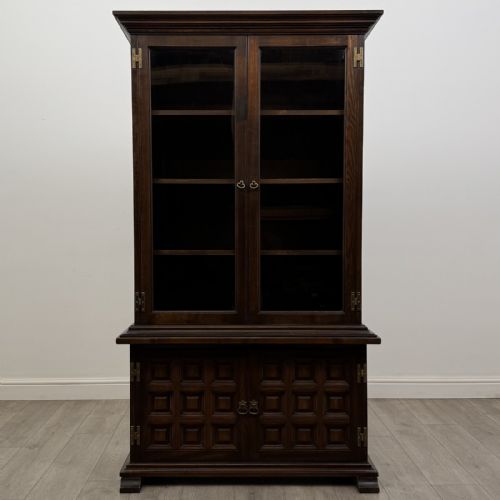
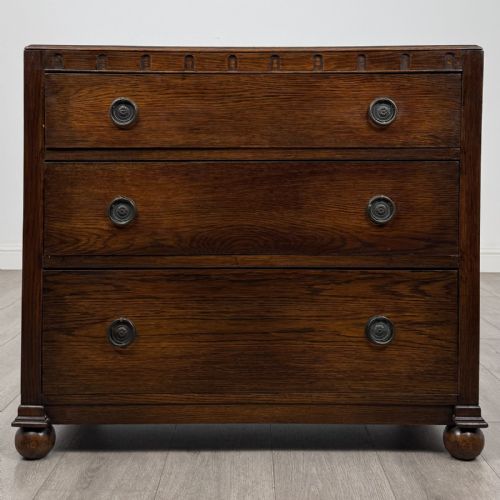
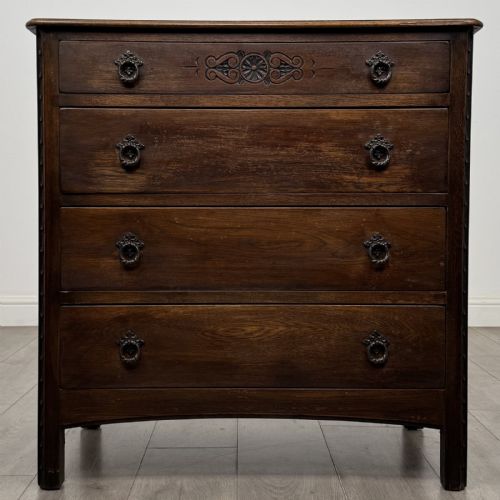
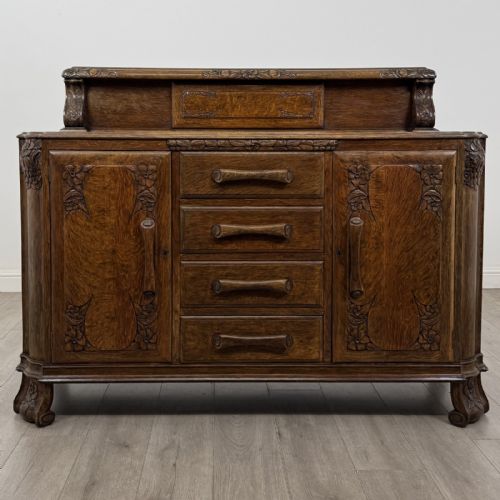
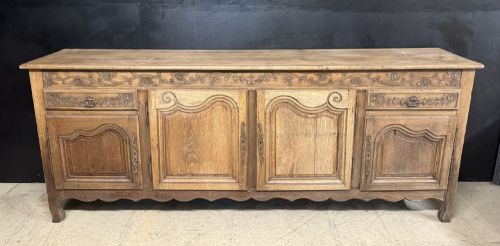
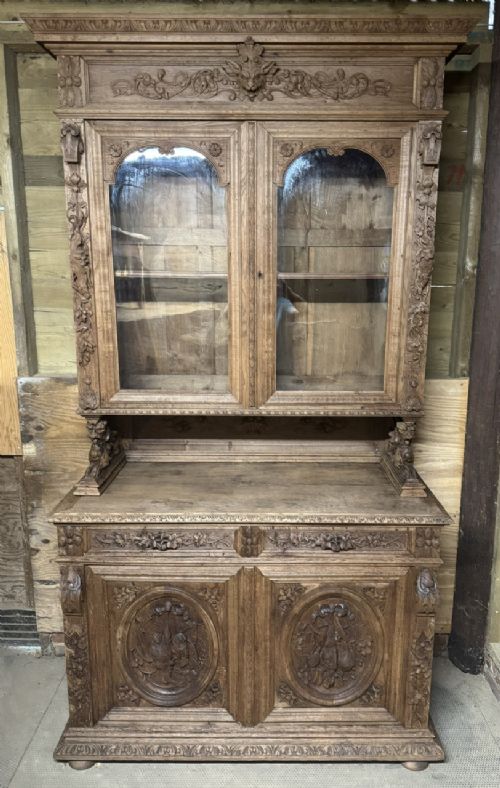
When you search for a vintage carved oak dresser, you encounter a varied selection of large storage furniture spanning the seventeenth century up through the Edwardian period and the nineteen-thirties. The pieces on this page encompass traditional Welsh dressers with upper display racks alongside low dresser bases, sideboards, court cupboards and chests of drawers.
Stylistic influences range widely across the inventory, touching upon Jacobean Revival, Gothic Revival, Arts and Crafts, and English Country traditions. You will frequently meet Edwardian examples alongside older nineteenth-century interpretations and earlier items from the seventeenth and eighteenth centuries.
Form follows function across these designs, balancing enclosed cabinet space and drawers with open shelving intended for display. Oak dominates the construction, sometimes paired with mahogany or accented with brass and glass elements.
Materials and construction
Makers utilised solid oak, golden oak, and tiger oak as the primary timber, occasionally combining it with secondary woods such as mahogany for contrast. Construction relied on traditional joinery methods suited to heavy hardwoods, ensuring structural endurance across centuries of domestic use.
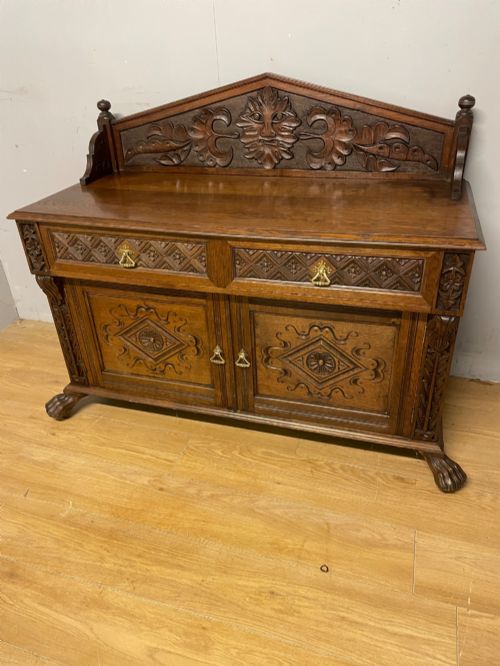
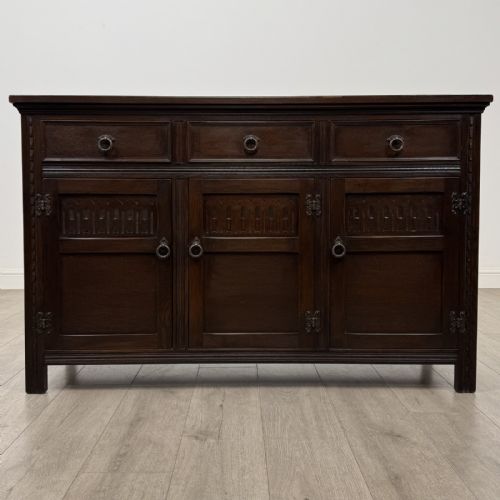
Surface decoration frequently involves intricate hand carving, showing linenfold panels, Green Man grotesques, or geometric mouldings. Turnery appears on supports and legs, notably through barley-twist columns, while metal handles typically employ brass and iron.
Assessing craftsmanship
The degree of finesse in the hand carving separates standard production from superior examples, particularly where deep relief work and figural motifs like Green Men or linenfold panels are executed with sharp definition. Well-executed revival styles reflect careful adherence to historical proportions rather than hasty commercial replication.
The choice of timber grain and the depth of the oak colour contribute significantly to visual appeal, with tiger oak figuring and rich golden tones holding strong presence. Original hardware such as brass drop handles and integrated glass panels further elevate the integrity of a piece.
The Vintage Carved Oak Dresser Glossary
- Dresser base
- The lower cabinet portion of a dresser, featuring cupboards and drawers without the upper plate rack.
- Court cupboard
- A heavy enclosed wooden cabinet dating from the sixteenth or seventeenth centuries, often featuring an upper section supported by carved pillars.
- Barley-twist
- A spiral turning technique applied to wooden furniture legs and supports, popular during the seventeenth century and later revived in Victorian and Edwardian periods.
- Linenfold
- A style of carved wooden panelling that resembles folded fabric, frequently seen on Tudor and revival cabinetry.
- Welsh dresser
- A traditional kitchen or dining room piece combining a closed base of drawers and cupboards with an open upper shelving rack for displaying ceramics.
Vintage Carved Oak Dresser: Frequently Asked Questions
What is a dresser base?
A dresser base represents the lower section of a traditional dresser, containing a combination of drawers and enclosed cupboards without the upper plate rack.
These versatile units served historical households for food preparation and storage, functioning today as sideboards or serving tables in dining rooms and hallways.
What is tiger oak?
Tiger oak refers to quarter-sawn oak timber displaying prominent medullary rays that create a distinctive striped pattern resembling tiger markings.
Cabinet-makers prized this cut for its decorative figure, which catches the light and adds visual depth to Edwardian and Victorian sideboards.
Where were Welsh dressers used?
Welsh dressers originated in rural kitchens as practical furniture for storing tableware, cutlery, and provisions while displaying pewter and ceramic plates.
In modern interiors, they function effectively in dining spaces and large kitchens to exhibit collections behind open shelving while keeping dining accessories concealed below.