

Vintage Carved Cabinet
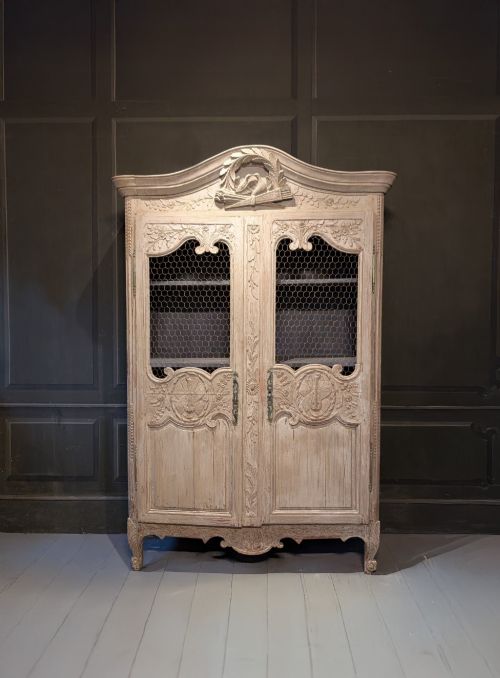
A vintage carved cabinet brings heavy timber and historic motifs into a modern interior.
Vintage Carved Cabinet
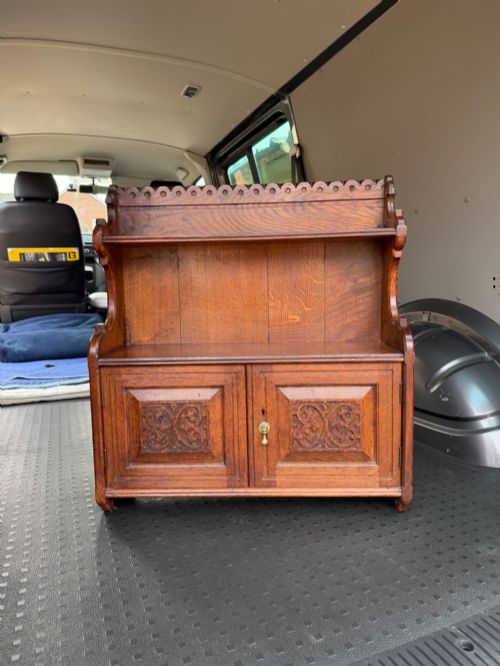
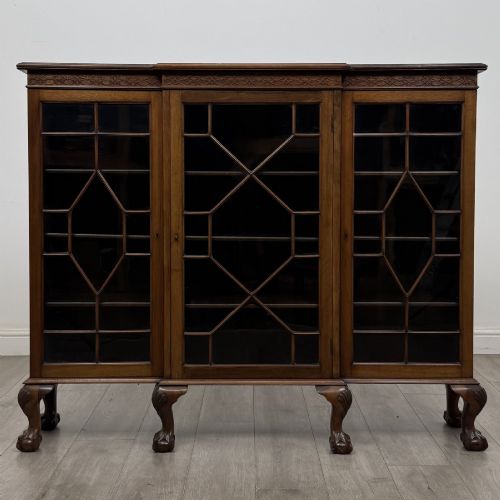
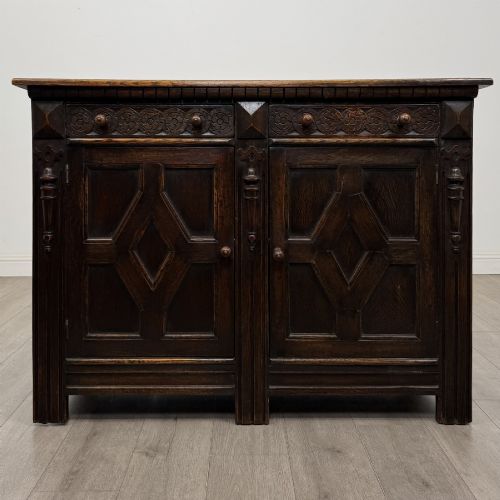
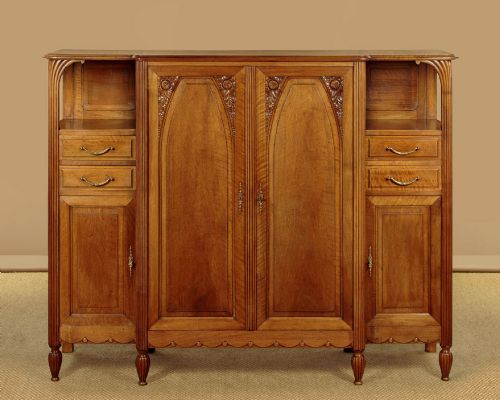
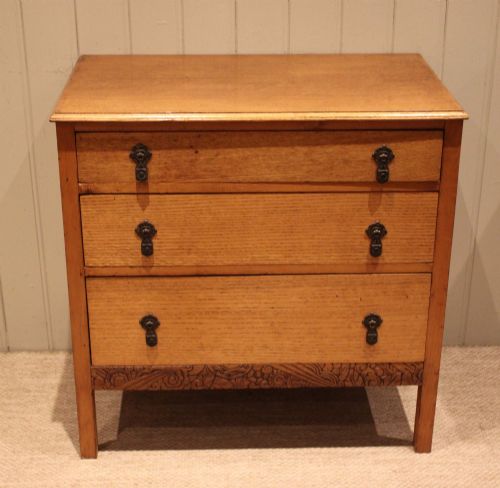
A vintage carved cabinet encompasses sideboards, cupboards, display cases, and bedside units spanning the nineteenth and twentieth centuries. These storage pieces appear frequently in robust oak, often echoing earlier Jacobean or Arts and Crafts ideals.
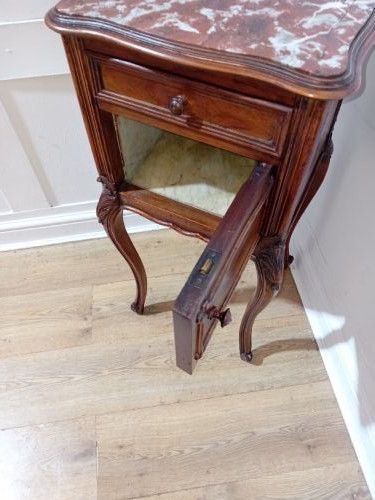
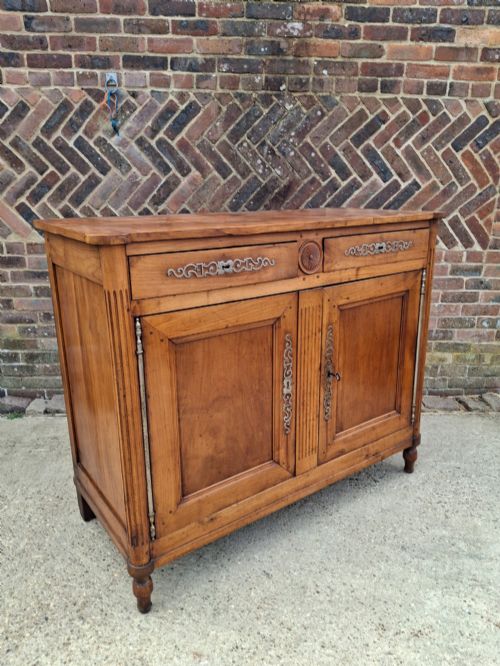
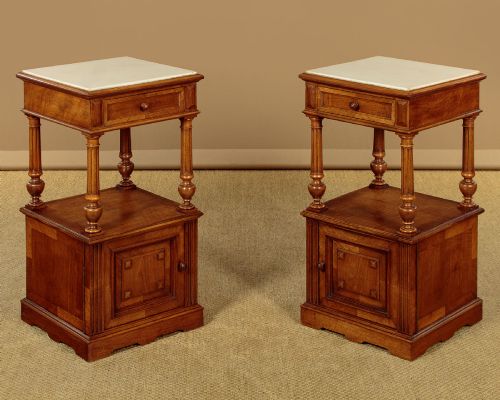
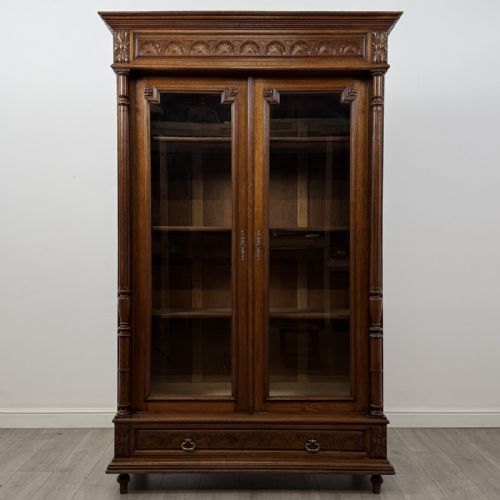
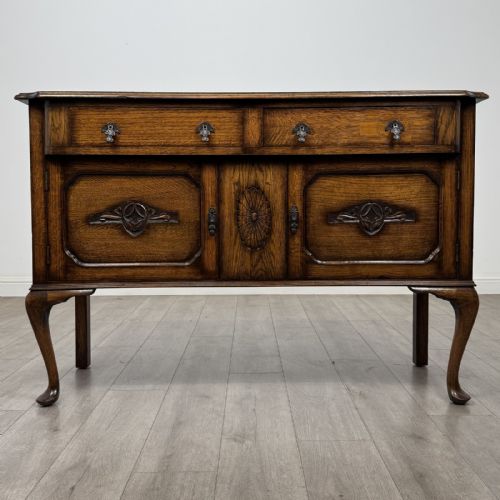
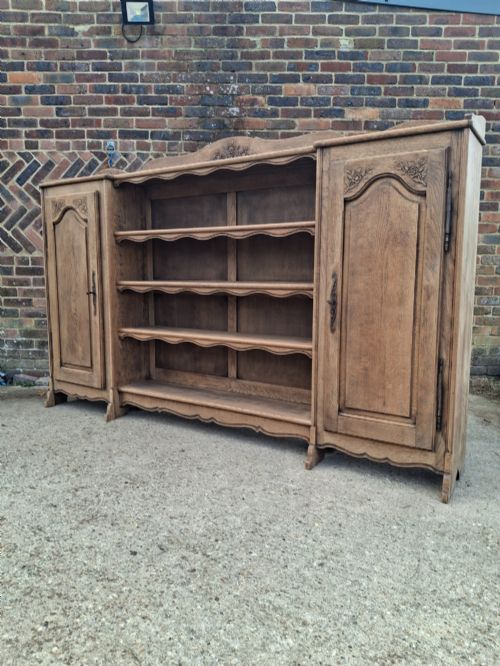
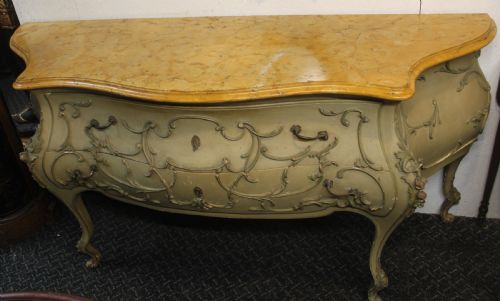
Buyers will encounter numerous oak cupboards and sideboards featuring raised galleries, panel doors, and barley twist legs. Pieces range from monumental Victorian display cases to compact Edwardian bedside cabinets and French marble-topped variants.
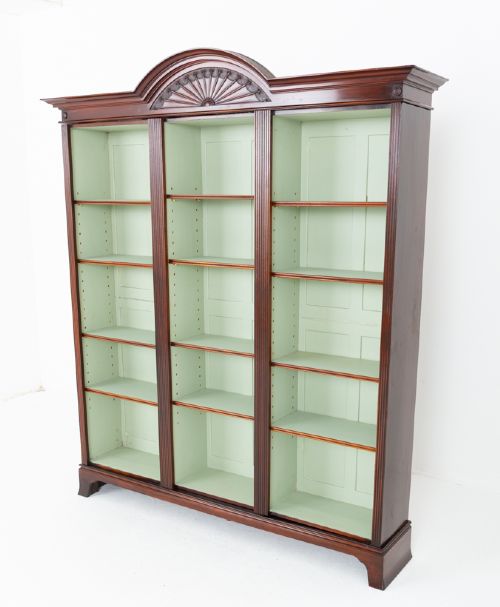
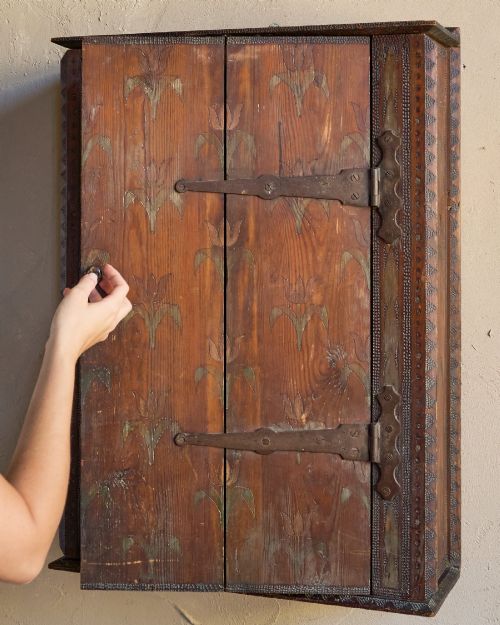
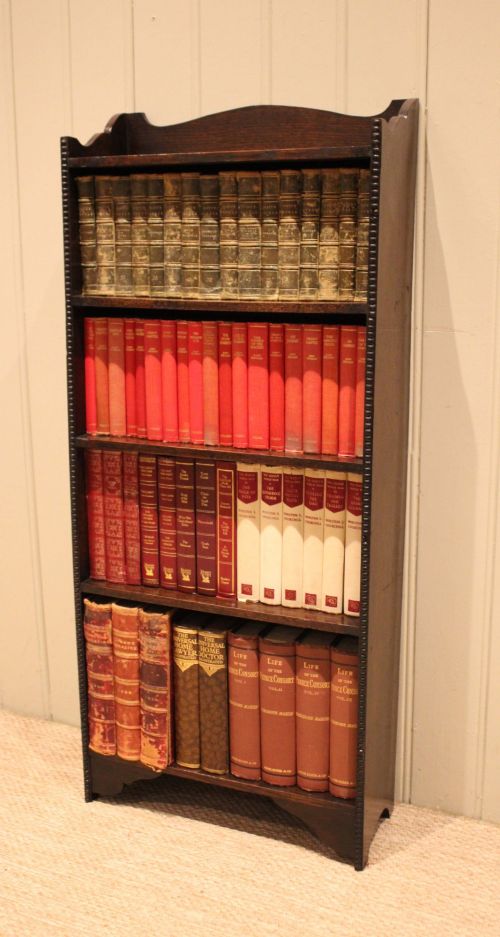
The selection also includes mahogany bookcases, walnut wardrobes, and painted pine furniture. Stylistic influences stretch from Victorian revivalism through to Art Deco geometry.
Materials and construction
Solid oak and mahogany form the primary structural timbers, shaped with fielded panels, carved friezes, and applied mouldings. Artisans utilised traditional joinery techniques such as dovetailed drawers and pegged frames.
Secondary elements include brass hardware, mirrored glass, and inset marble tops on specific European pieces. Surface finishes range from natural wax polish to limed treatments and painted layers.
Vintage Carved Cabinet Retail Price Guide 2026
Typical asking prices for vintage carved cabinet among the pieces listed under this phrase on Sellingantiques today, from the lower quarter to the upper quarter. They describe what is for sale here now, not the wider market.
A Victorian watch and clock repairer's chest waits quietly on this page, keeping count of tiny lost springs.
Distinguishing quality
The standard of carving dictates much of the visual distinction, moving from mechanical repetition to deep, hand-chiselled relief work. Timber selection matters equally, as demonstrated by figured burr walnut and pollard oak surfaces.
Hardware and secondary details define the upper tier, including branded brass locks, glazed astral bars, and substantial stretcher bases. Structural integrity relies on the retention of original panel work and tight joints.
Hobbs & Co
The Vintage Carved Cabinet Glossary
- Barley twist
- A turned wooden column resembling a twisted rope, common on Edwardian and Jacobean Revival table legs and supports.
- Fielded panel
- A wooden panel with bevelled edges set into a recessed frame, adding depth to cabinet doors.
- Purdonium
- A specialised Edwardian coal box disguised as a small cabinet, typically featuring a sloping front and interior metal liner.
- Demi lune
- A half-moon shape applied to the top and front profile of side cabinets and console tables.
Vintage Carved Cabinet: Frequently Asked Questions
How do I style a carved oak cabinet today?
Pair heavy timber forms with neutral walls and minimalist modern lighting to let the historic texture stand out.
Allow the piece to anchor a dining room or hallway as a functional statement storage unit.
What is the difference between a sideboard and a cupboard?
Sideboards typically combine lower cupboards with multiple drawers and often feature a raised gallery back.
Cupboards focus primarily on enclosed shelving space behind hinged or panelled doors.
How do I care for antique wood surfaces?
Apply traditional beeswax periodically using a soft cloth to nourish the grain and maintain a natural sheen.
Keep wooden furniture away from direct heat sources and dramatic humidity shifts to prevent timber splitting.
Are marble top cabinets difficult to move?
Marble slabs add considerable weight to bedside cabinets and commodes, requiring careful lifting.
Many period pieces feature loose marble tops that lift clear of the wooden base for safer transport.