



Vintage Carriage Lighting
Vintage carriage lighting brings the robust metals and glazed panels of nineteenth and twentieth-century transit directly into modern interiors.
Vintage Carriage Lighting
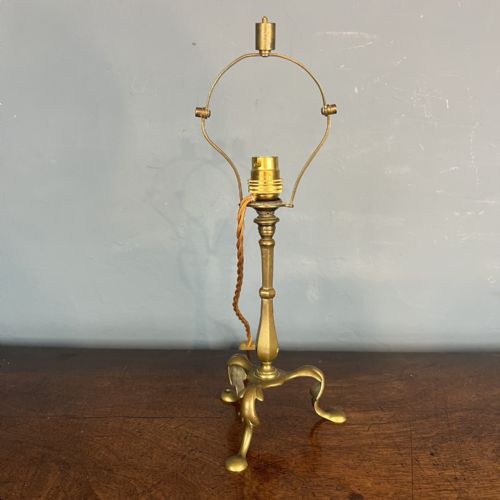
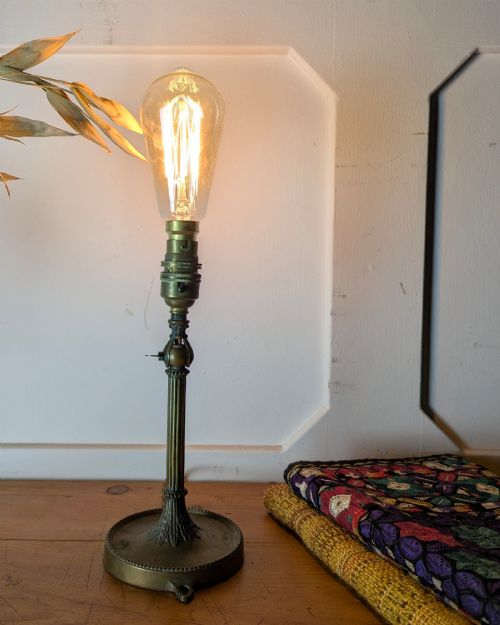
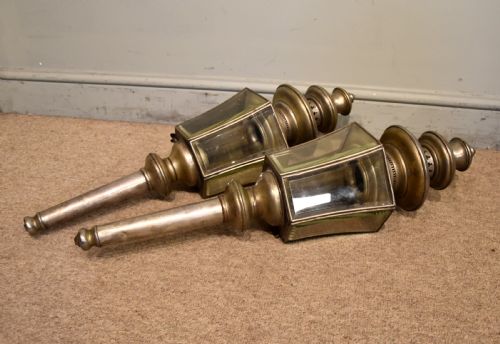
Vintage carriage lighting encompasses lamps, lanterns, and wall sconces originally designed for use on coaches, trains, and ships. When searching for vintage carriage lighting, buyers encounter sturdy pieces built to withstand motion and the elements, spanning the nineteenth century through to the nineteen-thirties.
Most examples function as wall lanterns, coaching lamps, or Pullman reading lights designed for static interior installation today. These pieces bring industrial and vehicular history into domestic rooms through durable metal frames and glazed panels.
What varies in quality
Quality rests in the substantial weight of the cast metals, the crispness of decorative mouldings, and the integrity of the original framing. Heavier gauges of brass, copper, and iron indicate robust commercial or transit service.
The presence of original bevelled or opaline glass panels and intact mounting brackets distinguishes finer examples. Refined detailing in styles such as French Empire or Arts and Crafts elevates certain pieces above utilitarian railway hardware.
Gimbal lamps ensure that even if your dining room rolls like a nineteenth-century steam train, your reading light stays perfectly level.
Veritas Lamp Works·Daris
The Vintage Carriage Lighting Glossary
- Pullman lamp
- A specialised light fixture originally fitted inside railway sleeping or dining carriages. These often feature adjustable brackets for table or wall mounting.
- Coach-house style
- A design aesthetic mimicking the architectural lanterns mounted outside carriage houses. These fixtures typically use sturdy metal frames and prominent wall brackets.
- Gimbal
- A pivoted ring assembly allowing a lamp to remain level despite the motion of a ship or train. It prevents the fuel or light source from tilting dangerously.
- Opaline glass
- A milky, semi-translucent glass used in lamp shades to diffuse light evenly. It softens the output while maintaining a bright, clean appearance.
Vintage Carriage Lighting: Frequently Asked Questions
Can these lights be wired for electricity?
Most antique carriage and railway lamps can be adapted for modern electrical wiring by a qualified professional.
Internal fittings are usually replaced or modified to house standard lamp holders while retaining the exterior housing.
Were these used on trains or road coaches?
The inventory includes items from both railway carriages and horse-drawn road vehicles. Railway pieces often bear specific company markings or gimbal mounts.
Coaching lamps generally feature prominent side lenses and heavy wall brackets designed for horse-drawn transport.
How do I mount a carriage wall light?
Carriage wall lights typically attach via integrated metal backplates or mounting arms provided on the original fixture. Due to the heavy iron and brass construction, secure anchoring into solid wall studs or masonry is essential.
What is the difference between Victorian and Arts and Crafts styles?
Victorian carriage lights often display ornate brass casting, elaborate bracket work, and French-influenced decorative motifs. Arts and Crafts examples favour simpler, geometric lines with hand-hammered copper or brass surfaces.