



Vintage Canvas Wall Painting
When you search for vintage canvas wall painting, you uncover oil works spanning the eighteenth to the mid twentieth century, captured on woven textiles.
Vintage Canvas Wall Painting
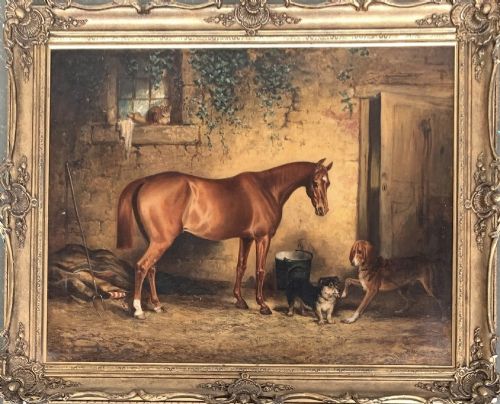
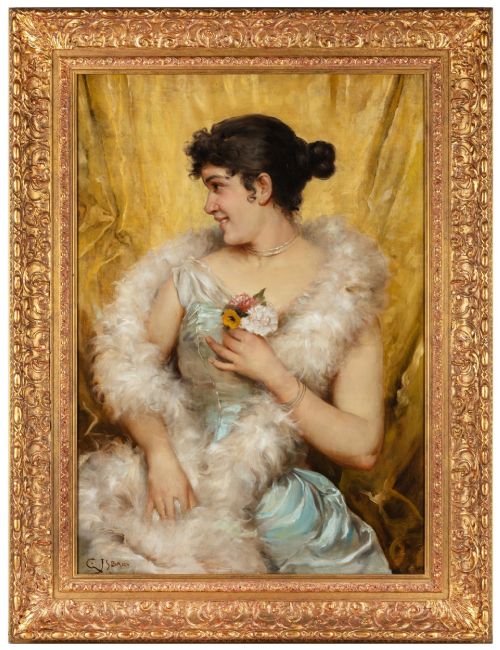
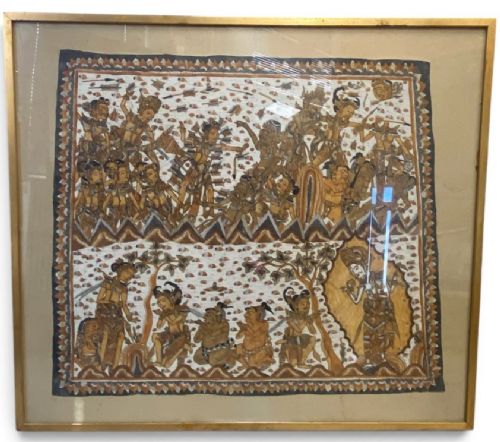
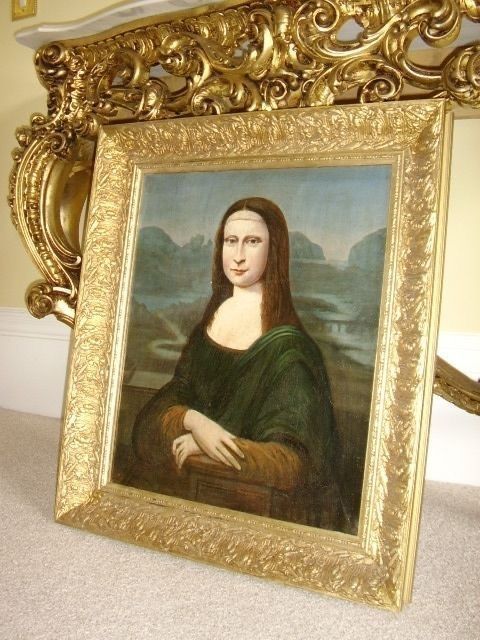
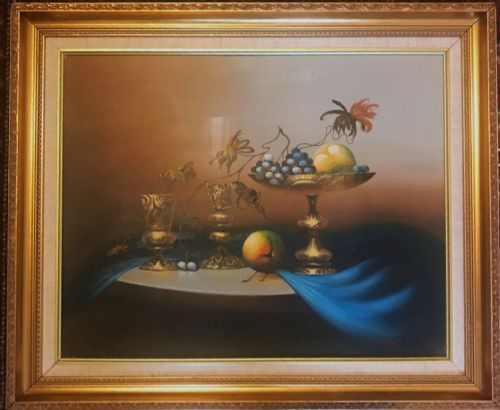
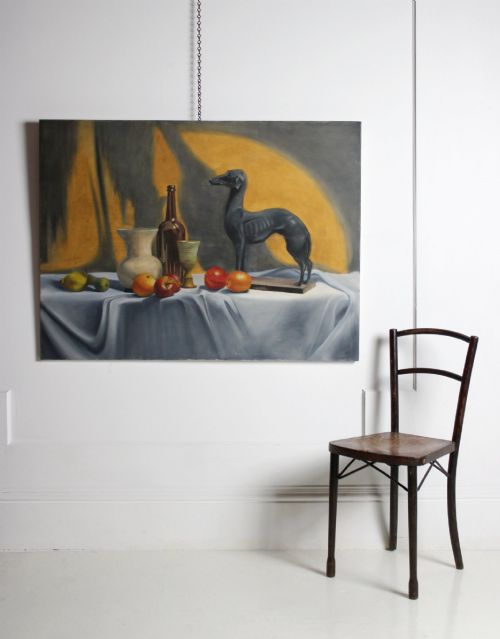
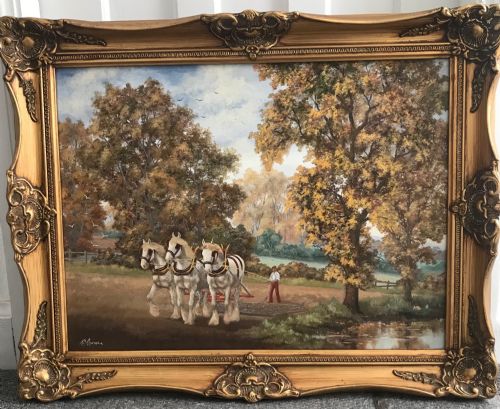
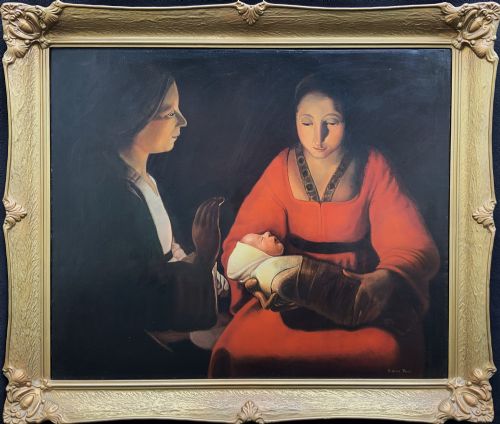
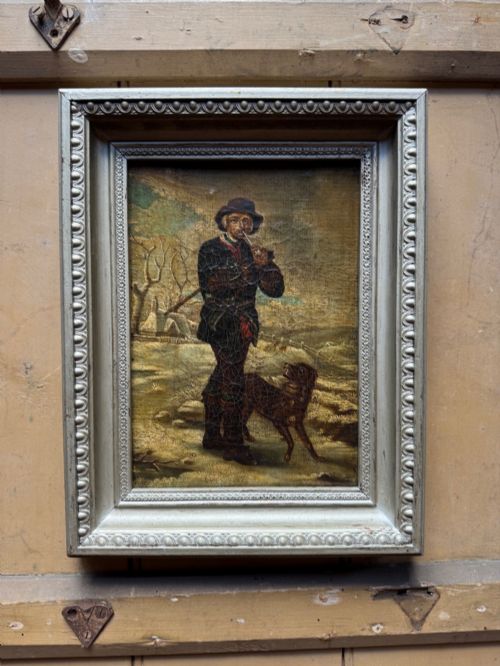
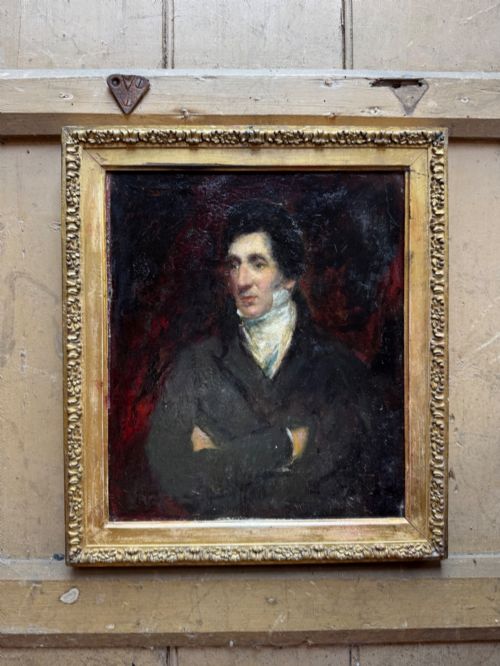
A vintage canvas wall painting brings historical oil portraiture, landscapes, and still life works into interior spaces. Buyers seeking a vintage canvas wall painting encounter framed art originating from British, French, and Dutch schools.
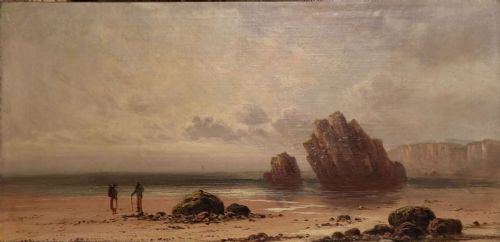
The selection ranges from nineteenth century rustic scenes to mid century modern coastal views and floral arrangements. These pieces function as decorative panels or fine art wall art within traditional and contemporary rooms.
How they were made
Artists painted primarily with oil paint applied directly onto stretched canvas, sometimes supported by wood or vinyl canvas. Frames fashioned from gilt wood, gesso, and standard wood surround many of the works.
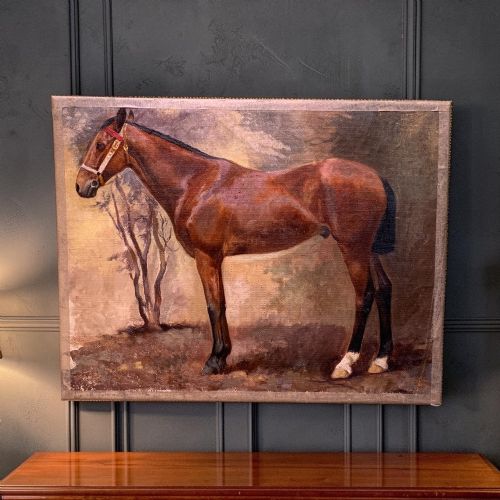
Makers utilised impasto techniques and applied layered pigments to build depth and texture within maritime, equine, and portrait compositions.
Several maritime scenes capture historical shipping moments, including a hospital ship in wartime and the burning of a ship.
What varies in quality
The strength of the composition and the nuance of brushwork distinguish master works from routine studio output. Handled pigment application and confident handling of light define superior examples.
The integrity of the original canvas and the preservation of the surrounding gilt gesso frame influence the overall character of the piece.
Kenneth Cozens·Jozsef Molnar·William H Myers·JOHN HAYLS·Dumini Leopoldo·Eugène-Louis Gillot·William McAlpine·Reginald Arthur Borstel·B. Nash·George Houston·Herbert Royle·Thomas W Lascelles·James Kay·Augusto Alberici·Gabriel Mathieu
The Vintage Canvas Wall Painting Glossary
- Canvas
- A heavy woven fabric used as a surface for oil painting. It is typically stretched tightly over a wooden frame before pigment is applied.
- Gesso
- A plaster mixture applied to wood frames as a base for moulding and gilding. It provides a smooth foundation for decorative metallic finishes.
- Impasto
- A technique where paint is laid on an area of a surface in very thick layers. This creates physical texture that stands out from the canvas.
- Post-Impressionism
- An art movement extending beyond impressionist styles to emphasise geometric forms and expressive use of colour. Works from this period show distinct brushwork and subjective interpretation.
Vintage Canvas Wall Painting: Frequently Asked Questions
How do I hang a heavy oil painting?
These works require secure wall fixings rated to support the weight of the wood stretcher and gilt frame. Heavy pieces need direct anchorage into wall studs rather than plaster alone.
Position the centre of the canvas at average eye level to balance the composition within the room. Ensure the hanging wire and D-rings on the reverse are structurally sound before mounting.
What periods do these paintings cover?
The available selection spans from the eighteenth century through the nineteenth century and into the mid twentieth century. Pieces represent distinct eras including the Edwardian and Victorian periods alongside mid century modern movements.
Each era brings specific stylistic approaches to portraiture, landscape, and still life subjects. Dating relies on stylistic cues, framing materials, and artist signatures recorded in the titles.
How do I clean a canvas painting?
Dust accumulation should be removed gently using a soft, dry brush without applying pressure to the pigment surface. Avoid liquid cleaners and household detergents which can damage aged oil paint.
Professional conservators should handle deeper cleaning or varnish removal to prevent altering the original layers. Keep the canvas away from direct heat sources and excessive moisture.
Are these paintings signed by the artist?
Many works feature visible artist signatures or inscriptions recorded by the original maker. Some pieces remain unsigned or attributed to specific historical schools based on technique and subject matter.
Indistinct signatures appear on various landscapes and marine scenes from the nineteenth and twentieth centuries. Documentation often relies on stylistic comparison with known regional works.