



Vintage Canine Statue
A vintage canine statue captures the character and form of dogs in bronze, porcelain, terracotta, and marble across the nineteenth and twentieth centuries.
Vintage Canine Statue
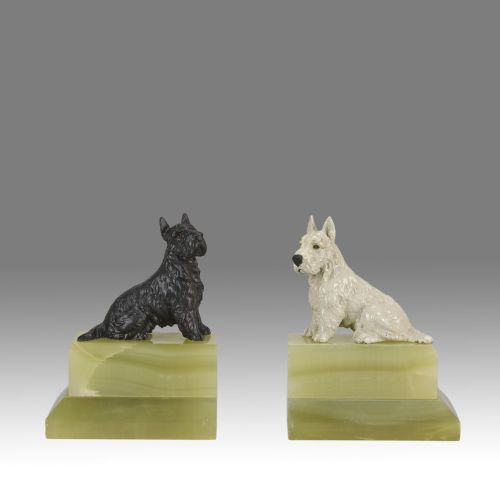
A vintage canine statue covers sculptural representations of dogs in various materials, spanning the nineteenth century through the early decades of the twentieth century. These pieces range from small cabinet bronzes and bookends to life-size advertising figures and terracotta sculptures.
Originating from English, French, Austrian, and German workshops, these sculptures reflect the diverse tastes of their periods. Forms vary from functional bookends and doorstops to decorative figures and advertising display pieces.
Materials and methods
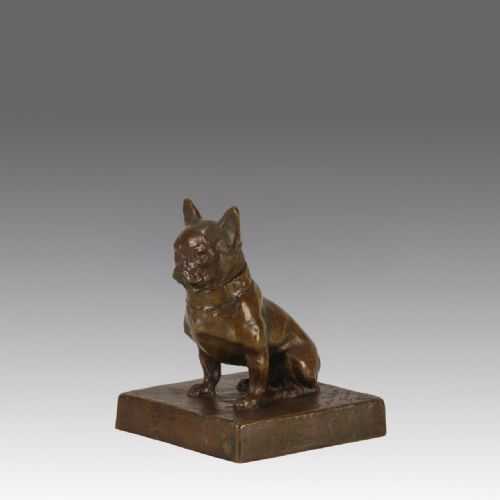
Bronze stands out as a primary medium, often shaped through traditional casting methods and finished with cold painting or patination. Foundries such as Barbedienne employed skilled techniques to capture fine details in figures by prominent sculptors.
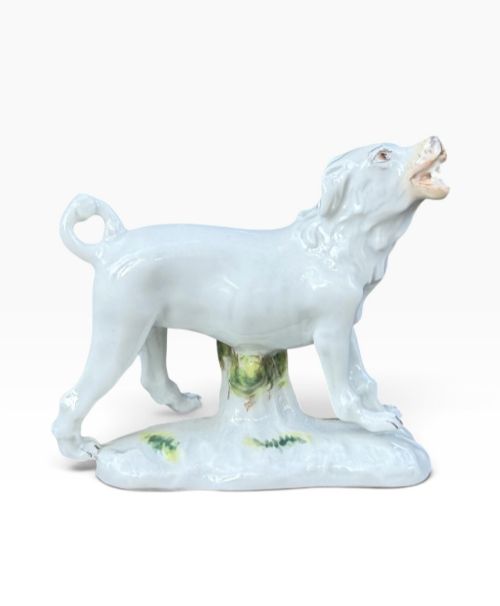
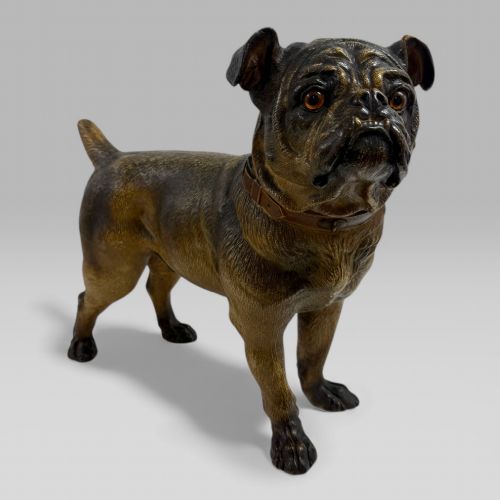
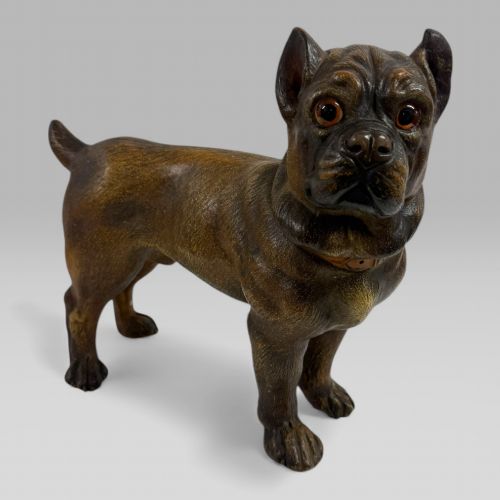
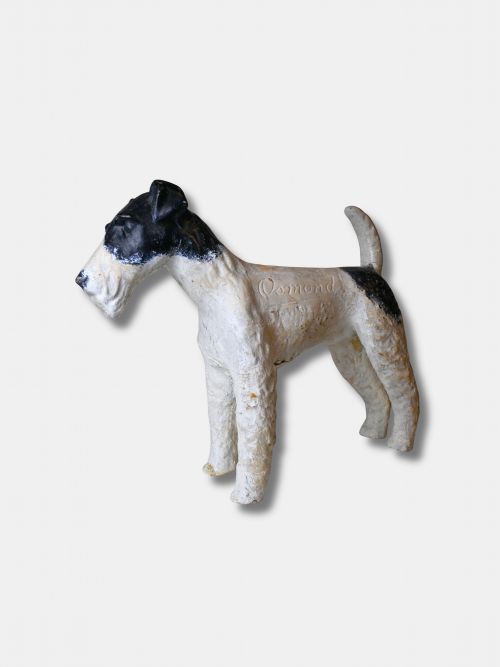
Terracotta and composition allow for larger, life-size forms, frequently hand-painted or glazed to represent breeds like pugs and fox terriers realistically. Porcelain and glass works utilise kiln firing and detailed hand-painting, particularly seen in German and Meissen productions.
Objects span the nineteenth century, Edwardian era, 1900, 1910, 1920, 1930, and 1940 periods across multiple European countries.
Judging the work
The fidelity of anatomical observation and the crispness of the casting or moulding separate standard commercial pieces from finer studio works. Master sculptors and established foundries achieved a lifelike presence through precise musculature and expressive posture.
Surface finish and original patination or paint preservation play a significant role in determining the integrity of a piece. Hand-painted details on cold-painted bronzes, terracottas, and porcelains reveal the skill of the decorator and the care taken during production.
The presence of artist signatures, foundry marks, or documented attribution elevates the standing of a sculpture, connecting the object directly to known makers and periods.
Dora Heber·Prosper Lecourtier·Arthur Waagen·Antoine Louis Barye·Franze Bergman·Louis Riché
The Vintage Canine Statue Glossary
- Animalier
- A nineteenth-century artistic movement focusing on the realistic portrayal of animals. Sculptors in this tradition studied anatomy closely to render beasts in motion or repose.
- Cold painted
- A technique where bronze figures are painted with non-heat-set paints, often associated with Austrian workshops. This method requires careful handling to preserve the delicate surface colours.
- Grand Tour
- A traditional trip of Europe undertaken by upper-class young men in the eighteenth and nineteenth centuries, bringing home souvenirs such as marble hound sculptures. These items reflect classical antiquity and scholarly taste.
- Spelter
- A zinc alloy used as a cost-effective alternative to bronze, frequently utilised in Art Deco figures. It takes patination well to simulate heavier metals.
- Vienna bronze
- Small, highly detailed bronze sculptures produced in Austrian foundries, often featuring cold-painted surfaces. They gained popularity for their whimsical or realistic portrayals of animals.
Vintage Canine Statue: Frequently Asked Questions
How do I identify a bronze dog sculpture?
Examine the weight, surface temperature, and patination of the piece. Bronzes feel heavy and cold to the touch, and closer inspection often reveals foundry marks or artist signatures.
Look for fine chisel work and chasing that indicate traditional casting methods rather than modern mass production.
What periods do these dog statues come from?
The listings span the nineteenth century through the early twentieth century, including Victorian, Edwardian, and Art Deco eras. Each period brings distinct materials, from heavy cast bronzes to composition advertising figures.
Stylistic cues and material choices generally point to the specific decade of manufacture.
Where were these canine sculptures made?
Origin locations include workshops and foundries across England, France, Austria, and Germany. European animalier artists and major porcelain factories produced the majority of these pieces.
Regional styles often reveal the geographic origin of the work.
How were life-size dog figures used?
Life-size terracotta and composition figures often served as advertising displays, shop signs, or prominent decorative floor pieces. Some items, such as heavy plaster doorstops and bookends, combined decoration with utility.
These larger pieces filled domestic interiors and commercial spaces alike.