




Vintage Canine Figure
A vintage canine figure captures the spirit and loyalty of dogs in bronze, terracotta, porcelain, and marble.
Vintage Canine Figure
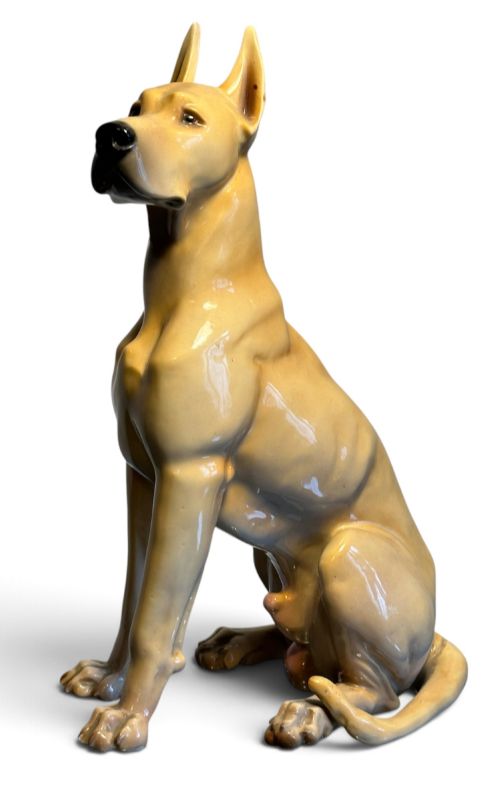
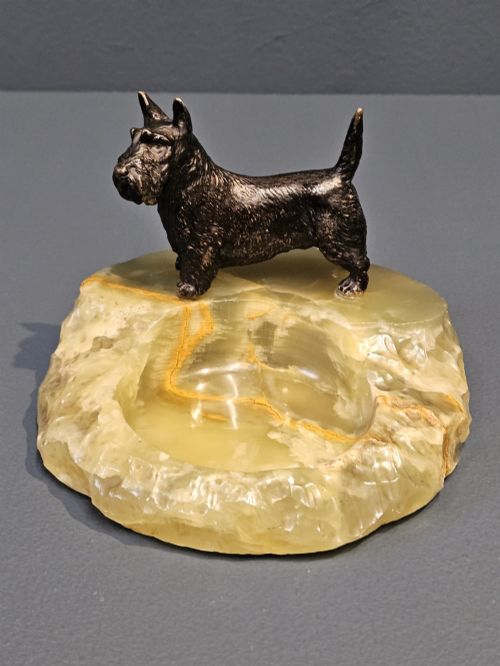
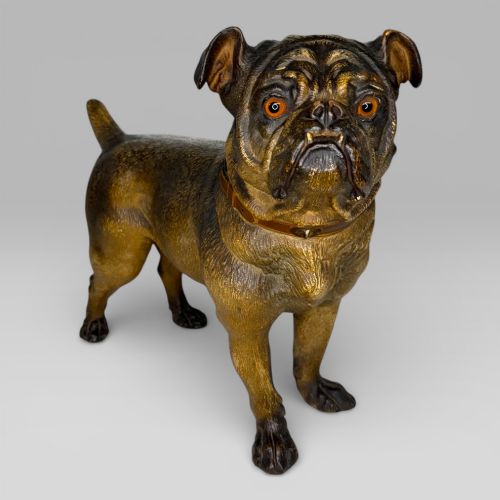
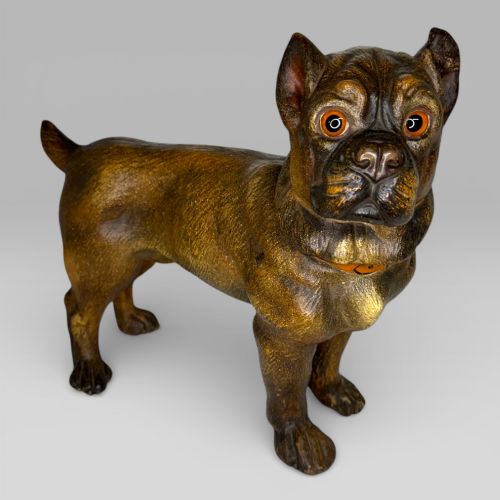
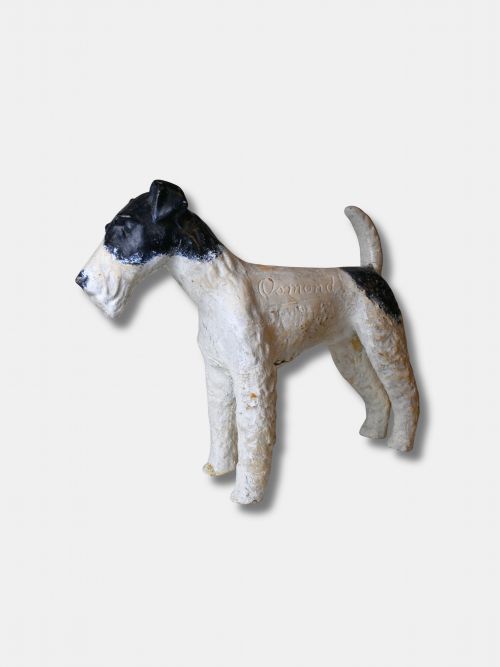
A vintage canine figure brings sculptural representations of dogs into domestic spaces through desk accessories, bookends, table lamps, and freestanding sculptures. You meet these pieces in various forms, from small cold painted desk tidies to life-size terracotta and composition advertising figures.
The selections span the nineteenth century, the Edwardian era, and the Art Deco period, incorporating Victorian and Animalier styles. French, Austrian, and English workshops dominate the origins recorded in the inventory.
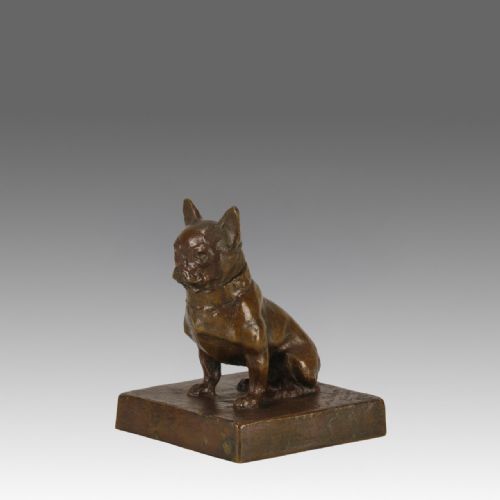
Forms range from utilitarian desk accessories and doorstops to decorative figurines and advertising display pieces. Terriers, pugs, bulldogs, greyhounds, and hounds appear frequently across the different periods.
How they were made
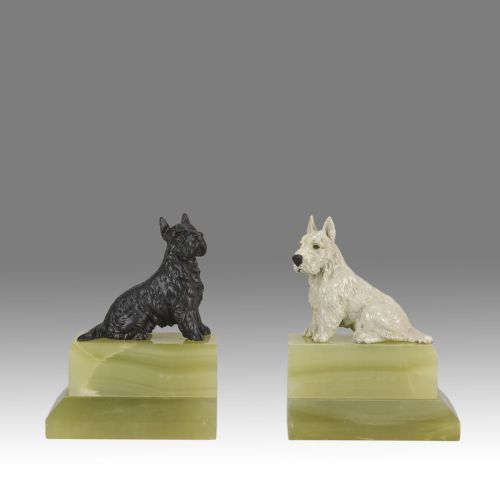
Marble and onyx provide heavy, stable bases for bronze studies and bookends, while plaster and composition form larger doorstops and advertising displays. Hand-painting adds specific markings to porcelain and terracotta bodies.
Vintage Canine Figure Retail Price Guide 2026
Typical asking prices for vintage canine figure among the pieces listed under this phrase on Sellingantiques today, from the lower quarter to the upper quarter. They describe what is for sale here now, not the wider market.
What varies in quality
Fidelity of form and muscular definition separate standard castings from exceptional sculptures by recognised Animalier artists. The crispness of the chasing on bronze surfaces and the preservation of original cold painted finishes determine the desirability of metal pieces.
The grade of materials matters, from finely veined marble bases to delicate detailing on porcelain and terracotta figures. Signed works by established founders and sculptors retain greater artistic distinction.
Dora Heber·Prosper Lecourtier·Edith Parsons·Arthur Waagen·P.de Soete·Franze Bergman·Louis Riché·AL Barye·Barbedienne
The Vintage Canine Figure Glossary
- Animalier
- A nineteenth-century artistic movement focused on the realistic depiction of animals, particularly in bronze. Sculptors in this tradition studied anatomy closely.
- Cold painted bronze
- Bronze objects decorated with paint applied without heat after the casting process. This technique requires careful handling to prevent flaking.
- Spelter
- A zinc alloy utilised as an economical alternative to bronze for decorative figures. It often received a bronze-like finish.
- Grand Tour
- A traditional trip through Europe undertaken by upper-class scholars, associated with classical marble sculpture souvenirs like hounds.
- Desk tidy
- A functional desk accessory designed to hold small stationery items, frequently incorporating a metal dog figure.
Vintage Canine Figure: Frequently Asked Questions
What is a cold painted bronze?
Cold painted bronze refers to metal sculptures painted with oil-based colours after casting, rather than firing pigment onto the surface. This technique allows for realistic rendering of dog fur and collars.
Over time, these painted finishes can show gentle wear, which collectors evaluate when assessing the originality of a piece.
How are antique dog bookends used?
Antique dog bookends serve to support upright rows of books on shelves or desks while offering decorative canine sculpture. Heavy materials like bronze paired with marble bases provide the necessary weight.
They function both as practical library accessories and as distinct examples of Animalier art from the early twentieth century.
What is an Animalier bronze?
An Animalier bronze is a nineteenth-century sculpture focused specifically on the lifelike anatomy and natural behaviour of animals. Dogs are a frequent subject in this sculptural tradition.
These pieces capture breeds such as terriers, greyhounds, and bulldogs with close attention to muscular form and posture.
How do I identify Art Deco dog figures?
Art Deco dog figures feature stylized geometric lines, sleek forms, and materials such as spelter or polished bronze. Greyhounds and hounds appear often in dynamic racing poses.
These sculptures reflect the design aesthetics of the 1920s and 1930s, differing from the more naturalistic nineteenth-century Victorian studies.