


Vintage Canine Art Portrait
A vintage canine art portrait captures the character and presence of dogs through historical painting, drawing, and printmaking.
Vintage Canine Art Portrait
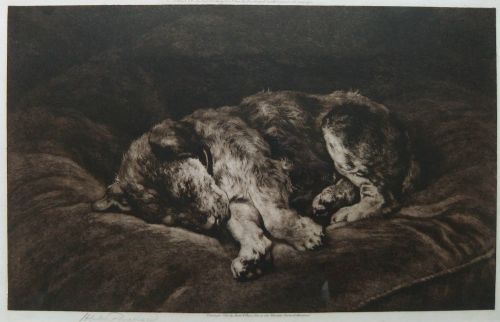
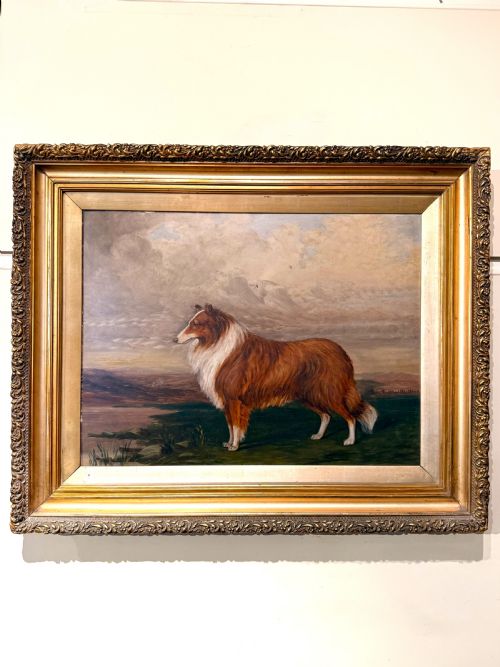
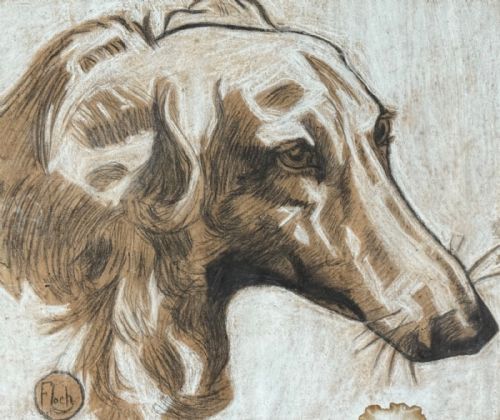
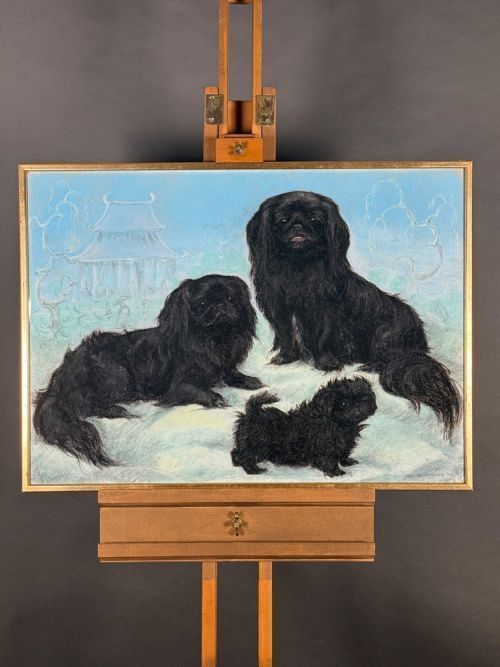
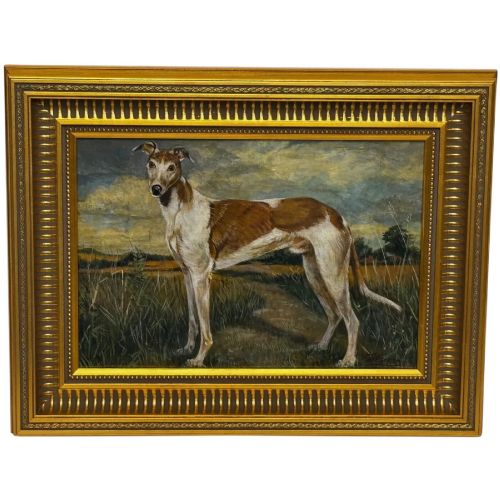
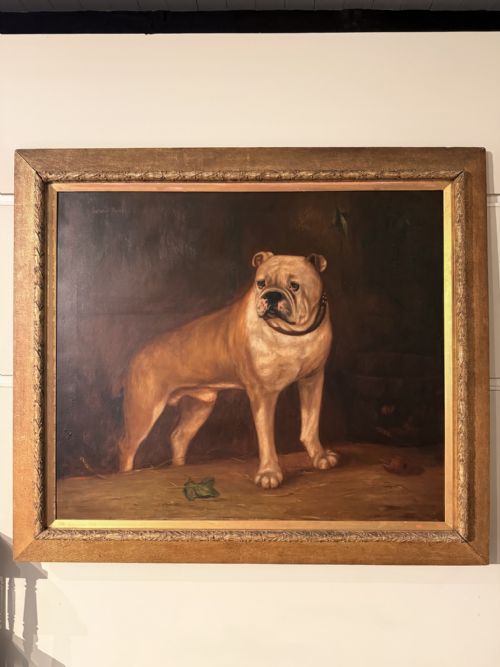
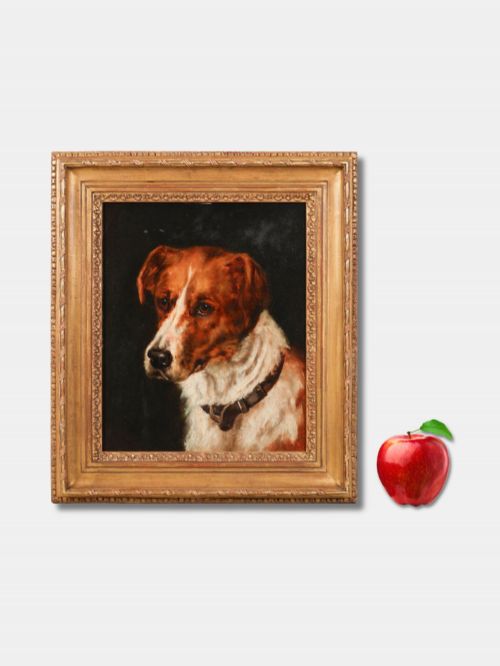
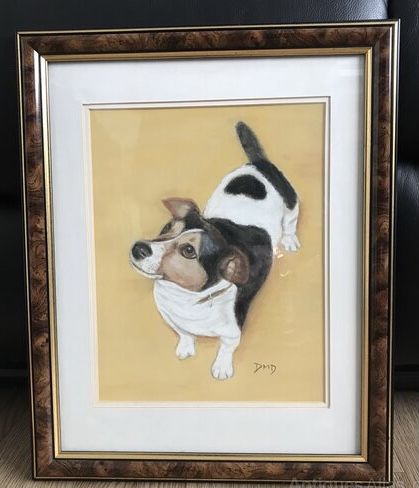
When searching for a vintage canine art portrait, buyers encounter a diverse range of historical depictions celebrating dogs across various artistic traditions. The selection spans formal oil paintings on canvas and board, detailed watercolours, pastels, and original etchings.
Works originate from the nineteenth century through to the mid-twentieth century, encompassing Victorian sporting art, Edwardian studies, and mid-century realism. Common subjects include working terriers, gundogs, hounds, and individual pets set within landscapes or simple interiors.
How they were made
Artists utilised oil paint on canvas, board, and wood panels to build rich textures and deep tones for animal coats and backgrounds. Watercolours, gouache, and pastels on paper or buff paper offered a lighter touch for immediate, expressive studies of dog subjects.
Printmakers employed etching and drypoint techniques on paper, often incorporating ink to create fine lines and tonal depth in detailed portraits. Finished works typically utilised wood frames, sometimes enhanced with gilt, and were protected beneath glass where works involved paper.
Watch for vigilant terriers guarding caged rats and foxhounds captured mid-pack.
What varies in quality
Quality in these portraits rests upon the artist's ability to render the anatomy, expression, and distinct personality of the specific breed. Superior works demonstrate a confident handling of brushwork or line that conveys the texture of fur and the alert posture of the animal.
The choice of medium and the complexity of the composition also influence the standing of a piece, with detailed multi-dog scenes and works by documented sporting artists holding particular distinction.
Herbert Dicksee·John Emms·John Frederick Herring Senior·Arthur Wardle·Sir Edwin Landseer·George Earl·Florence Mabel Hollams
The Vintage Canine Art Portrait Glossary
- Etchings
- Printmaking technique where lines are bitten into a metal plate with acid to hold ink. This method produces fine, precise lines prized in detailed animal portraiture.
- Sporting Art
- Genre of art depicting field sports, horses, and dogs. This tradition emphasises accurate anatomical representation and the active role of animals in country life.
- Gouache
- Water-based paint that includes a white pigment to create an opaque finish. It allows artists to build solid blocks of colour and fine highlights on paper.
- Drypoint
- Intaglio printmaking method where a design is scratched directly into a metal plate with a sharp needle. This process raises a burr of metal that creates soft, velvety lines when printed.
- Naïve School
- Art created by self-taught painters working outside academic traditions. These works prioritize direct observation and charm over strict perspective and proportion.
Vintage Canine Art Portrait: Frequently Asked Questions
What periods do these dog portraits come from?
The works span from the nineteenth century through the Victorian and Edwardian eras into the mid-twentieth century. Artists recorded canine subjects using traditional methods across each of these decades.
Victorian and Edwardian pieces often reflect a strong sporting or sentimental tradition, while later twentieth-century examples lean towards mid-century realism and direct observation.
How do I care for framed works on paper?
Works executed in watercolour, pastel, or etching on paper require protection from direct sunlight to prevent fading. Keeping them away from excessive moisture preserves both the paper support and the surrounding media.
Displaying them behind glass helps shield the delicate surfaces from dust and atmospheric pollution in the home.
What is the difference between an oil painting and an etching?
An oil painting is a unique hand-painted work utilising pigment suspended in oil on canvas, board, or wood panel. It offers rich textures and deep tonal layering.
An etching is a printed work pulled from a metal plate where the artist has incised lines to hold ink, allowing for multiple impressions of a detailed drawing.
How were sporting dog portraits used historically?
Landowners and breeders commissioned portraits to record valued hunting dogs, prize-winning show animals, and loyal companions. These artworks celebrated the lineage and utility of specific working dogs.
Such pieces traditionally hung in country houses and sporting lodges as a testament to rural pursuits and canine loyalty.