

Vintage Cane Back Armchair
A vintage cane back armchair brings woven texture and solid timber frames into a room, offering supportive seating rooted in historical revival styles.
Vintage Cane Back Armchair
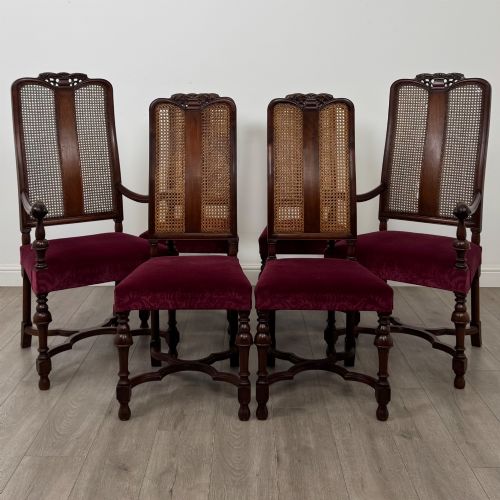
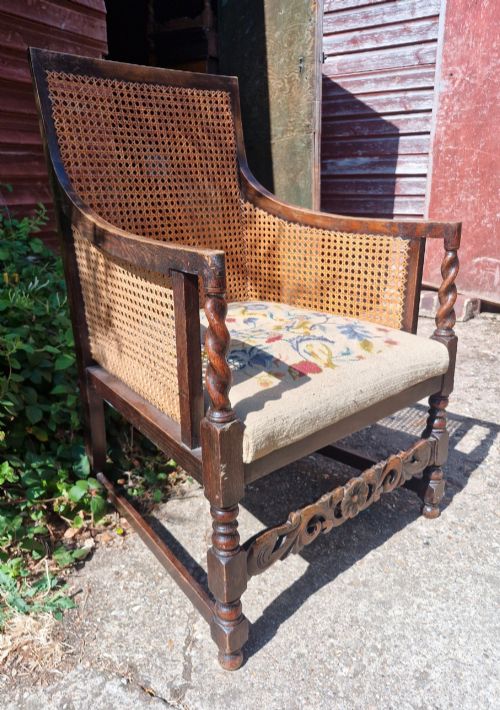
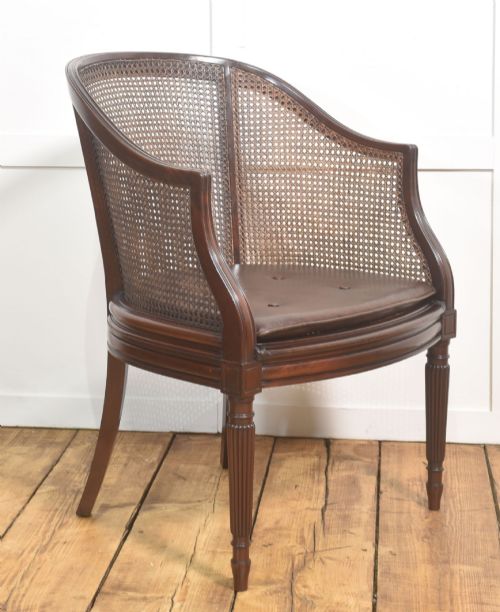
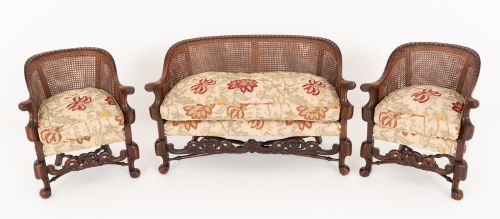
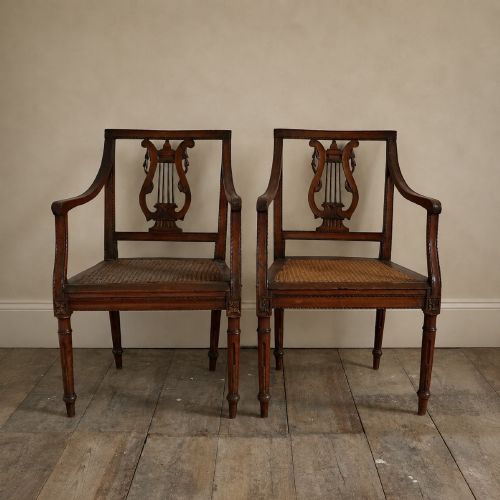
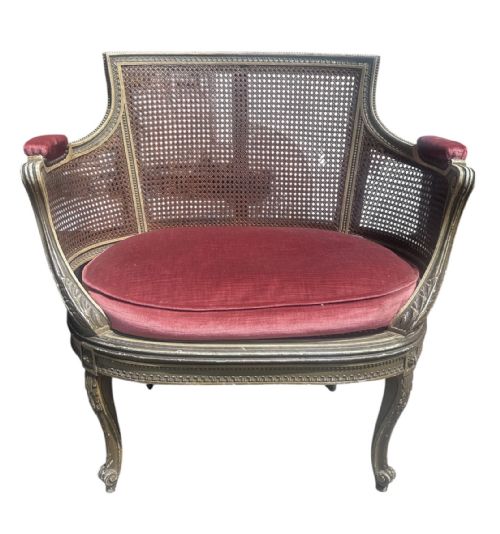
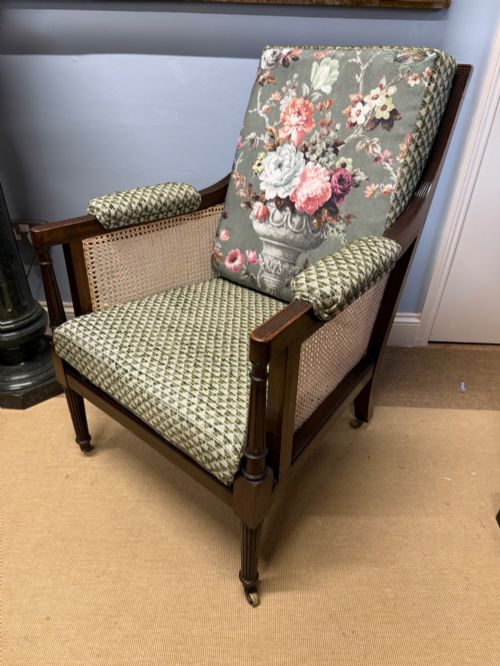
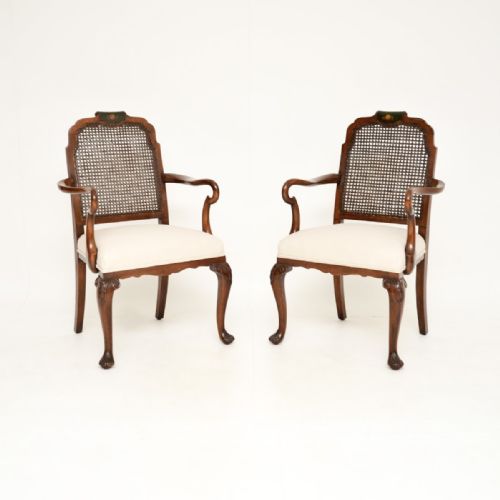
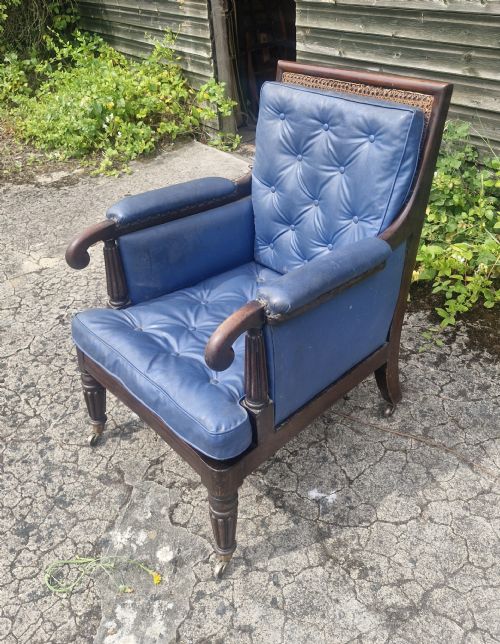
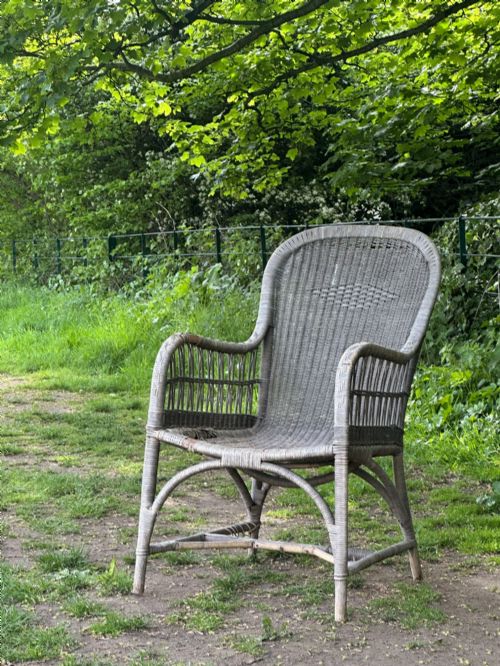
A vintage cane back armchair is a seated piece featuring woven cane panels in the backrest, often accompanied by a matching caned or upholstered seat. When you search for a vintage cane back armchair, you encounter forms ranging from low library chairs and deep-seated bergeries to reclining plantation chairs and upright revival models.
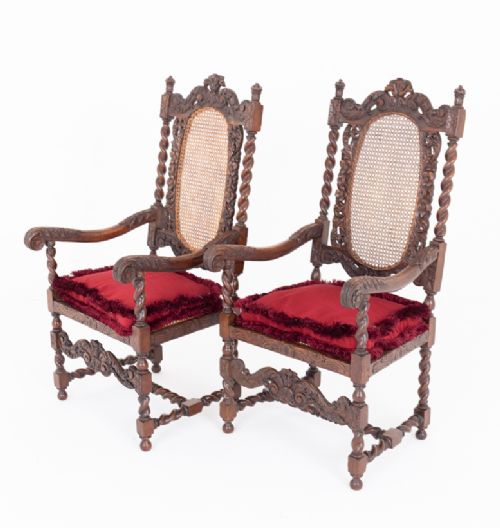
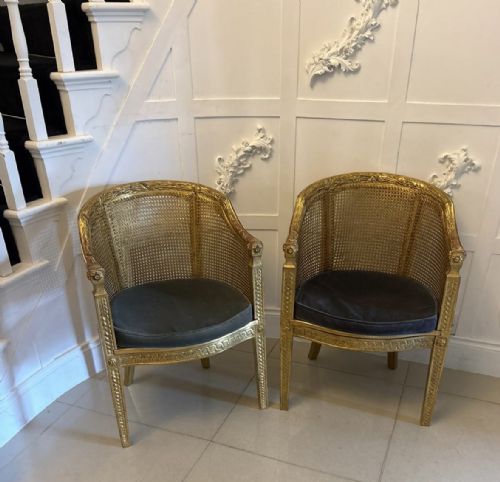
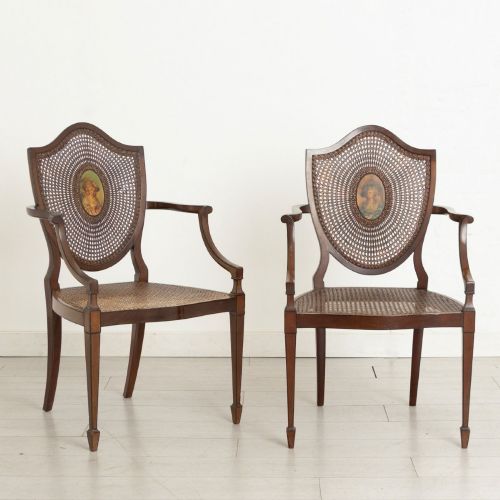
The pieces listed here span the nineteenth and twentieth centuries, drawing on earlier design vocabularies like Regency, Carolean, Jacobean, and Louis XV styles. You are most likely to meet mahogany or oak frames constructed during the Edwardian period or the nineteen-twenties, alongside French giltwood and Anglo-Indian variants.
Makers and workshops range from documented producers like Dryad of Leicester to anonymous cabinetmakers working in regional English, French, and colonial traditions. Each chair combines structural timber work with the lighter, flexible nature of plant-fibre weaving.
Materials and construction methods
Frames are built primarily from dense hardwoods such as mahogany, oak, walnut, and teak, selected for their structural strength and capacity to hold carved details. Cabinetmakers shaped these timbers using traditional joinery methods to support the tension exerted by woven backrests and seats.
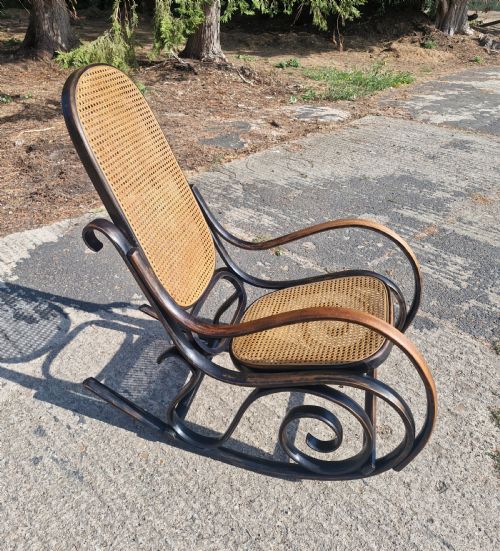
Cane panels consist of split rattan or similar plant fibres handwoven through drilled holes in the wooden frame or fitted into dedicated channels. Additional elements like brass hardware, leather squab cushions, velvet upholstery, and bentwood components complete the construction of these chairs.
A few chairs include reclining mechanisms for colonial afternoon naps.
The markers of finer execution
Quality rests in the crispness of the timber carving and the tightness of the joinery, distinguishing heavy revival workshop pieces from simpler regional seating. Superior frames utilise richly figured mahogany, walnut, or oak that has aged with a deep, natural patina.
The cane work itself reveals the standard of the piece, with even, handwoven strands demonstrating greater skill than mechanical mesh replacements. Original squab cushions, intact giltwood surfaces, and branded maker stamps elevate certain armchairs above standard production models.
Dryad of Leicester·Heals of London
The Vintage Cane Back Armchair Glossary
- Bergere
- A closed-arm upholstered armchair with wooden framing and cane panels to the back and sides. They often feature loose seat cushions.
- Caning
- A method of weaving plant material, typically rattan split, to create a porous, flexible panel for chair backs and seats.
- Carolean Revival
- A late nineteenth or early twentieth-century design style copying late seventeenth-century English furnishings. It is characterised by elaborate scrollwork and crown motifs.
- Bentwood
- Wood that has been heated and bent into curved structural shapes without joints. This technique produced fluid, lightweight chair frames.
- Tub chair
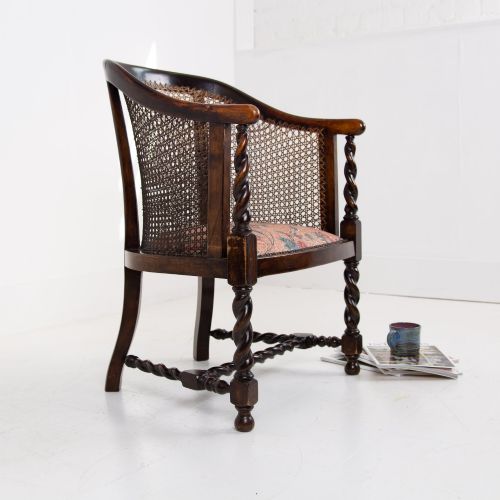
- An armchair with a continuous curved back and arms forming a rounded enclosure. They appear frequently in nineteenth-century and Edwardian forms.
Vintage Cane Back Armchair: Frequently Asked Questions
How do I care for cane furniture?
Keep cane back armchairs away from direct heat sources and strong sunlight to prevent the plant fibres from drying out and snapping. Light dusting and occasional damp wiping maintain the flexibility of the woven material.
Support the cane panels by using appropriate seat cushions rather than kneeling or placing heavy concentrated weight directly onto the woven surface.
Are these chairs comfortable for daily use?
Many models feature deep seats and angled backs designed for relaxed sitting, especially library bergeries and reclining plantation chairs. Adding a tailored feather or down cushion provides additional support for prolonged lounging.
Upright revival styles suit desk or occasional seating, offering firm posture support through their rigid wooden frames and high backs.
How can I date a cane armchair?
Examine the timber species, joinery methods, and the style of the carving to identify revival periods like Carolean or Regency. The weave of the cane, whether fine hand-drilled work or machine-pressed cane, also points towards specific decades of manufacture.
Maker marks, stamps, or labels on the underside of the frame offer definitive clues to the workshop and production era.
What is the difference between French and English styles?
French bergere chairs often display painted or giltwood finishes with flowing cabriole legs, drawing inspiration from Louis XV and Louis XVI designs. They frequently incorporate fully caned sides alongside the backrest.
English models tend to focus on rich mahogany, oak, or walnut timbers with turned legs, bobbin turnings, or heavy Jacobean and Edwardian structural lines.