


Vintage Cane Armchair
A vintage cane armchair brings tactile warmth and natural texture to a room, offering light frames paired with resilient woven seating.
Vintage Cane Armchair
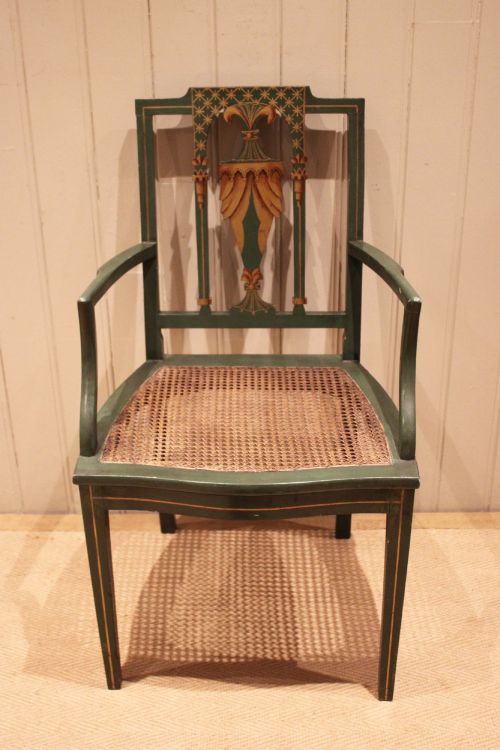
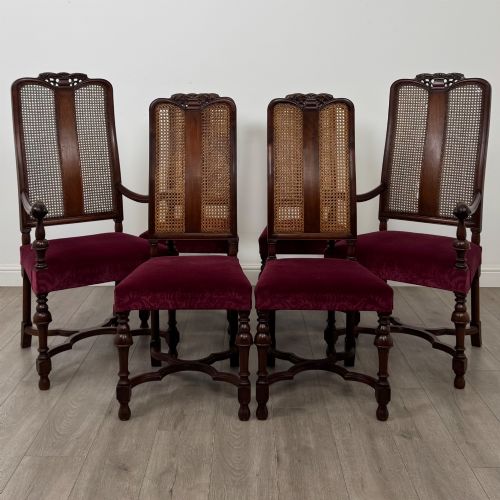
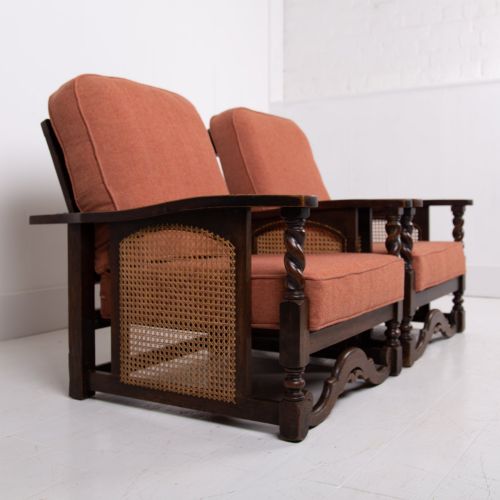
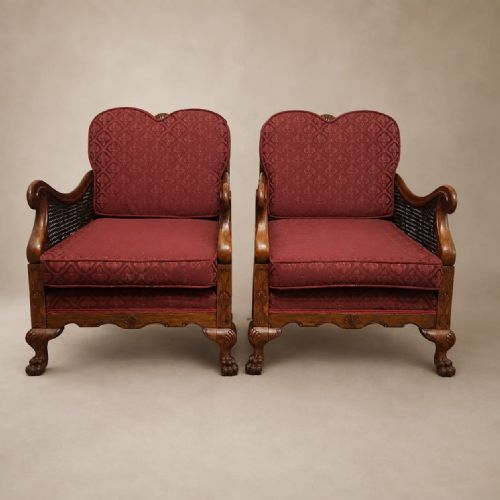
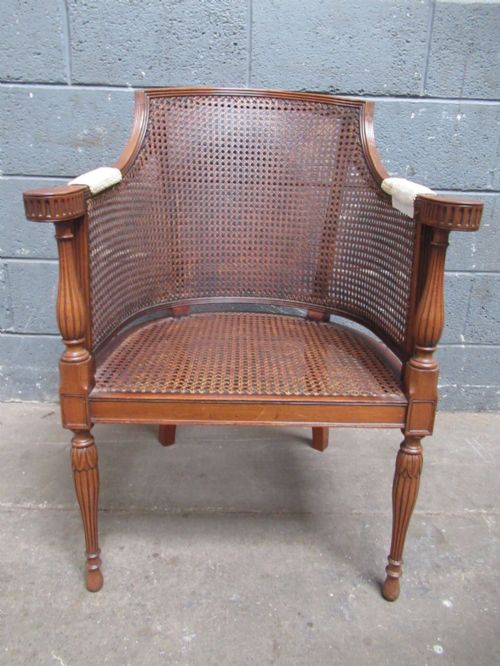
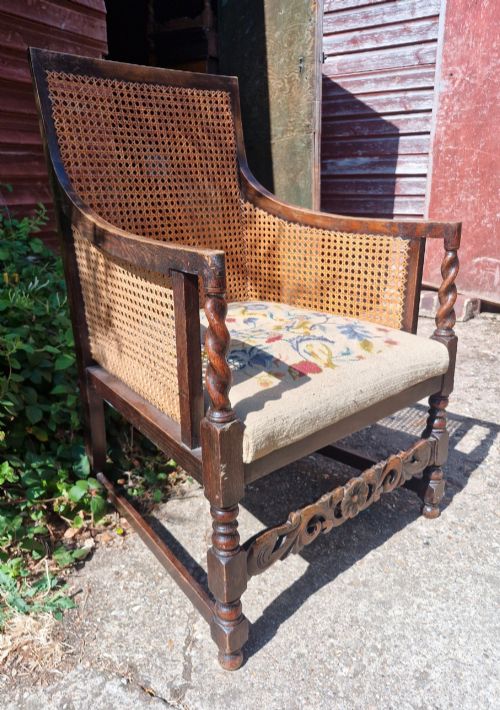
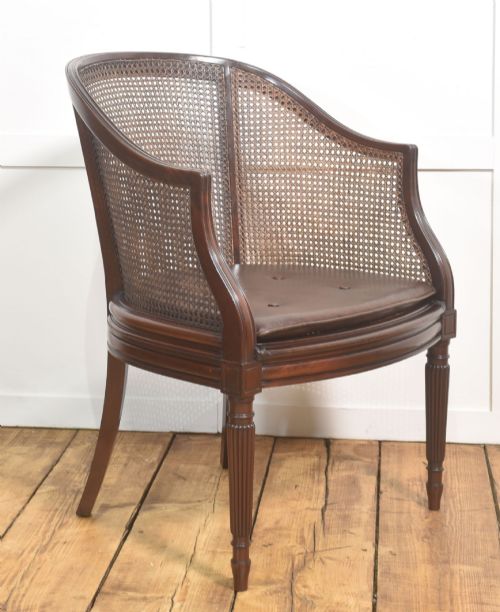
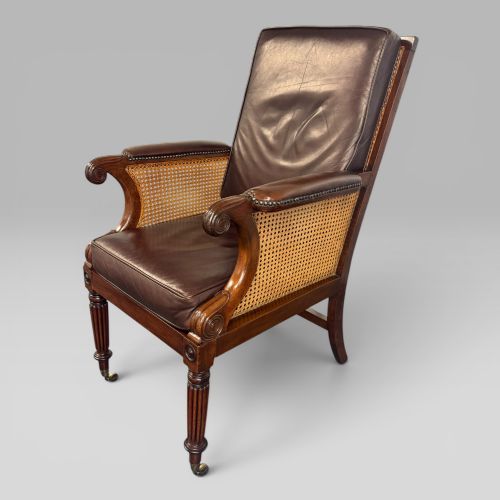
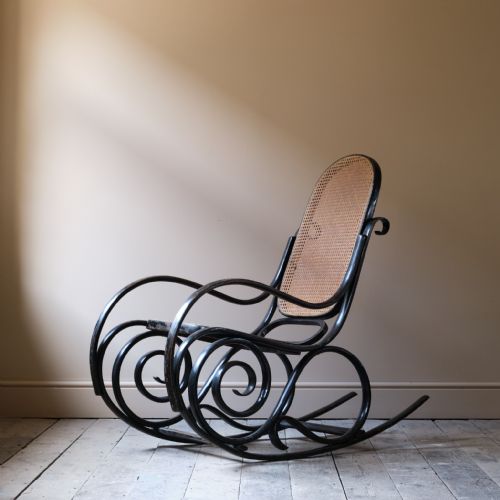
A vintage cane armchair is a seating piece designed around woven natural materials, most commonly appearing in forms such as library bergères, tub chairs, and rocking chairs. When searching for a vintage cane armchair, buyers encounter pieces spanning the nineteenth century through the mid-twentieth century, encompassing Edwardian, Art Deco, and revival styles.
The selections on this page demonstrate the enduring popularity of wooden frames paired with woven elements, ranging from simple oak and mahogany frameworks to elaborate walnut and giltwood designs. Many examples utilise traditional bergère forms with closed or open cane panels on the back and arms, alongside simpler seated dining and garden variations.
How they were made
Frames are constructed from hardwoods such as mahogany, oak, walnut, and ebony, alongside bentwood and lacquered finishes, joined using traditional cabinet-making techniques. These structural supports provide the rigid skeleton necessary to tension the woven seating and back panels properly.
The woven components rely on natural cane, split cane, rattan, and wicker, threaded by hand through drilled holes or channeled frames. Additional detailing incorporates leather squab cushions, brass hardware, velvet, and various fabric upholstery options for comfort.
Vintage Cane Armchair Retail Price Guide 2026
Typical asking prices for vintage cane armchair among the pieces listed under this phrase on Sellingantiques today, from the lower quarter to the upper quarter. They describe what is for sale here now, not the wider market.
Listings span several eras, recording pieces from the Regency period through the Edwardian age, Art Deco movement, and mid-twentieth century.
What varies in quality
Quality rests primarily in the tightness and uniformity of the hand-weaving, where even tension across complex curves indicates superior craftsmanship. The density and selection of the cane strands determine the resilience and longevity of the seating surface.
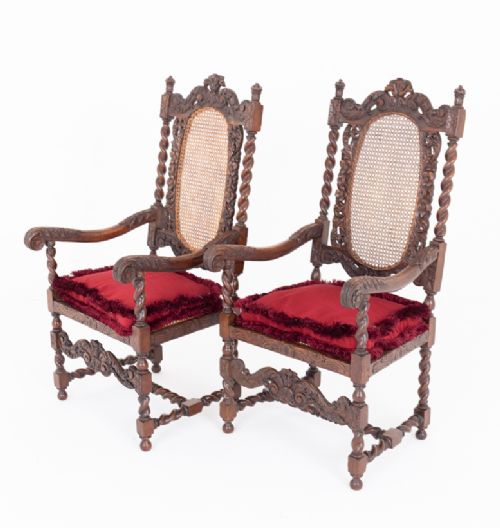
Frame construction also dictates value, distinguished by the depth of hand-carving in styles such as Carolean or Louis XV revivals, as well as the selection of solid timber over veneered alternatives. Maker attribution, particularly pieces bearing provenance from workshops like Dryad, elevates the standing of a chair.
Angraves of Leicester·Dryad of Leicester·Dryad & Co
The Vintage Cane Armchair Glossary
- Bergere
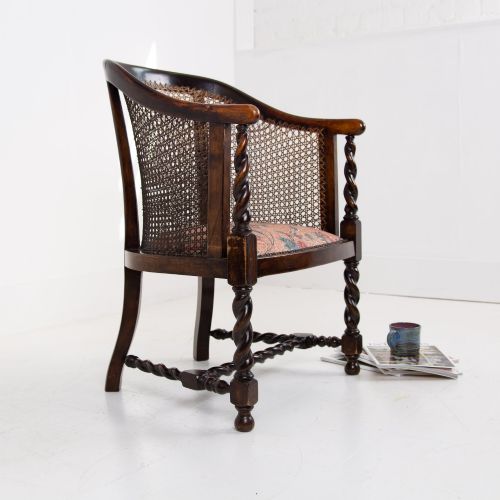
- An enclosed upholstered armchair featuring solid wooden sides filled with cane or upholstery panels. This French style gained popularity during the eighteenth century and heavily influenced later nineteenth and twentieth-century revivals.
- Cane
- The peeled bark of the rattan palm, split into uniform strips and used for weaving seats and backs. It offers both flexibility and notable tensile strength.
- Bentwood
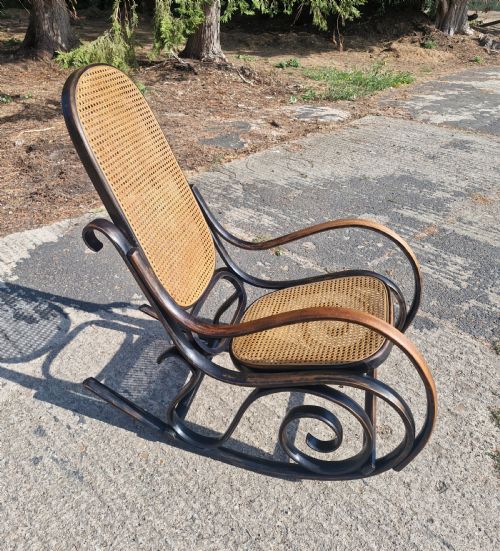
- Wood softened through steaming or boiling and then bent into curved shapes, commonly seen in rocking chairs and nineteenth-century seating. This technique eliminates the need for complex joinery while creating smooth, flowing lines.
- Rattan
- A climbing palm native to tropical regions, utilised whole for structural framework or processed into wicker and peel for weaving. Its fibrous core provides robust flexibility.
- Split cane
- Cane that has been split lengthwise to produce a flat, smooth ribbon ideal for traditional multi-strand weaving patterns. It forms the classic patterned mesh seen on many period chair backs.
Vintage Cane Armchair: Frequently Asked Questions
How do I care for cane seating?
Keep cane panels supple by occasionally wiping them with a damp cloth to restore moisture to the natural fibres. Avoid placing chairs directly next to intense heat sources which can cause the material to become brittle and snap.
Support the woven areas with appropriate cushions rather than applying concentrated weight directly to the centre of the mesh. Regular dusting prevents debris from lodging within the woven intersections.
Are these chairs comfortable to use daily?
Many examples are designed with ergonomic reclining angles, supportive armrests, and fitted squab cushions that provide substantial everyday comfort. The inherent springiness of woven cane offers a responsive surface that conforms gently to the body.
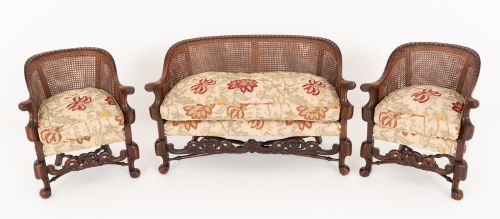
Pairs and suites often include loose feather or foam cushions covered in leather or fabric. These additions transform firm period frames into relaxed seating options for modern living spaces.
How do I identify the period of a chair?
Examine the timber species, joinery methods, and overall silhouette to align the piece with documented design movements like Edwardian revival or Art Deco. Tool marks, screw types, and finish patination offer reliable clues regarding age.
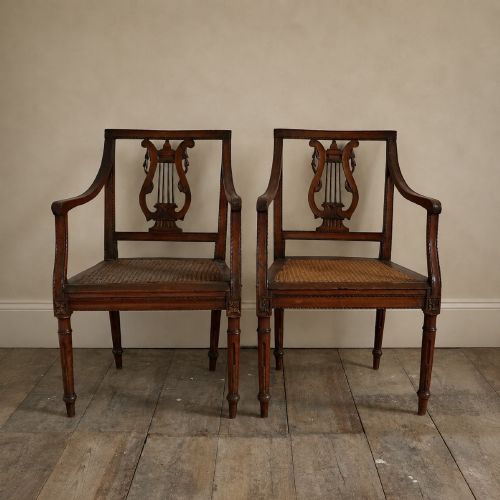
Stylistic markers such as cabriole legs, lyre backs, or heavily carved walnut details point toward specific eras like the Regency or Victorian periods. Comparing structural proportions with dated cabinet maker portfolios confirms the timeframe.
Can damaged cane be repaired?
Skilled artisans can re-weave damaged sections using matching cane strands to restore both appearance and structural integrity. Traditional hand-caning involves continuous looping through frame holes, allowing craftsmen to replace individual panels without discarding the original wooden skeleton.
Professional restoration maintains the historical value of antique frames while ensuring the seat remains fully functional. Minor breakages should be addressed promptly to prevent the surrounding weave from unravelling.