



Vintage Caddy
A vintage caddy holds the leaf securely, bringing order to the tea table through traditional materials and craftsmanship.
Vintage Caddy
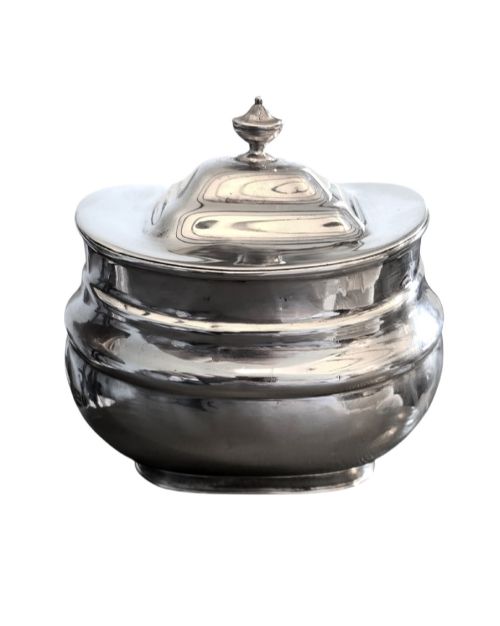
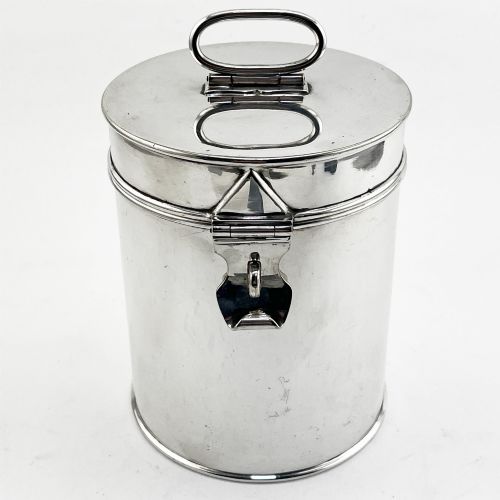
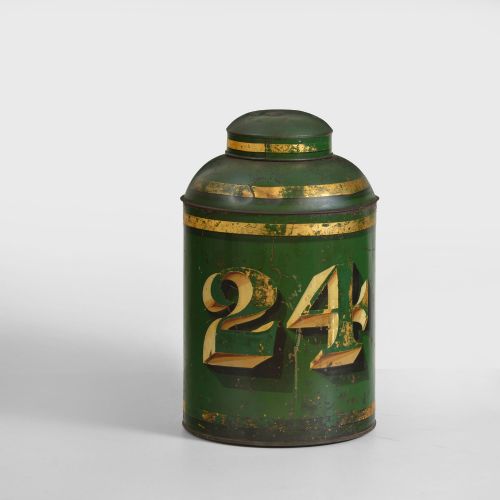
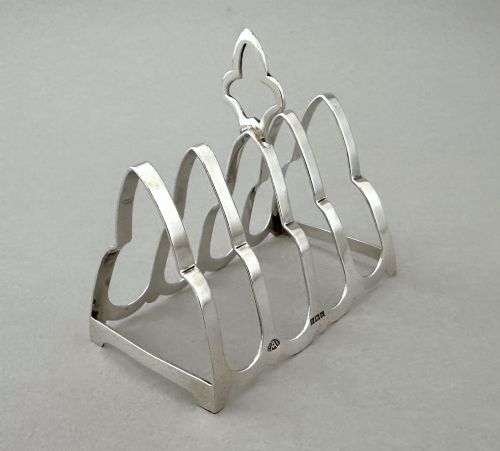
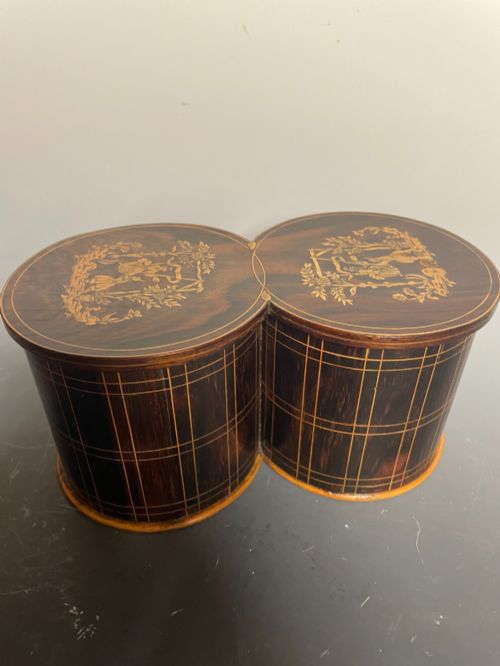
A vintage caddy encompasses tea caddies, boxes, and related accoutrements designed to store dried leaf securely away from moisture and light. The selection spans periods from the eighteenth century through the Edwardian era, featuring solid silver, brass, wood, and enamel construction.
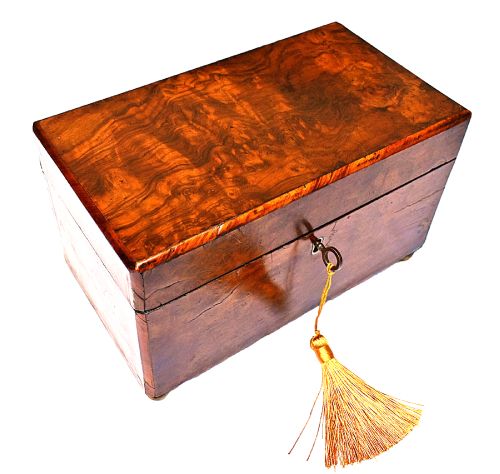
Wooden examples appear in mahogany and amboyna alongside metal vessels in sterling silver and silver plate. Buyers encounter Georgian specimens alongside later Edwardian interpretations and nineteenth-century French designs.
How they were made
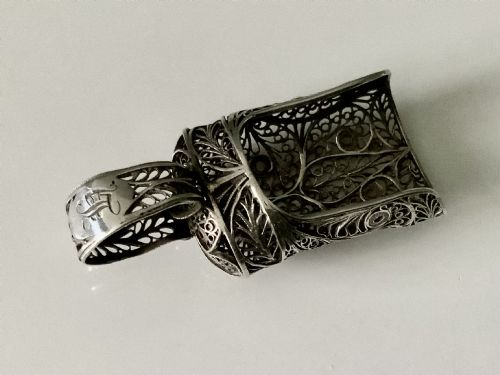
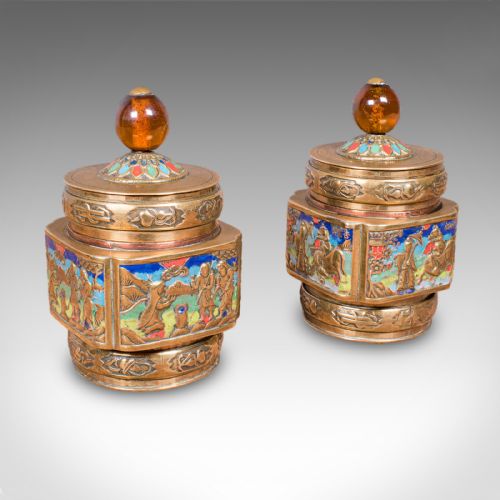
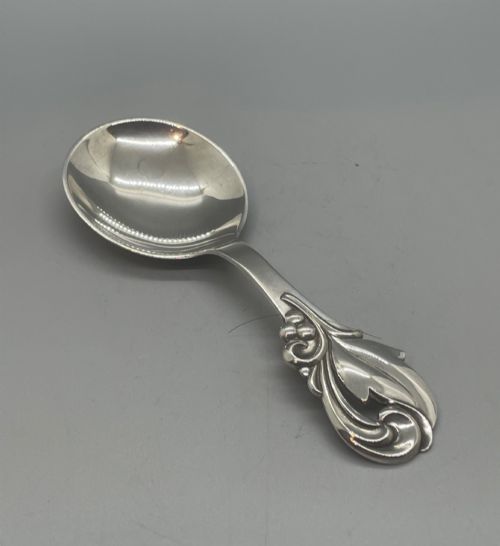
Metalsmiths utilised sterling silver and silver plate, employing techniques such as piercing, engraving, and filigree work for spoons and caddy bodies. Champlevé enamel and ormolu mounts add decorative contrast to brass and glass components.
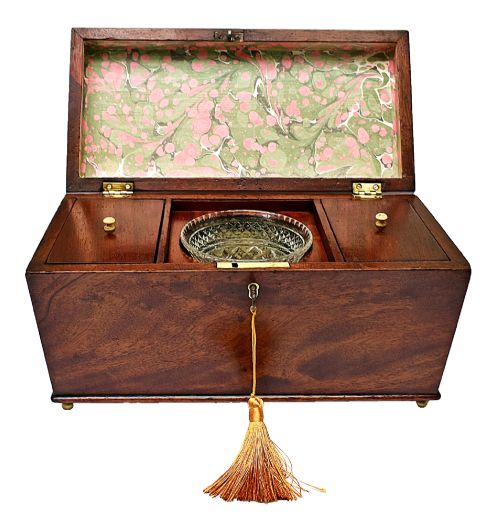
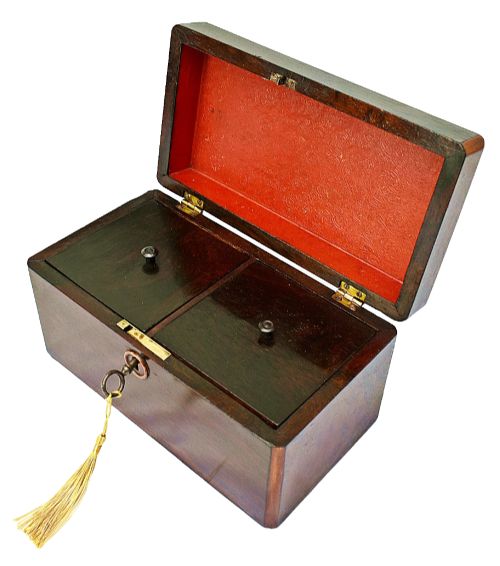
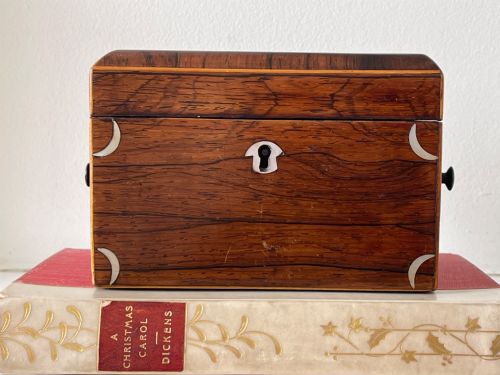
Cabinetmakers constructed wooden containers from mahogany, oak, and burr walnut, frequently incorporating mother-of-pearl, bone details, or lacquer finishes. Joinery relied on precise box construction designed to protect contents over decades of use.
Vintage Caddy Retail Price Guide 2026
Typical asking prices for vintage caddy among the pieces listed under this phrase on Sellingantiques today, from the lower quarter to the upper quarter. They describe what is for sale here now, not the wider market.
Among the silver spoons sits a comical golfer man holding cocktail sticks.
What varies in quality
The standard of execution separates basic utility items from exceptional works, visible in the crispness of hand-engraved decoration and the weight of solid metals versus plated wares. Wood selection dictates visual depth, where finely figured mahogany or amboyna outperforms plain secondary timbers.
Internal fittings, hinges, and locks indicate the tier of production, with tight joints and well-preserved linings preserving structural integrity. Makers' marks and assay stamps provide verifiable proof of origin and material standard.
Tahan·Leeds Pottery·Martin Hall And Co·Elkington·Mappin And Webb·Zimmermann
The Vintage Caddy Glossary
- Tea caddy
- A small vessel designed for storing loose tea leaves, often fitted with a lock and internal compartments. These containers prevented humidity from spoiling expensive imported tea.
- Caddy spoon
- A short-handled spoon specifically proportioned to measure tea leaves from the caddy into the pot. They frequently exhibit figural handles, shell bowls, or filigree work.
- Champlevé
- An enamelling technique where troughs are carved into a metal surface and filled with vitreous enamel before firing. This method creates colourful geometric or pictorial patterns on brass and bronze bases.
- Ormolu
- Gilded bronze used predominantly for decorative mounts and decorative hardware on nineteenth-century boxes. The technique involves applying a gold-mercury amalgam to shaped bronze.
- Filigree
- Delicate metalwork formed from fine twisted silver or gold wires soldered together into openwork patterns. The technique requires considerable manual dexterity to achieve lace-like motifs.
Vintage Caddy: Frequently Asked Questions
How do I date a silver caddy spoon?
Dating relies heavily on hallmarks stamped directly onto the metal surface. These assay marks reveal the specific town, year, and maker.
Stylistic shifts also help, moving from Georgian shell bowls to later Arts and Crafts interpretations.
Were wooden boxes lined?
Many wooden tea caddies featured internal foil or secondary wooden compartments to keep leaves fresh. Some contained fitted glass mixing bowls.
These interiors help distinguish genuine tea storage from general decorative boxes.
How should I clean a silver caddy?
Maintenance requires gentle cleaning with a soft cloth and appropriate silver polish to preserve the original hallmarks. Avoid harsh abrasives that wear down engraved details.
Wooden surfaces benefit from occasional wax conditioning rather than wet washing.