




Vintage Caddy Spoon
A vintage caddy spoon measures out loose leaf tea with style, bringing tactile history straight to the daily brew.
Vintage Caddy Spoon
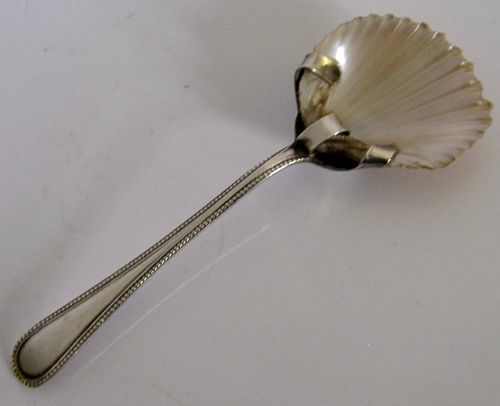
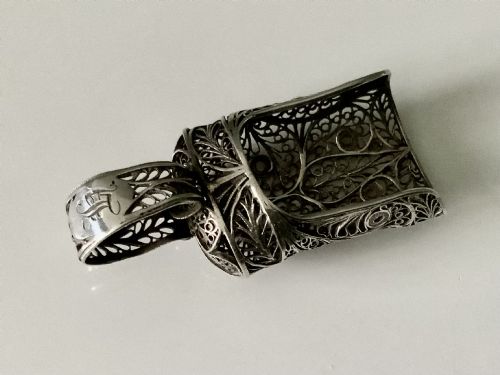
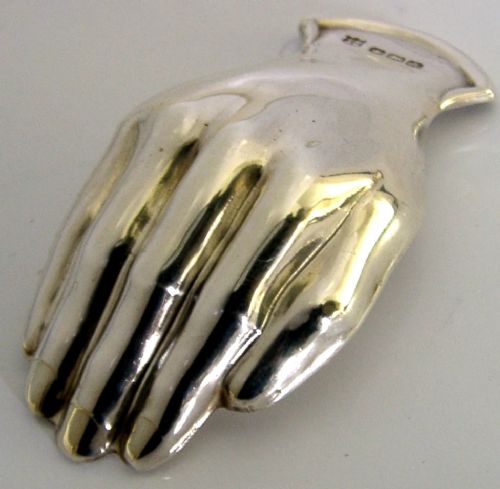
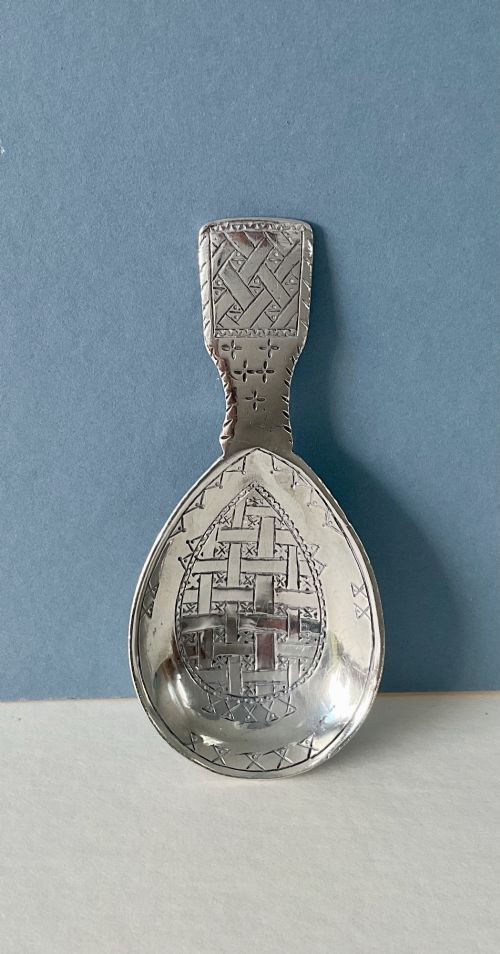
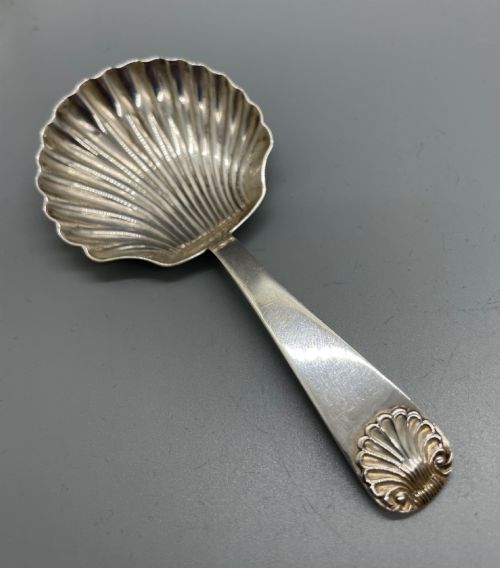
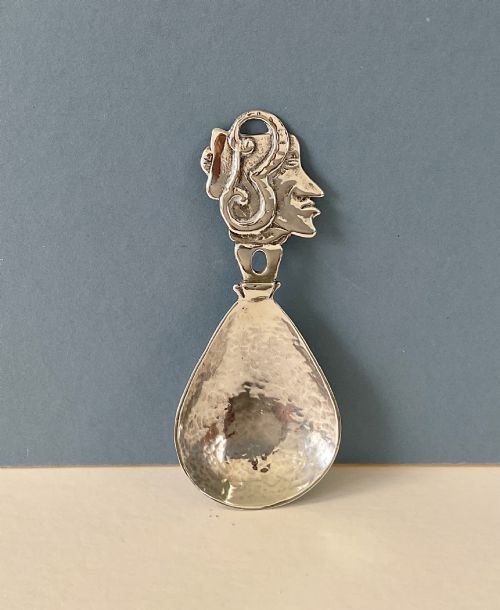
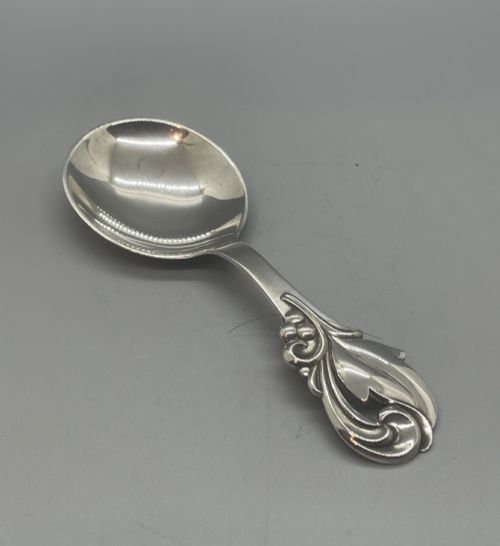
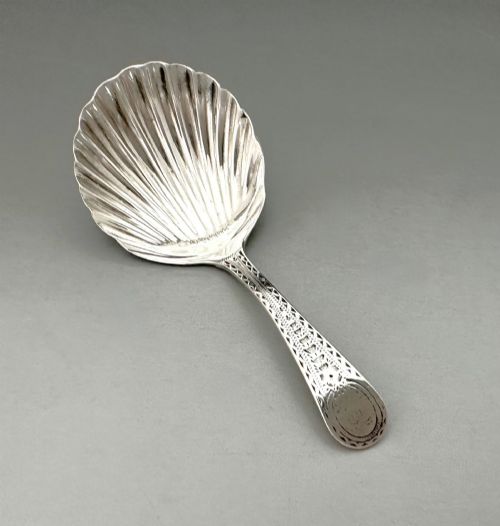
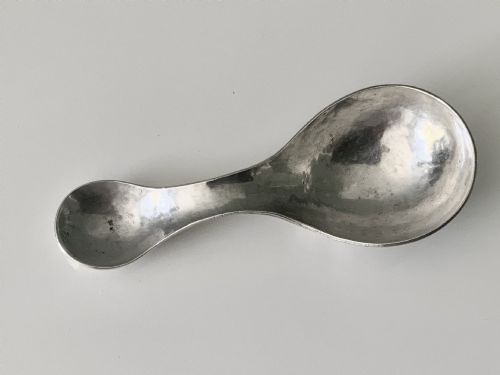
A vintage caddy spoon sits ready to scoop dry leaves into ceramic teapots, spanning compact scoops to novelty hand shapes and jockey cap forms. Buyers seeking a vintage caddy spoon encounter examples shaped in Georgian workshops, alongside Edwardian designs and mid-century Scandinavian pieces.
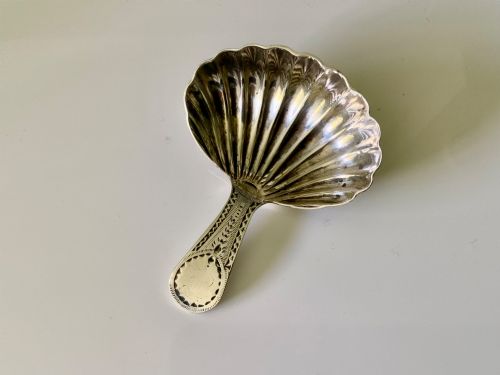
The assortment includes classic shell bowls and flat-handled tea caddy spoons produced across the nineteenth and twentieth centuries. Makers applied diverse stylistic languages to these small utensils, ranging from geometric Arts and Crafts metalwork to fluid Art Nouveau motifs.
Materials and Techniques
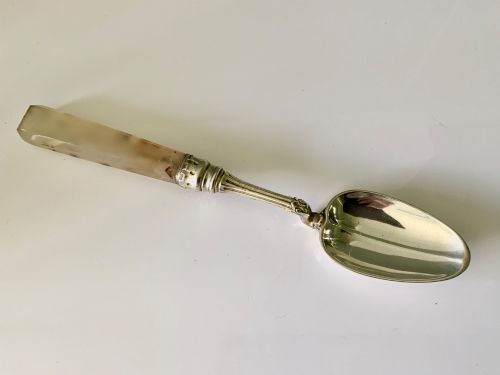
Silversmiths formed these implements primarily from sterling silver, silver plate, and silver gilt, often combining the metal with natural glass or agate handles. Workers employed traditional techniques such as repousse hammering, hand engraving, and casting to shape bowls and handles.
Makers integrated decorative enamel work and cut glass details into specific pieces, while others turned to carved hardwood. Hallmarks stamped into the metal indicate assay offices in cities like London and Sheffield, alongside international manufacturing centres.
Vintage Caddy Spoon Retail Price Guide 2026
Typical asking prices for vintage caddy spoon among the pieces listed under this phrase on Sellingantiques today, from the lower quarter to the upper quarter. They describe what is for sale here now, not the wider market.
A tiny silver jockey cap waits patiently to measure out your morning brew.
Standards of Craft
Distinction across these utensils rests on the crispness of hand-engraved lines, the weight of the metal, and the structural integrity of joints where bowl meets handle. Pieces featuring specialised forms like articulated hands, novelty caps, or applied enamel show higher levels of artisan labour.
Condition of the original surface finish, clear makers' marks, and well-preserved hallmarks separate ordinary production items from finer collector examples. The harmony between decorative style and functional utility dictates the standing of each spoon.
David Andersen·Georg Jensen·Berthold Herman Muller·Amy Sandheim·Judy
The Vintage Caddy Spoon Glossary
- Hallmark
- Official marks stamped into precious metals indicating the standard of purity, the assay office, and the year of manufacture. These small punches provide reliable dating evidence for silver pieces.
- Repousse
- A metalworking technique where the artisan hammers the design from the reverse side to form a raised relief on the front. This method creates tactile surface decoration.
- Silver Gilt
- Sterling silver that has been coated with a thin layer of gold on the surface. This treatment adds a warm tone and protects the underlying metal.
- Bifurcate
- A split or forked stem design found on certain handled implements. It offers a distinct visual break along the shaft.
- Novelty
- An object shaped into a humorous or unusual representation, such as a cap or a hand. These fanciful designs appeal directly to specialist collectors.
Vintage Caddy Spoon: Frequently Asked Questions
How were caddy spoons used?
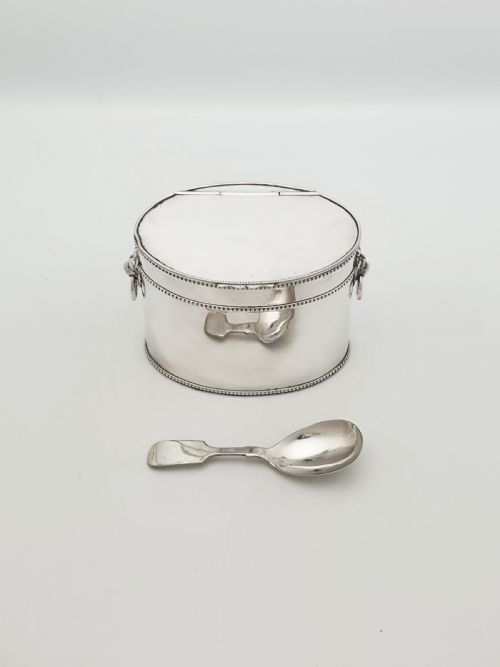
These small scoops transferred dried tea leaves from storage caddies into brewing vessels. Their short handles allowed them to sit neatly inside or beside tea containers.
Their specific bowl shapes helped measure out precise portions of loose leaf tea before hot water was added.
How do I date silver marks?
British pieces carry distinct letter punches and symbol stamps that correspond to specific years and assay offices. Comparing these stamps against standard reference tables reveals the exact production period.
Continental and Scandinavian items often rely on maker initials and regional registry marks instead of standard date letters.
What styles are most common?
Georgian and Victorian designs tend to feature traditional fiddle patterns, shell motifs, and bright-cut engraving. Later twentieth-century items lean toward clean Scandinavian modern lines and enamel highlights.
Arts and Crafts examples showcase hand-beaten surfaces and simpler, more organic silhouettes.
Can I use them daily?
Silver and silver-plated utensils function reliably for everyday tea preparation provided they receive gentle hand washing. Storing them carefully prevents surface scratching and wear to delicate engravings.
Avoiding harsh chemical dips preserves the natural patina built up over decades of use.