

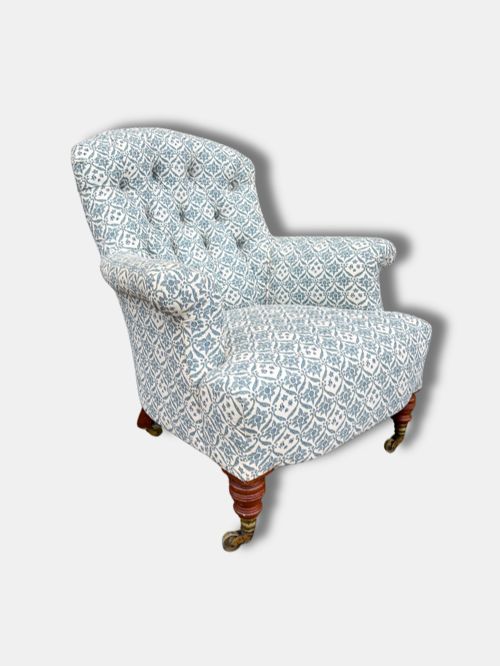
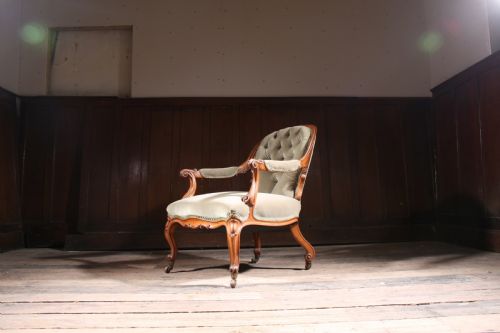

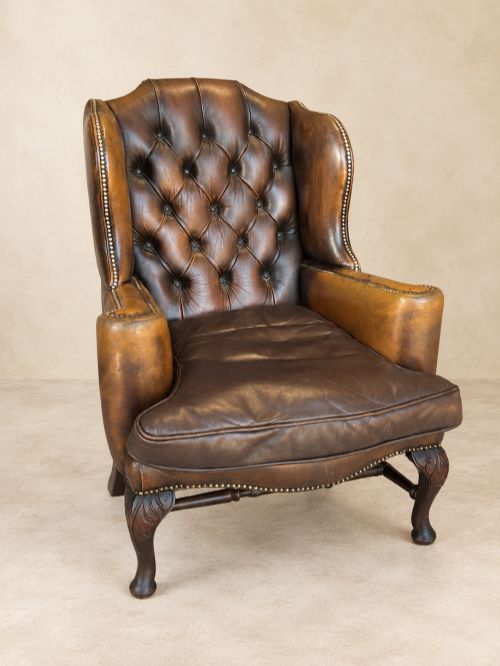
Vintage Button Tufted Chair
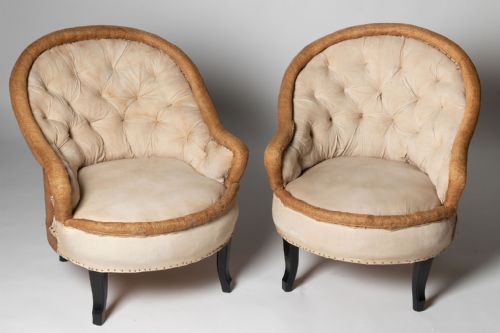
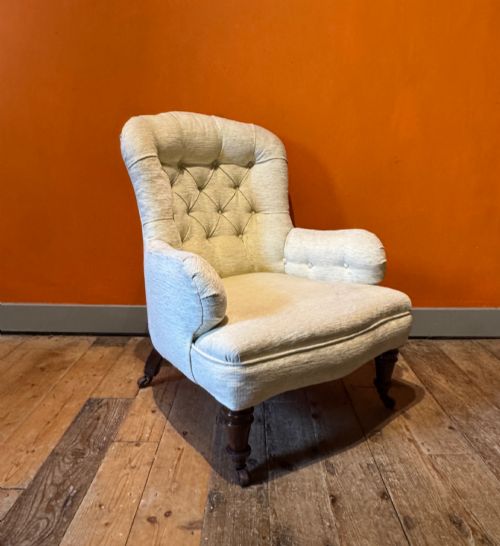
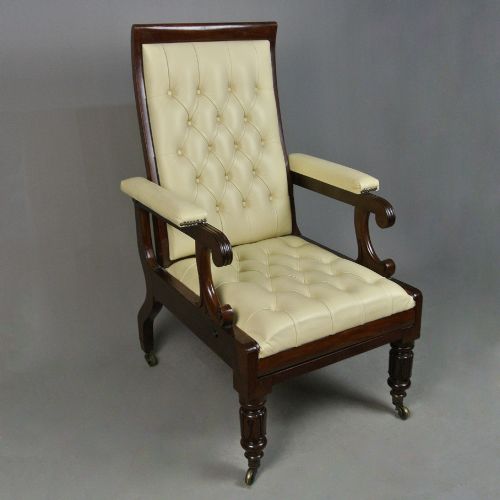
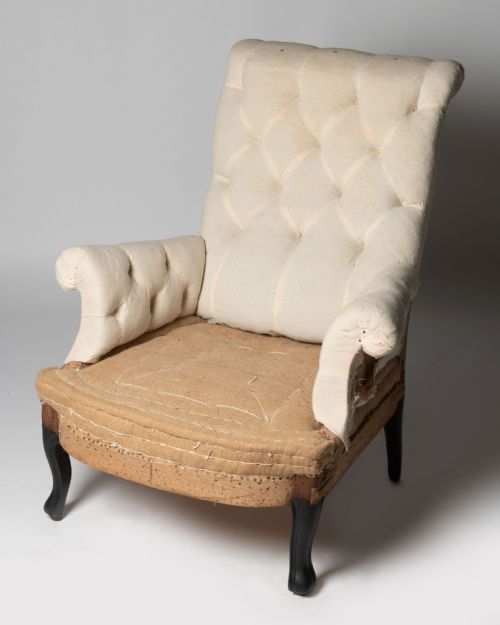
These vintage button tufted chair examples bring depth and deep-buttoned comfort to a room, ranging from leather club seats to library armchairs.
Vintage Button Tufted Chair
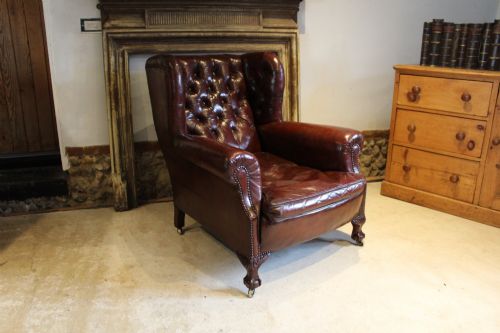
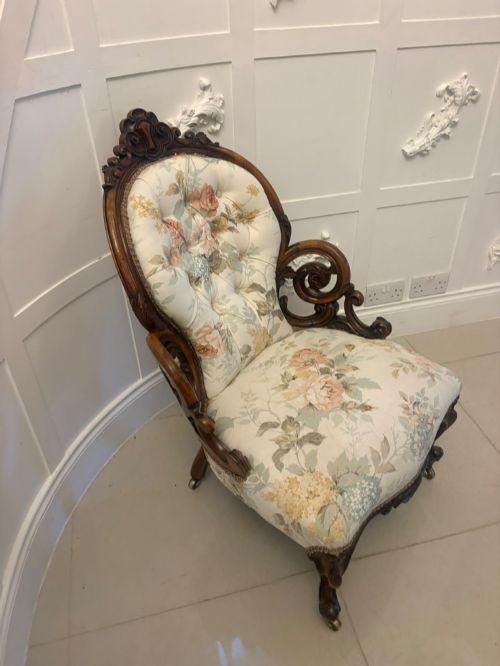
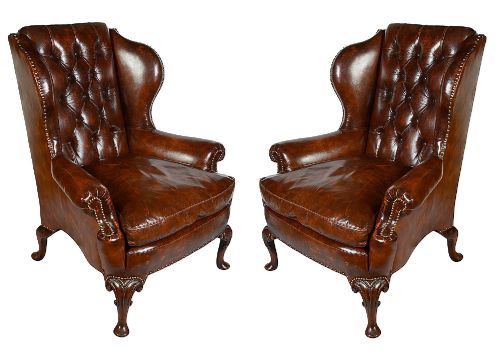
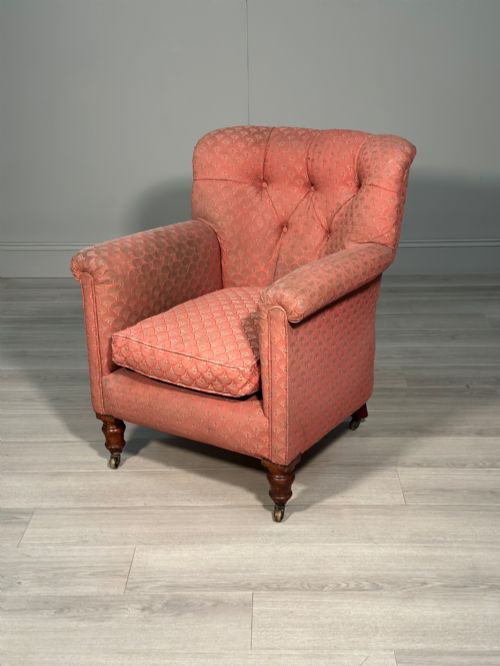
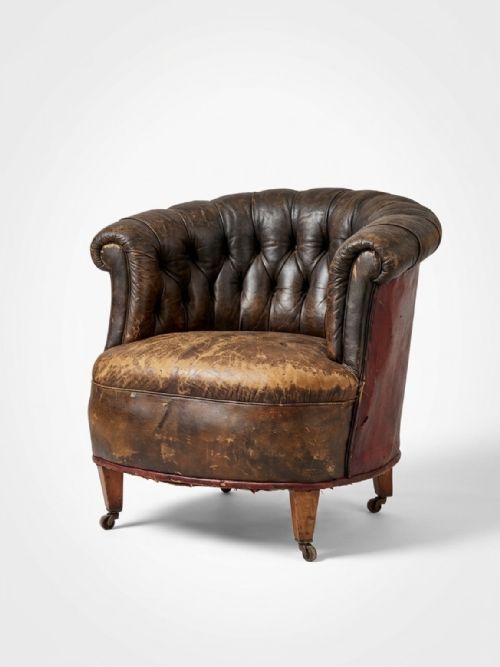
A vintage button tufted chair brings classic deep-buttoned upholstery into a space, originating primarily from the nineteenth century and the early decades of the twentieth century. When searching for a vintage button tufted chair, buyers encounter various forms including library armchairs, club chairs, wing armchairs, and slipper chairs.
The selections span distinct periods such as Victorian, Edwardian, and Regency, alongside revivals like Georgian style and French Chateau. Makers and styles range from plain country house seating to grand walnut frames and low-backed French designs.
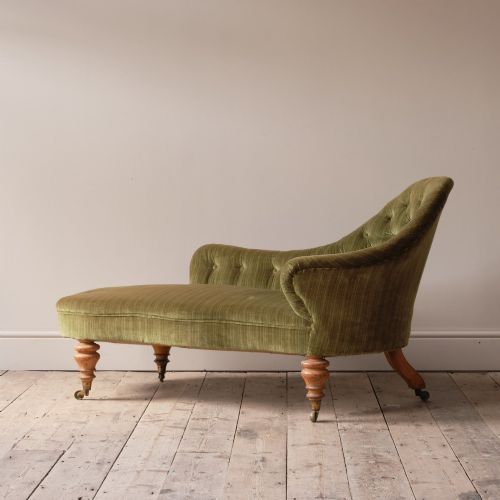
Framing materials vary widely across the options, featuring mahogany, oak, walnut, and rosewood alongside exposed brass castors and turned wooden legs. Upholstery materials encompass supple leather, rich velvet, calico, and rexine.
Materials and construction methods
Frames are built from hardwoods such as mahogany, oak, walnut, and rosewood, providing a sturdy skeleton for heavy daily use. Joinery techniques reflect the period of production, utilising solid timber construction to support deep seating.
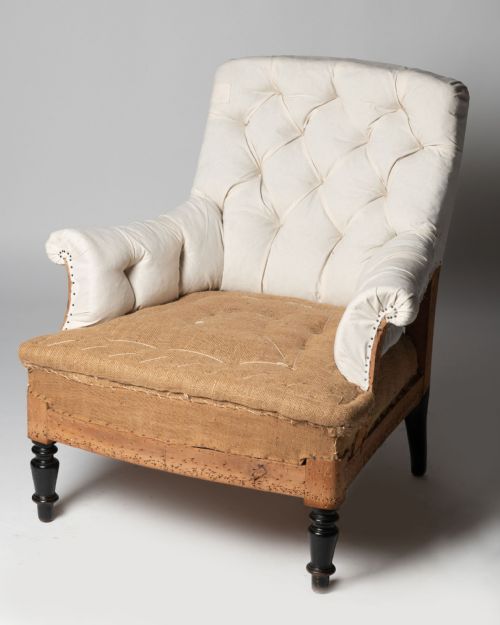
Upholstery relies on traditional stuffing secured through deep buttoning, pulling the fabric tight to create characteristic diamond patterns. Leather, velvet, and calico are fastened securely to the wooden frames, often complemented by brass details and turned legs.
Vintage Button Tufted Chair Retail Price Guide 2026
Typical asking prices for vintage button tufted chair among the pieces listed under this phrase on Sellingantiques today, from the lower quarter to the upper quarter. They describe what is for sale here now, not the wider market.
Listings feature nineteen-century and early twentieth-century periods, including Victorian, Edwardian, and Regency eras, constructed from mahogany, oak, walnut, leather, and velvet.
Assessing quality and craftsmanship
The distinction between standard examples and top tier pieces rests on the integrity of the timber frame and the depth of the upholstery work. Superior items display finely carved mahogany or walnut frames, robust joinery, and carefully executed button tufting that maintains uniform tension across the leather or fabric.
Provenance and maker attribution elevate certain items significantly, particularly pieces associated with known workshops like Howard and Sons or patented designs such as reclining mechanisms. The quality of the original leather or velvet hide, alongside sympathetic patination, separates ordinary seating from exceptional historic examples.
Howard and Sons·Daws Patent
The Vintage Button Tufted Chair Glossary
- Button tufting
- An upholstery technique where buttons are sewn deeply through the padding to the wooden frame, creating a padded diamond pattern. This method secures the internal stuffing and provides structured support.
- Club armchair
- A deep, low-slung leather armchair designed for relaxation, commonly associated with nineteenth and early twentieth century English clubs. These chairs prioritise heavy cushioning and robust hide upholstery.
- Wing armchair
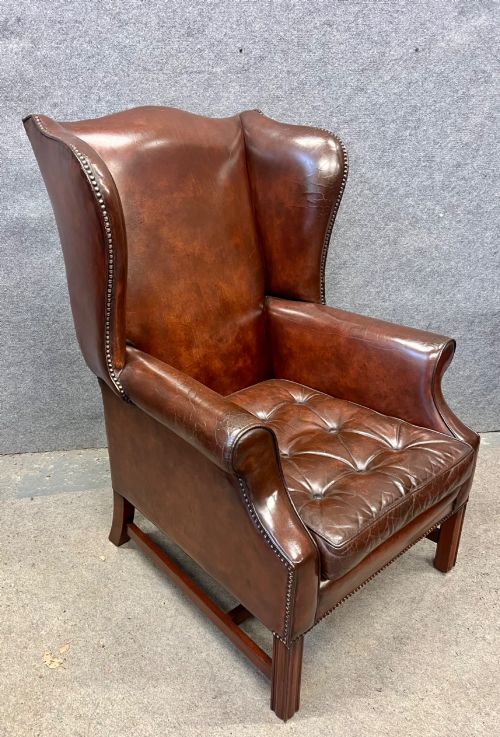
- A high-backed chair with side panels or wings designed to shield the sitter from draughts. Early versions often feature leather upholstery and detailed wooden legs.
- Slipper chair
- A low-seated upholstered chair originally designed for bedrooms to assist with putting on shoes. They frequently feature exposed wooden frames in mahogany or rosewood.
- Chaise longue
- An elongated upholstered chair designed for reclining, combining the characteristics of a chair and a sofa. Examples feature carved wooden frames and buttoned backs.
Vintage Button Tufted Chair: Frequently Asked Questions
Are these chairs comfortable for daily use?
These historic seats were constructed with heavy internal stuffing and robust hardwood frames designed for prolonged sitting. Leather and velvet upholstered versions offer durable surfaces suited to regular living spaces.
Many examples include sprung seats or reclining mechanisms that enhance everyday practicality.
How do I identify the period of a chair?
Dating relies on examining the timber frame, leg style, and upholstery methods used in the piece. Victorian and Edwardian examples often display distinct carving patterns, turned wooden legs, or specific hardware like brass castors.
Reference to revival styles such as Georgian or French Napoleon III helps narrow down the probable era of manufacture.
Where were these chairs originally placed?
These seating forms occupied diverse rooms in historic houses, from formal libraries and drawing rooms to private bedrooms and smoking rooms. Wing armchairs stood near fireplaces to block draughts, while slipper chairs remained in dressing areas.
Larger club chairs furnished gentlemen's clubs and country house studies alike.