



Vintage Burr Wood Chest
A vintage burr wood chest brings striking natural grain patterns into a room, offering both practical storage and deep textural warmth.
Vintage Burr Wood Chest
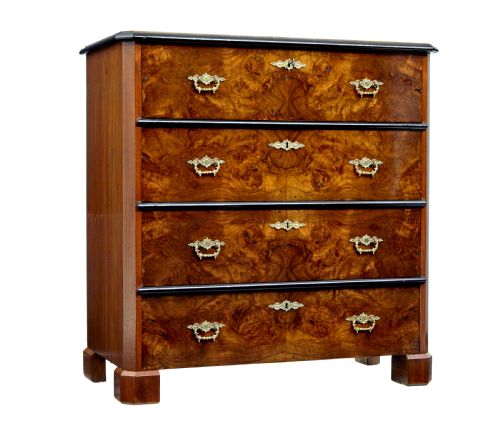
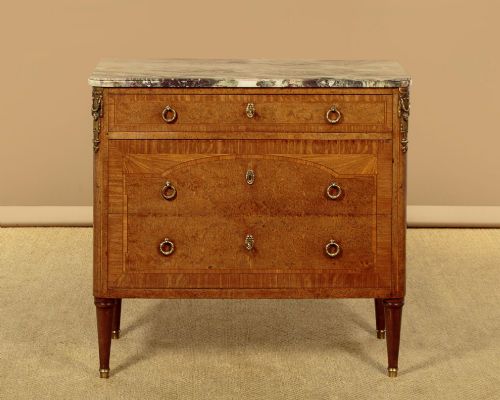
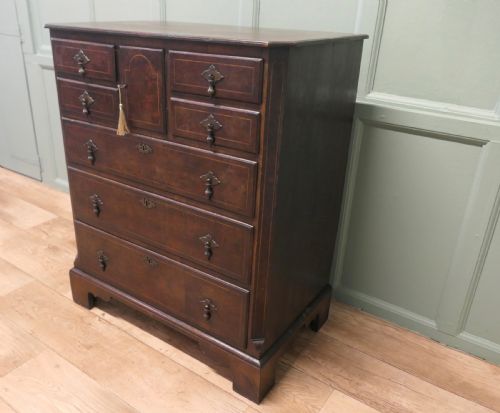
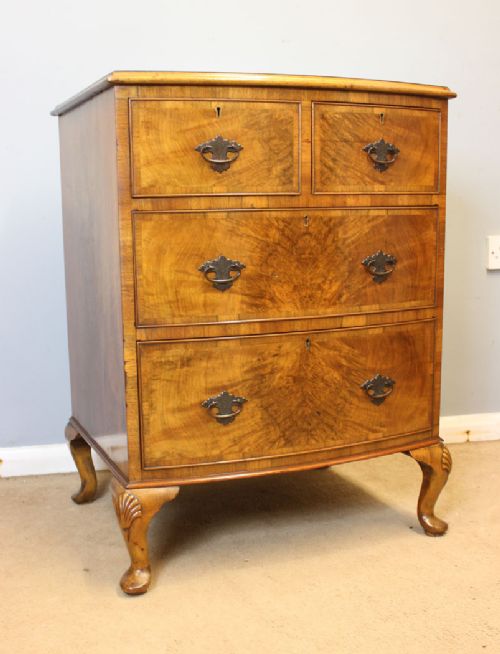
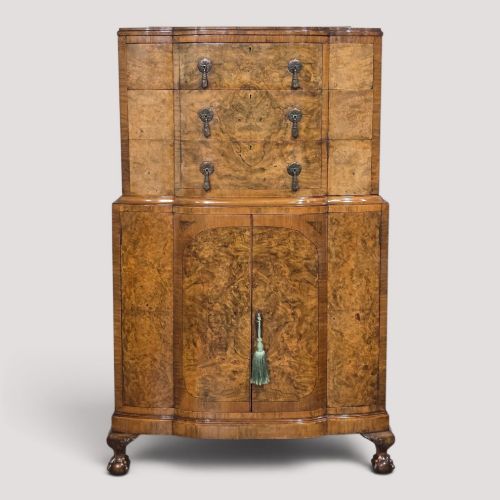
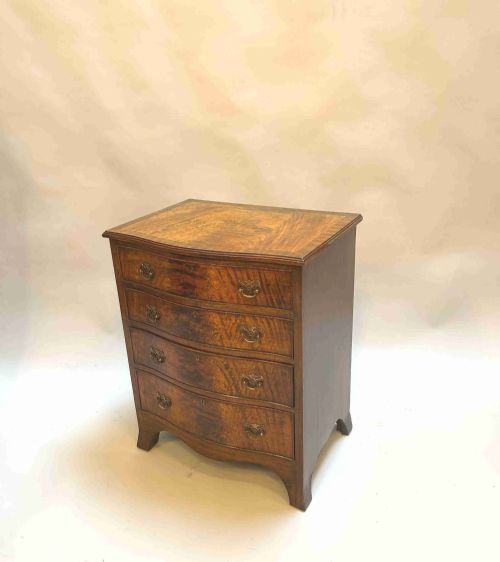
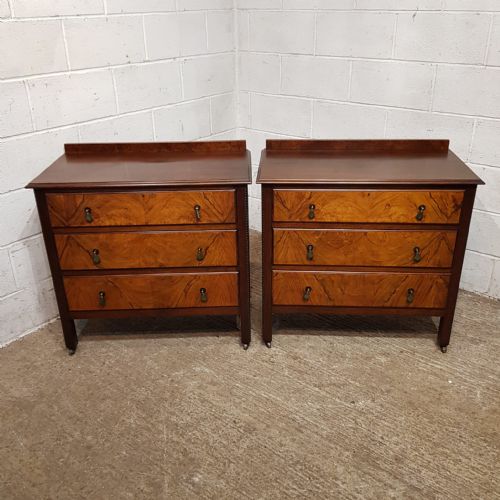
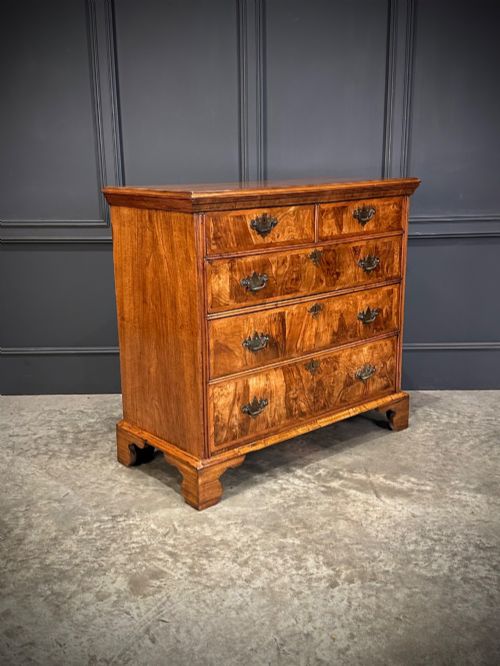
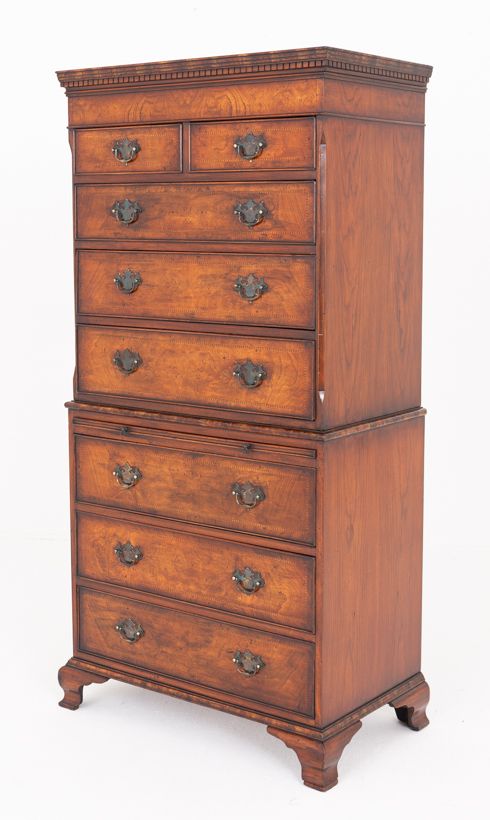
A vintage burr wood chest encompasses traditional chests of drawers, linen presses, and smaller decorative boxes constructed from highly figured timber growths. These pieces emerge across several periods, including the eighteenth century, the Victorian era, and nineteen-twenties revivals.
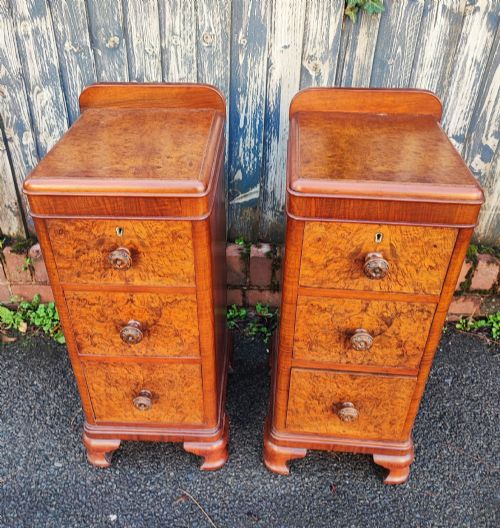
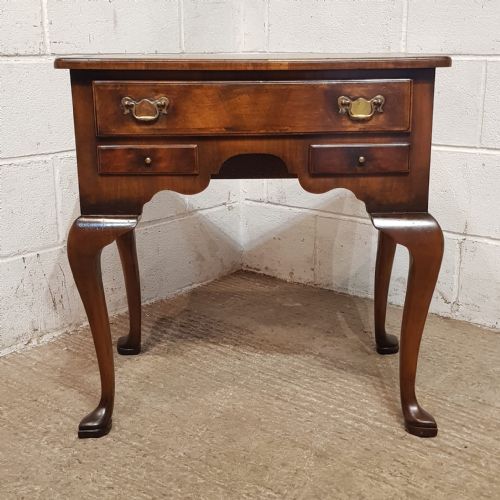
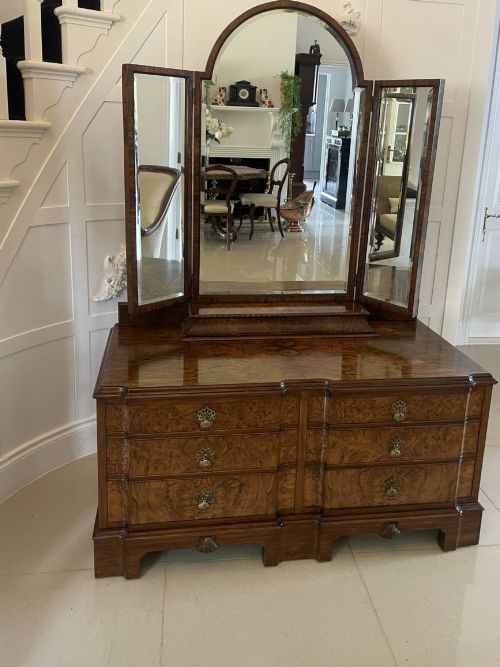
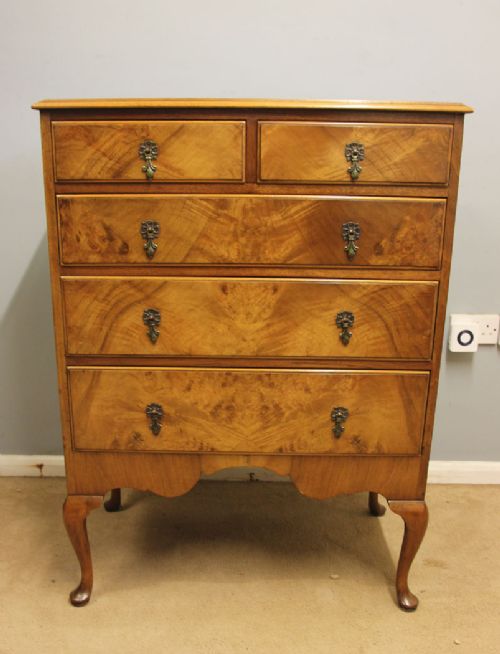
Buyers seeking a vintage burr wood chest most frequently encounter nineteen-twenties productions utilising walnut veneers alongside eighteenth-century walnut and oak examples. Formats vary from small bedside cabinets and tallboys to large cocktail drinks cabinets and lowboys.
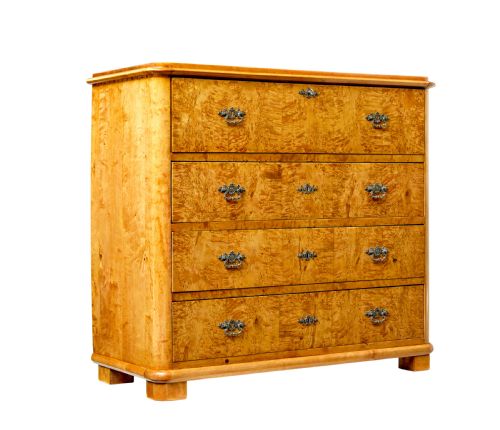
Origin points span English workshops as well as continental makers, incorporating Swedish burr birch and Dutch walnut pieces. The overarching appeal rests upon the swirling knot formations unique to burr timber surfaces.
How they were made
Cabinet makers applied thin slices of burr walnut, birch, ash, elm, or yew veneer over stable secondary timbers such as oak and pine. This technique displayed the intricate, swirling grain patterns of the tree growths while preventing the timber from warping.
Detailing often incorporated solid walnut mouldings, brass drop handles or key escutcheons, and occasional bone or mother-of-pearl inlays on smaller boxes. Construction relied on traditional dovetail joints for drawer boxes and solid timber framing for carcases.
Vintage Burr Wood Chest Retail Price Guide 2026
Typical asking prices for vintage burr wood chest among the pieces listed under this phrase on Sellingantiques today, from the lower quarter to the upper quarter. They describe what is for sale here now, not the wider market.
One eighteenth-century tea caddy combines burr yew with concealed compartments designed to keep precious tea leaves securely locked away from servants.
What varies in quality
Quality depends heavily on the symmetry and coverage of the burr veneer across the primary elevations. Superior pieces display carefully matched grain patterns that mirror one another symmetrically across drawer fronts.
The integrity of the underlying carcase and the crispness of surviving brass hardware distinguish finer examples from standard production. Construction depth, such as solid oak drawer linings rather than cheaper conifers, elevates the standing of a piece.
Epstein
The Vintage Burr Wood Chest Glossary
- Burr wood
- Timber harvested from tree burls or growths, producing chaotic and highly decorative swirling grain patterns. It is sliced into thin veneers for cabinet fronts.
- Linen press
- A tall storage piece combining upper sliding trays or shelves with lower drawers for textiles. They frequently feature panelled doors faced in burr veneers.
- Lowboy
- A small occasional table featuring one or more rows of drawers raised on tall legs. These often serve as dressing tables or side tables.
- Secretaire chest
- A chest of drawers incorporating a fitted writing drawer with a drop-front flap. The interior typically reveals small pigeonholes and letter drawers.
- Carcase
- The main structural body or frame of a piece of furniture before drawers and doors are fitted. It provides the foundational support for decorative veneers.
Vintage Burr Wood Chest: Frequently Asked Questions
What is burr wood?
Burr wood comes from a tree deformity or growth where grain grows in a chaotic, swirling pattern rather than straight lines. When sliced into thin veneers, it yields highly decorative surfaces filled with knots and eyes.
Cabinet makers prize this timber for its visual impact on the main facades of chests and cabinets.
How do I care for burr walnut?
Keep burr walnut furniture away from direct sunlight and steady heat sources to prevent the thin veneers from drying out or lifting. Dust gently with a dry cloth and avoid harsh chemical polishes.
Maintaining a stable room humidity preserves both the timber and the underlying nineteenth or twentieth century carcase.
Where were these chests made?
Most pieces originate from English workshops spanning the eighteenth, nineteenth, and early twentieth centuries. Continental makers in Sweden and France also produced notable examples using burr birch and walnut.
Regional preferences influenced whether makers utilised native oak frames or imported exotic secondary woods.