

Vintage Burr Walnut Wardrobe
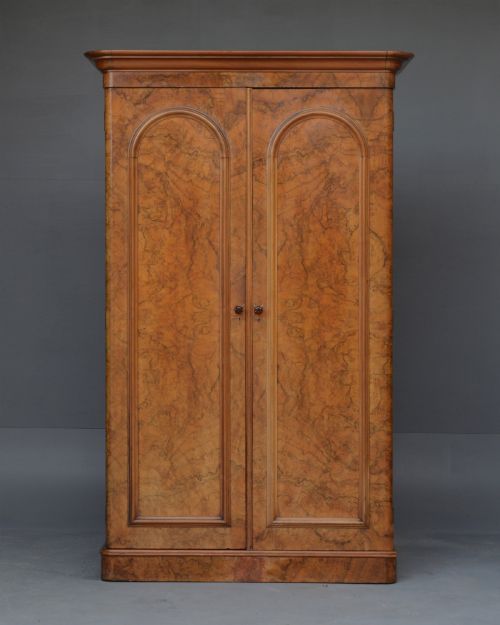
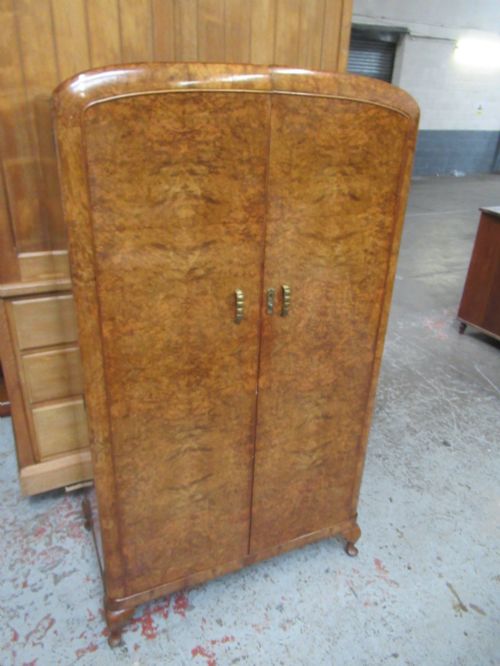
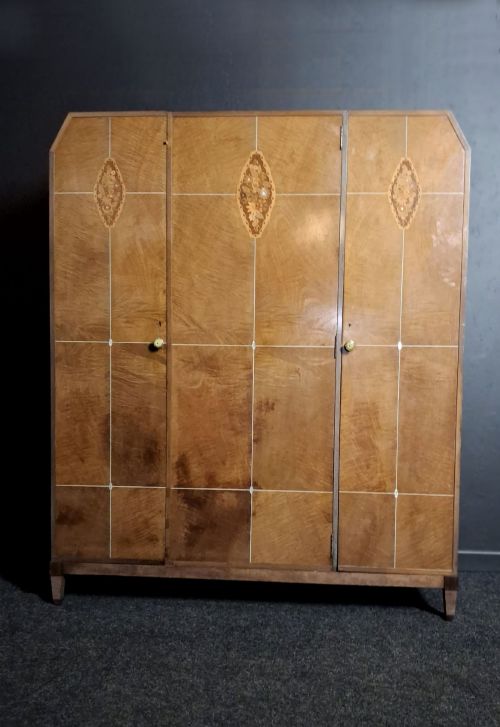
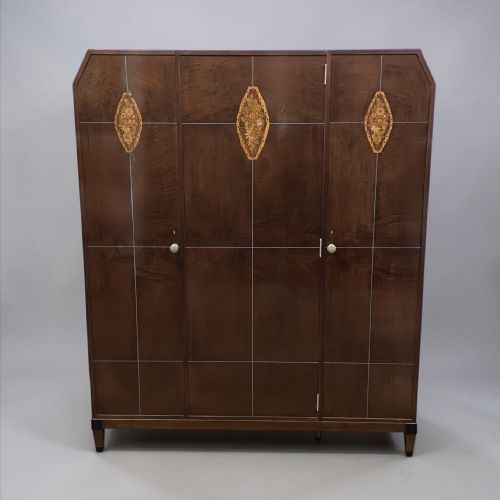
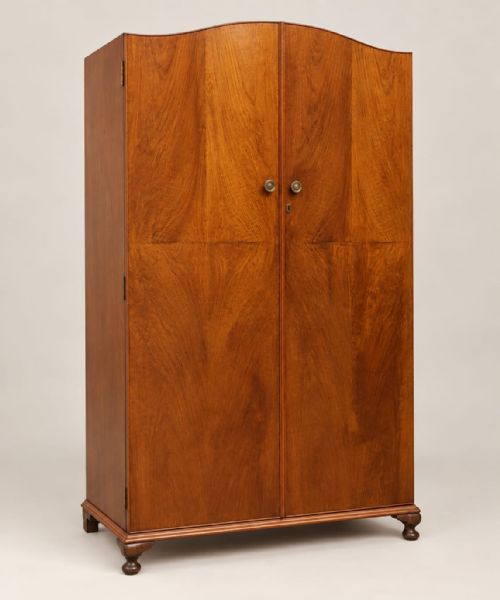
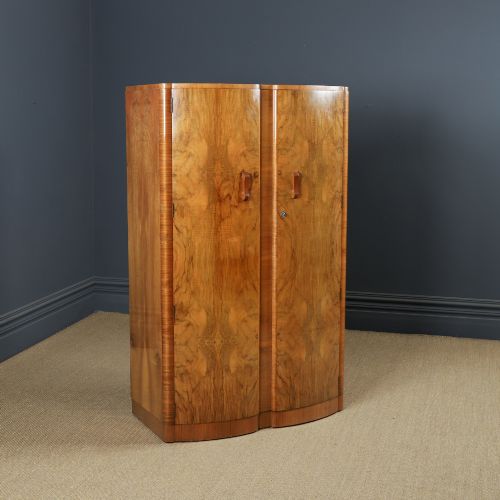
A vintage burr walnut wardrobe brings rich, swirling grain and substantial storage to a bedroom, combining practical hanging space with striking presence.
Vintage Burr Walnut Wardrobe
When you search for a vintage burr walnut wardrobe, you encounter large storage furniture spanning the Victorian era through to the 1940s. The most common pieces on this page date from the 1920s and 1930s, reflecting a strong period of Art Deco design and Queen Anne revival forms.
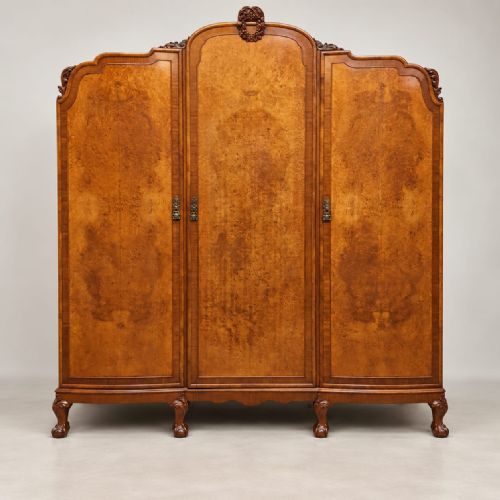
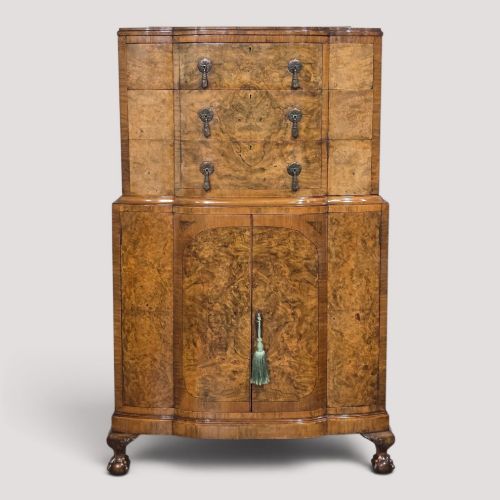
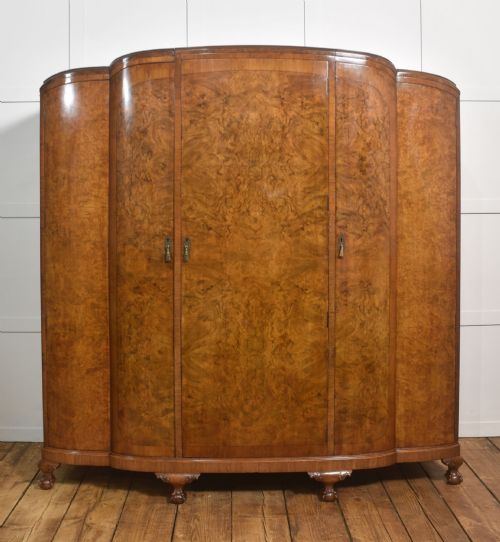
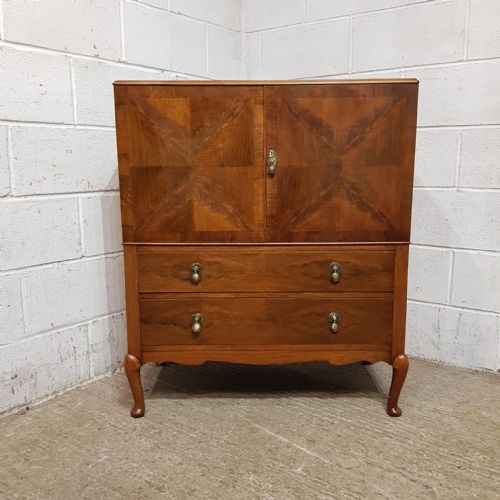
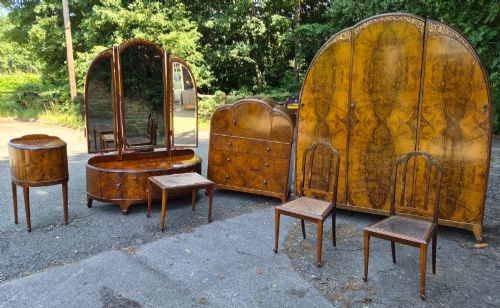
These items range from compact tallboys and linen presses to grand double and triple wardrobes, alongside breakfront designs and fitted bedroom suites. Alongside standard wardrobes, the selection includes armoires, compactums, and cabinets on chests originating from British workshops as well as continental makers.
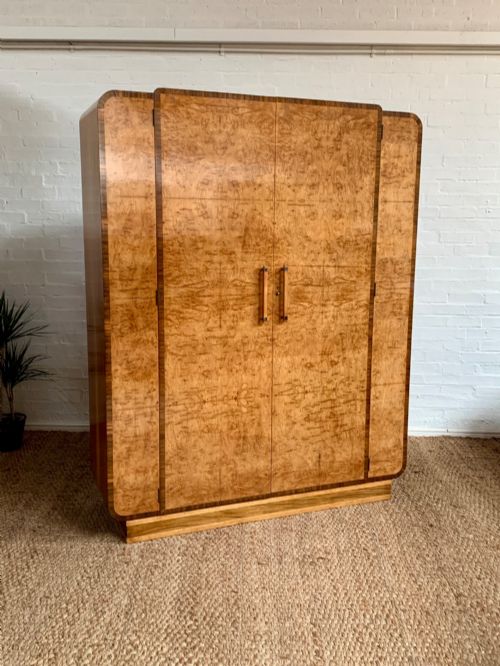
The core function remains large-scale clothes storage, often enhanced by fitted internal drawers and shelving. While many examples favour clean geometric lines typical of the interwar years, others display traditional revival curves and figured wood panels.
How they were made
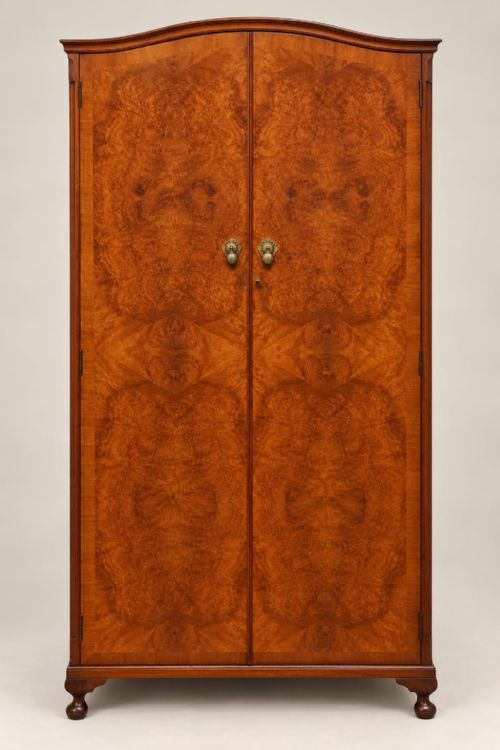
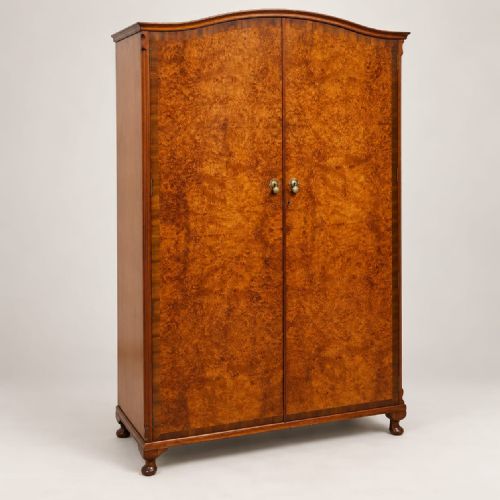
Craftsmen built these pieces using solid timber frames overlaid with walnut veneer and highly figured burr walnut sections to display intricate grain patterns across the primary surfaces. Secondary materials such as brass for handles and fittings, mirror glass in door panels, and occasional interior elements of ash or Bakelite appear alongside the predominant wood.
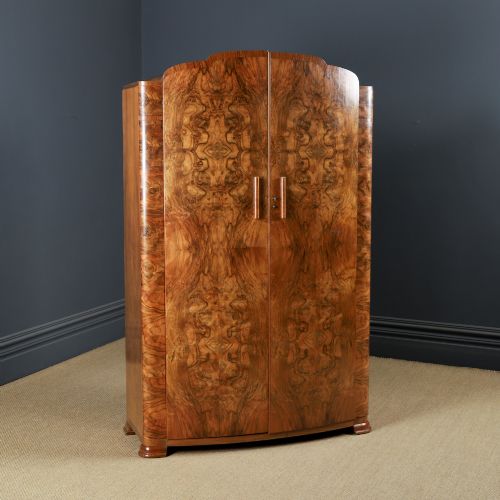
Cabinetmakers matched veneer leaves symmetrically across large doors and drawer fronts to create decorative grain symmetry. Structural carcases utilised traditional joinery, supporting heavy timber doors and fitted interiors designed for modern clothing storage.
Vintage Burr Walnut Wardrobe Retail Price Guide 2026
Typical asking prices for vintage burr walnut wardrobe among the pieces listed under this phrase on Sellingantiques today, from the lower quarter to the upper quarter. They describe what is for sale here now, not the wider market.
Some Art Deco compactums feature clever internal tie racks and shoe rails designed to keep 1930s gentleman accessories meticulously organised.
What varies in quality
The distinction between standard examples and the finest pieces rests upon the selection and matching of the burr walnut veneer. Superior wardrobes exhibit continuous, highly figured grain patterns that wrap harmoniously across multiple doors and curved fronts.
Construction standards also define the hierarchy, seen in the solidity of fitted internal compartments and the integration of maker-marked hardware. Pieces originating from recognised firms demonstrate superior internal cabinetry and robust structural engineering compared to unmarked generic production.
Maple & Co·Waring & Gillow·Frank Taylor & Co·Harry and Lou Epstein·Whytock & Reid of Edinburgh
The Vintage Burr Walnut Wardrobe Glossary
- Burr walnut
- A veneer taken from the wart-like growth on a walnut tree, producing a swirling, highly decorative grain pattern. It is prized for creating rich, mottled surfaces on high-end cabinet doors.
- Compactum
- A multi-functional wardrobe combining hanging space, drawers, and shelving within a single cabinet. This efficient form maximises storage footprint in domestic bedrooms.
- Tallboy
- A tall chest of drawers standing on a base cabinet or legs, offering vertical storage with a smaller floor area. These pieces frequently feature figured walnut fronts.
- Linen press
- A traditional storage cabinet featuring upper sliding trays or shelves above a chest of drawers. Originally designed for household textiles, they function well as general bedroom storage.
- Veneer
- A thin layer of choice wood applied over a secondary timber carcase to provide a decorative exterior finish. Skilled application ensures the grain remains stable and visually striking over time.
Vintage Burr Walnut Wardrobe: Frequently Asked Questions
How do I fit a vintage wardrobe into a modern room?
Measure your ceiling height and wall space carefully, allowing clearance for opening doors and internal fittings. Many vintage wardrobes disassemble into sections, which helps with transport and positioning in rooms with tight access.
Position the piece away from direct heat sources and strong sunlight to protect the walnut veneer from drying out or fading. Ensure the floor is level so the large doors hang straight and close properly against the frame.
What is the difference between a wardrobe and a compactum?
A standard wardrobe focuses primarily on vertical hanging space for coats and dresses, sometimes supplemented by a single base drawer. These tall structures prioritise length of garment storage over compartmentalised shelving.
A compactum integrates multiple storage formats into one unit, dividing the interior between hanging space, dedicated drawers, and adjustable shelves. This layout provides comprehensive organisation for folded clothing and accessories alongside hanging garments.
How do I care for burr walnut veneer?
Dust the surface regularly with a soft, dry cloth to prevent dirt accumulation in the natural crevices of the burr grain. Avoid silicone-based polishes, opting instead for traditional beeswax applied sparingly to nourish the wood.
Keep the room at a stable humidity level to prevent the veneer from lifting or cracking over time. Gentle handling of brass handles and door latches preserves the original mechanism and surrounding woodwork.
How can I tell a 1930s piece from a Victorian one?
Nineteen-thirties pieces often showcase Art Deco styling with clean, streamlined silhouettes, blonde walnut tones, and symmetrical burr patterns. Hardware tends to be minimal, geometric, and flush with the surface.
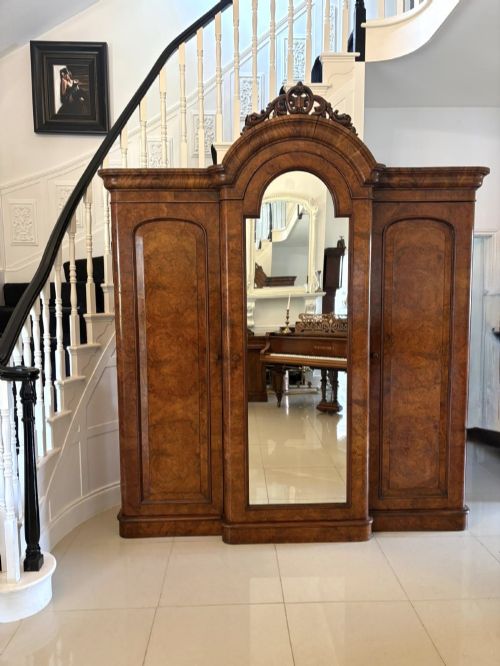
Victorian wardrobes lean towards heavier architectural details, deep carved mouldings, and darker walnut finishes with traditional panel construction. They frequently incorporate arched mirror glass doors and robust classical revival cornices.