
Vintage Burr Walnut Tallboy
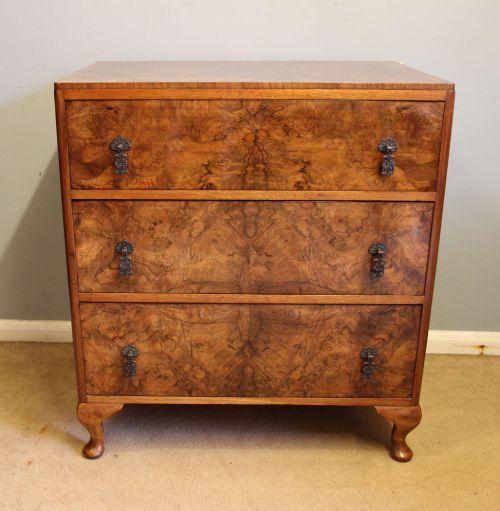
A vintage burr walnut tallboy brings striking grain patterns and vertical storage into a room.
Vintage Burr Walnut Tallboy
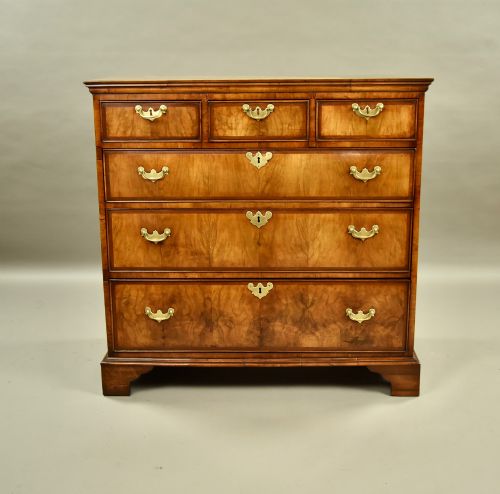
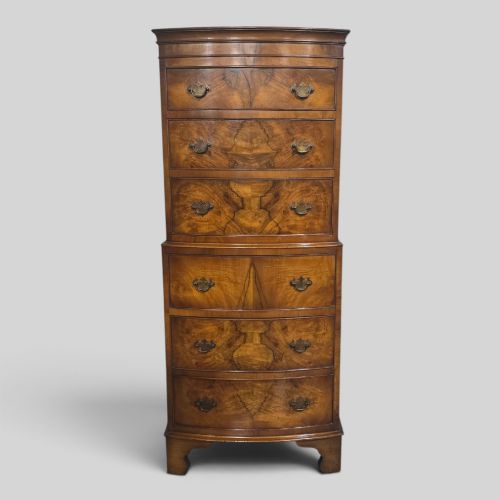
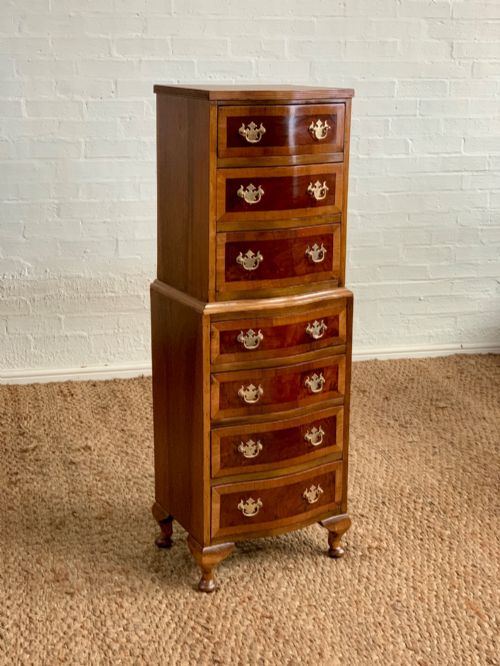
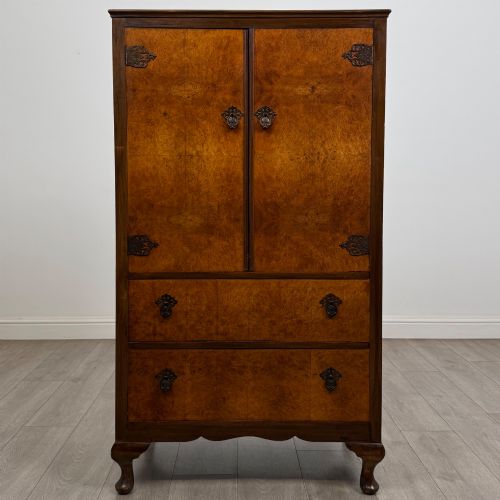
A vintage burr walnut tallboy combines generous height with a compact footprint, offering ample storage across multiple drawers without dominating a room. These pieces range from substantial two-piece chests on chests to refined tall chests and compactums.
The pieces appearing on this page span several eras, touching upon 18th-century origins, Edwardian designs, and early twentieth-century revivals. Buyers encounter everything from Queen Anne style proportions to streamlined Art Deco forms.
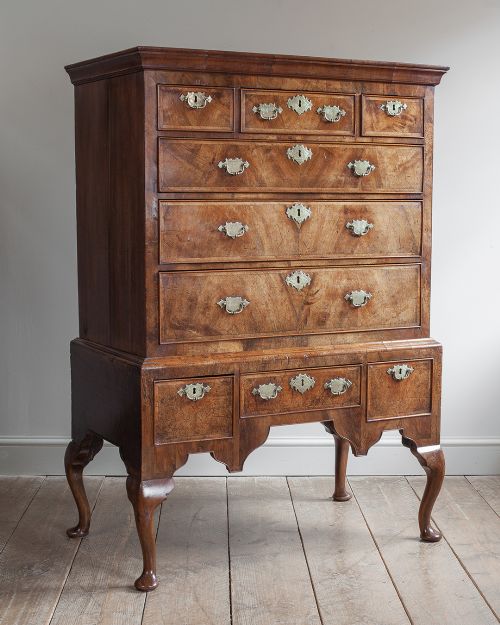
Tallboys and chests on stands provide an appealing vertical emphasis, while retaining the practical compartmentalisation needed for everyday use. Their tall profiles make them particularly suited to bedrooms and dressing spaces where floor space is at a premium.
Materials and construction methods
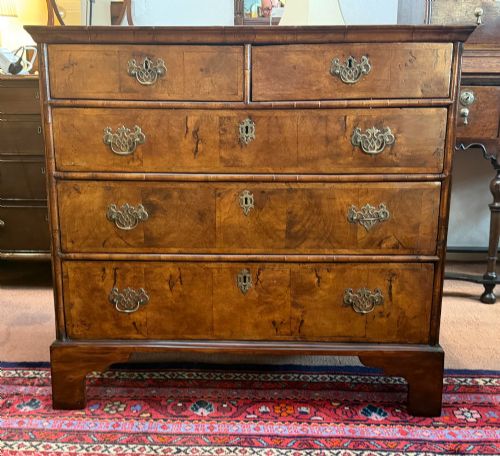
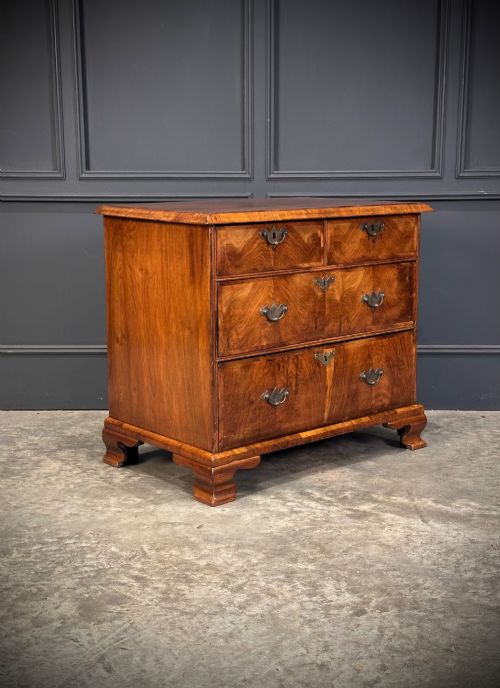
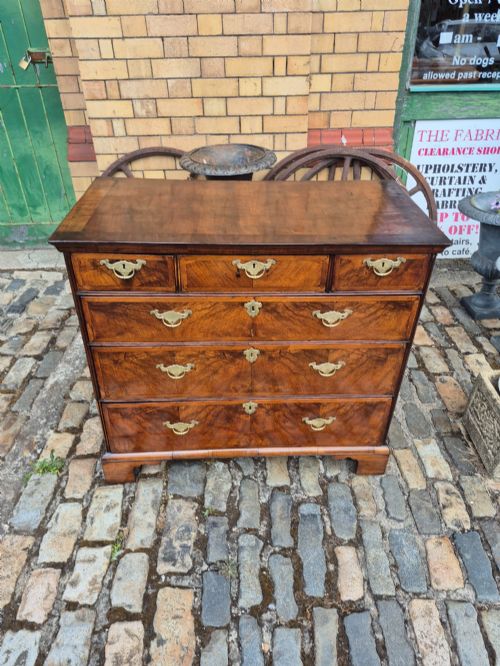
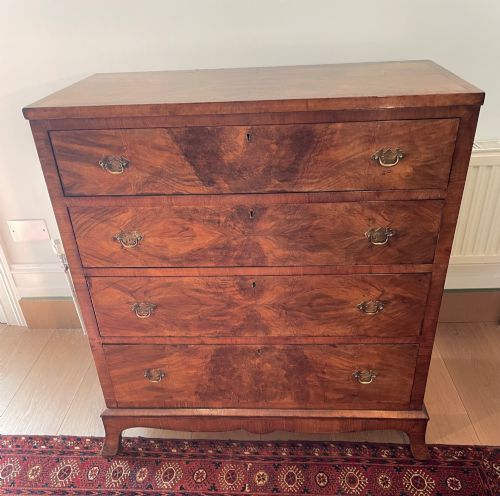
Cabinet makers utilised burr walnut and walnut veneers over secondary timbers such as oak, laying out the swirling, knotted grain patterns to create symmetrical book-matched designs across drawer fronts. Crossbanding often frames these panels, adding crisp geometric definition to the curved and figured wood.
Structural integrity relies on traditional joinery techniques, paired with solid timber carcases and internal drawer linings in oak or pine. Brass handles, escutcheons, and occasional metal accents complete the hardware, fixed securely to the drawer faces.
Materials recorded across the selection include solid walnut, burr walnut veneer, oak, brass, and occasional accents of Bakelite.
Distinguishing quality in walnut furniture
Quality rests primarily in the visual impact and selection of the burr walnut veneer, where tightly clustered knots and rich figuring dictate the presence of the piece. The skill of the maker in matching these wild grain patterns across multiple drawers separates standard examples from exceptional ones.
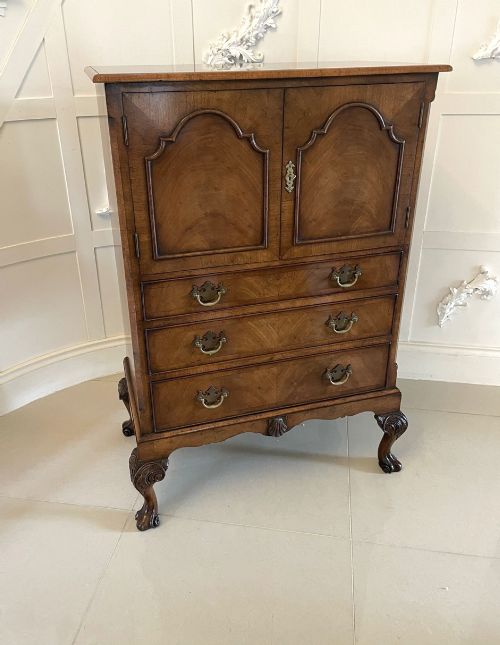
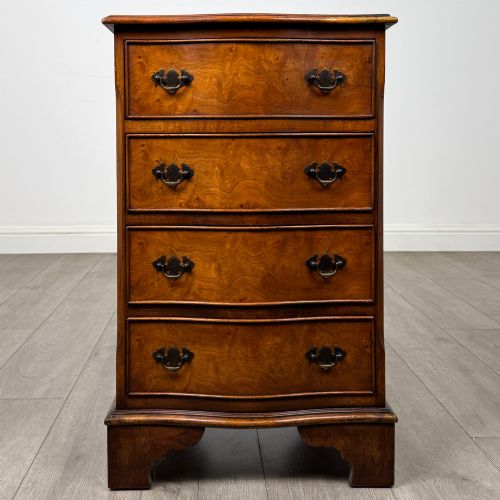
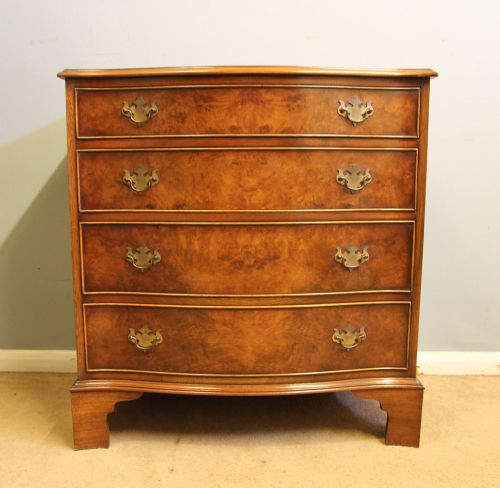
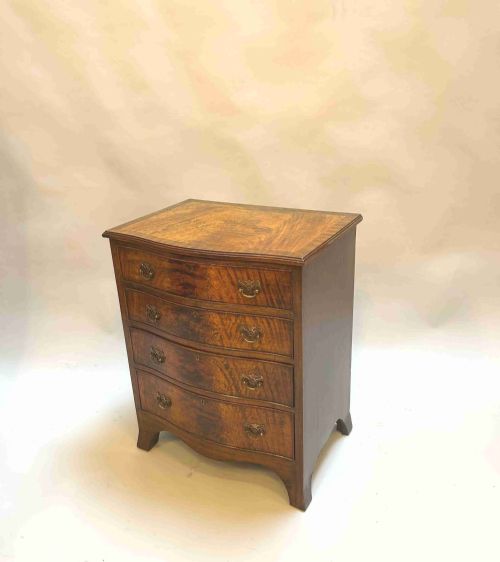
Proportion and execution of period details also define the tier of a tallboy, from clean-lined Art Deco geometry to meticulously shaped Queen Anne style cabriole legs and serpentine fronts. Intact original brass hardware and smooth drawer operation further indicate superior craftsmanship.
The Vintage Burr Walnut Tallboy Glossary
- Burr Walnut
- A specialised wood cut from the irregular growths on walnut trees, prized for its swirling, highly figured grain patterns. It provides a decorative surface ideal for statement furniture.
- Tallboy
- A traditional tall chest of drawers, often constructed in two stacked sections to allow easier movement. It maximises vertical storage capacity.
- Chest on Stand
- A chest of drawers elevated on a separate framework or base with legs. This form lightens the visual weight of tall storage furniture.
- Crossbanding
- A narrow strip of veneer laid around the border of a drawer front or panel with the grain running at right angles to the central panel. This technique creates a neat framing effect.
- Serpentine Front
- A front surface featuring a gently undulating concave-convex curve. It requires precise woodworking skill to execute cleanly on drawer fronts.
Vintage Burr Walnut Tallboy: Frequently Asked Questions
What is a tallboy used for?
A tallboy serves primarily as a vertical chest of drawers for clothing and linens. Its stacked design provides generous storage whilst taking up minimal floor space.
In modern homes, these pieces fit easily into bedrooms, dressing rooms, and hallways. They keep smaller items and garments organised across multiple tiers.
How do I care for burr walnut furniture?
Burr walnut benefits from regular dusting with a soft, dry cloth to prevent particle build-up. Keeping the timber away from direct sunlight and severe temperature fluctuations protects the delicate veneer.
Applying a quality beeswax periodically helps nourish the wood and maintain its natural lustre. Avoid placing damp items directly onto the polished surface.
What is the difference between a tallboy and a chest on chest?
A tallboy generally refers to a tall single-carcase chest or a chest on a stand, whereas a chest on chest consists of two separate stacked cabinet sections. Both designs offer vertical storage but differ in their internal construction.
Chest on chest configurations usually feature a wider lower section with a slightly narrower upper section. This two-part construction made heavier pieces easier to transport historically.
How do I identify Art Deco walnut furniture?
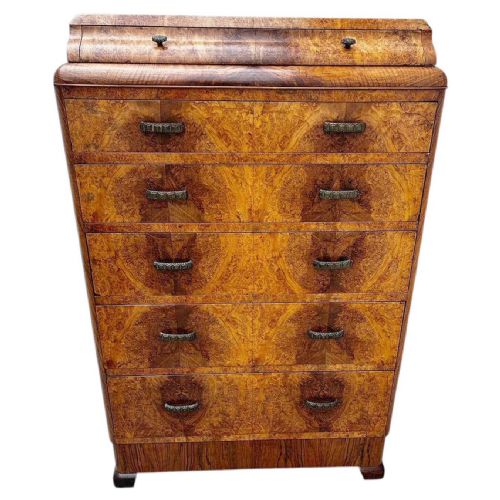
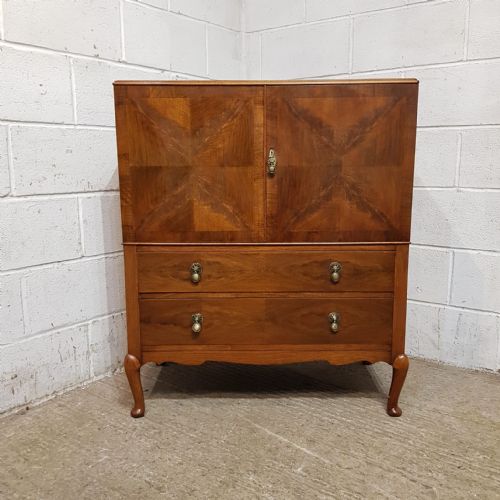
Art Deco walnut furniture displays streamlined, geometric forms with minimal ornamentation, often featuring bleached blonde walnut or high-gloss finishes. The emphasis rests on clean silhouettes and the natural beauty of the wood grain.
Pieces from this era frequently include curved cabinets, stepped cornices, and matching veneers. Bakelite or polished metal details sometimes appear alongside the warm walnut tones.