





Vintage Building Artwork
Vintage building artwork captures structural forms and urban scenes across diverse periods, offering collectors a tangible piece of architectural history for their walls.
Vintage Building Artwork
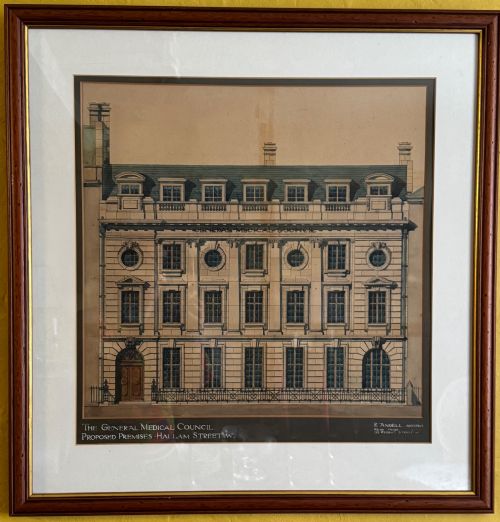
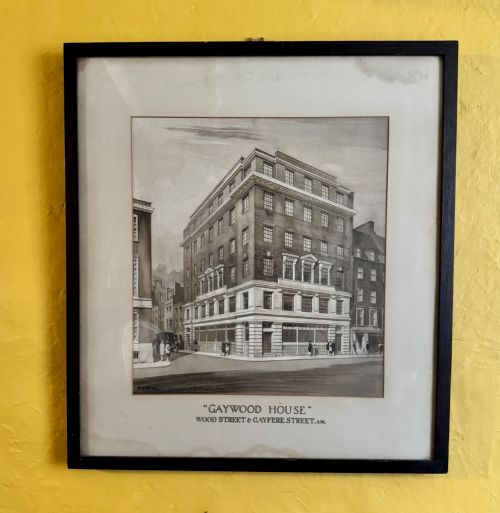
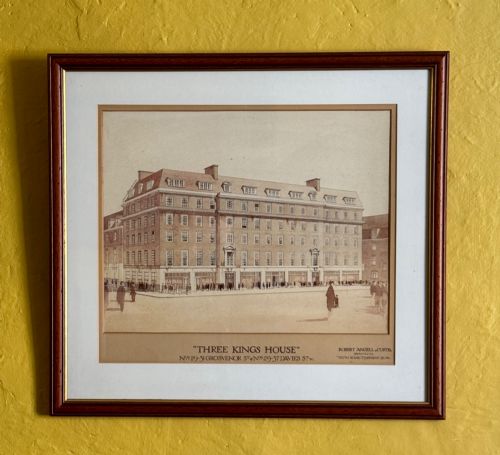
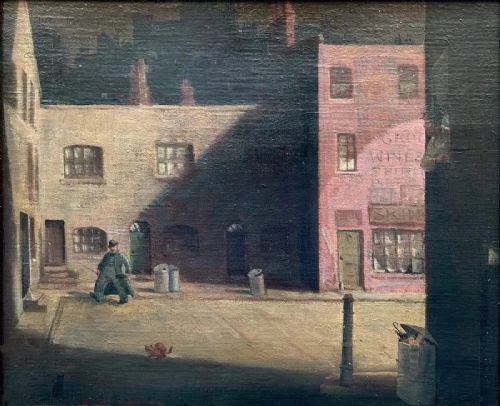
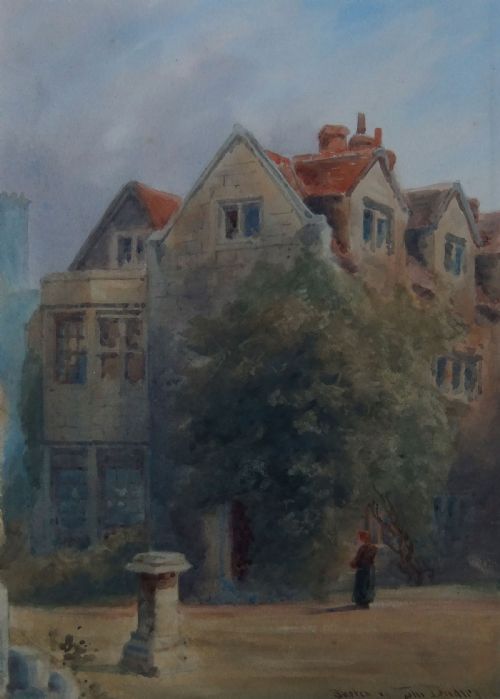
Vintage building artwork encompasses framed architectural designs, townscapes, and structural studies created across the Victorian, Edwardian, and mid-twentieth-century periods. When searching for vintage building artwork, buyers frequently encounter meticulous watercolour designs for specific London and regional properties, alongside townscape watercolours and architectural prints.
The selections range from detailed architectural plans and ink sketches to oils on canvas and paper depictions of European and British streetscapes. These pieces document urban development and historic architecture through the hands of contemporary artists and architectural draftsmen.
How they were made
Artists and draftsmen utilised traditional media including watercolour, pencil, ink, and oil paint applied to paper, canvas, and board. Many architectural designs rely on precise watercolour washes and ink linework to delineate structural details of specific buildings.
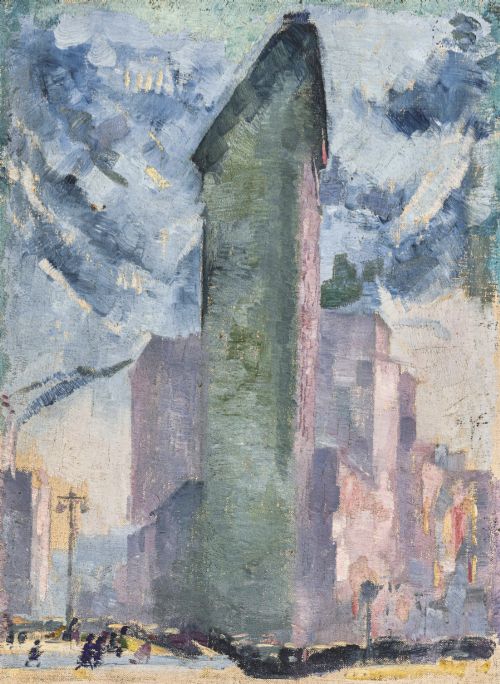
Other works employ oil paint on canvas or board to capture broader townscapes and maritime subjects, while industrial lithograph art utilises printmaking techniques to reproduce architectural plans. These methods reflect the specific demands of both fine art practice and professional architectural drafting.
Vintage Building Artwork Retail Price Guide 2026
Typical asking prices for vintage building artwork among the pieces listed under this phrase on Sellingantiques today, from the lower quarter to the upper quarter. They describe what is for sale here now, not the wider market.
Architects once painted their grand designs with watercolours so delicate they make a modern blueprint look positively industrial.
What varies in quality
Quality in vintage building artwork rests upon the precision of the draughtsmanship, the clarity of the composition, and the handling of light and shadow within the architectural setting. A fully realised watercolour design or oil painting demonstrates a secure command of perspective and structural proportion.
The sophistication of the artist's touch, whether in a delicate pencil sketch or a robust oil painting, elevates certain works above standard topographical prints and commercial architectural renderings. Provenance and attribution to documented artists or specific historic buildings also distinguish individual pieces.
Francisco Sancha·Alfred Wolmark·Percy Robertson·J W Hogley·Percy Lancaster·Tom Dudley·Annie L Lee·Fred Lawson·Frank Greenwood·John Jaques·Walter J Hall·CB Prescott
The Vintage Building Artwork Glossary
- Watercolour
- A painting method in which the paints are made of pigments suspended in a water-based solution. This medium is frequently seen in delicate architectural designs and townscape studies.
- Lithograph
- A planographic printing process used to produce mass prints or fine art multiples. Industrial examples of this technique capture architectural plans and building layouts.
- Townscape
- An artistic representation of the physical aspects of an urban area or city street. These works focus on buildings, street furniture, and civic spaces.
- Etching
- A printmaking process where lines are incised into a metal plate with acid before being inked and printed onto paper. This technique yields fine, detailed linear images of historic structures.
Vintage Building Artwork: Frequently Asked Questions
What periods do these artworks cover?
The available selection spans from the Victorian era and the 1890s through the Edwardian period, 1910s, 1920s, 1930s, and 1940s, extending into mid-century works from the 1960s.
This broad chronological range encompasses diverse artistic movements, from traditional nineteenth-century neoclassical interpretations to post-impressionist and outsider art approaches.
What materials are used in these pieces?
Artists utilised paper, canvas, and wood board as supports for their compositions. The primary colouring agents include watercolour, oil paint, ink, and pencil.
Additionally, industrial lithograph art incorporates printmaking materials to reproduce architectural plans and technical drawings.
How were architectural watercolours utilised?
Architectural watercolours served as professional design proposals and presentations for specific commercial and civic buildings, such as London townhouses and medical council properties. Draftsmen produced these precise illustrations to communicate proposed structural forms and aesthetic details.
Over time, these functional professional documents transitioned into collectible fine art objects appreciated for their draughtsmanship.
How do I identify townscapes from different decades?
Stylistic indicators and subject matter help contextualise townscape watercolours and oils within their respective periods. Edwardian and Victorian works often depict established historic streets and civic buildings with formal academic precision, while mid-century pieces may adopt looser modernist brushwork.
Furthermore, specific artist attributions and recorded dates provide a definitive timeline for individual artworks.