

Vintage Brown Wood Credenza
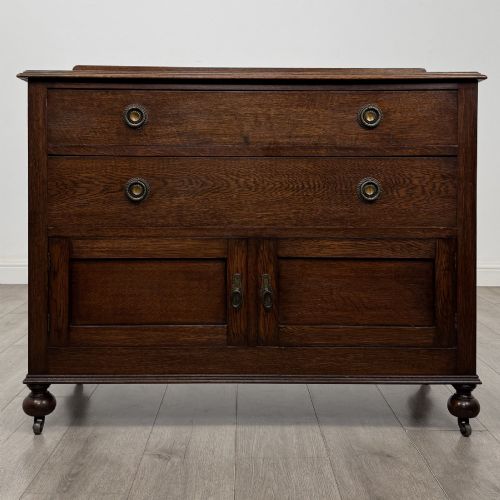
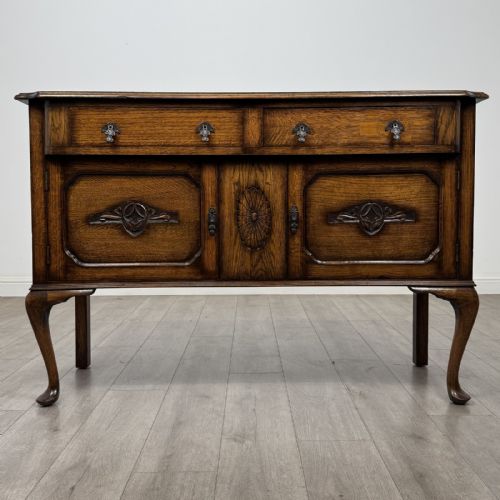
A vintage brown wood credenza brings solid timber storage and period character to a room, ranging from Edwardian mahogany to French walnut.
Vintage Brown Wood Credenza
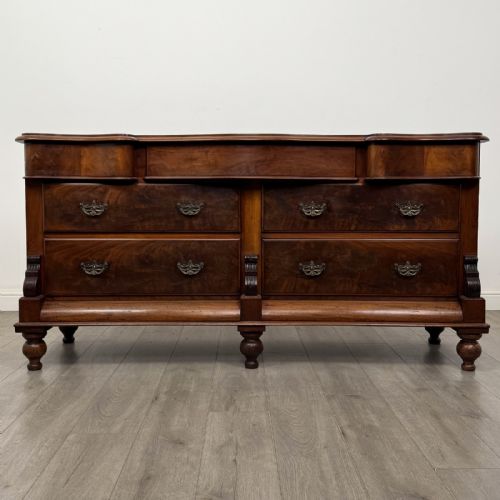
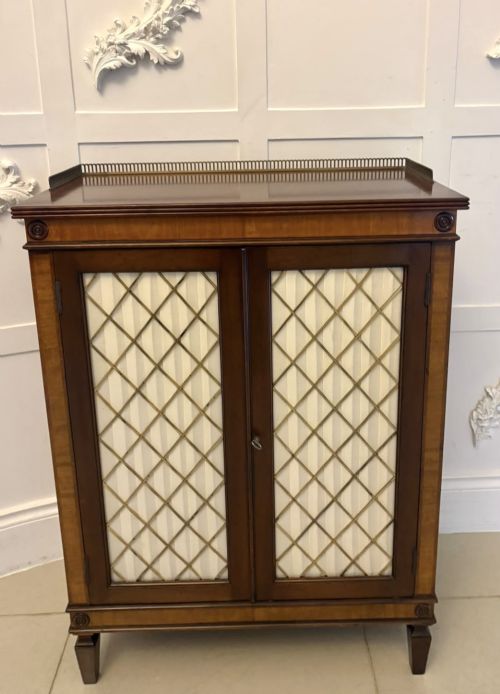
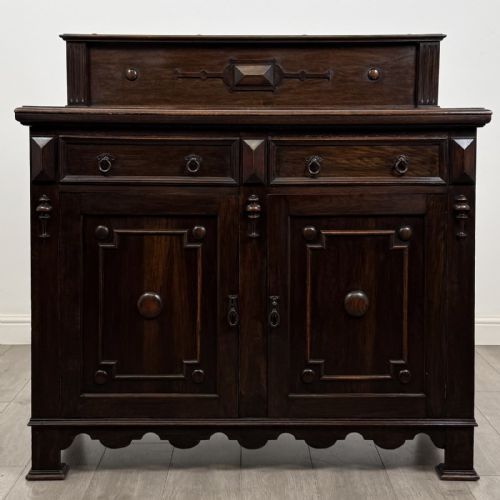
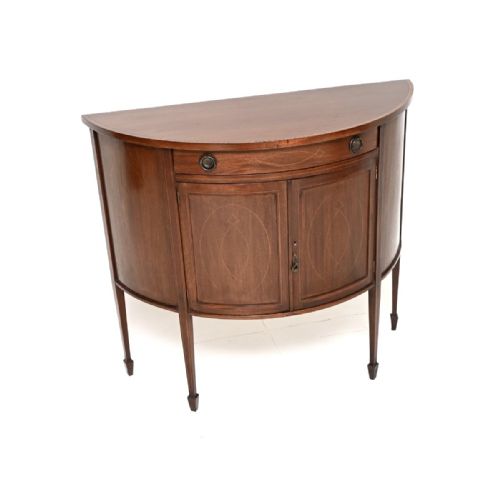
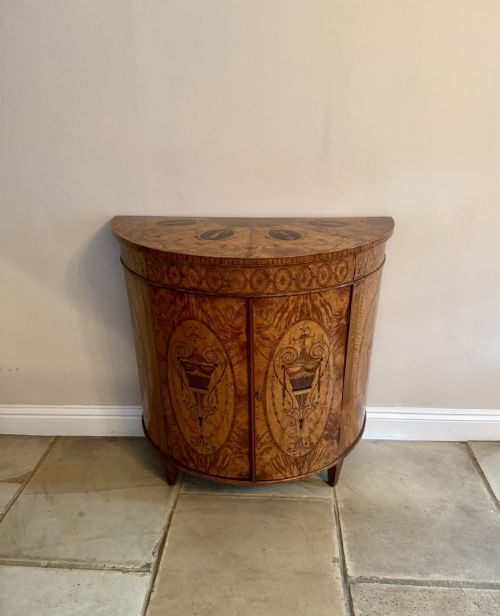
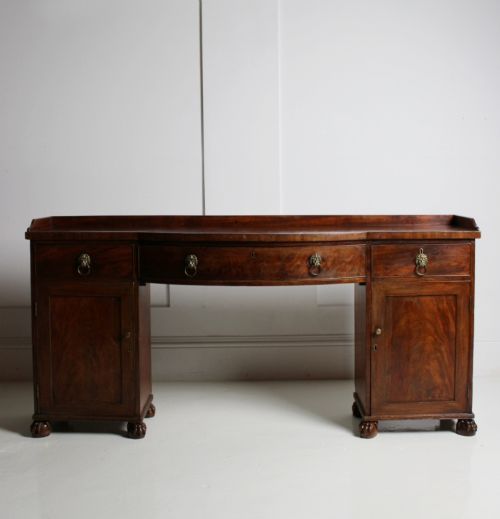
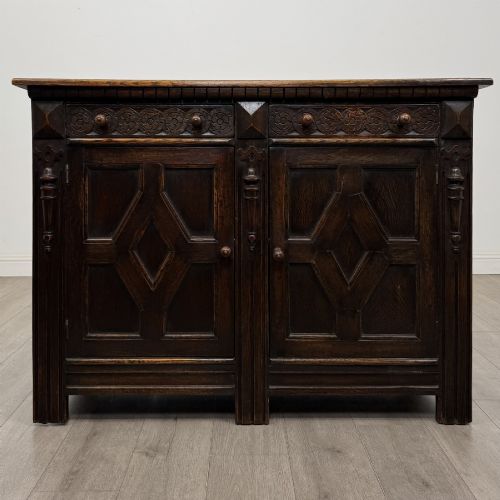
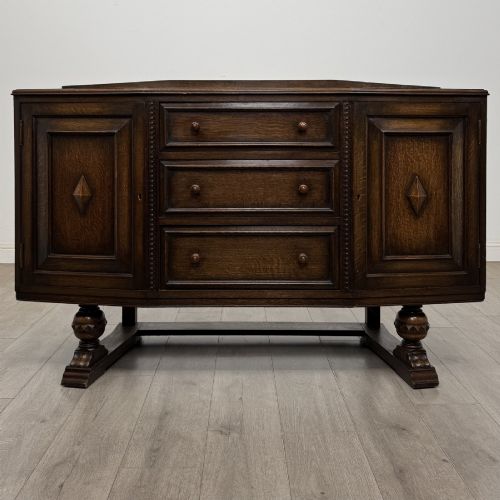
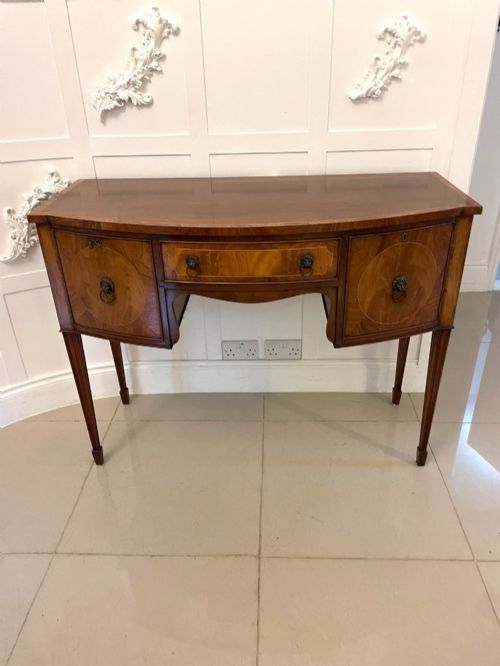
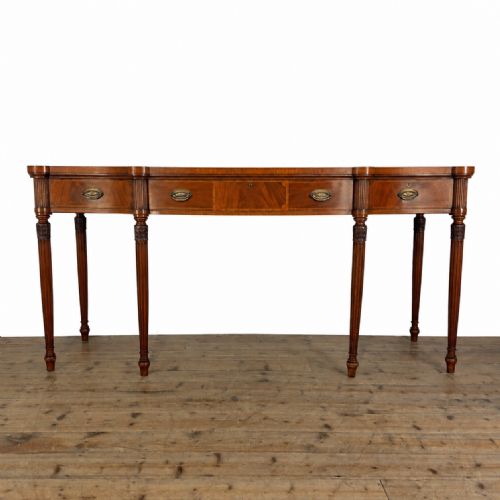
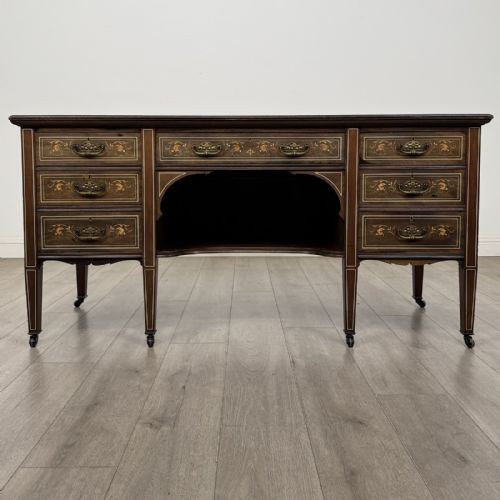
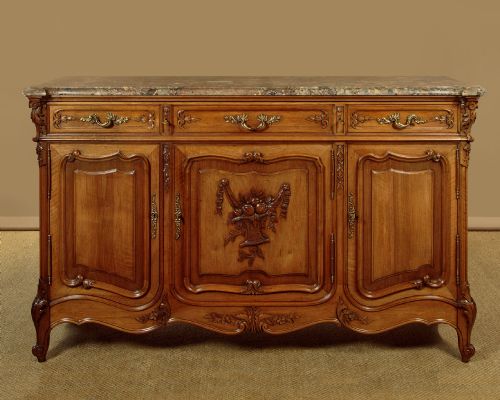
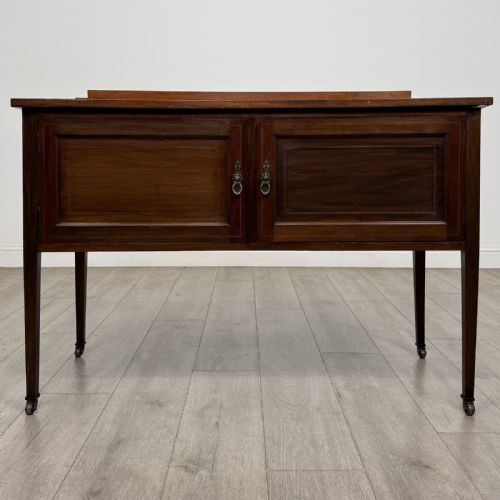
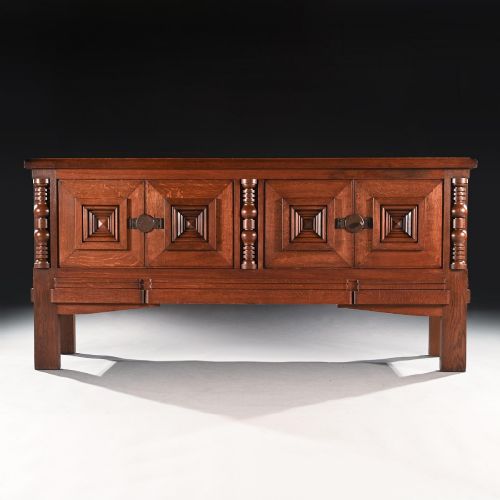
The assortment on this page draws heavily from Edwardian and Georgian styles, alongside Victorian and later twentieth-century interpretations. Pieces range from formal bow front servers with marquetry inlay to sturdy oak cupboards featuring carved details and stretcher bases.
Makers and workshops utilised various regional woods, producing everything from Irish cedar and pollard oak to figured mahogany and burr walnut. These functional items served dining rooms and living spaces alike, providing deep storage behind panelled or glazed doors.
Materials and construction
Cabinet makers relied on primary structural timbers such as mahogany, oak, walnut, and teak, often pairing them with contrasting woods for decorative effect. Satinwood inlay, boxwood inlay, and foliate marquetry provide crisp geometric and botanical ornamentation across drawer fronts and doors.
Construction techniques involve traditional joinery supporting heavy tops of marble or solid wood, with bracket feet, tapered legs, or stretcher bases providing stability. Glazed panels, brass hardware, and hand-carved mouldings complete the construction of these storage pieces.
Vintage Brown Wood Credenza Retail Price Guide 2026
Typical asking prices for vintage brown wood credenza among the pieces listed under this phrase on Sellingantiques today, from the lower quarter to the upper quarter. They describe what is for sale here now, not the wider market.
An unexpected Egyptian cupboard sits quietly among the heavy Edwardian sideboards and French walnut servers.
Distinguishing quality
Quality rests in the selection of timber figures, such as flame mahogany or burr walnut, and the precision of inlaid details like satinwood and boxwood. Superior examples display balanced proportions, integrated carving, and substantial secondary woods within the internal drawer construction.
The refinement of the silhouette distinguishes finer pieces, whether through a sweeping serpentine front, a concave curve, or a well-executed demi-lune shape. Exhibition pieces and named workshop outputs demonstrate a higher level of cabinet-making skill in their joinery and finish.
Charles Dudouyt·Whytock and Reid·Bowman Brothers
The Vintage Brown Wood Credenza Glossary
- Bow front
- A convex curved cabinet front that swells outward toward the centre, popular in Georgian and Edwardian dining furniture.
- Marquetry
- Decorative patterns formed by fitting together thin veneers of various wood types, often creating floral or geometric motifs.
- Serpentine front
- A furniture front characterised by a wavy shape, curving outward in the middle and inward at the sides.
- Sideboard
- A long piece of furniture placed in a dining room for holding serving dishes, cutlery, and glassware.
- Stretcher base
- A system of horizontal wooden bars connecting the lower legs of a table or cabinet to provide structural rigidity.
Vintage Brown Wood Credenza: Frequently Asked Questions
What rooms suit a credenza?
These pieces function well in dining rooms for storing tableware, linens, and bottles behind closed doors.
They also serve in living areas or hallways to display decorative objects while concealing everyday clutter.
How do I identify Edwardian pieces?
Edwardian examples often feature lighter mahogany framing accented with delicate satinwood or boxwood inlay and tapered legs.
They combine traditional cabinet proportions with the refined decorative motifs characteristic of the early twentieth century.
What is a serpentine front?
A serpentine front curves outward in the centre and inward toward the edges, creating a dynamic silhouette.
Cabinet makers used this shape on premium sideboards to catch the light and showcase the grain of the wood.
How should I care for timber?
Keep wooden furniture away from direct heat sources and strong sunlight to prevent the timber from drying out or fading.
Apply natural beeswax periodically to nourish the grain and maintain a soft protective sheen on the surface.